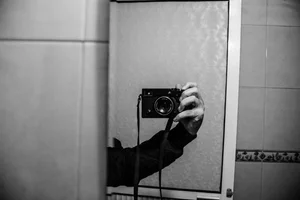

2025: My best street shots
It is always difficult to make a selection, but I did it.
THOUGHTS
And maybe these aren't even the best shots. But when making a selection like this, many factors come into play. But I have to consider the limitations of choosing 10 photos. Some photos simply wouldn't be understood, especially considering I also have to go to YouTube with this selection. My eclecticism as a photographer encompasses many different dimensions. For example, I shoot a lot of landscape and architecture while I'm on the street.
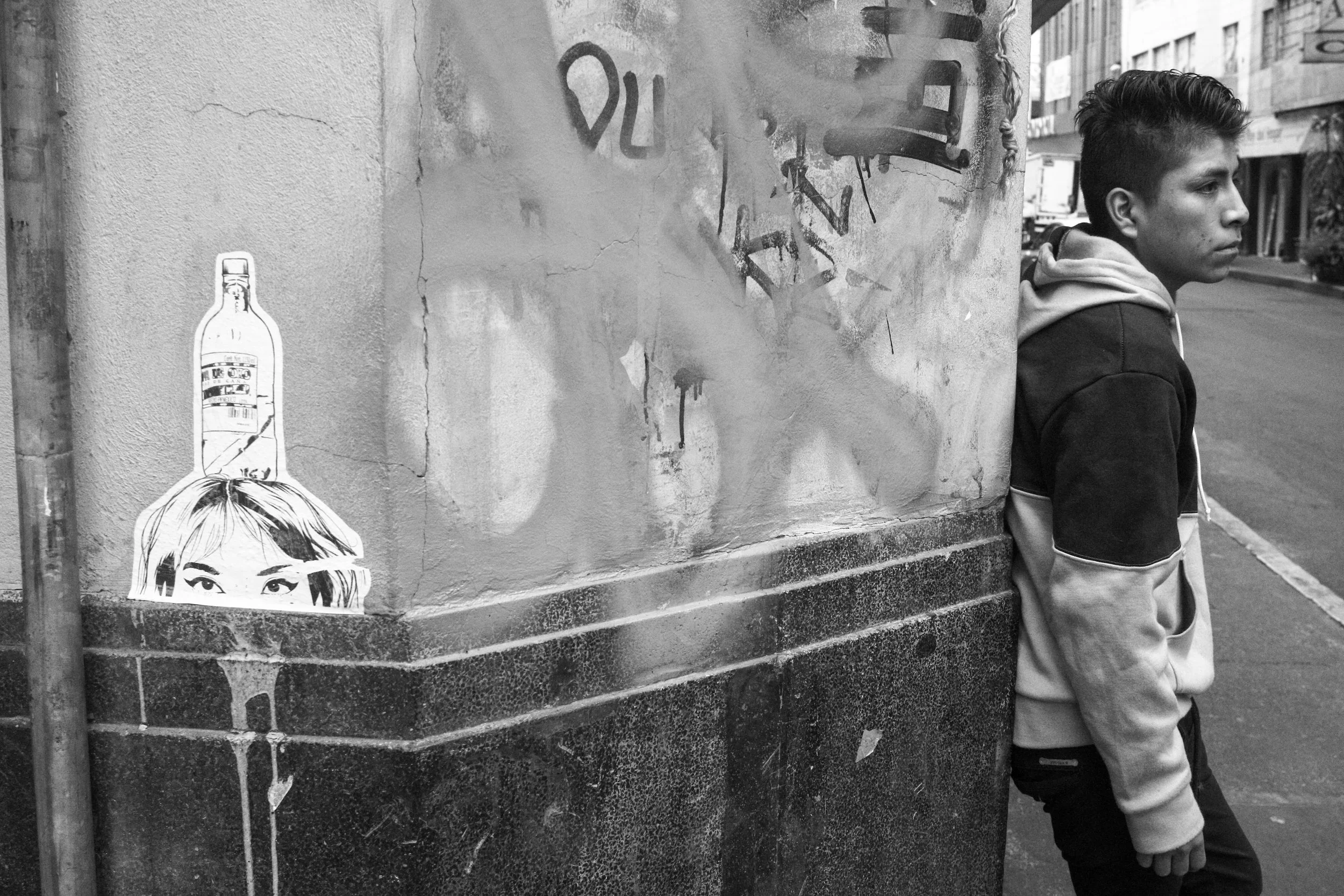
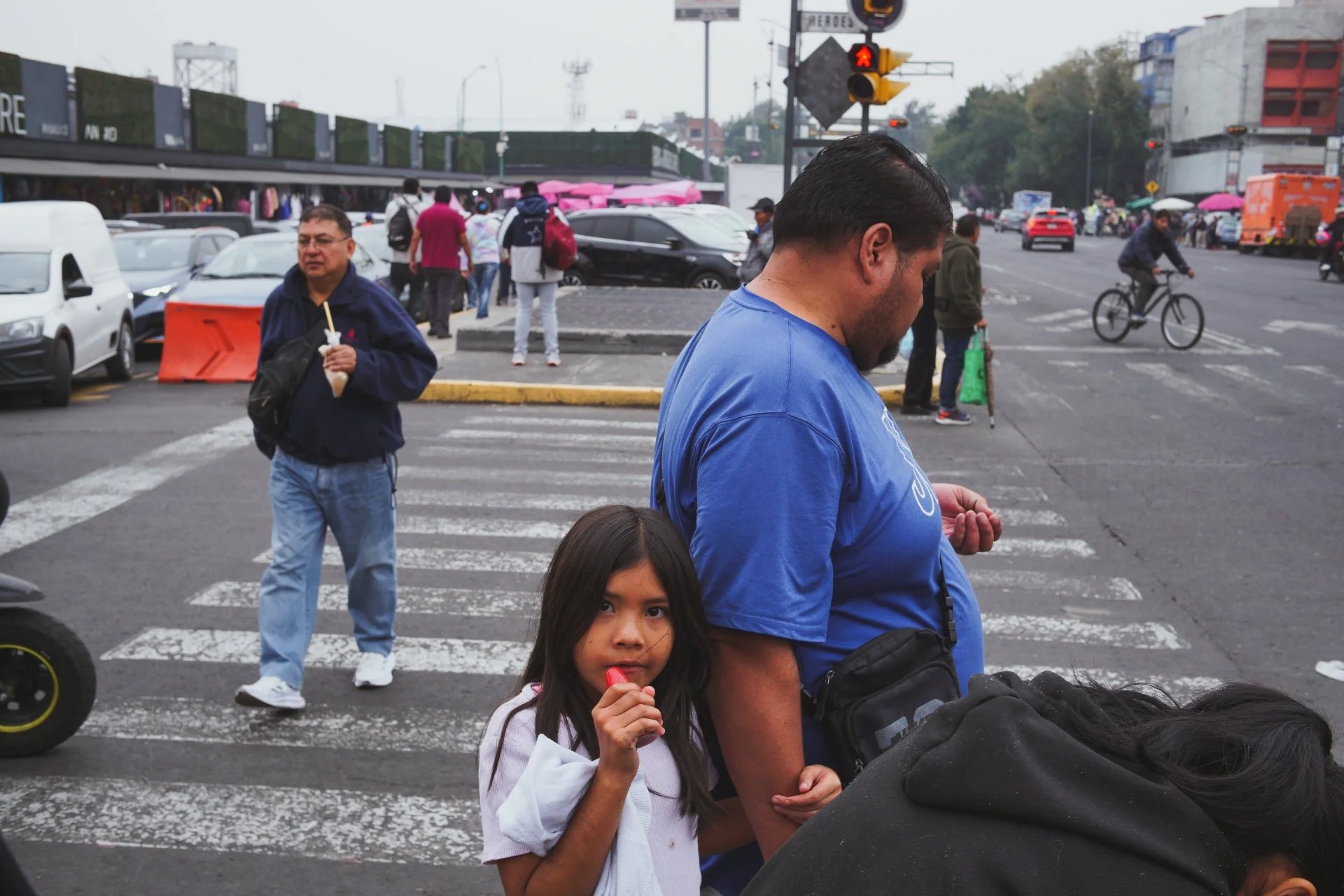
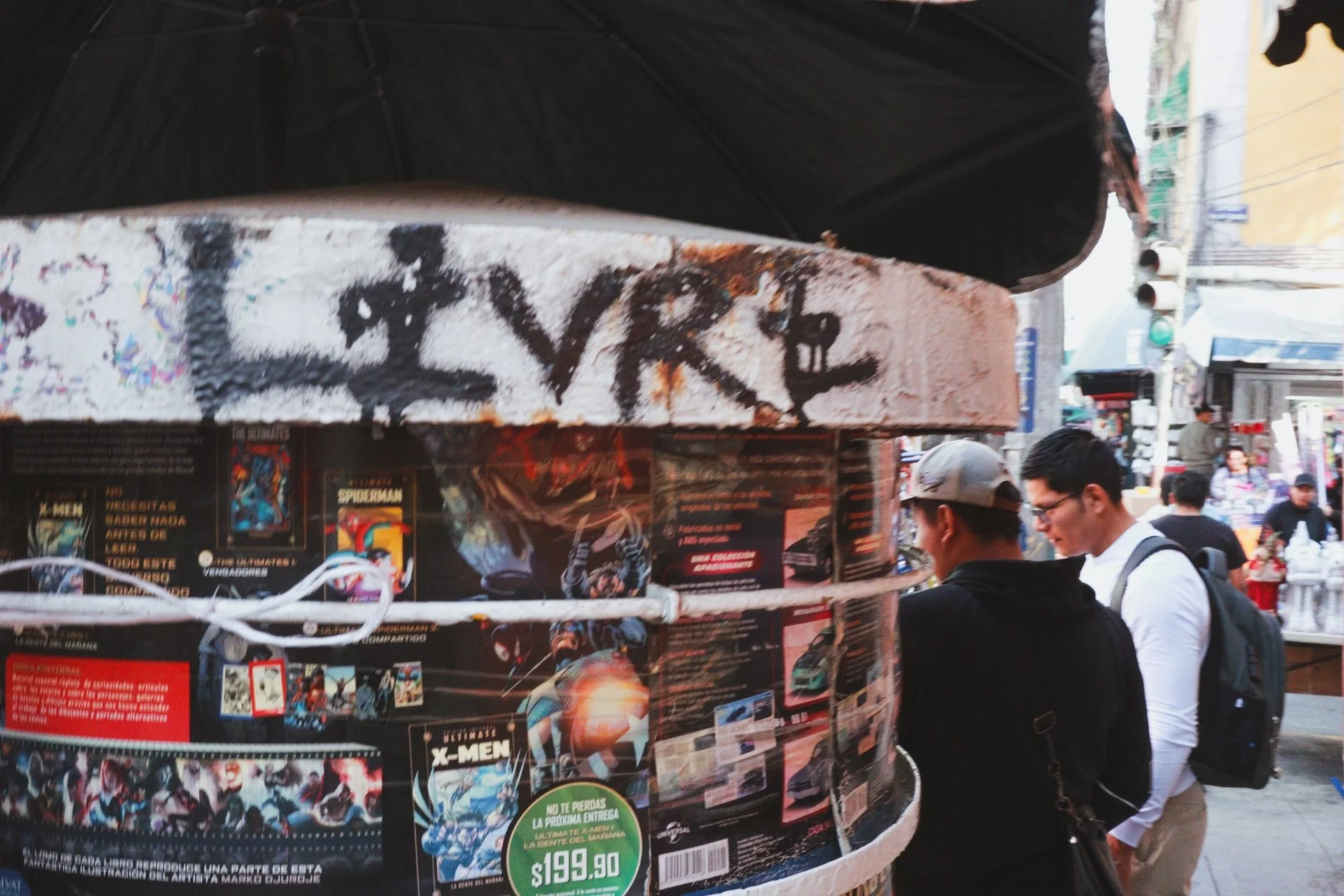
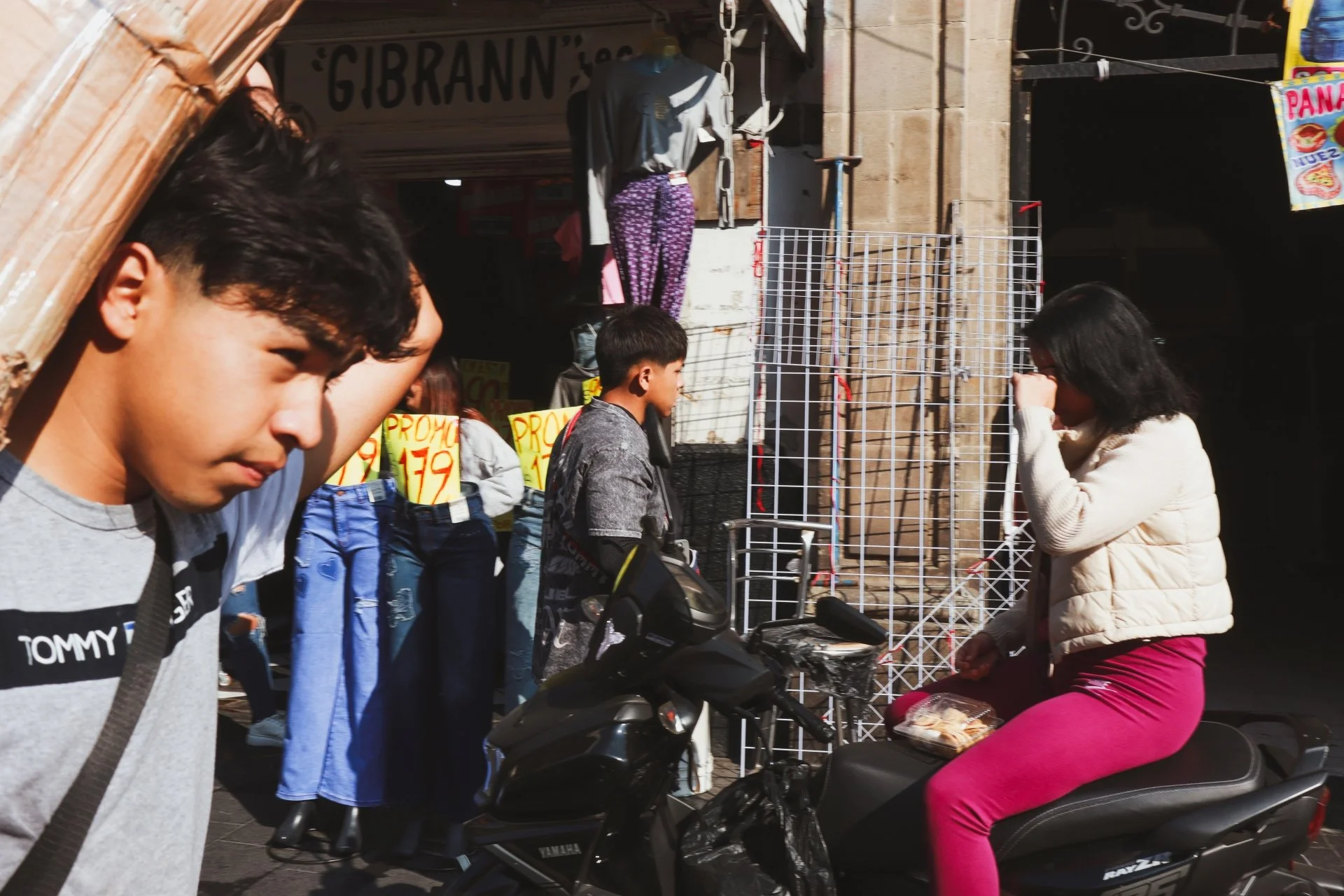
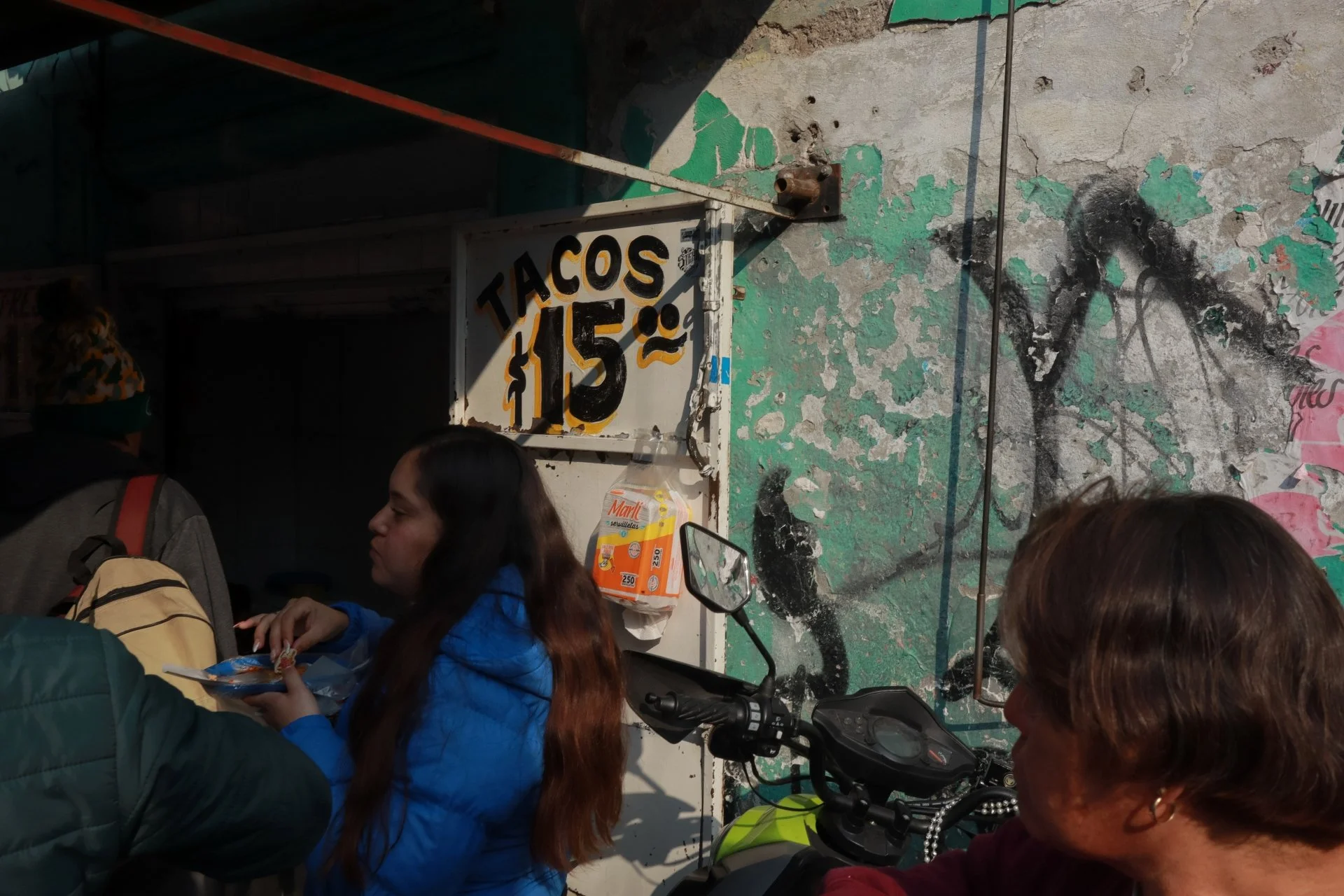
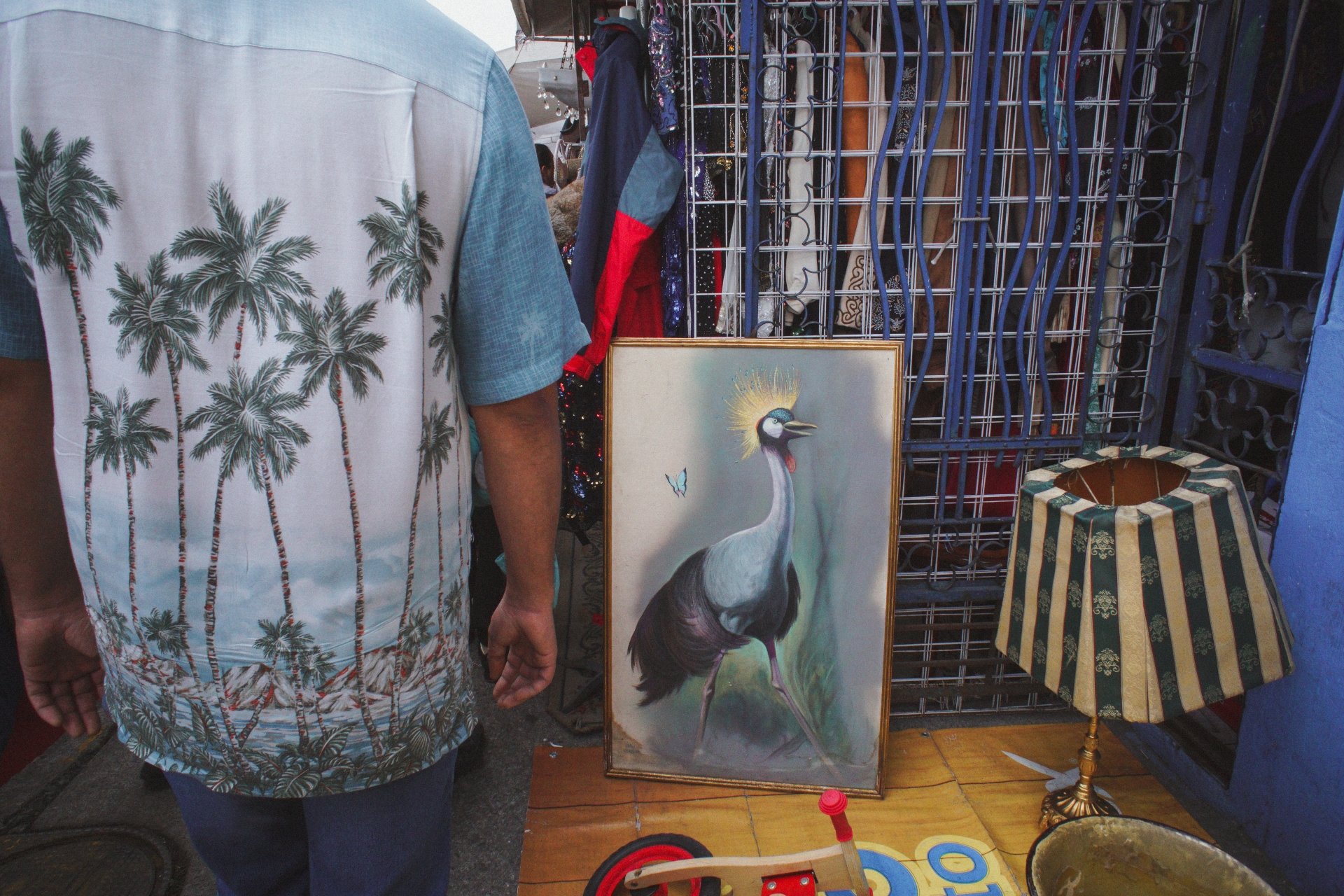
But working on this selection is always important. First and foremost for myself. To get to know myself better, to see where I am at, to notice the developments but also the mistakes. Something I can take from this year: I understand that I am a photographer who works a lot on space. In my compositions it is never just about the subject, but also the whole context, which is often more relevant than the subject itself.
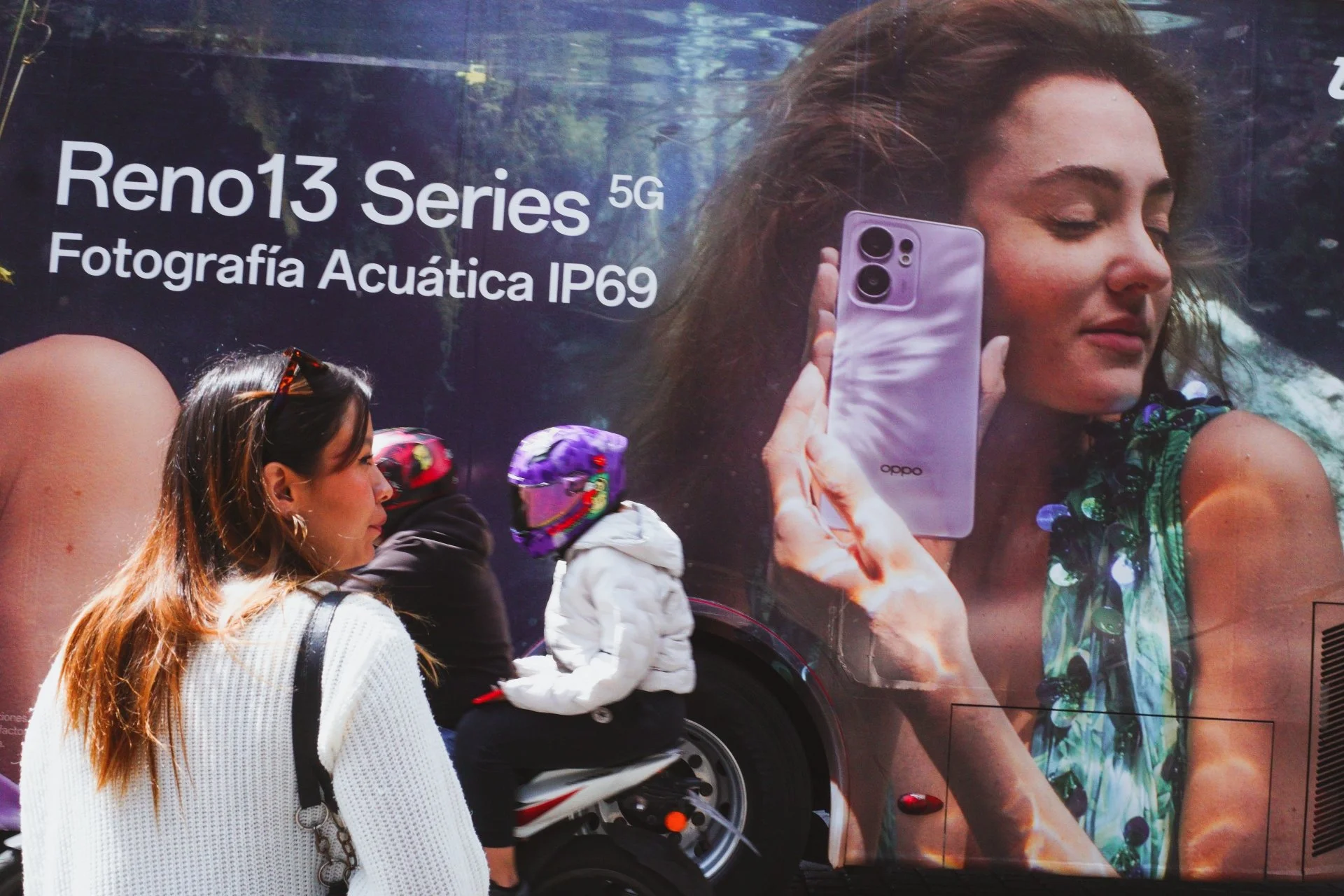
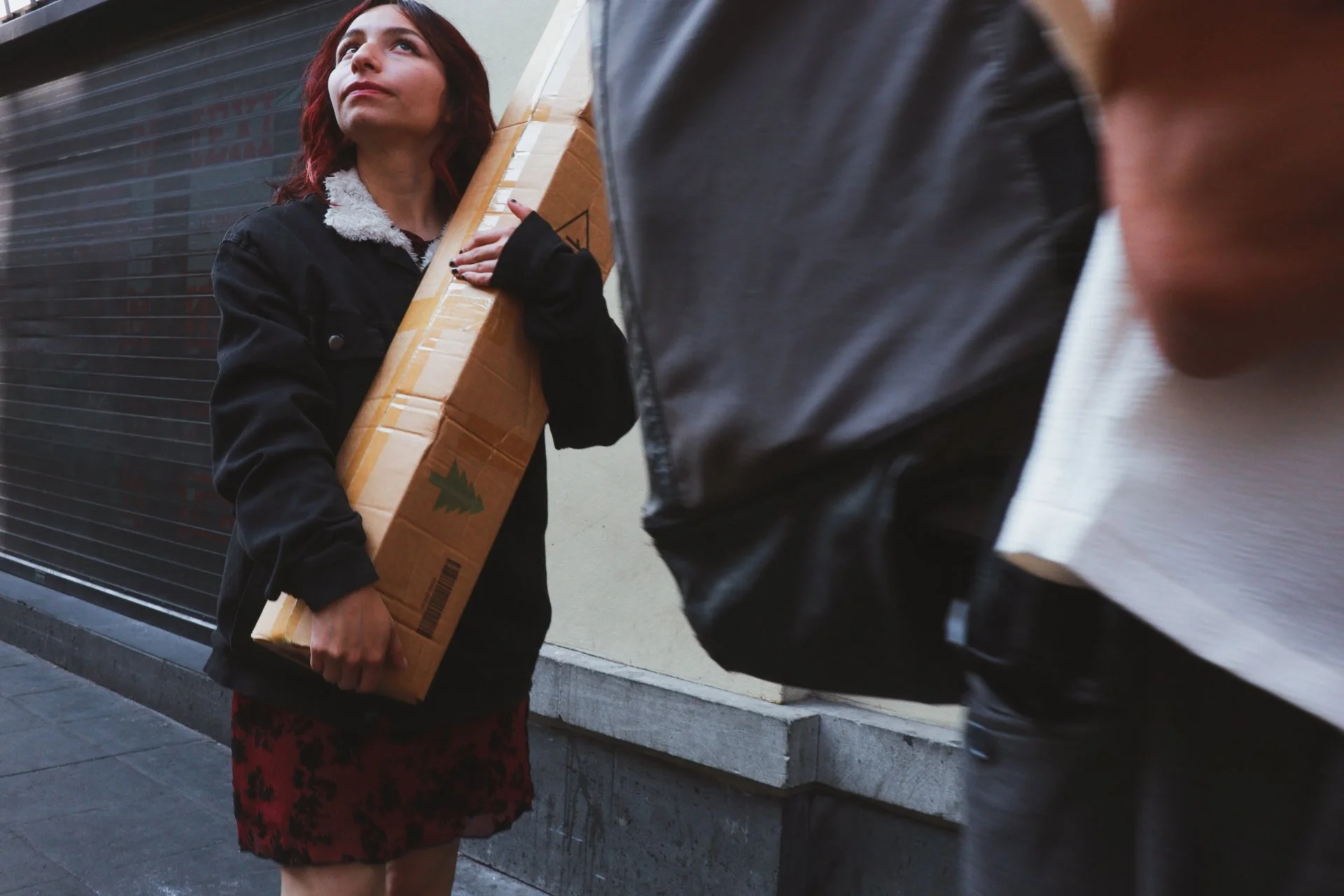
Within my photography, that recurring search for neo-topographic banality unfolds. When I take a photo, I'm often not photographing a person, but the energy that flows through them in relation to space, light, and context. The subject becomes an element among other elements. It's never isolated, never placed on a pedestal. It's part of an invisible construction that takes place before the shot is taken.
Looking back over this year, I can see that my photography has evolved, especially in showing, both formally and technically, choices that leave behind what was done previously. And I've seen how, over the months, all of this has changed very rapidly, especially this year. A year that saw me very busy also as a videomaker and that very work for a client ended up influencing my approach as a photographer.
One observation, perhaps a more superficial one, is that my digital photography is very similar to film photography, much more than it used to be. I believe this is influenced by working now with cameras that complement each other in a certain way and, at the same time, allow me to maintain a consistent approach, despite their differences.
But the most interesting thing from this point of view is that I don't really use specific camera profiles or presets. In fact, this very year I also worked in this direction on going and removing. If you "turn off" many of a digital camera's features, it can produce files that are much more organic and film-like. Even digital sharpness can be turned off if you're mentally prepared to see images as they once were. This is why I say film is a state of mind: because some film photographers end up making a mess of the editing process to present them for the web.
I also have to say one thing: this year's photographs aren't visually explosive, maybe they're even less spectacular, but I can see from them how my photography is evolving.
I'm going even further in the opposite direction to what's popular today.
The photography I reference, the photographers I truly take as references, aren't even street photographers. From a purely professional perspective, this has led me to develop a working method that allows me to generate decidedly more organic files despite being digital. Even though many don't believe it's possible, my experience makes me say yes.
Today I do all my photography with the same method, which includes in-camera settings and meticulous post-production. It's all done in a very personal way, respecting my way of working, both in approach and vision. I don't think it'll work for others. It's fine for me.
There are many factors I have to take into account: shooting in Mexico, with specific light and color rendering, is the first. I also maintain the need to respect people, even from an aesthetic point of view. This is more complicated than it might seem and has required a lot of time and testing.
In this sense, I'm a detailer. And in my opinion, the sky should have a certain color, never a certain type. Here, the way you work with street exposure is definitely at play. And therefore, it influences certain decisions regarding AF rather than manual focus. The rendering of detail and sharpness also requires attention to avoid duplicating settings between shooting and post-production, since I shoot directly and only in JPG.
Photography, in my opinion, understood as rendering, must convey a natural and honest look. I'm not talking about reality, an imperfect term when we talk about photography; I'm talking about honesty, understood as realism filtered through my way of observing the world.
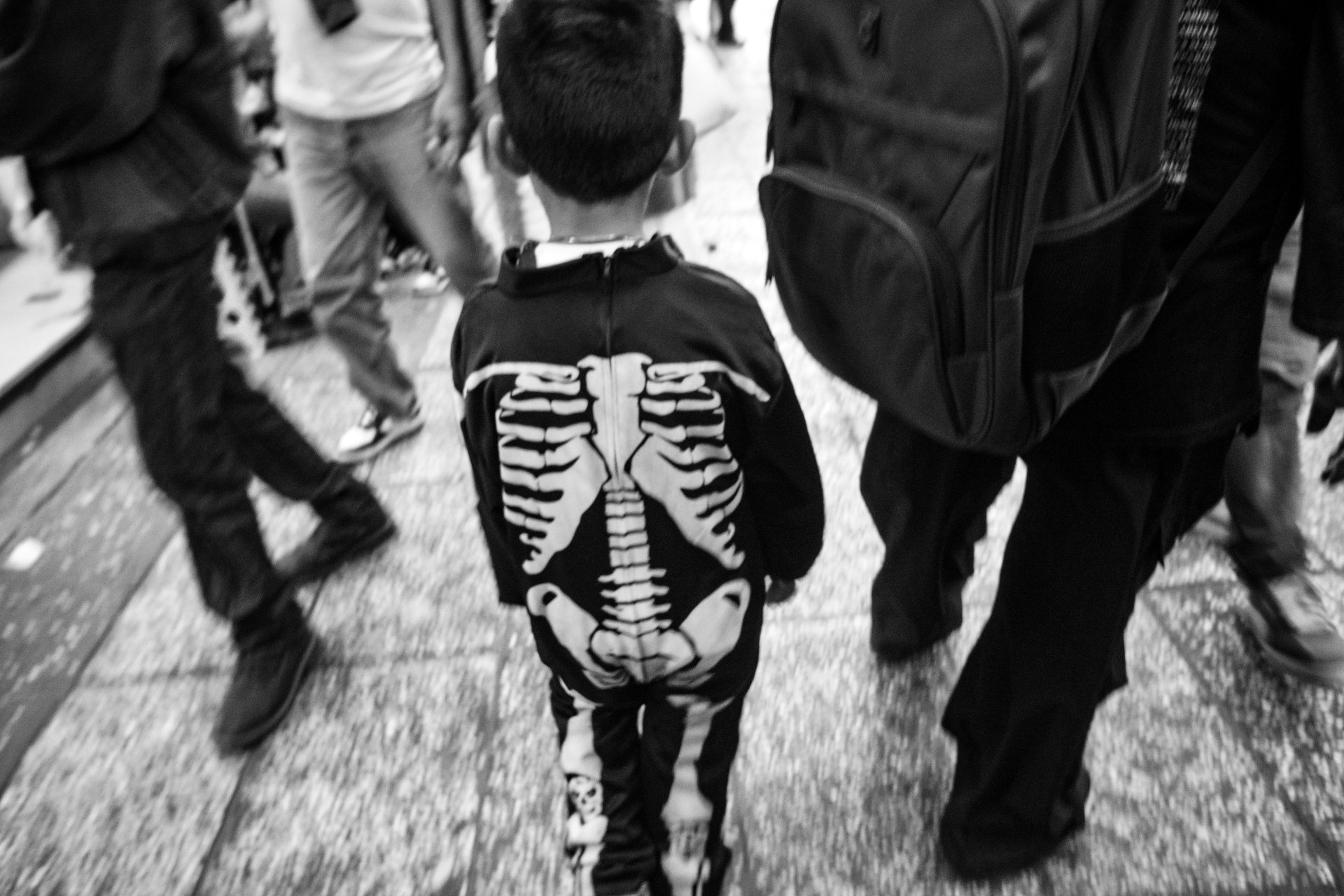
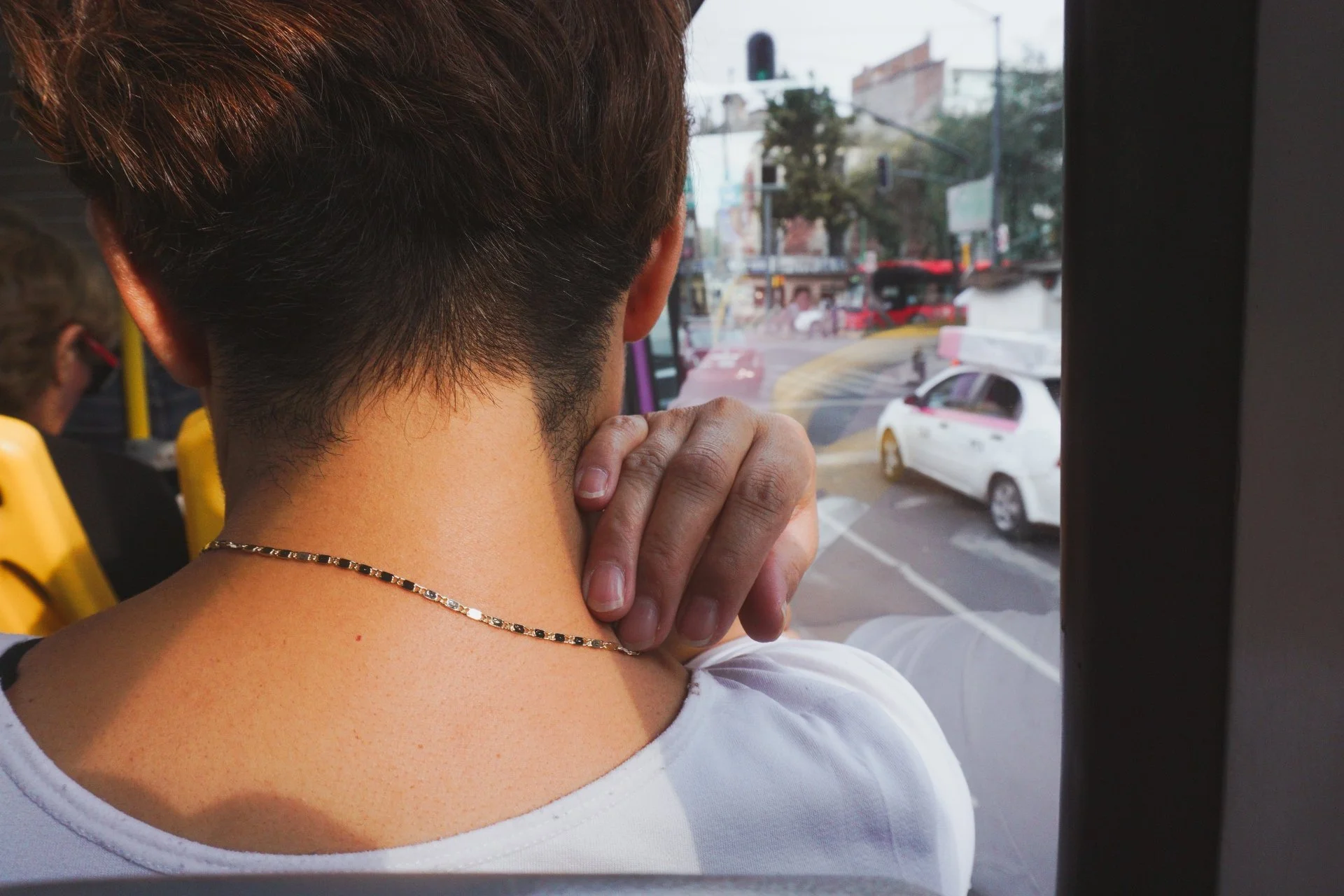
PHOTOS
VIDEO