What We’re (Finally) Tired Of in Street Photography
There’s a thin line between style and shortcut, and lately that line has been crossed a little too often. This isn’t a rant, it’s just a recognition that certain patterns have become predictable, automatic, and ultimately empty.
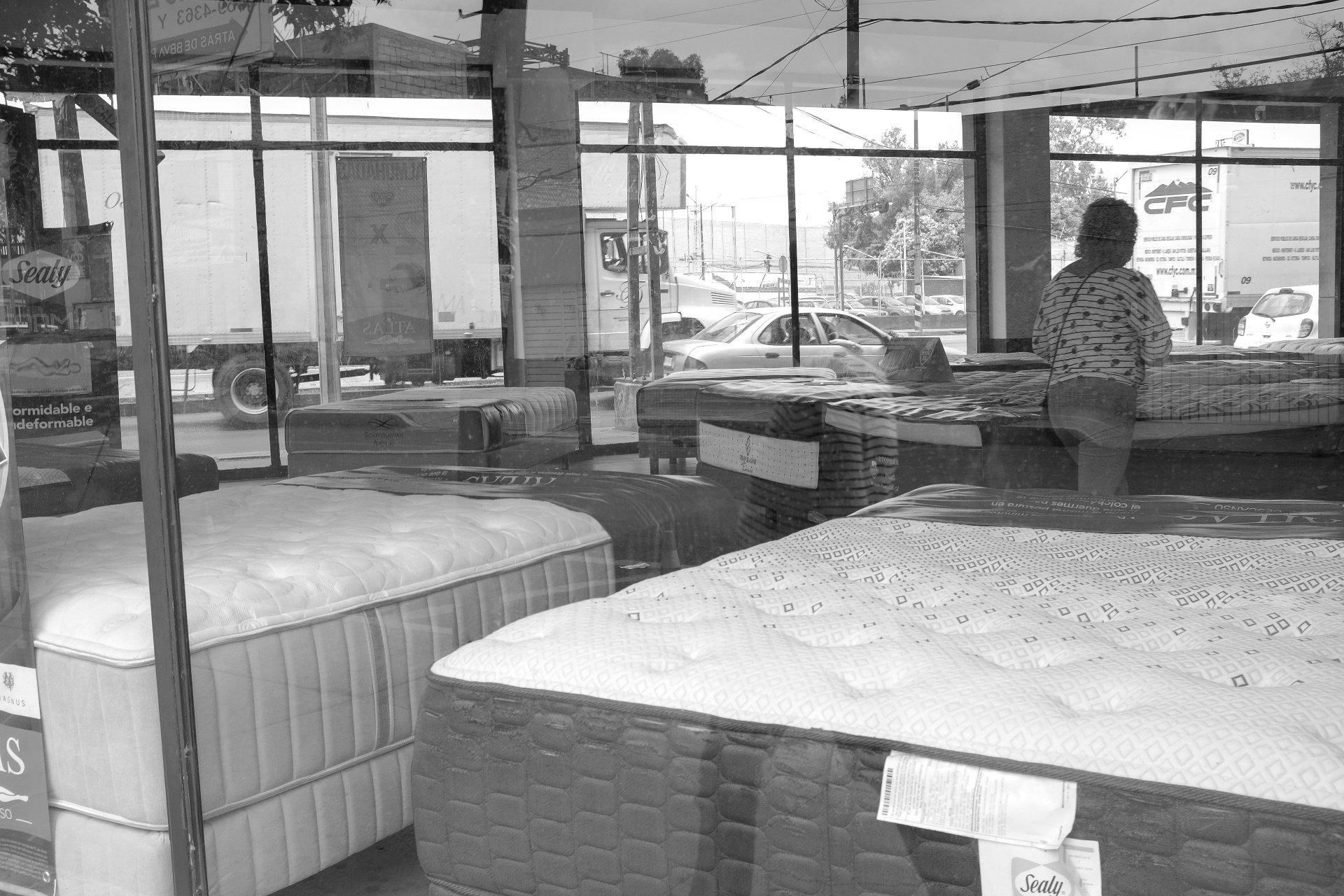
After all these years as a photographer and witness of the evolution of street photography I can see how there are a lot of things that are used as a system, a formula. And the problem is exactly this: to reduce everything to a formula. Let’s see together:
Underexposure used as a default language, where darkness replaces composition.
The automatic moody look, applied to everything, flattening emotional impact.
The forced cinematic aesthetic, with heavy color grading that imitates film without understanding it.
Fake grain added to simulate depth.
Presets used as identity, instead of developing a way of seeing.
Subjects reduced to symbols, rather than treated as real people.
Empty silhouettes, relying on contrast instead of meaning.
Lazy minimalism, removing complexity without offering clarity.
Layering without tension, multiple planes that don’t interact.
Visual chaos presented as energy.
The misunderstanding of Henri Cartier-Bresson, where the decisive moment is reduced to luck instead of structure.
Artificial imperfection, mistakes designed to look authentic.
Flash used as a gimmick, rather than a deliberate tool.
Aggressive close-ups, confusing proximity with significance.
Images described as “stolen”, but carrying no real tension.
Photographs made for scrolling, not for lasting.
The absence of projects, single images presented as if they formed a vision.
Black and white as a refuge, when color becomes difficult.
Instinct used as justification, instead of decision-making.
Endless conversations about gear, while the work remains weak.
The street treated as a fixed genre, instead of an open language.
The need to perform as a photographer, rather than to actually see.
And again, the darkness, used as the final solution when the frame doesn’t hold, when the structure is missing, when there is nothing guiding the eye.
None of these things are inherently wrong. They just stop working the moment they become automatic. Because in the end, street photography doesn’t need to look interesting. It needs to be.
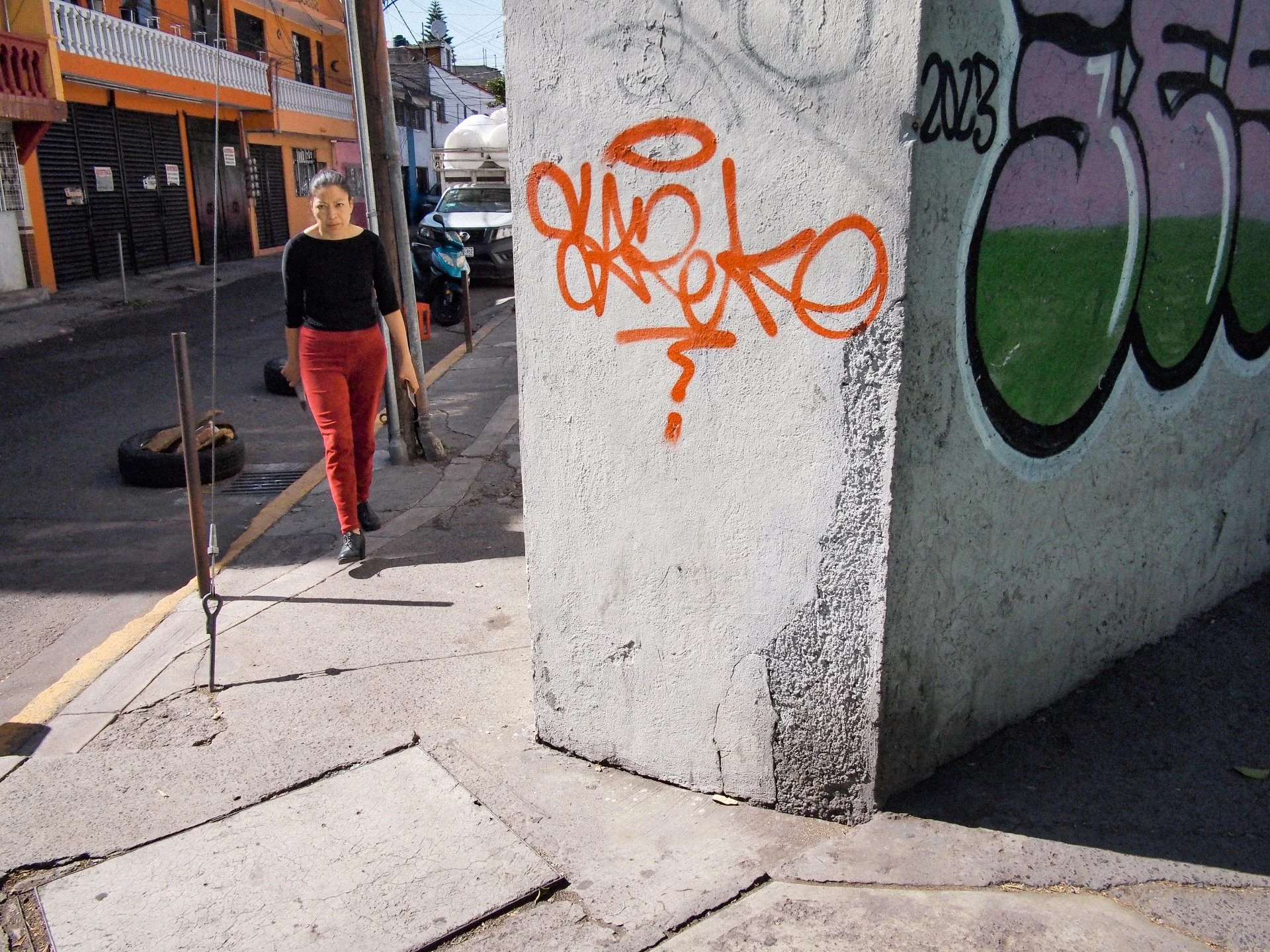
Choosing a photocoach shouldn’t be taken lightly. In documentary and street photography, too many decisions are driven by visibility, by popularity, by who appears more present online. But that’s not a solid reason to trust someone with your growth.
What matters is experience, consistency, and real-world accountability. I work as a professional photographer, my work has been featured in major publications, and I collaborate with international brands. This is not a side activity for me, and it never has been.
Photography is not something I do in my spare time. It’s the core of my life and my profession. Teaching is a natural extension of that, not a separate business built to generate quick income.
I take it seriously because it is serious. When I work with someone, their progress reflects directly on me. Their results are not just theirs, they are part of my responsibility.
And that changes everything.
If you are interested to make something relevant and taking your street photographs to the next level, I can be your mentor. Take a look to my experiences here: