

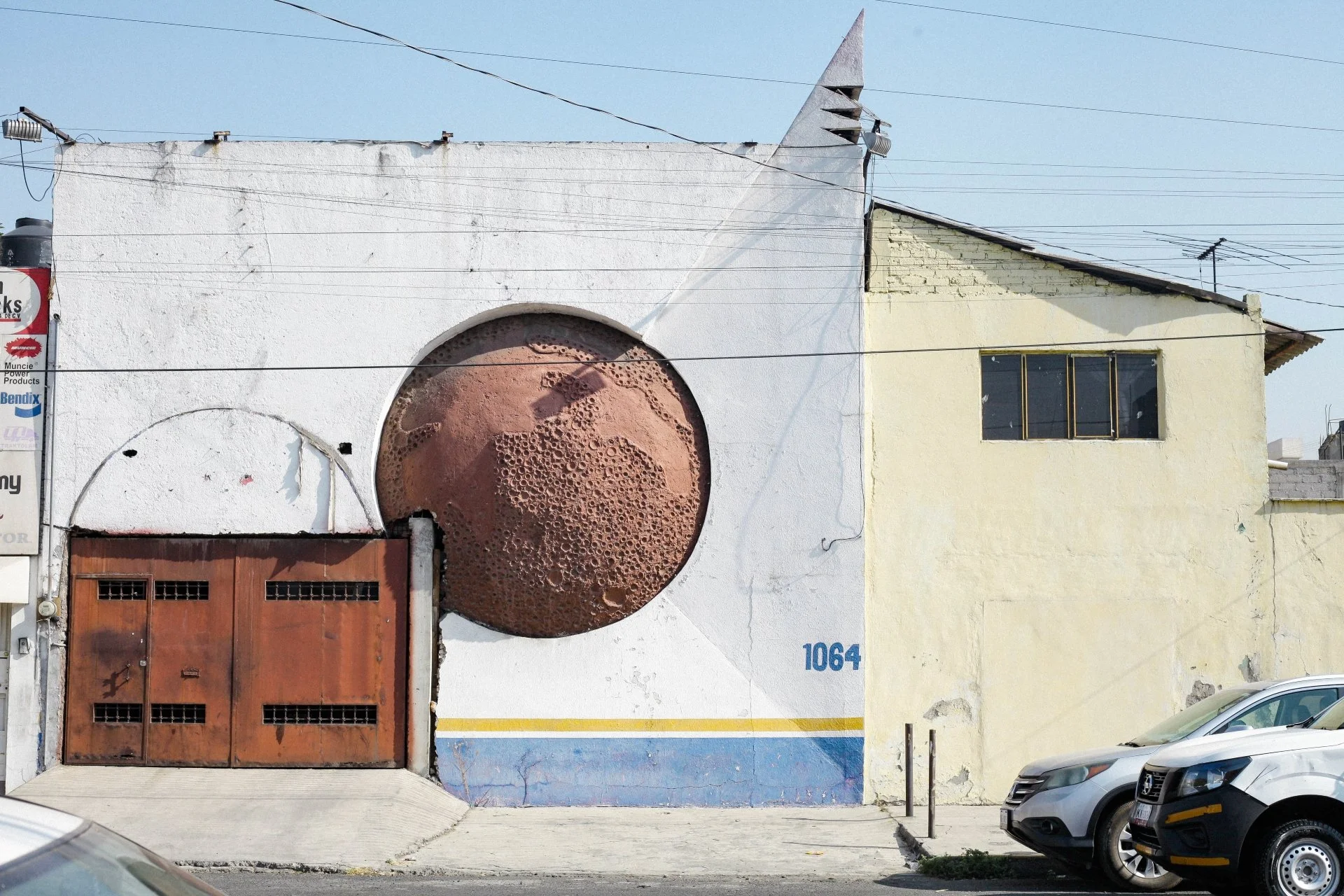
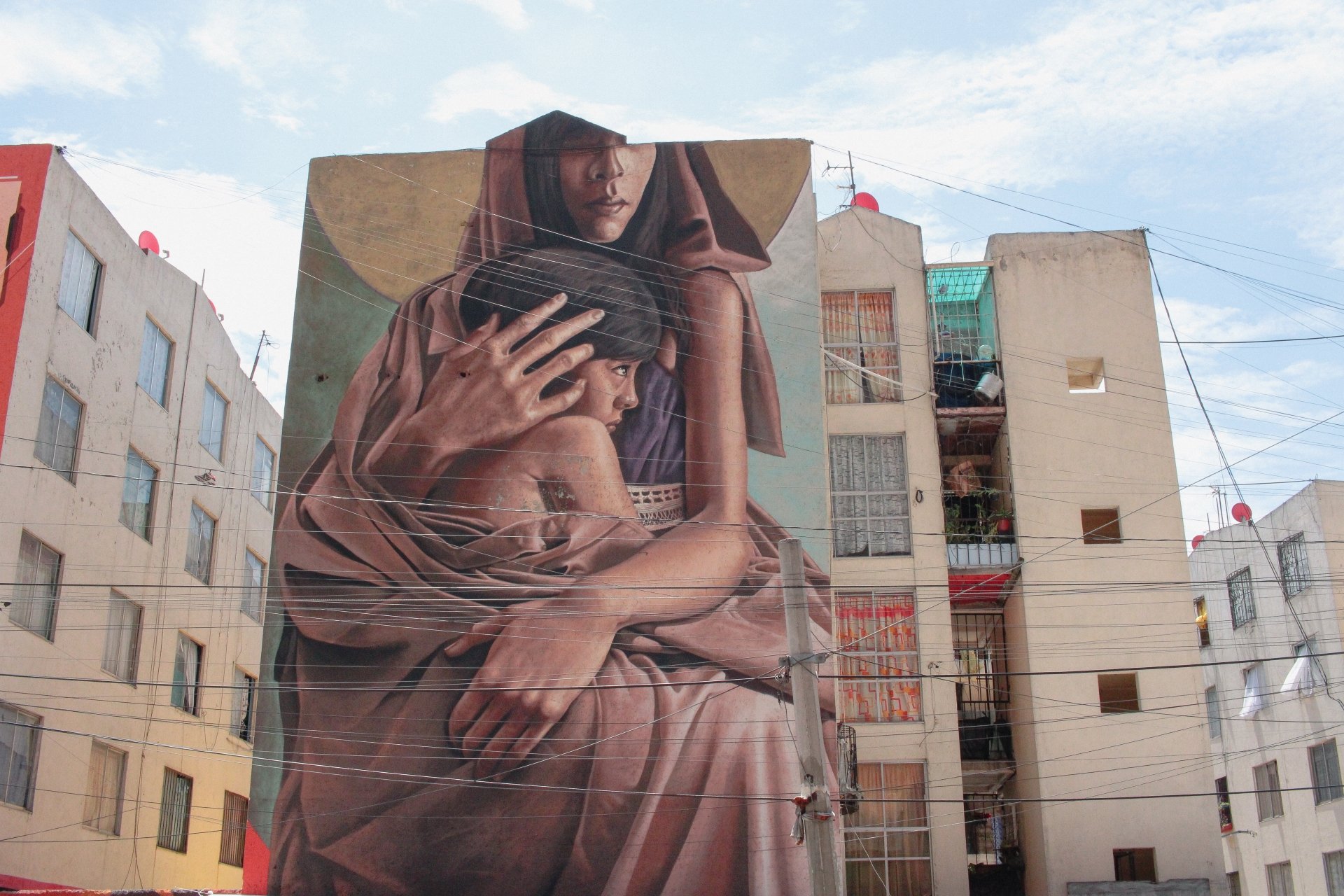
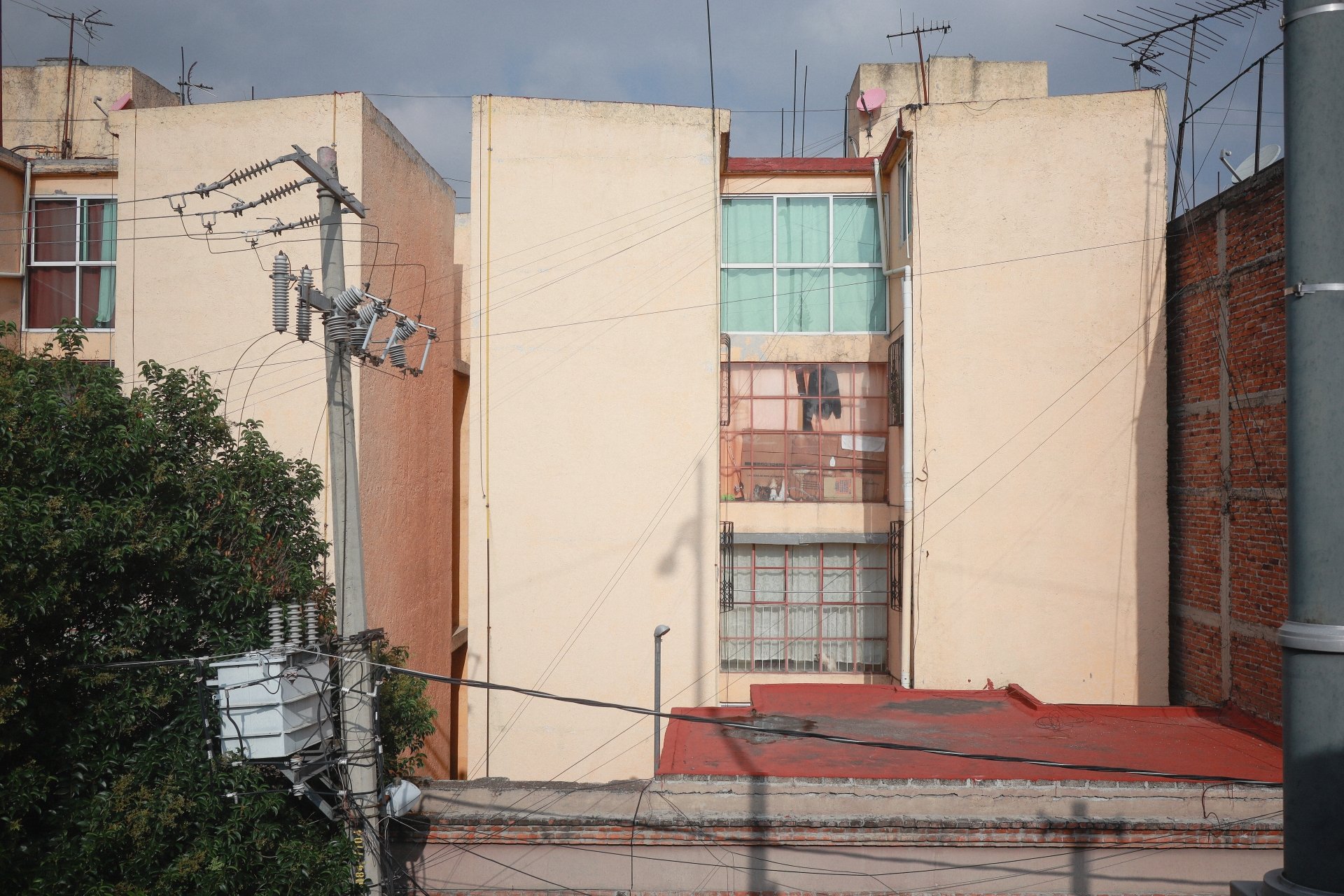
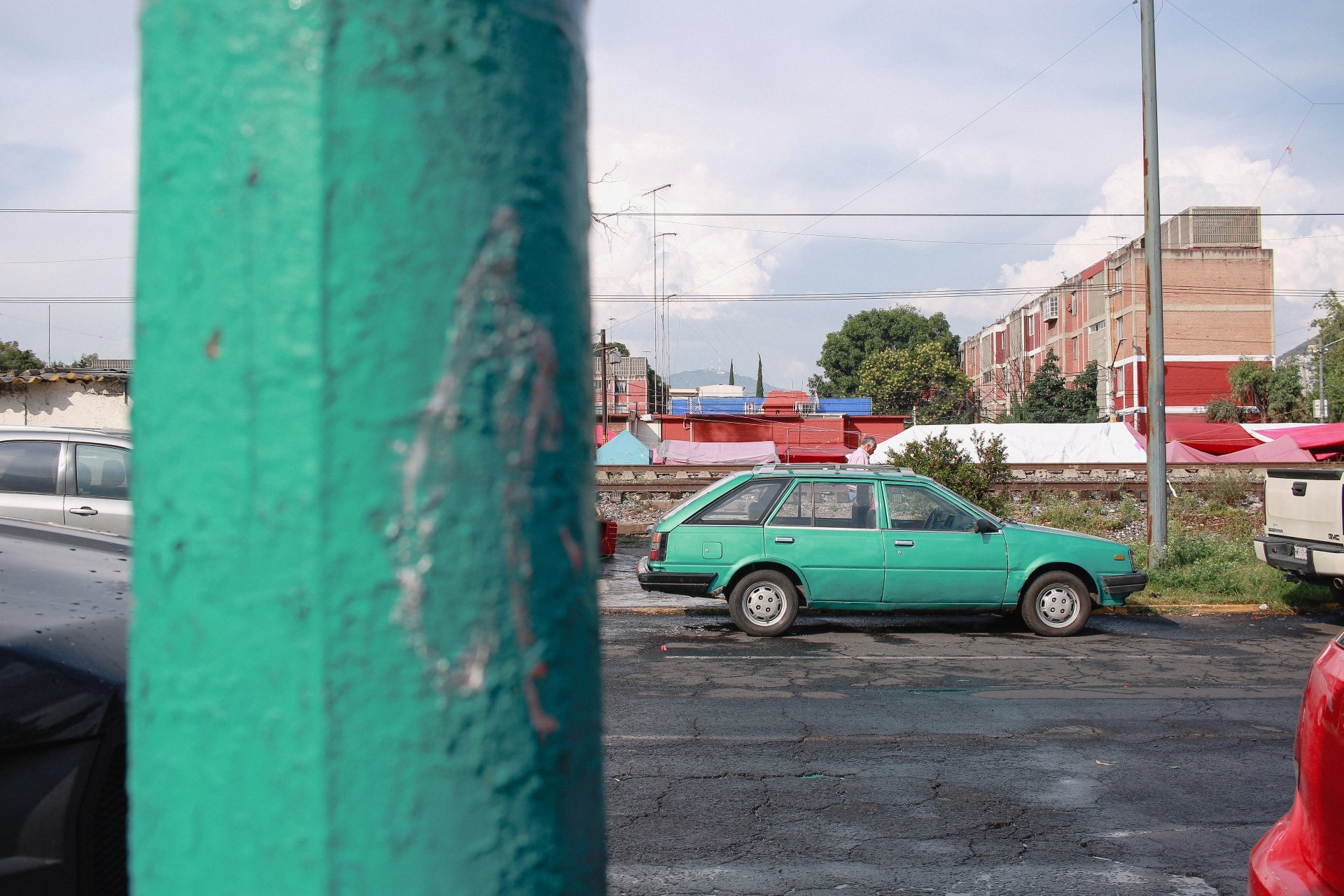
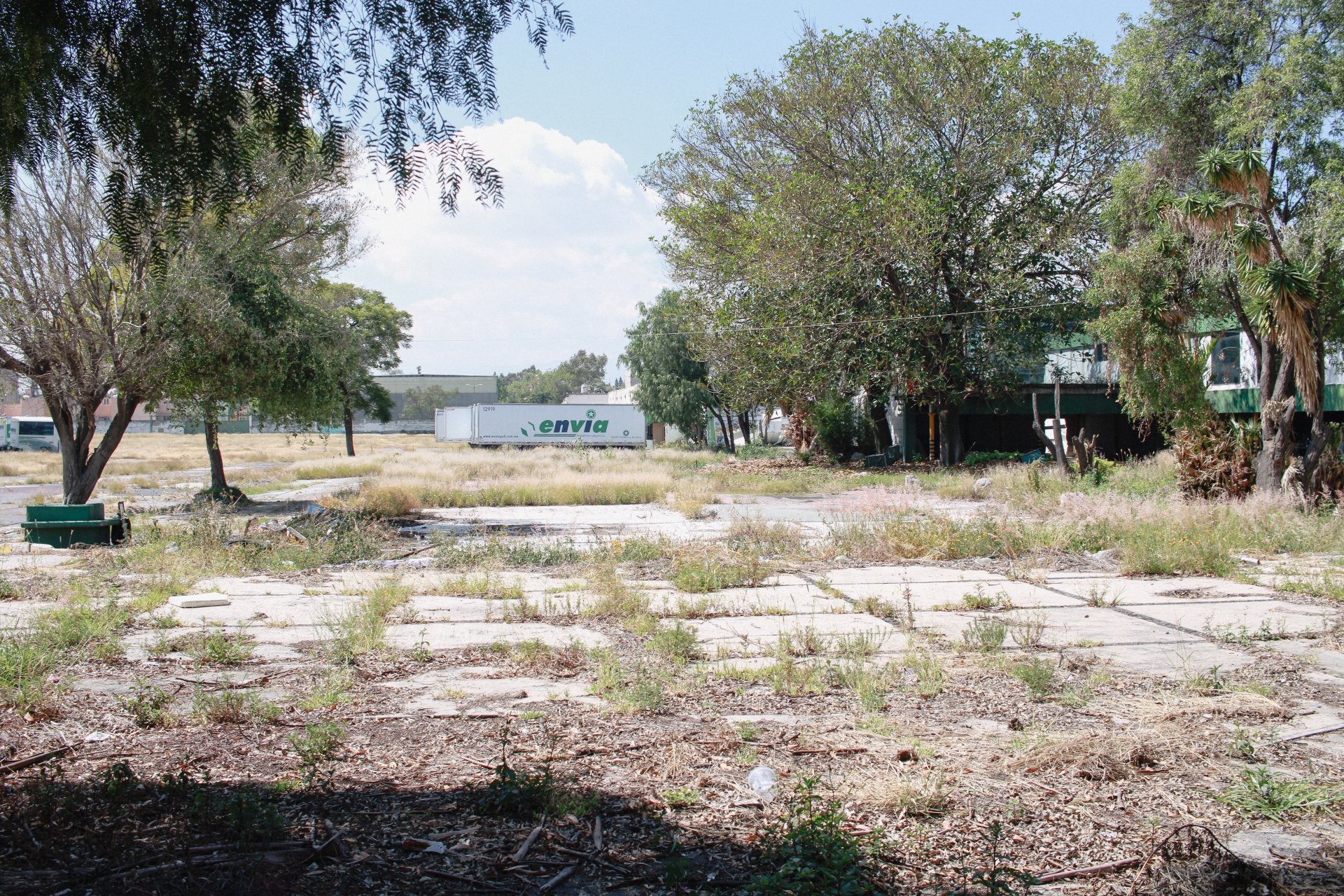
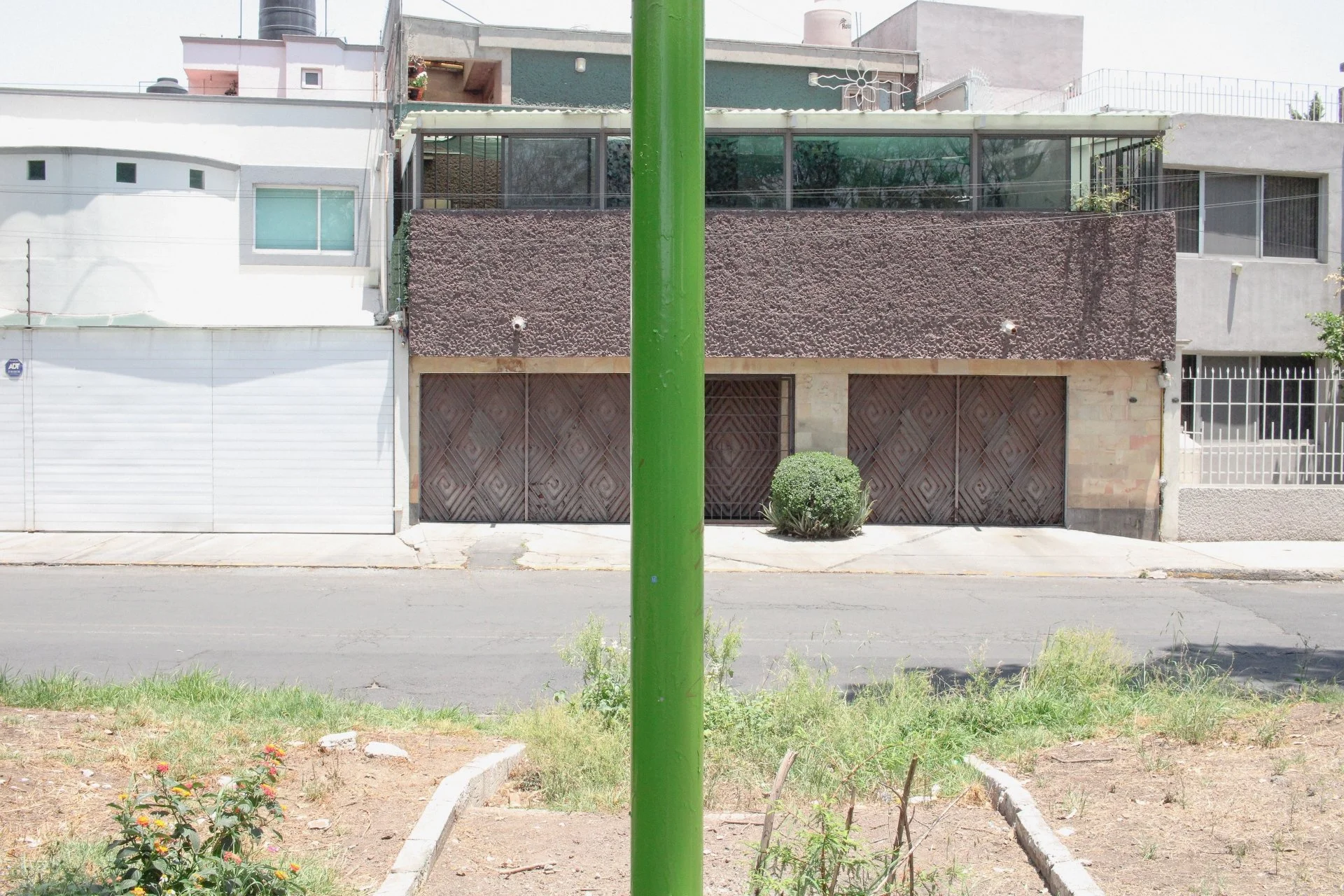

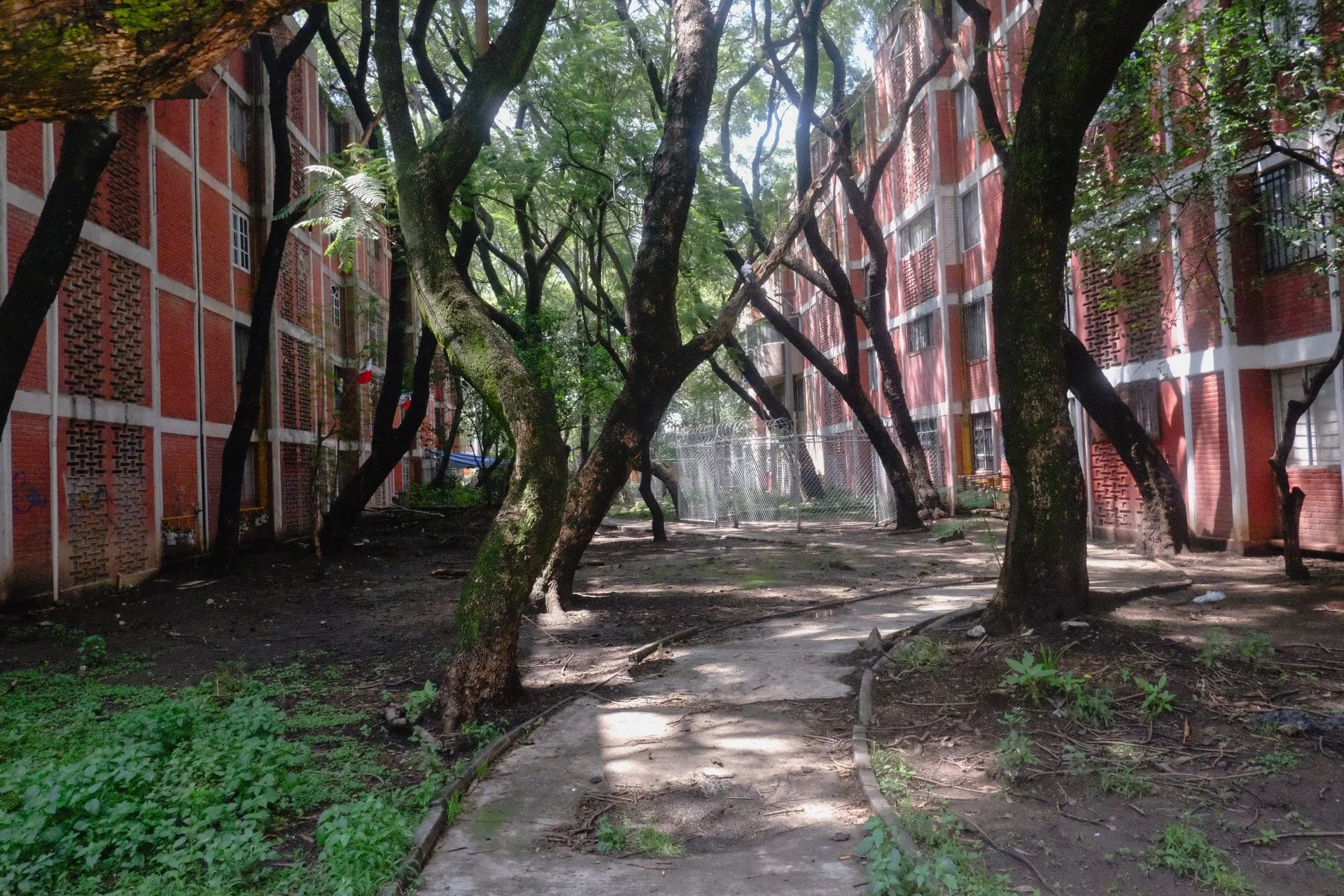
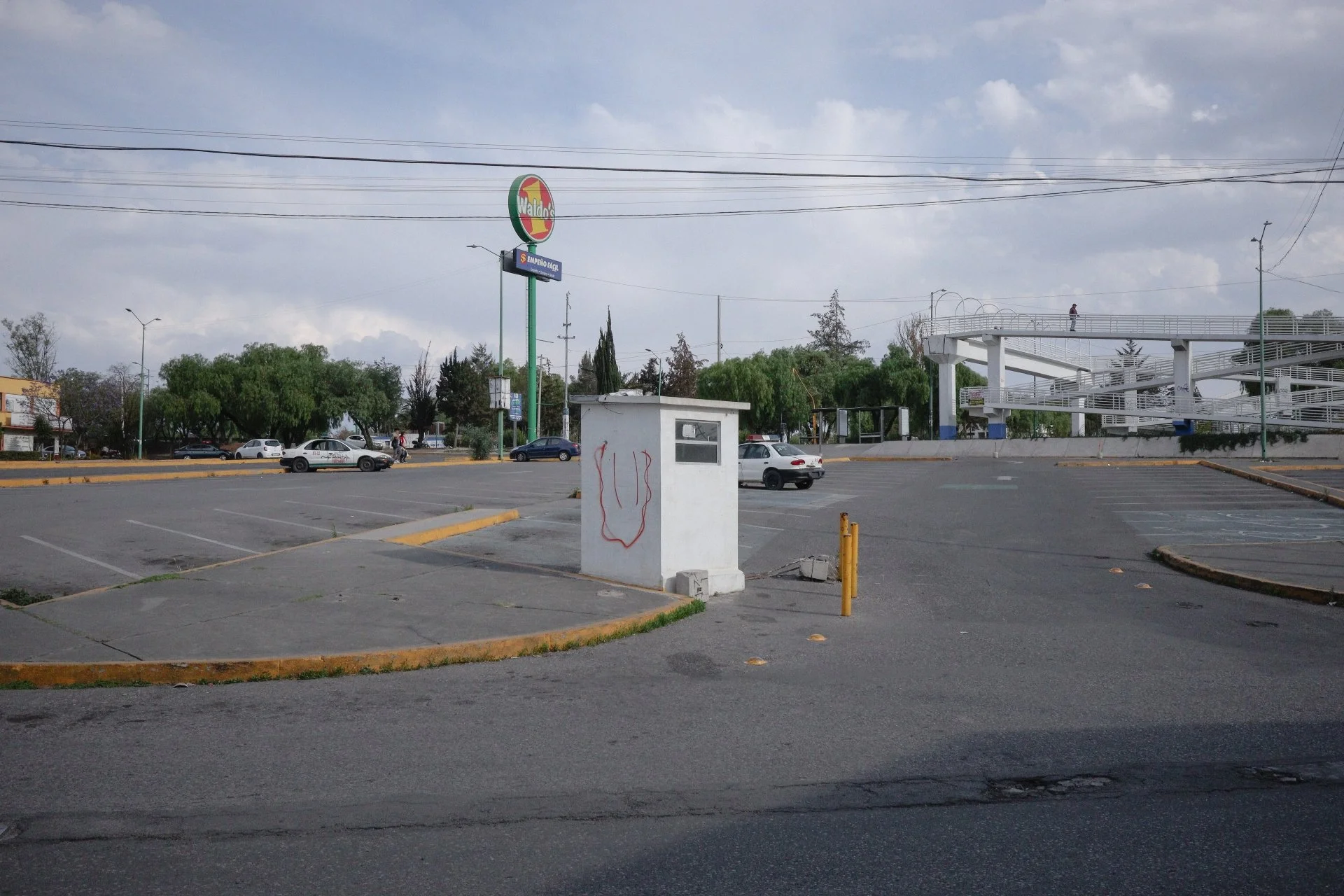


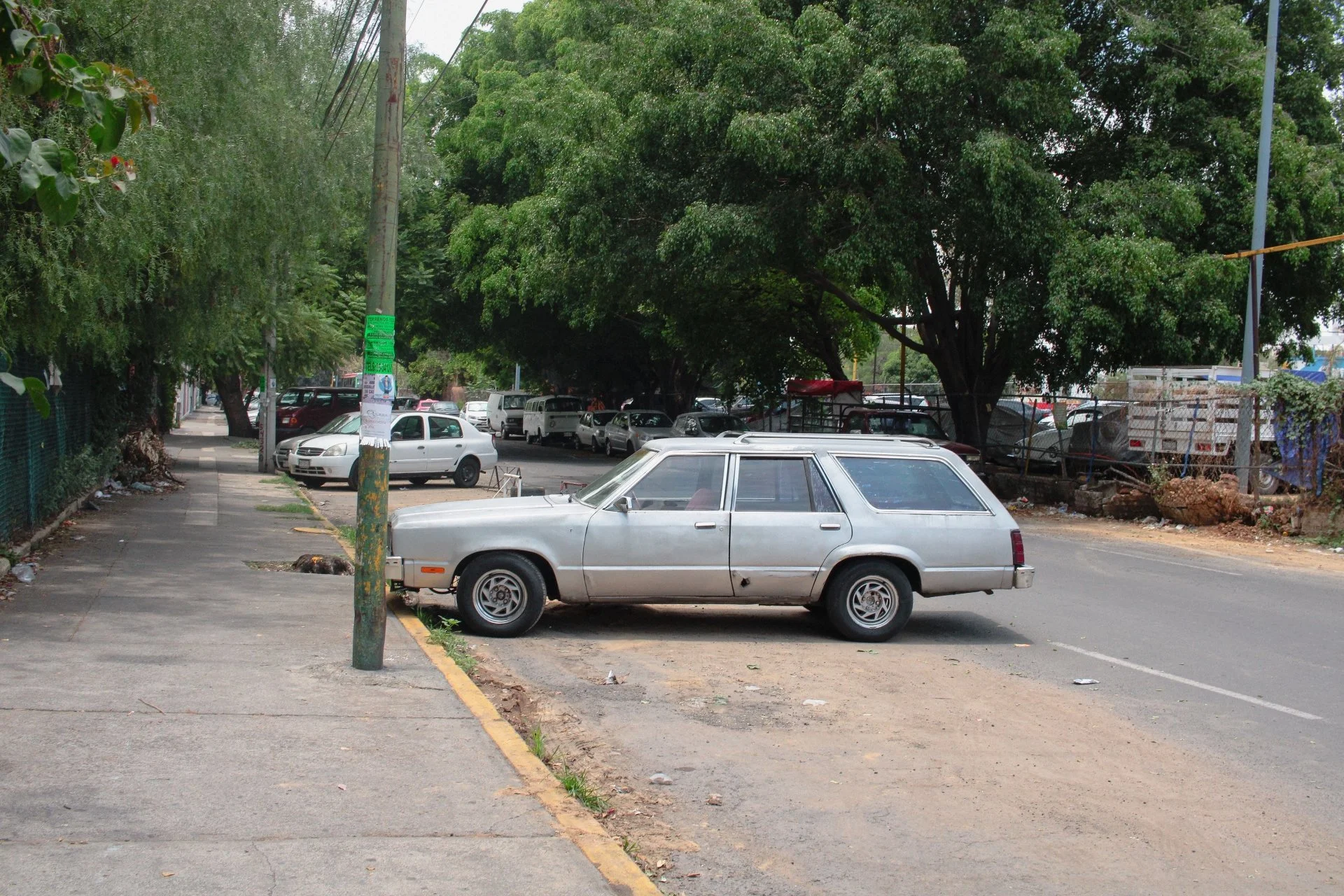
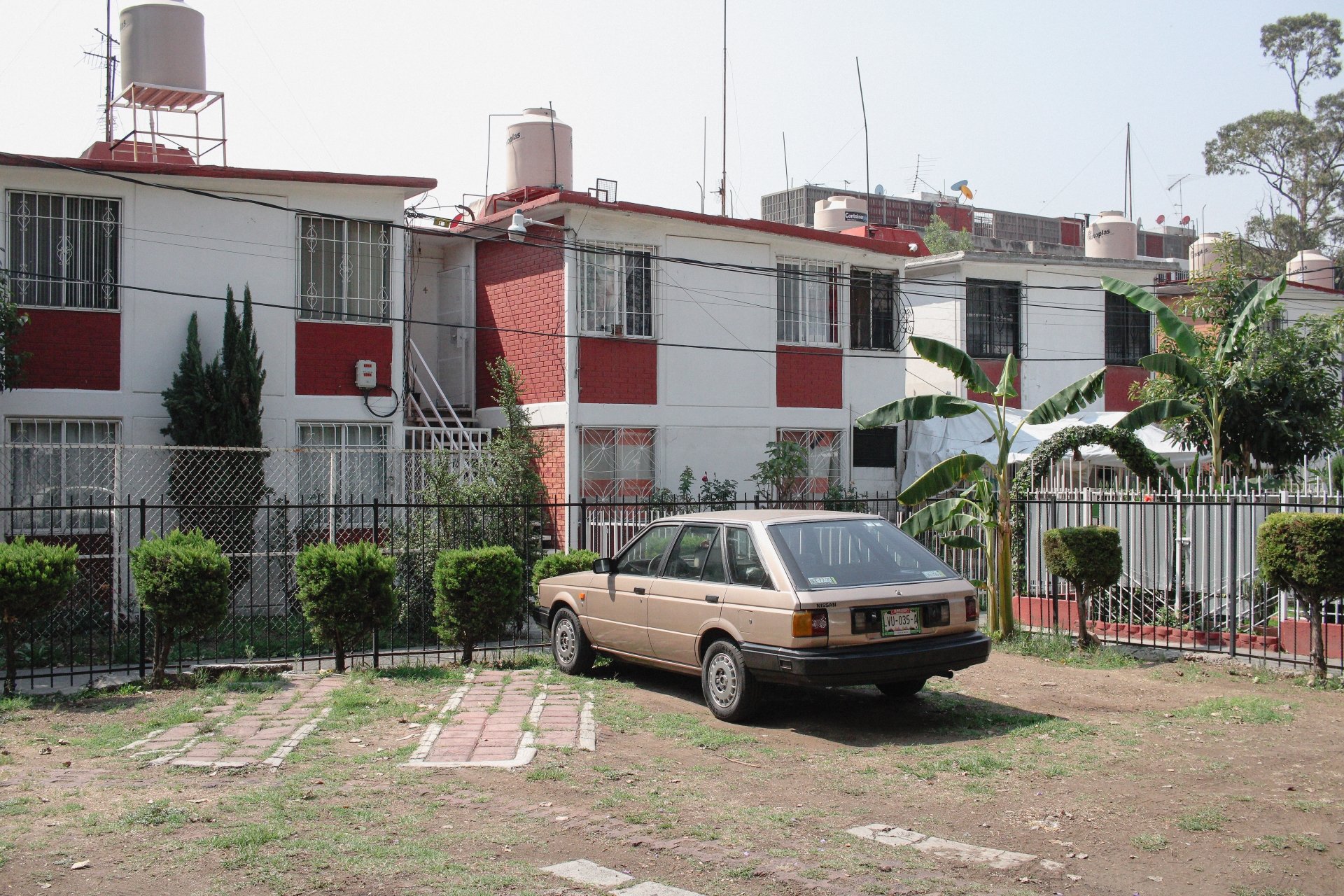
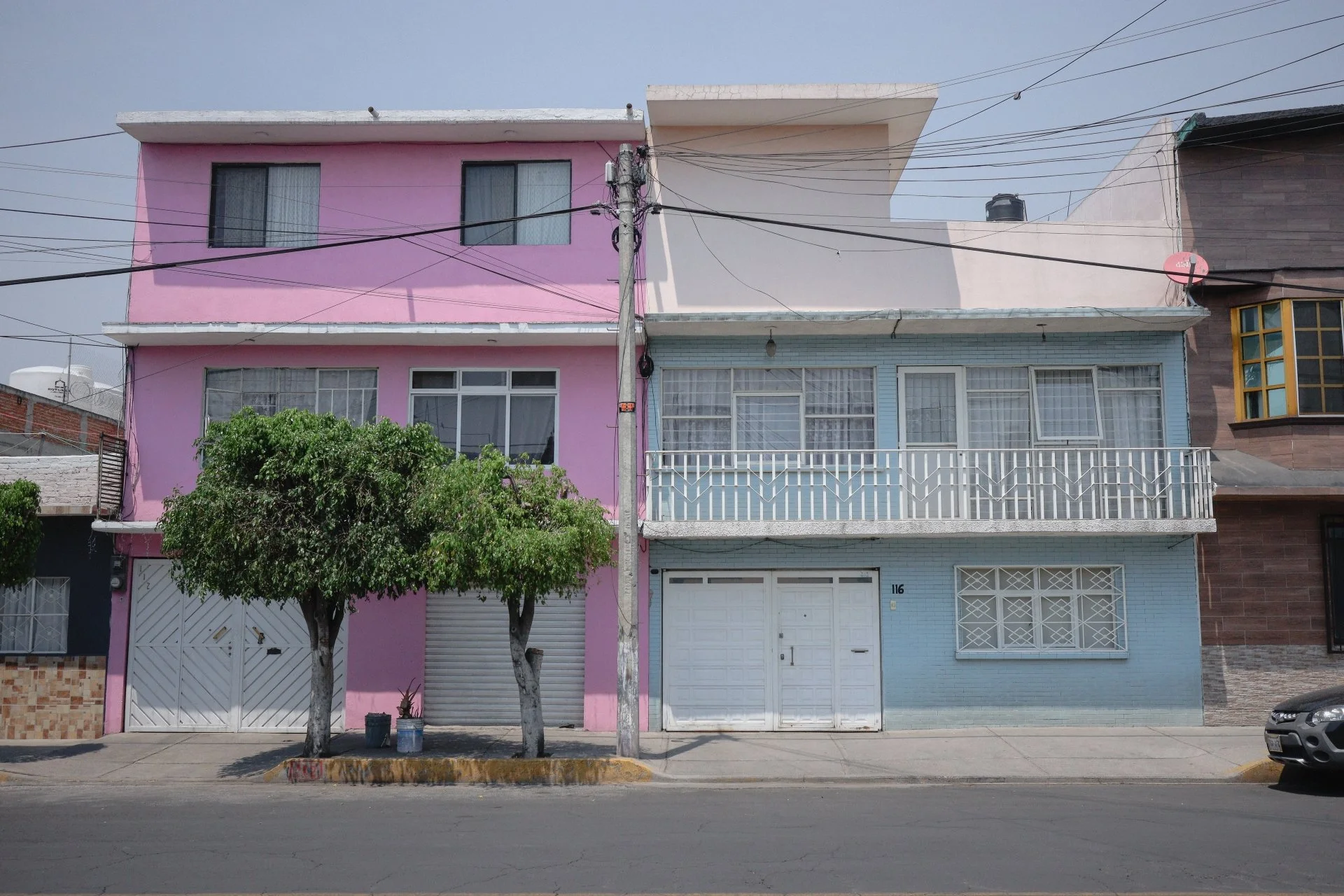
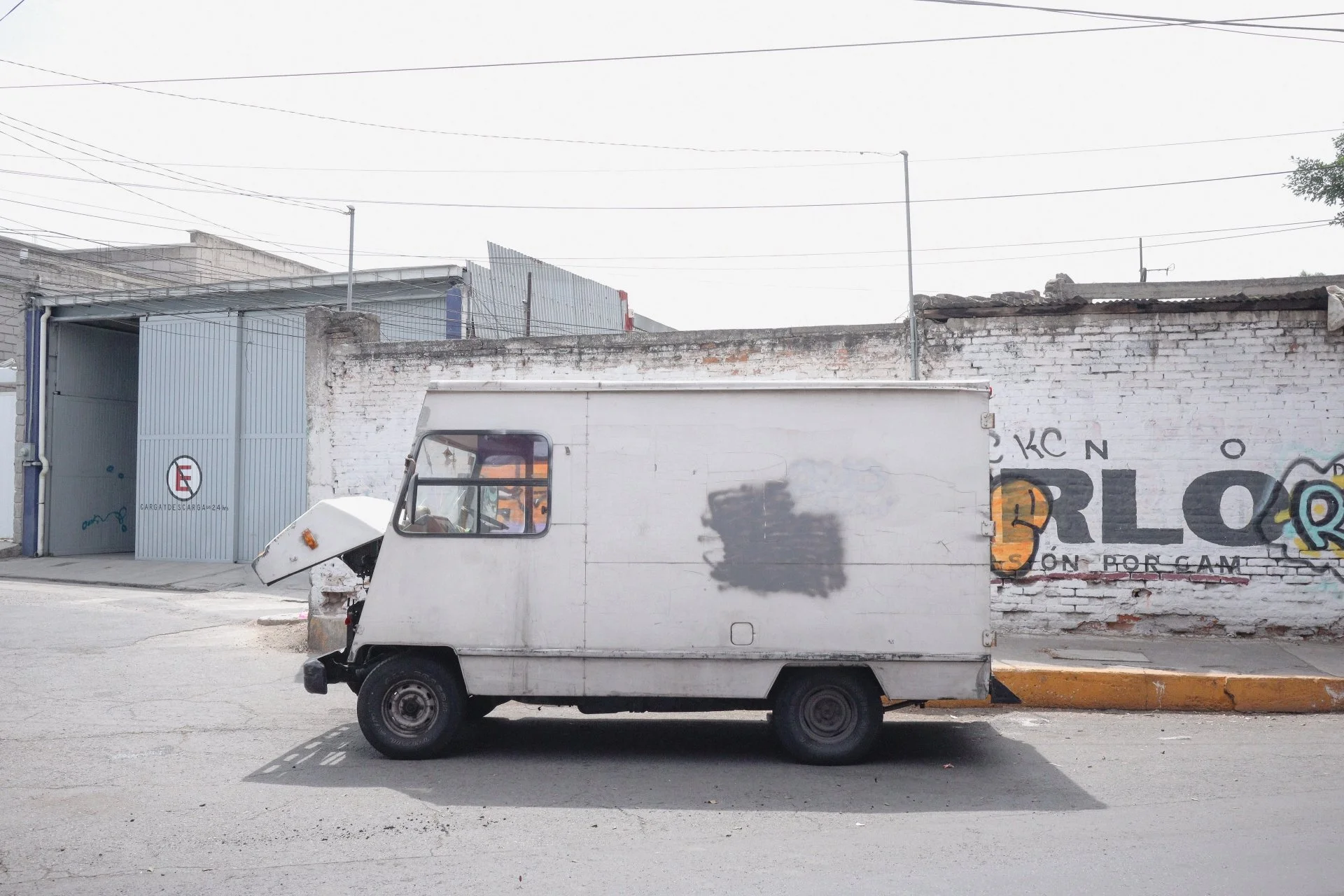


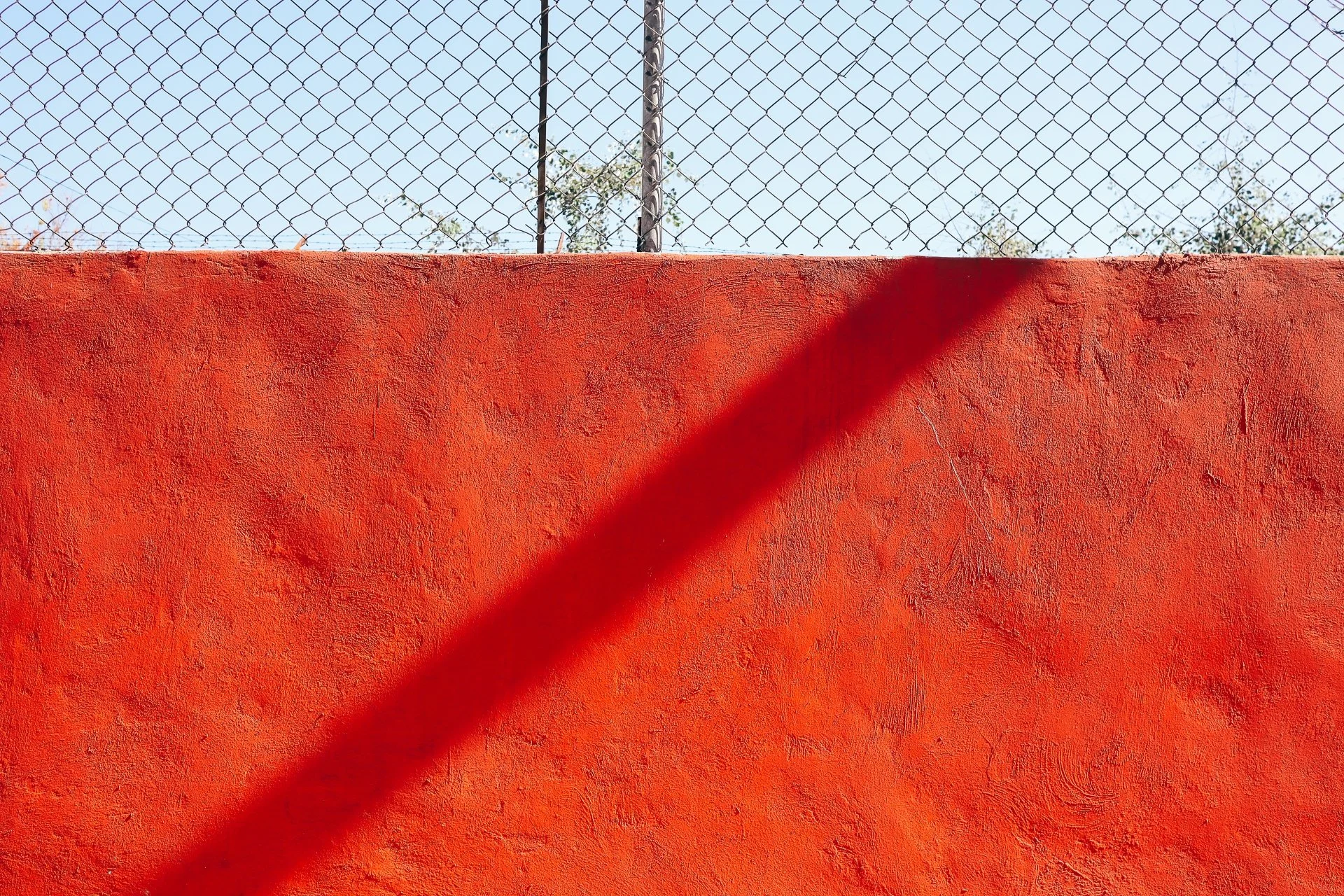
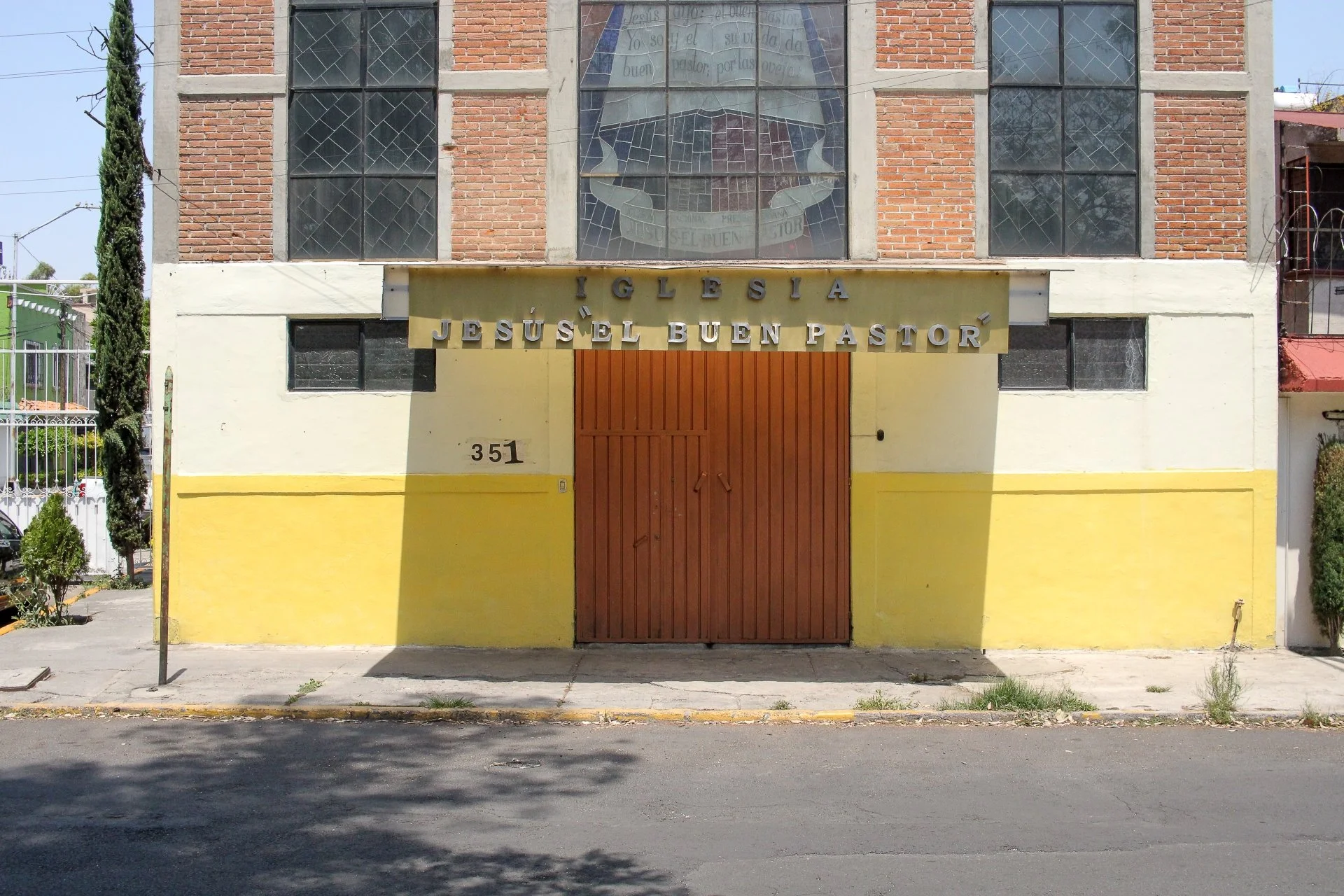
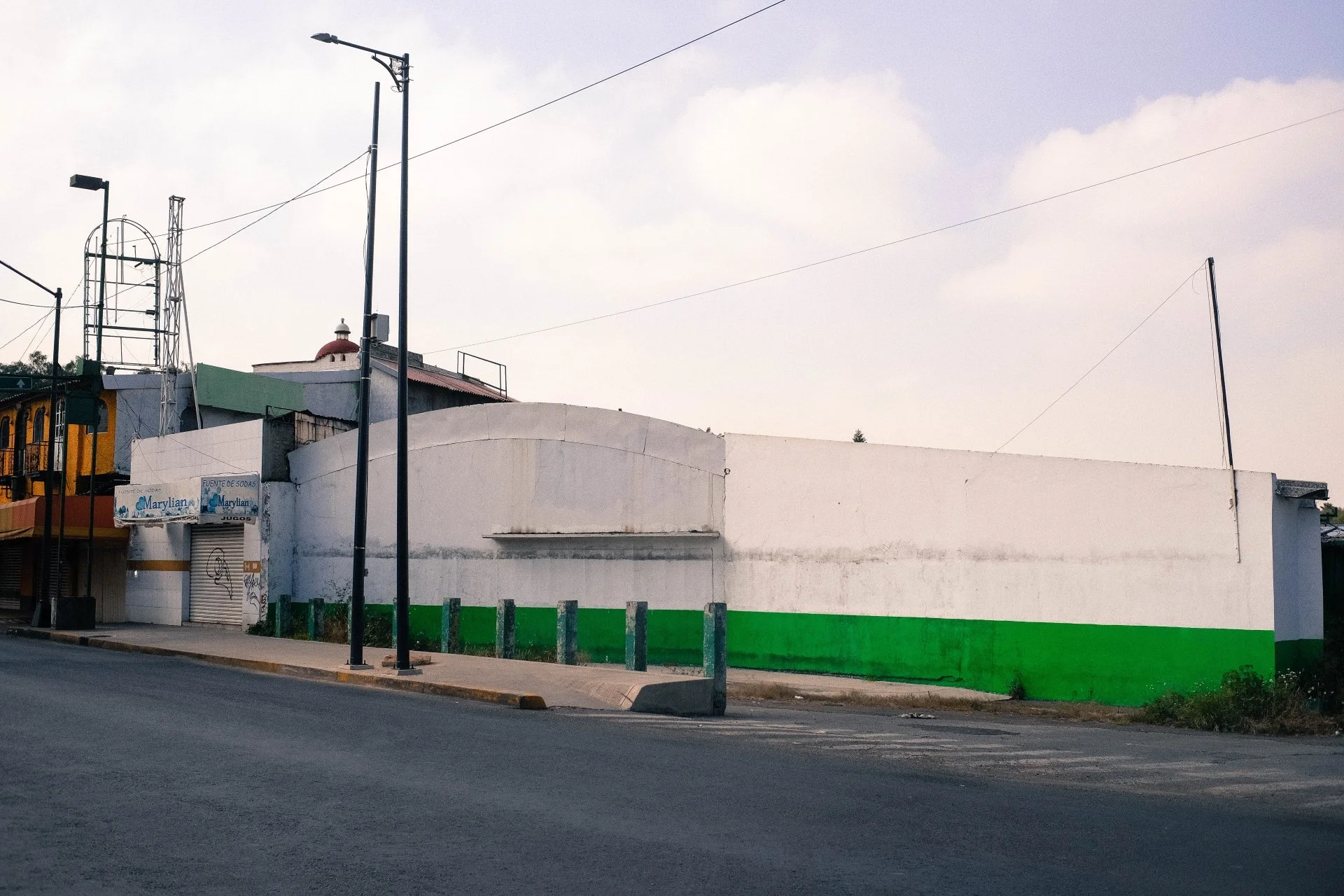
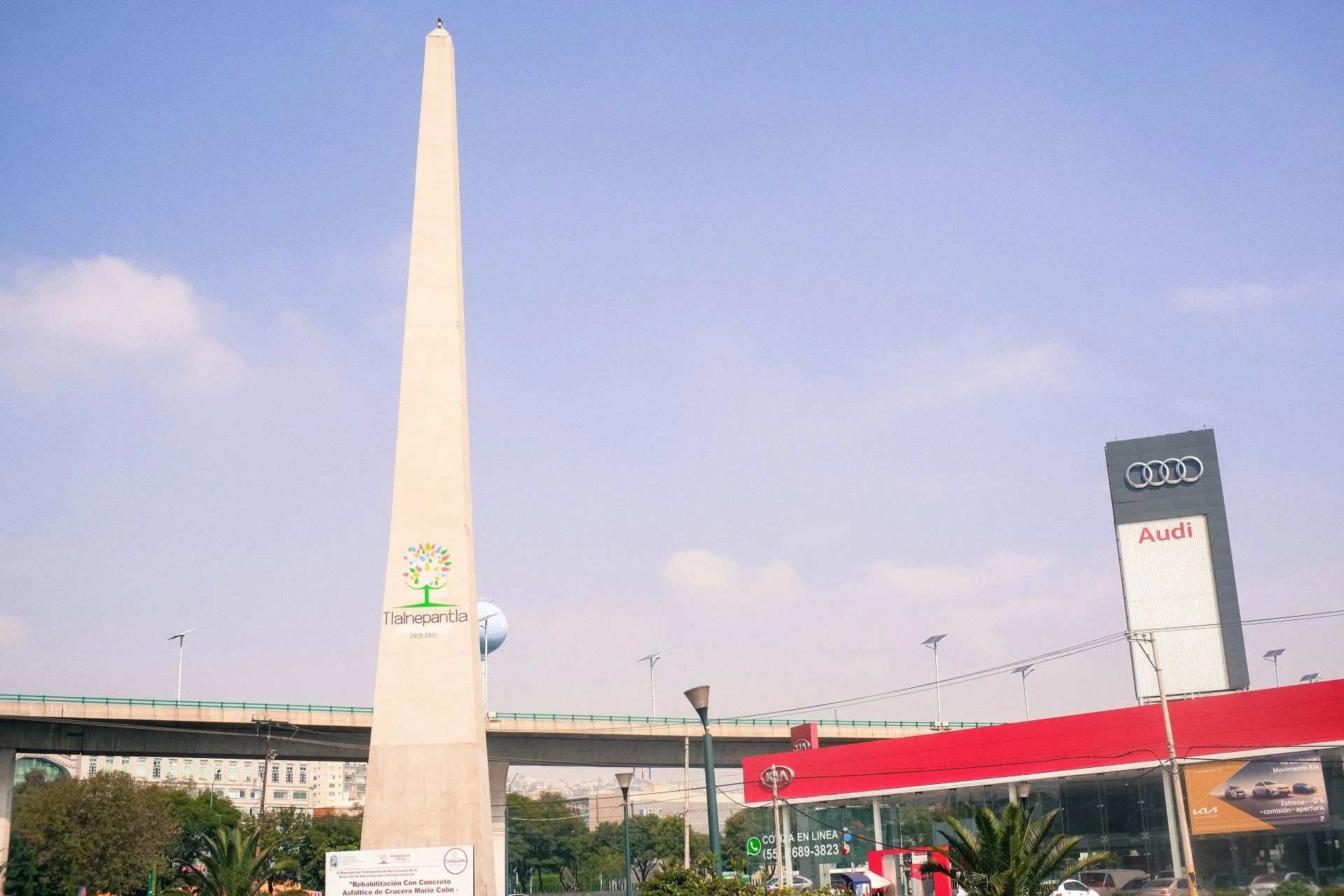
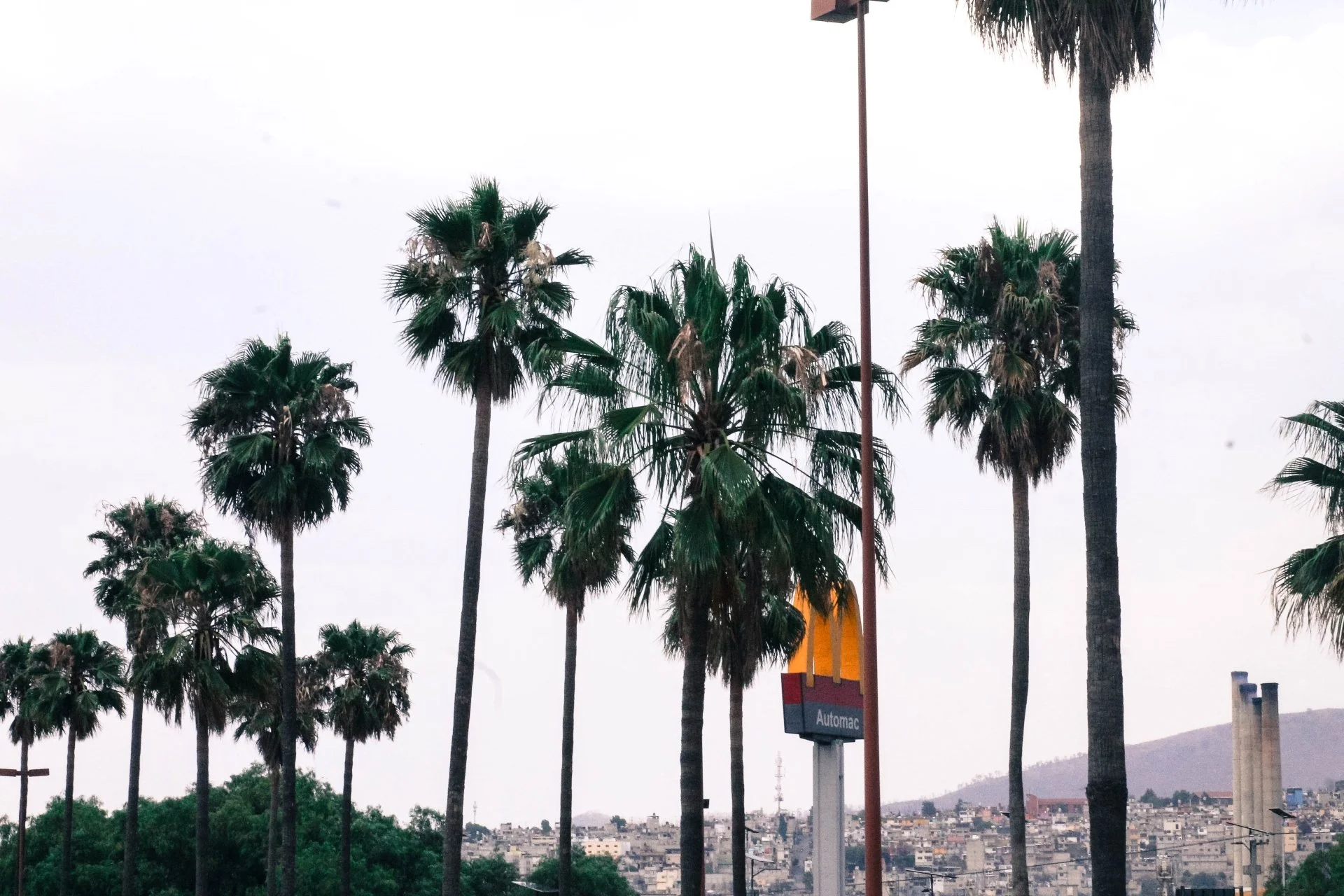
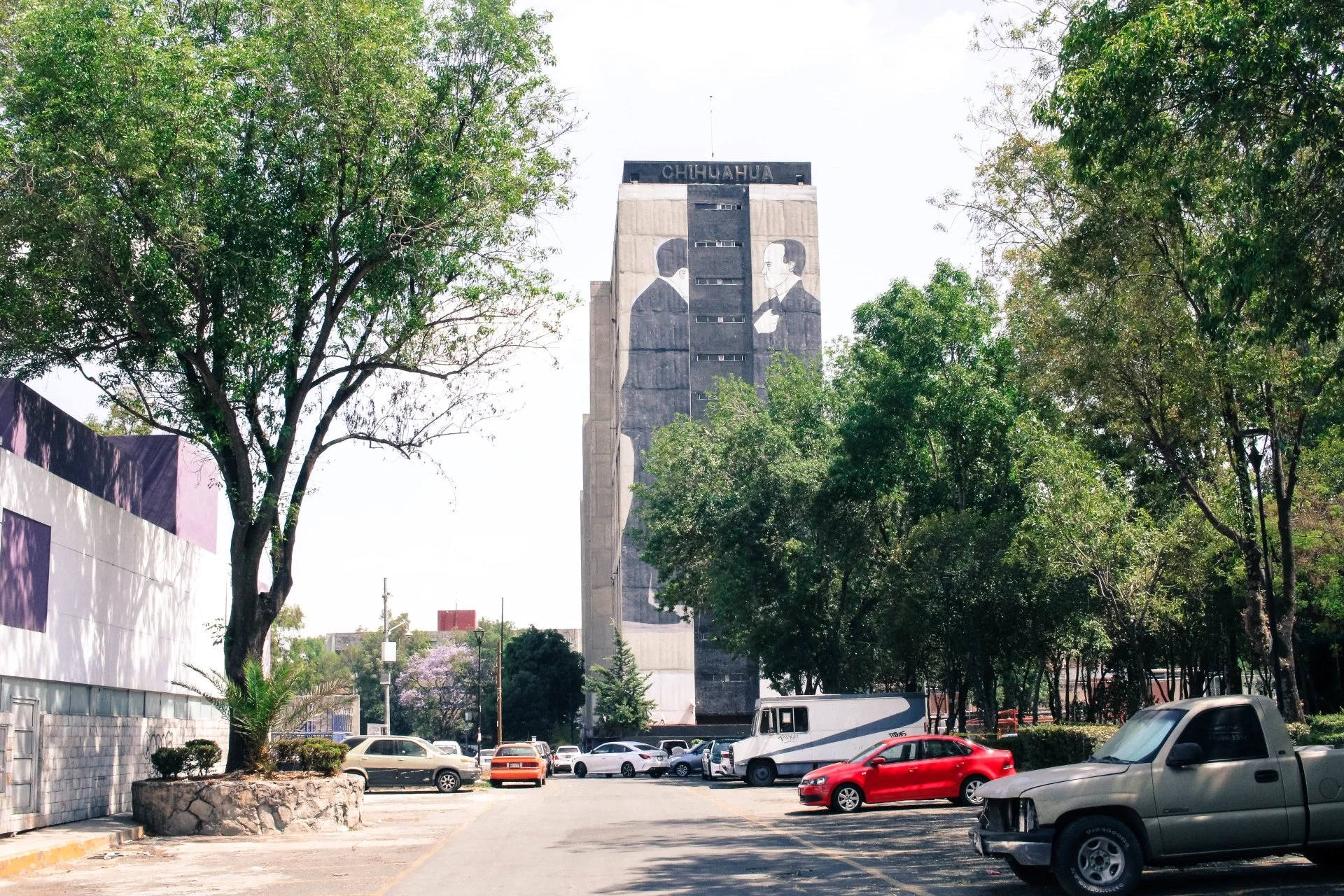
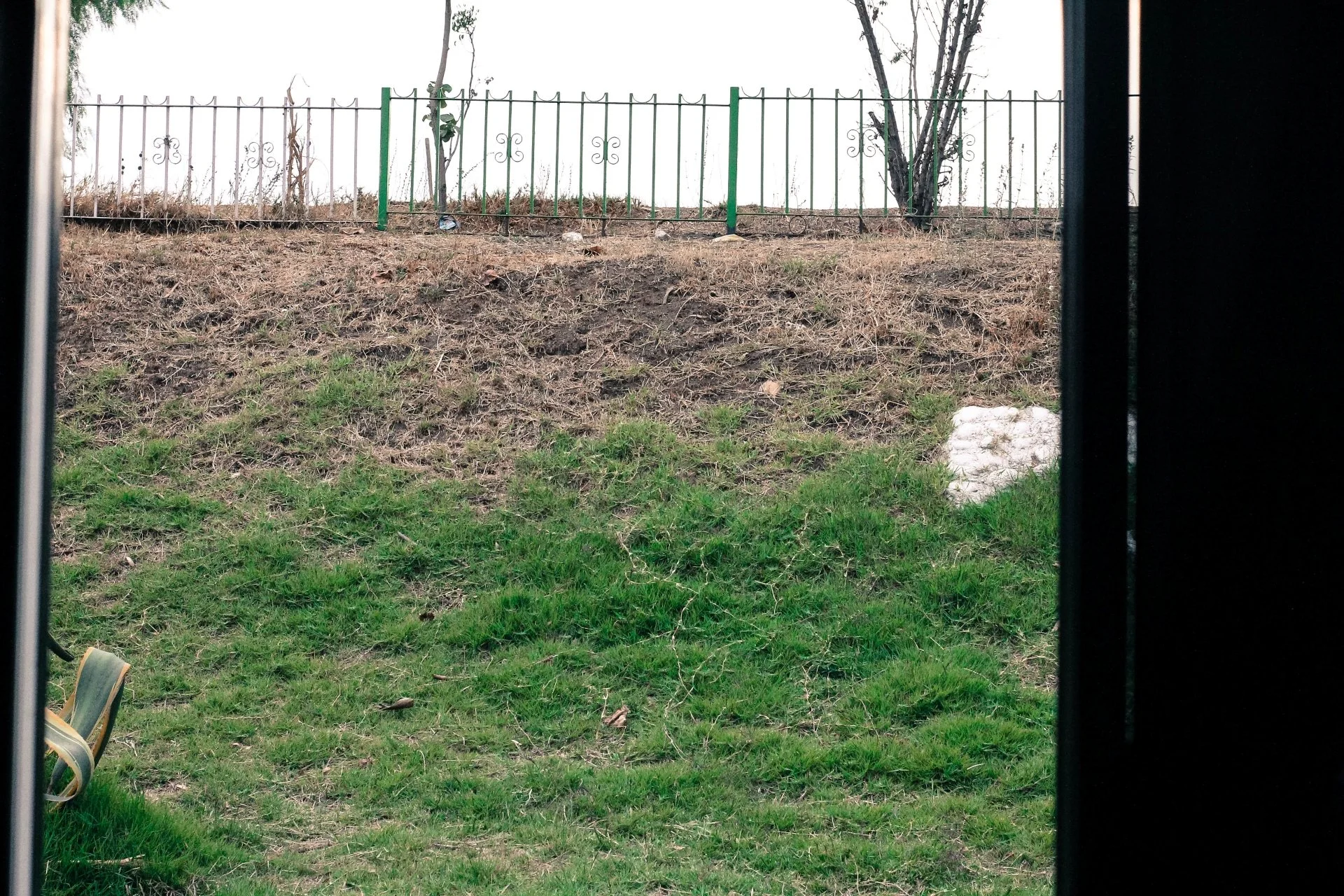
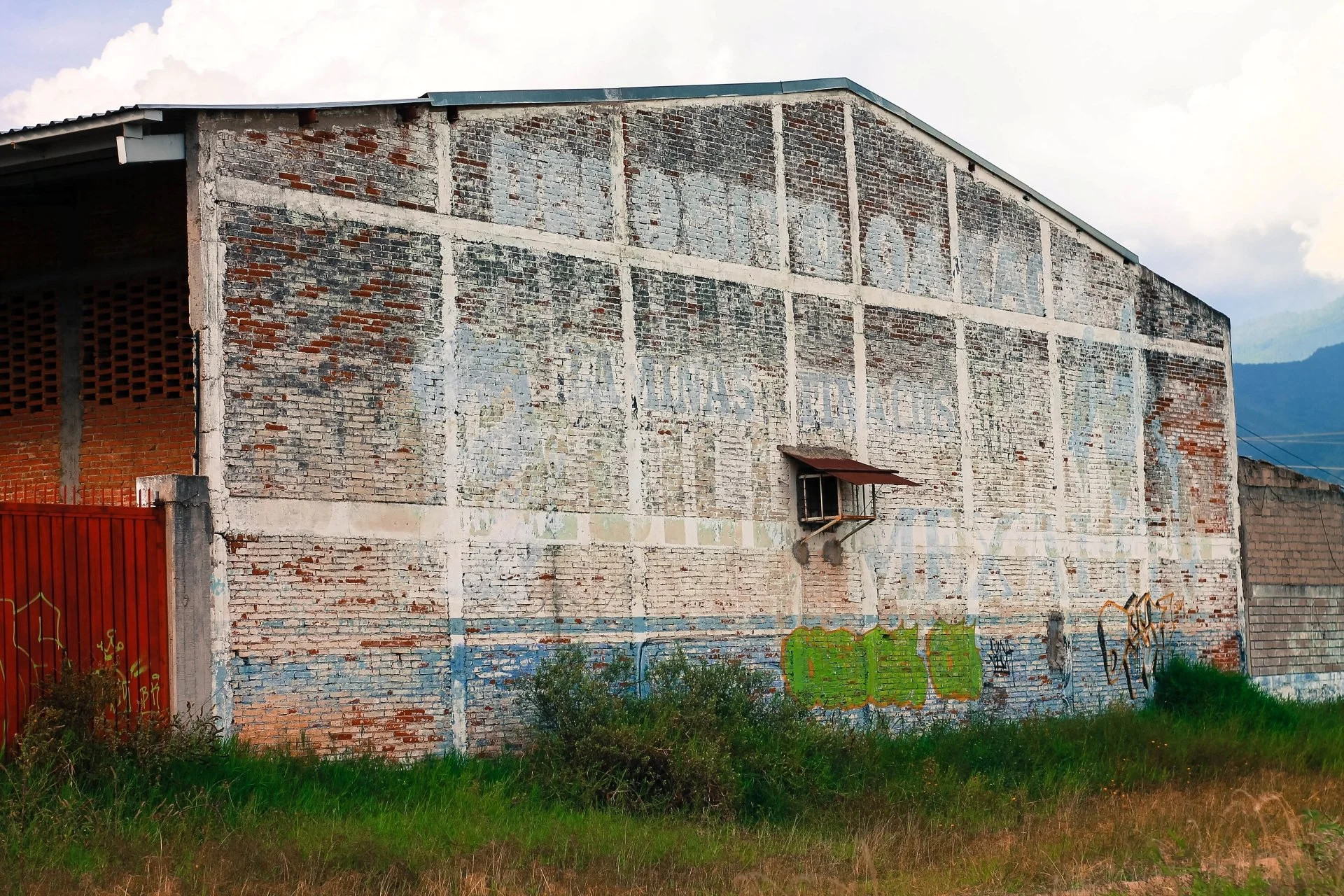
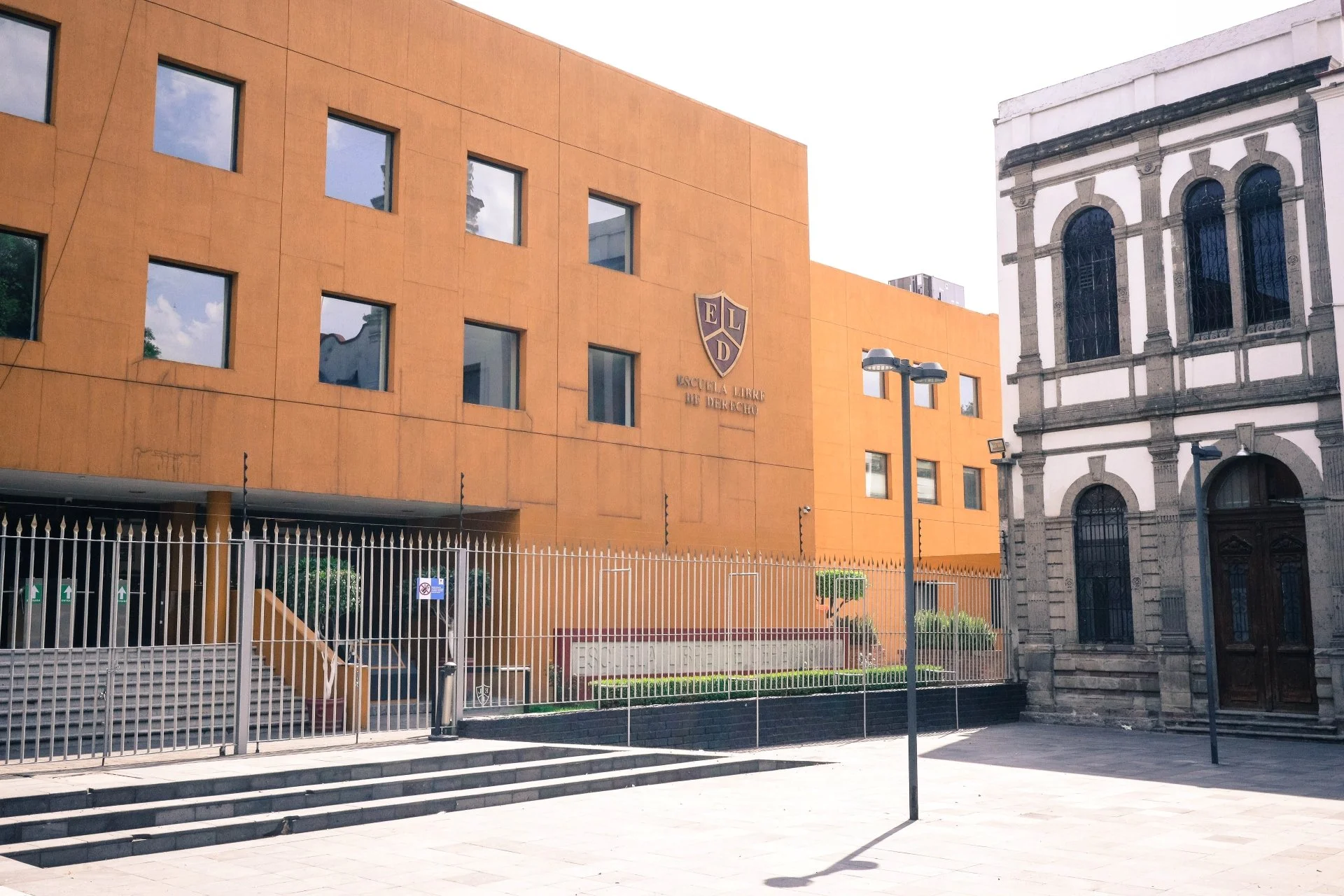
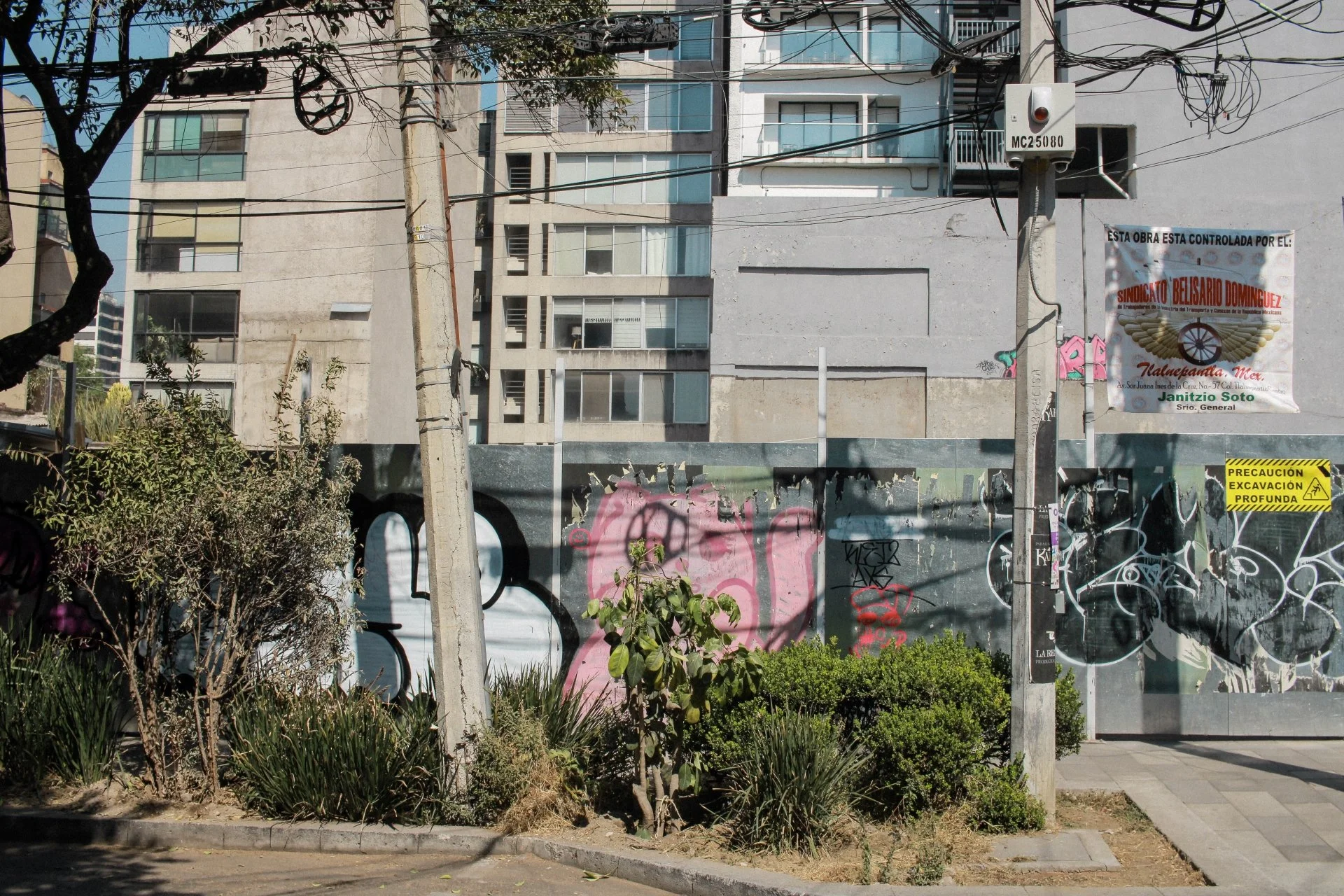
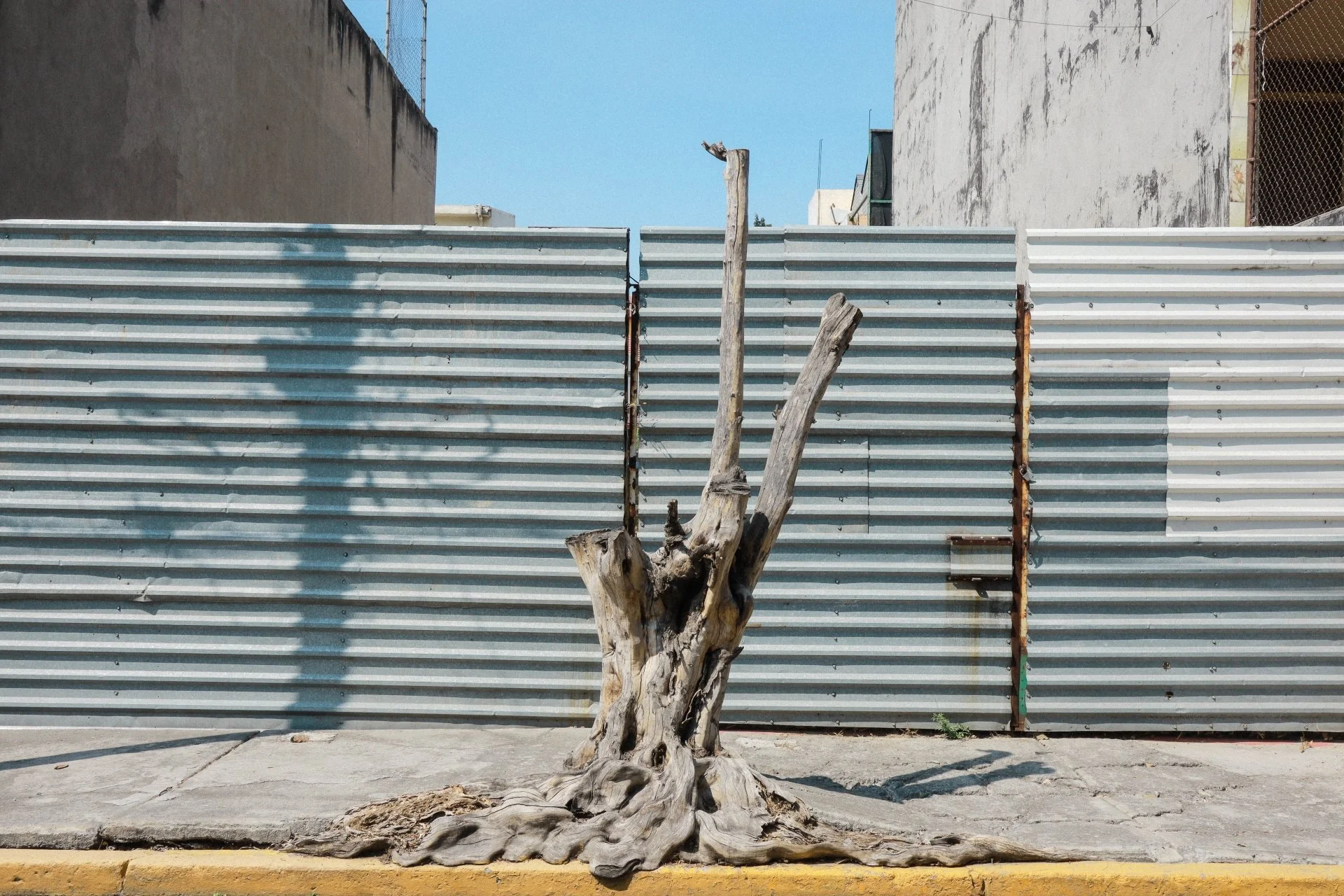
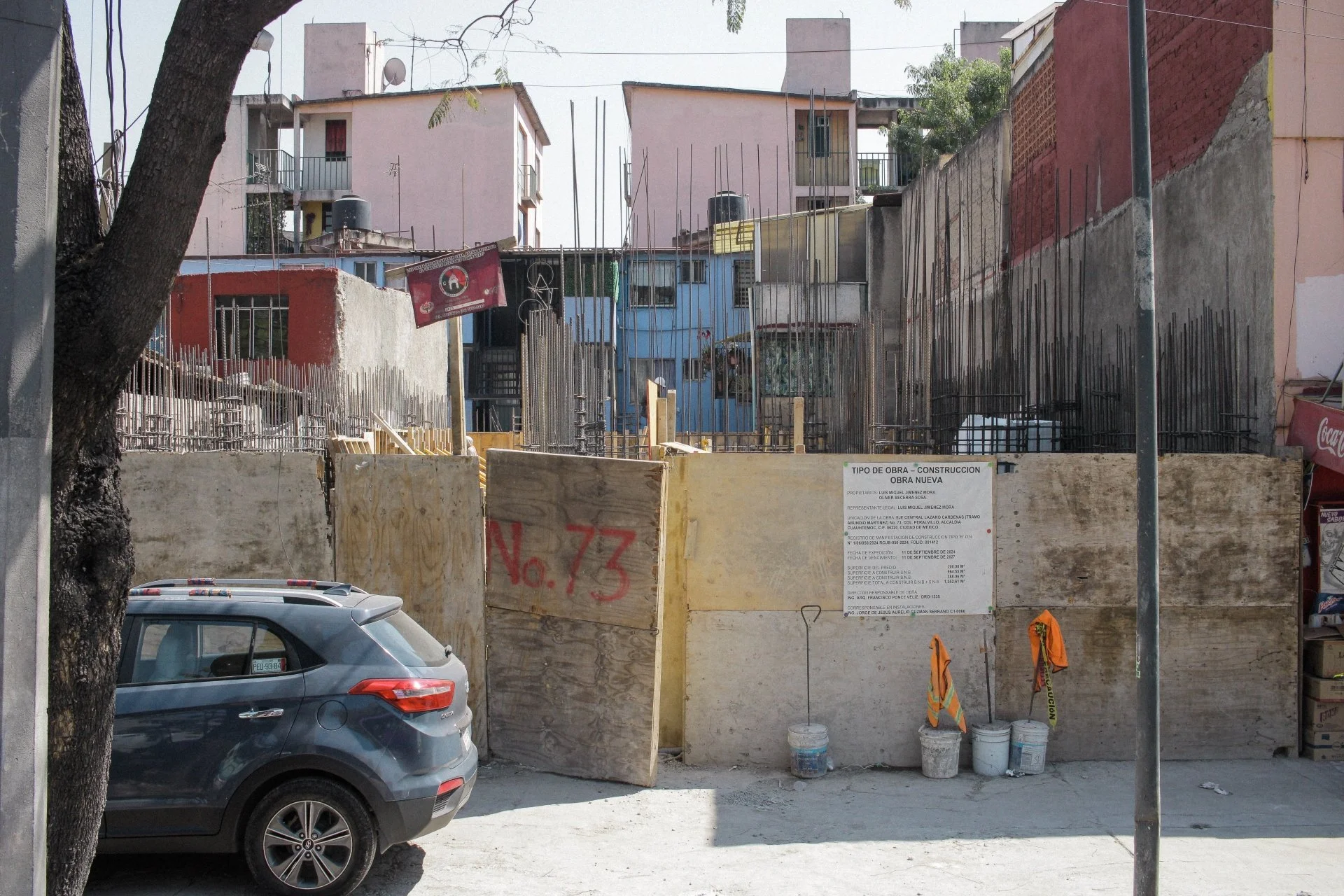
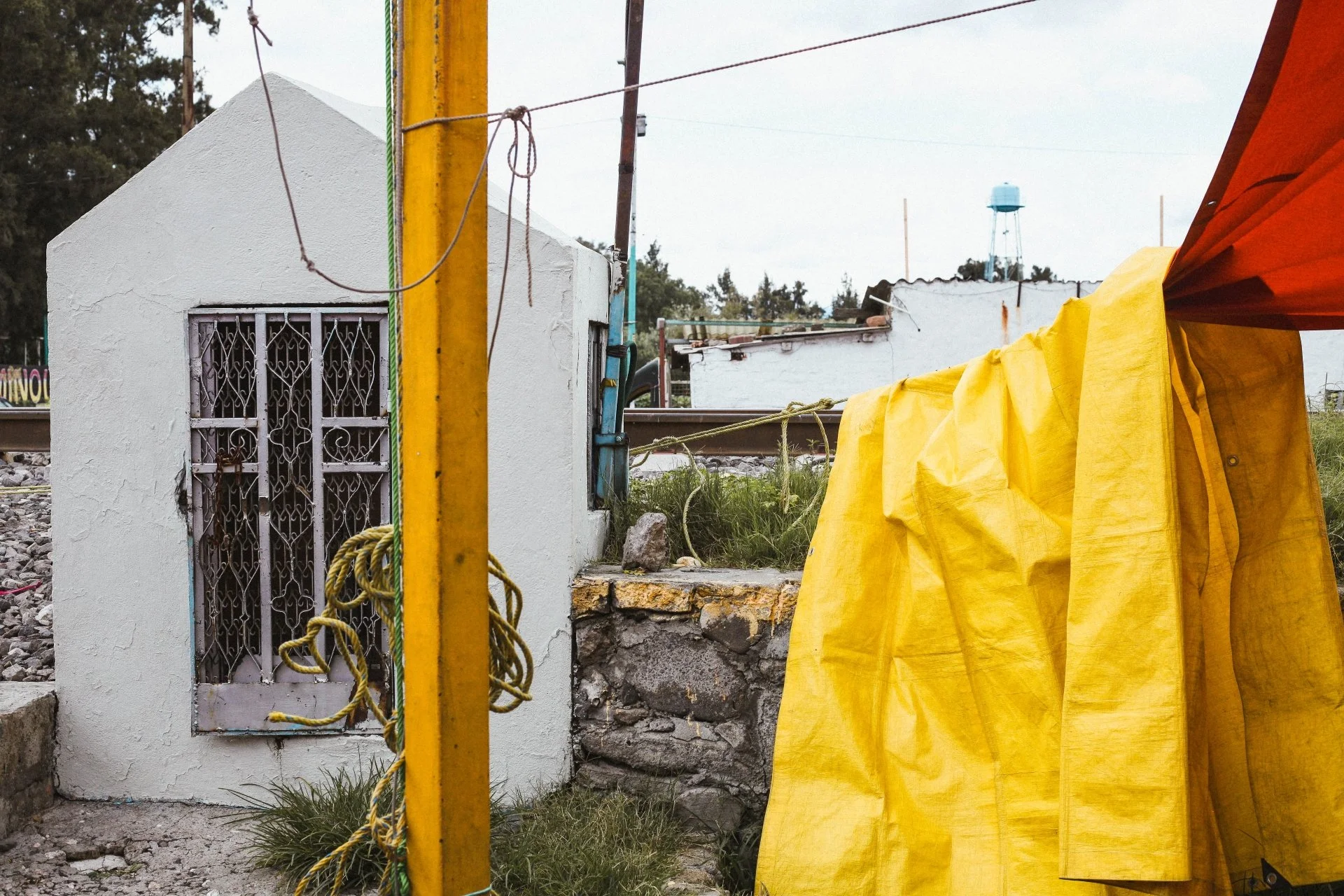
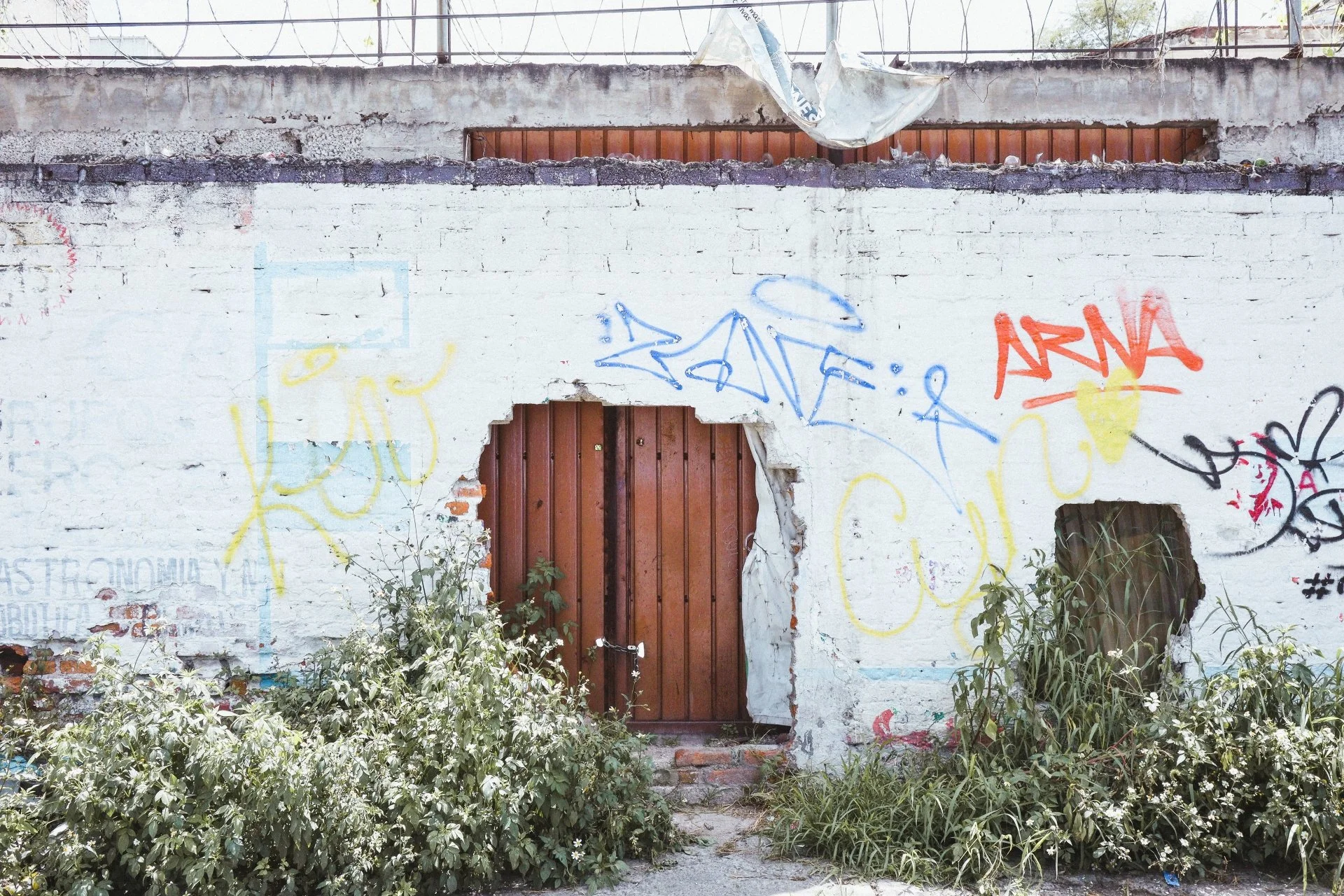
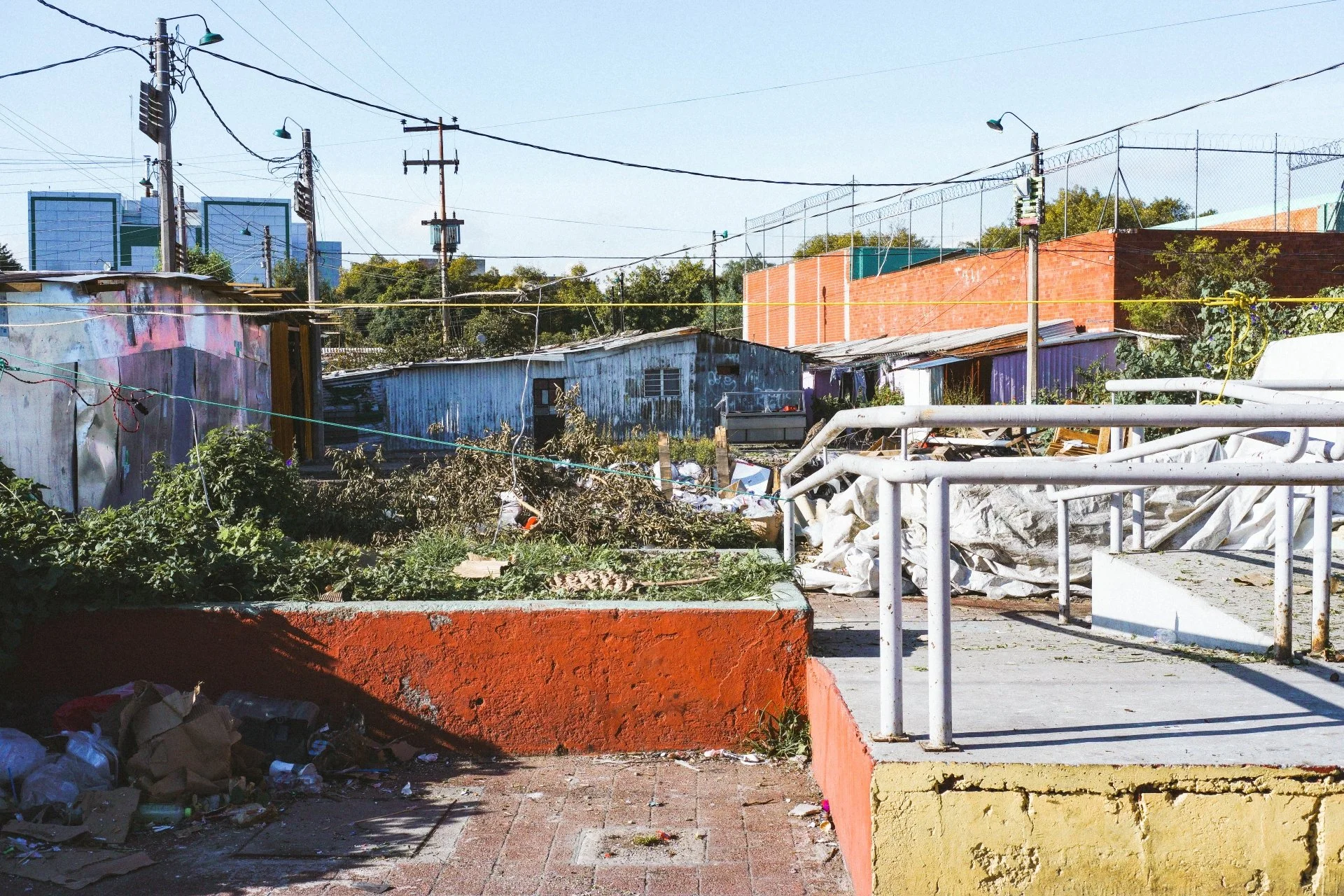
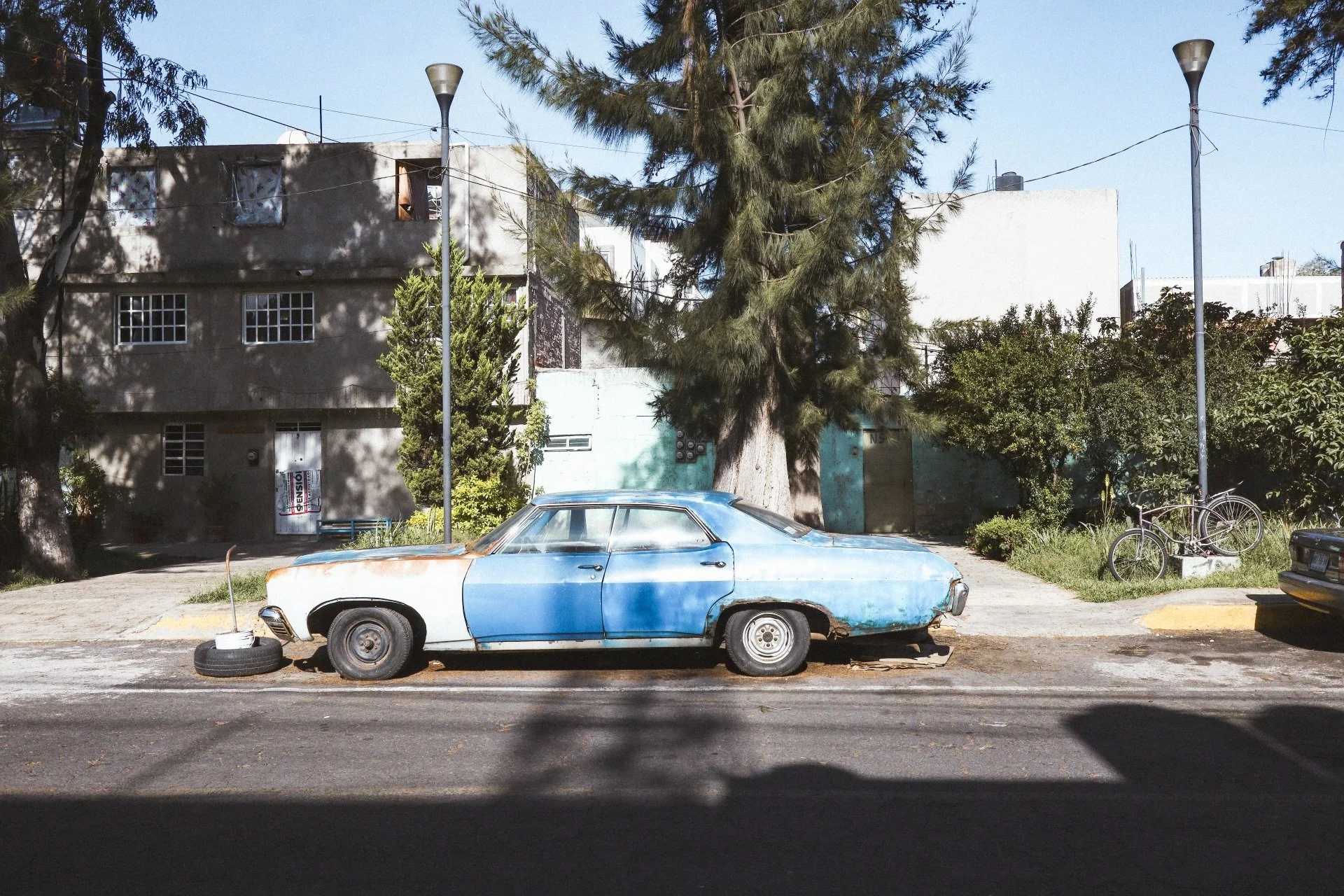

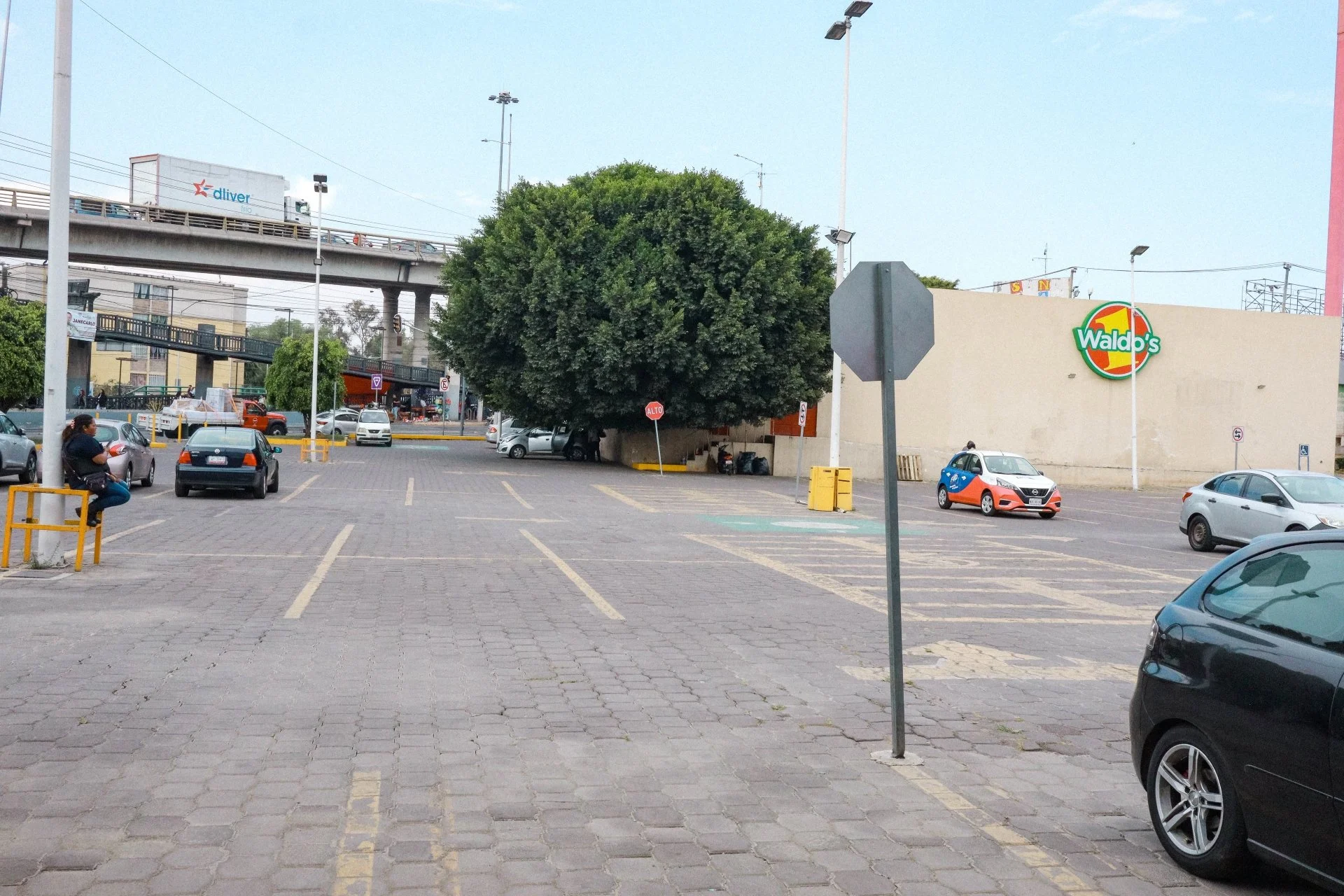
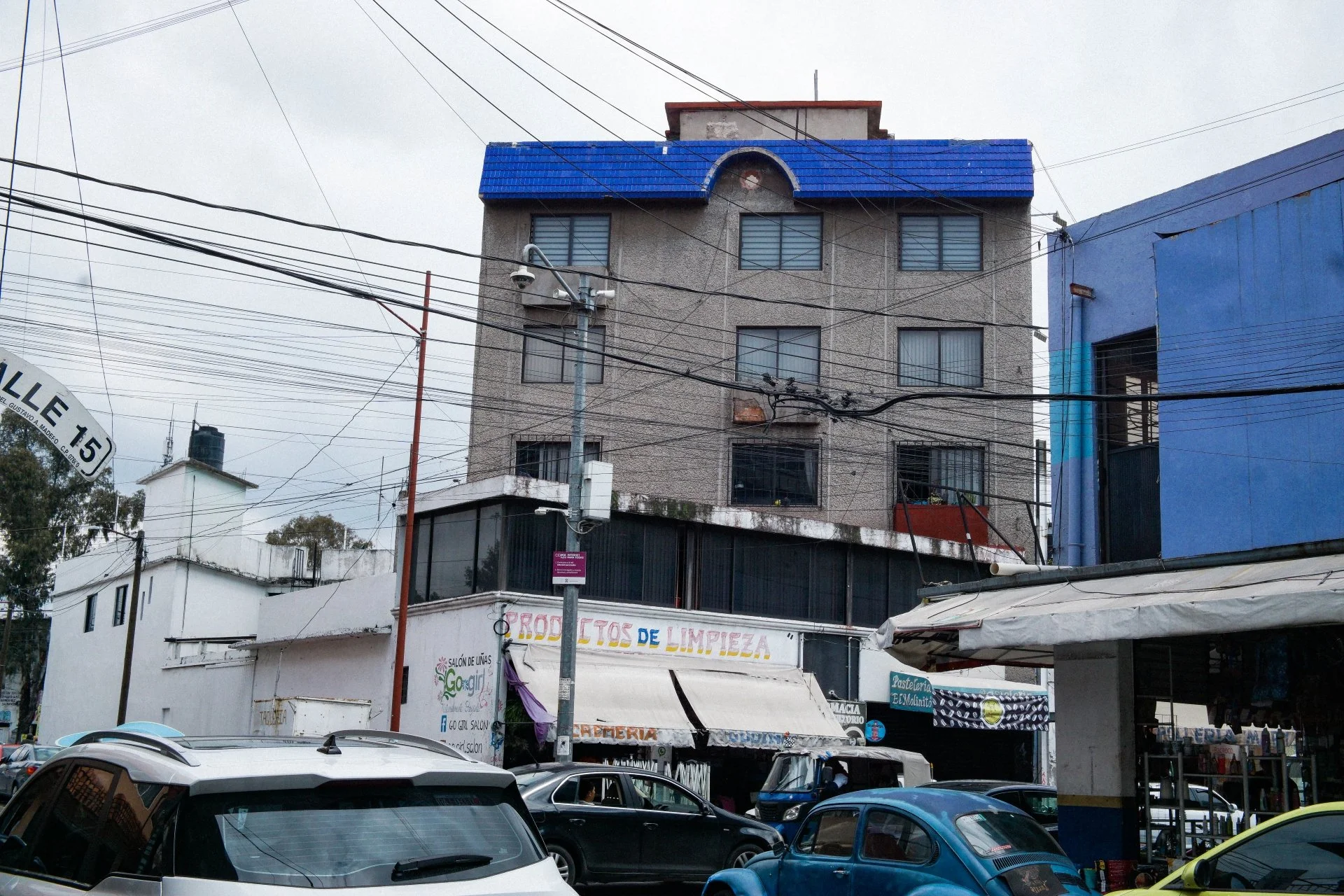
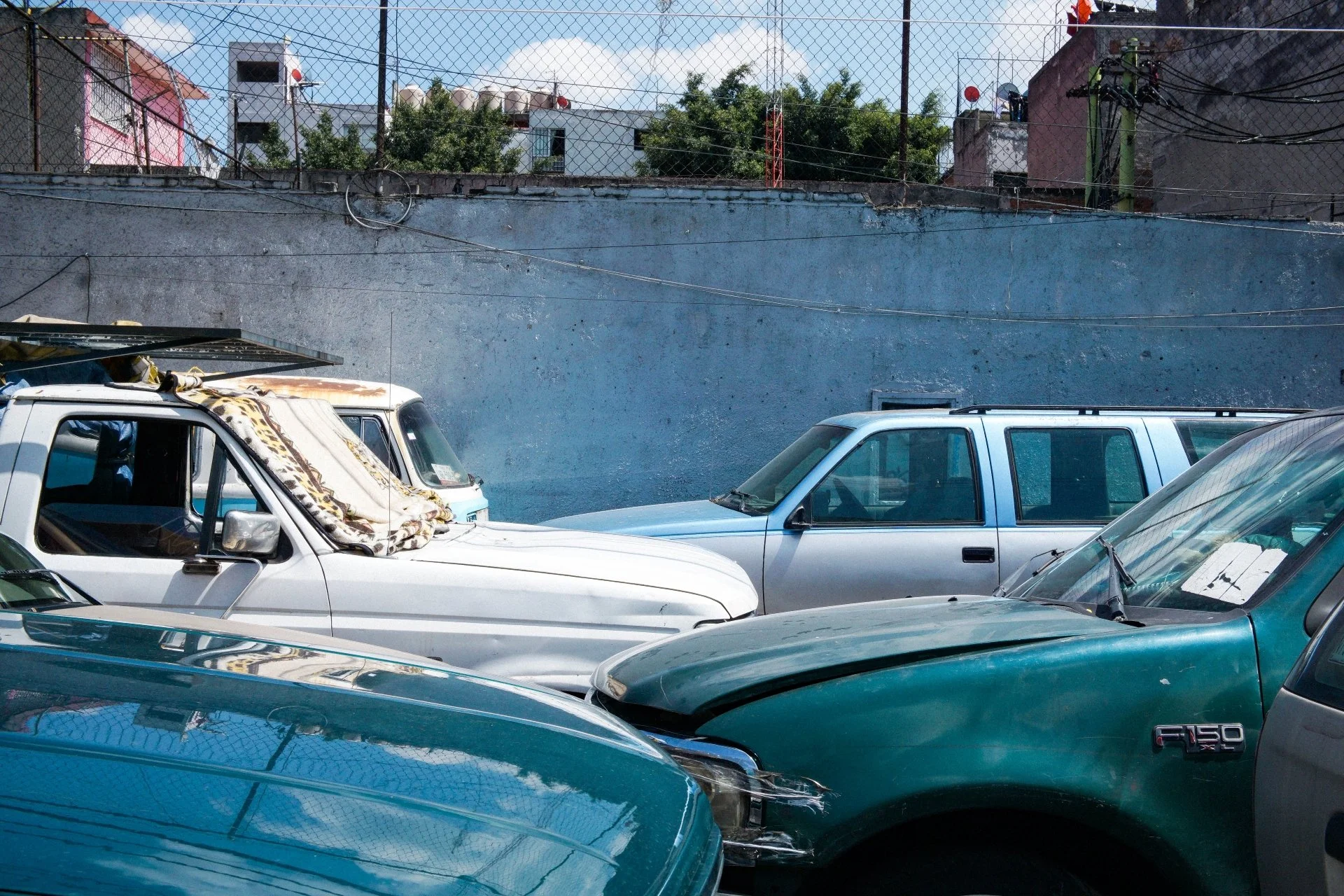
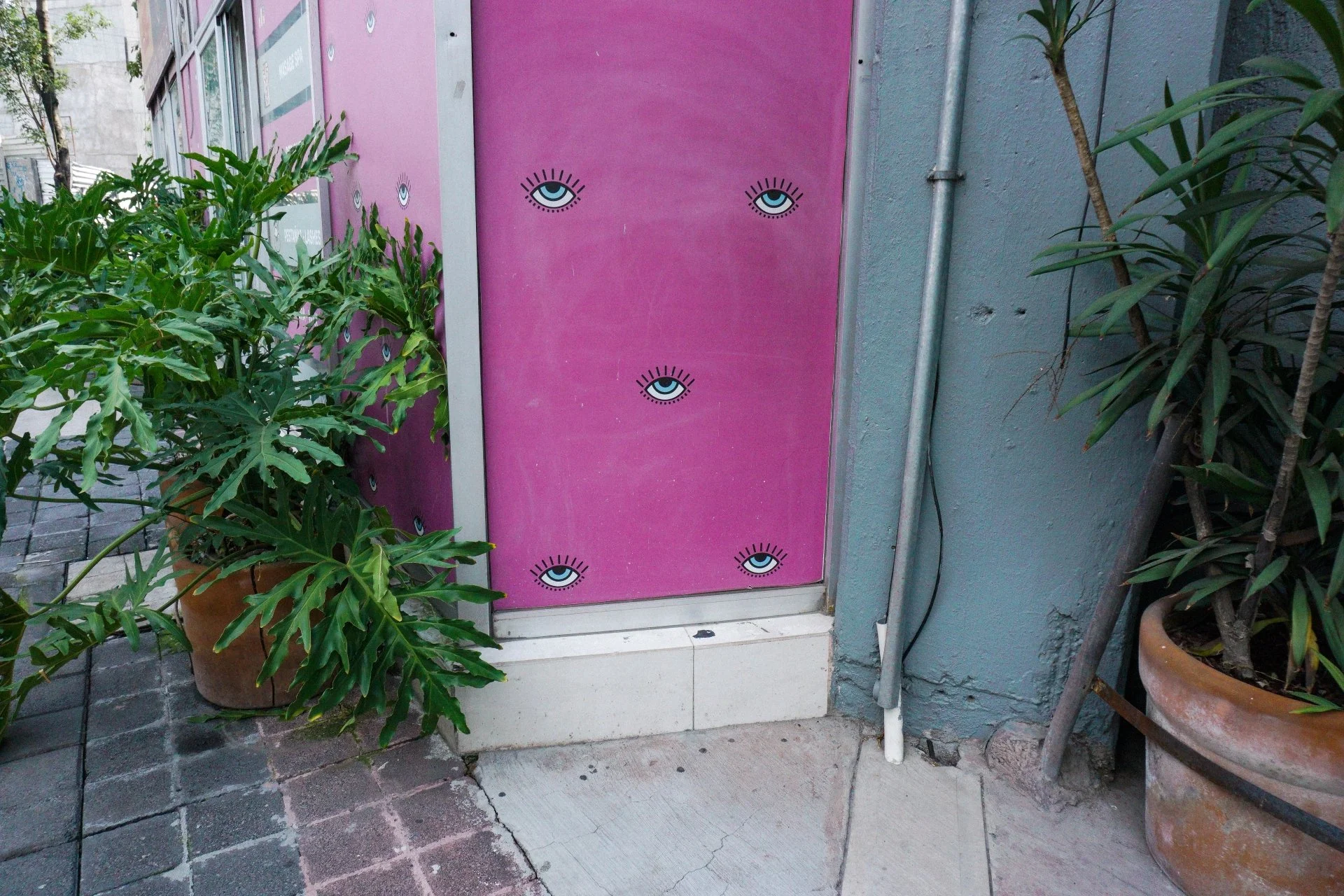
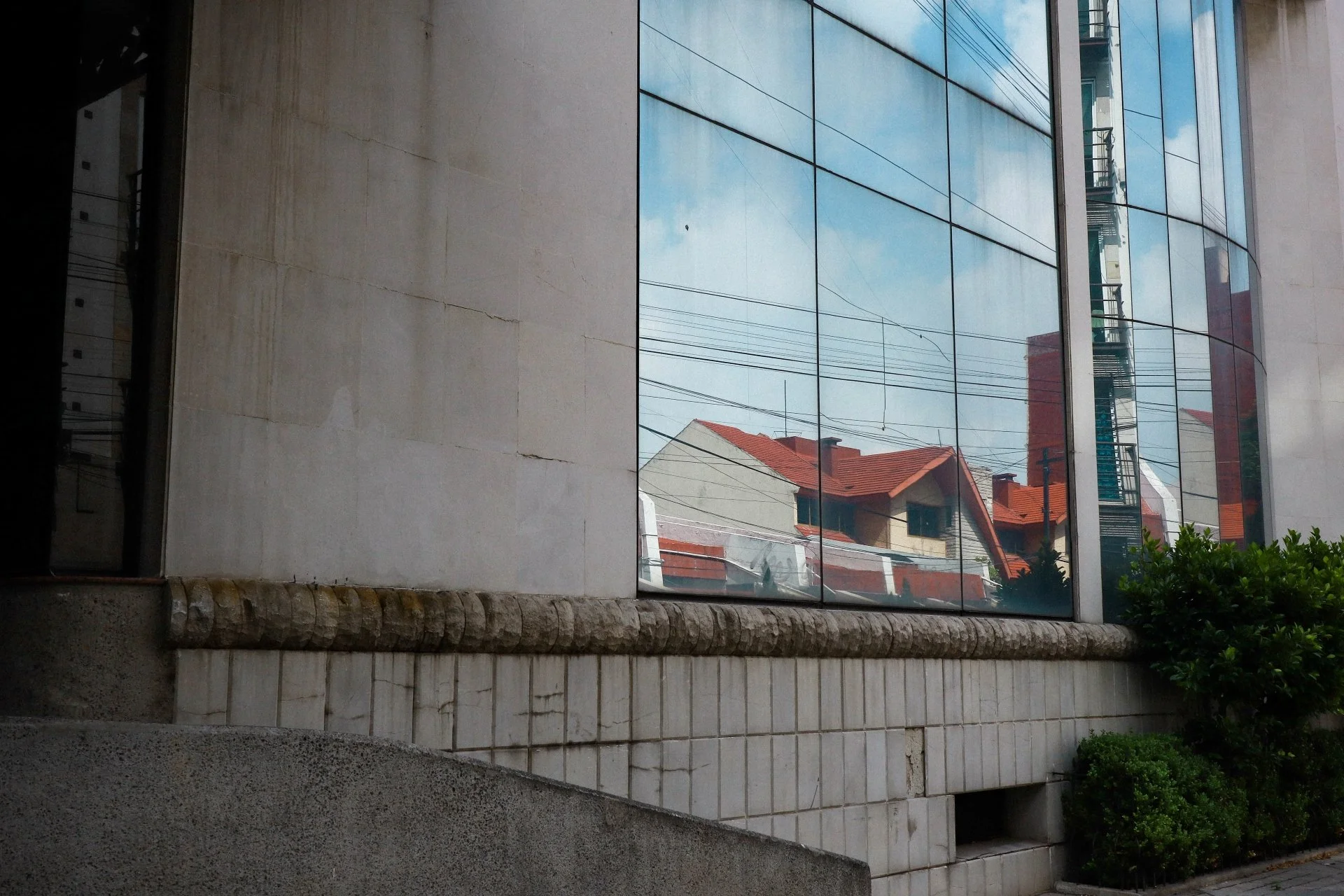
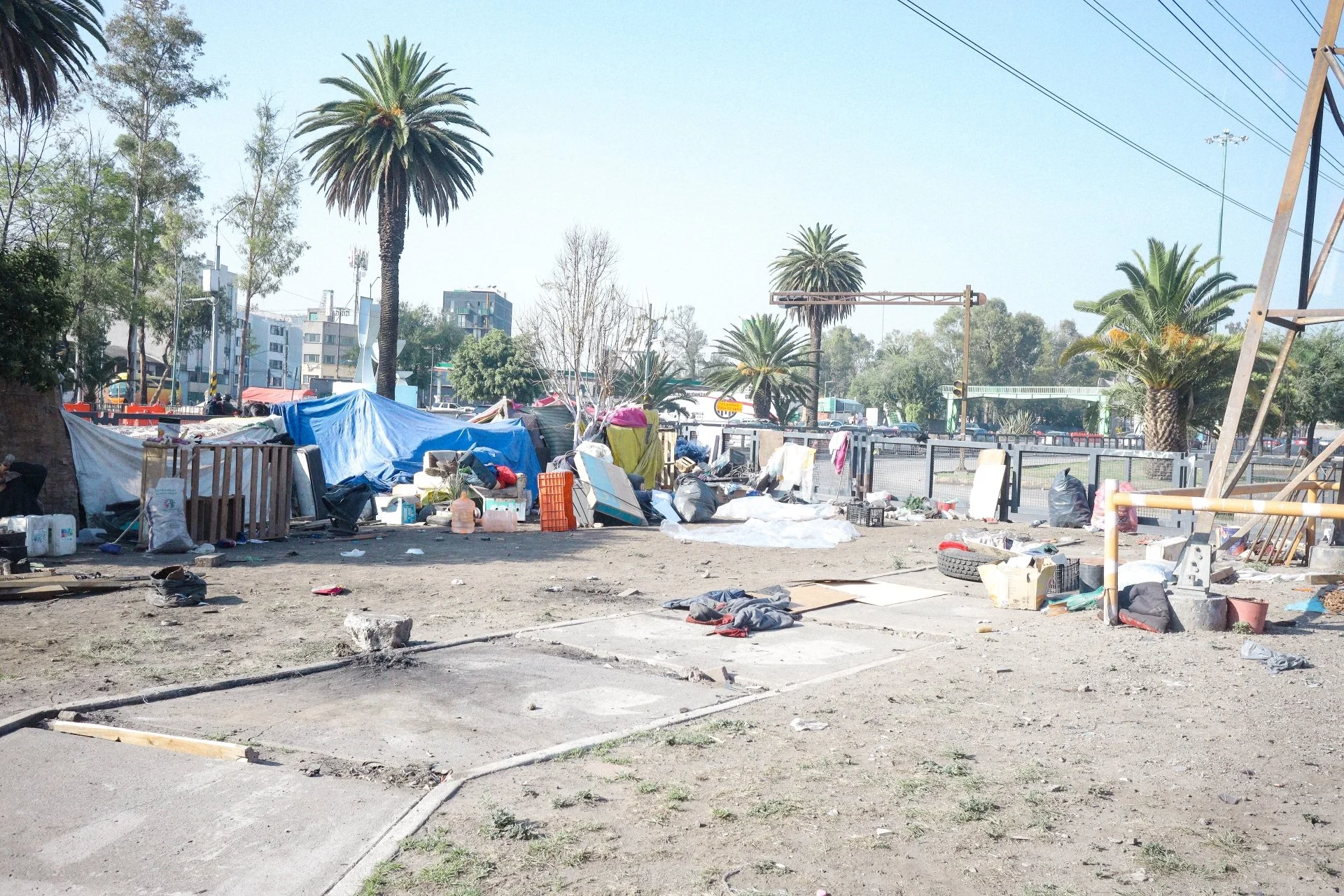
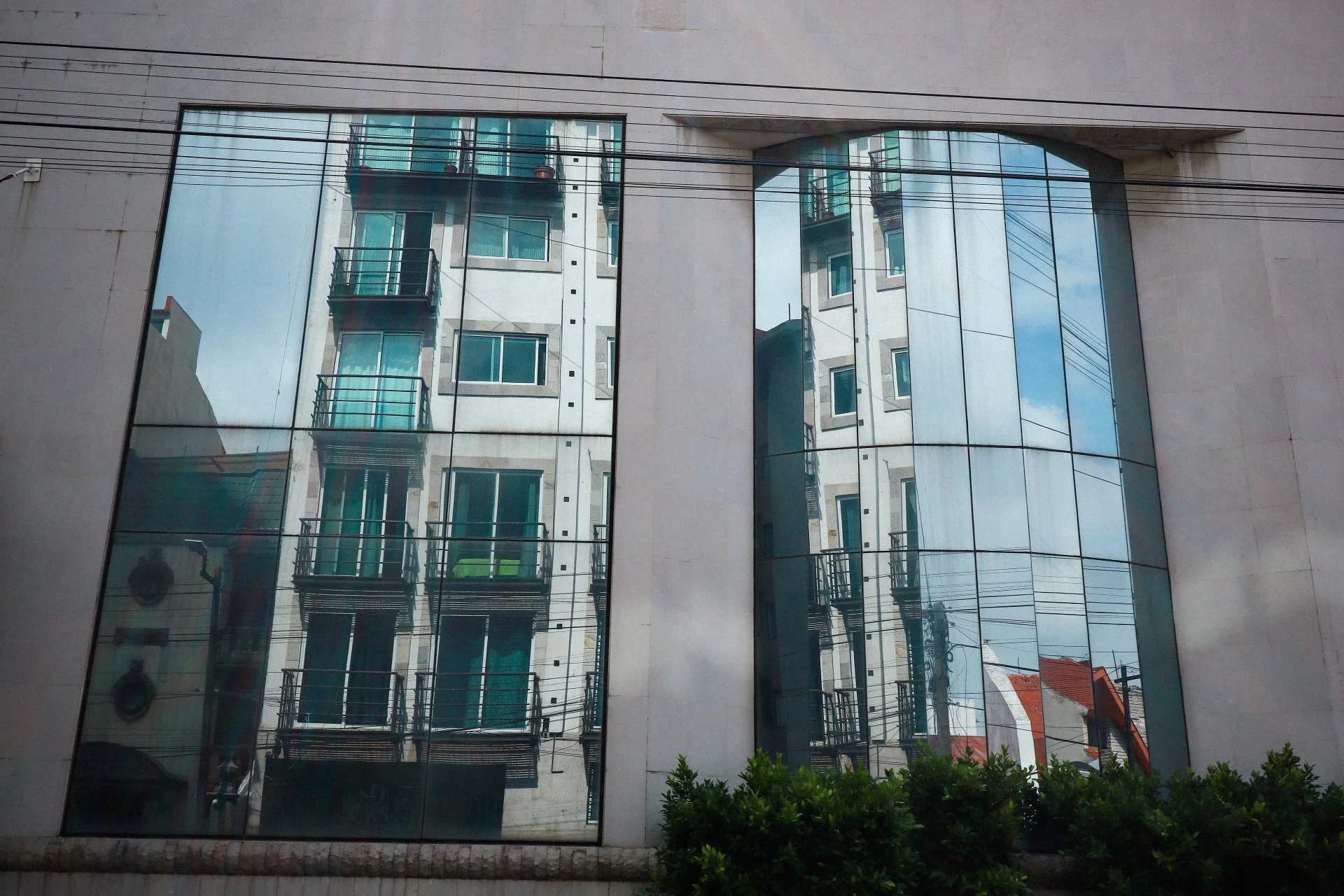
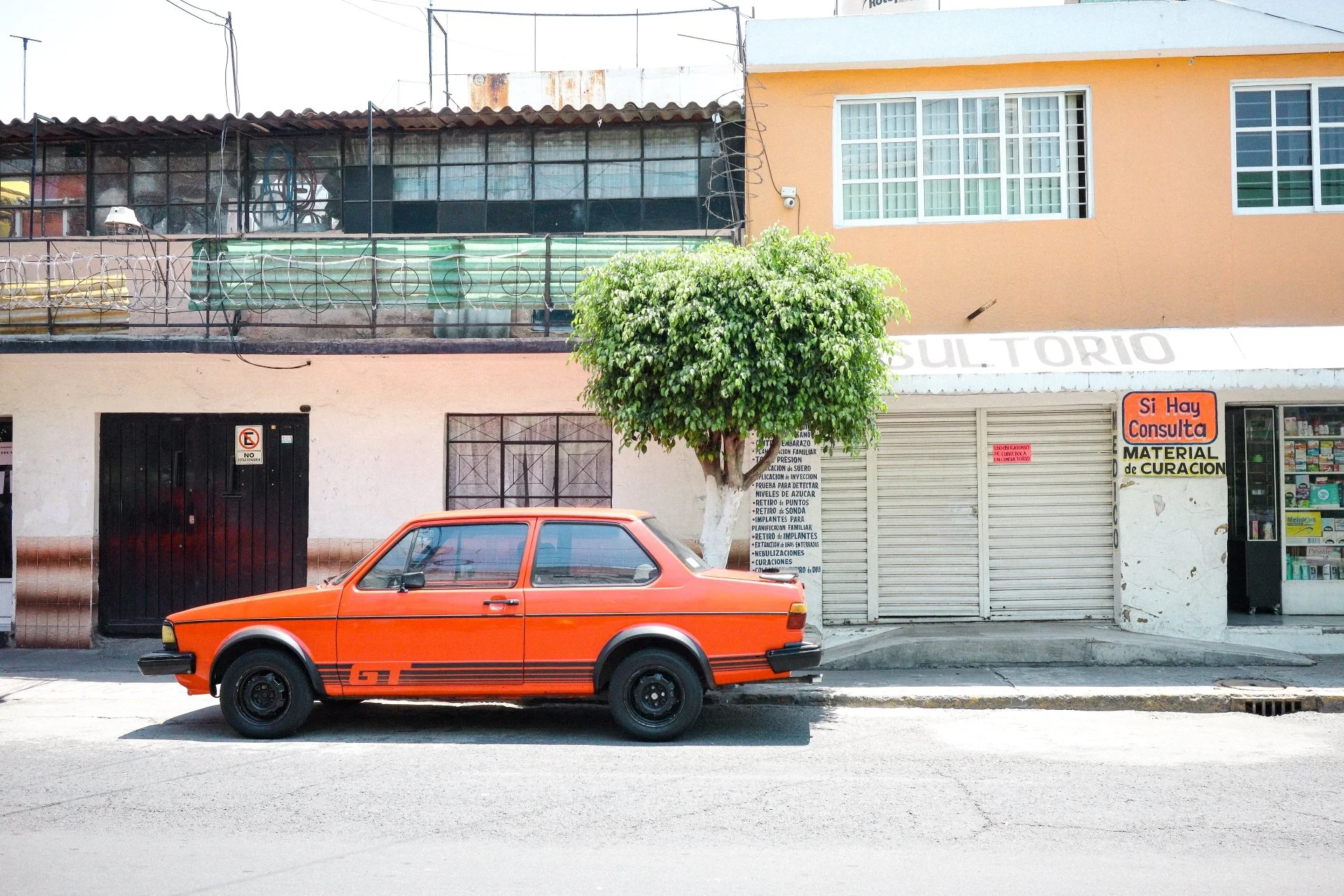
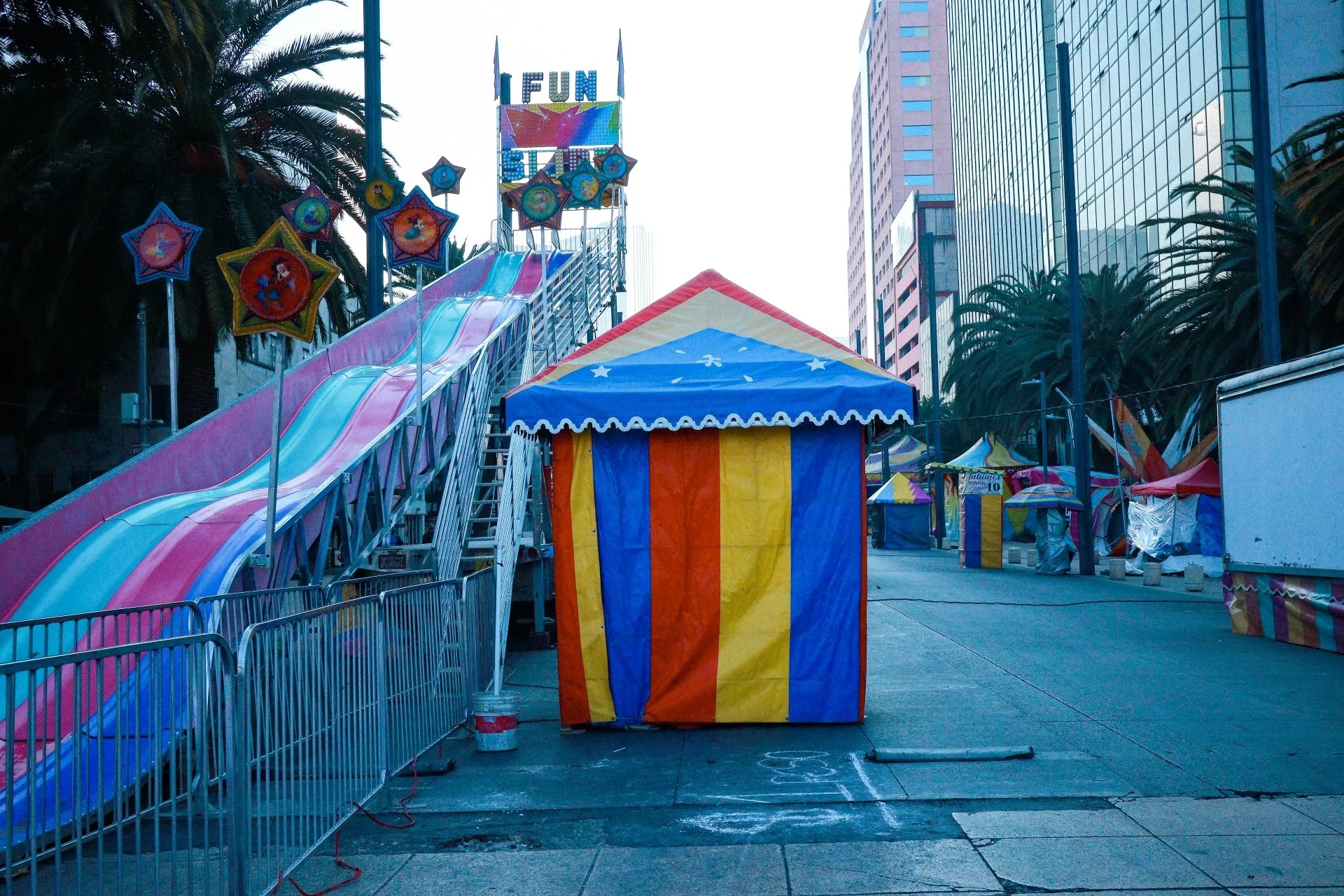
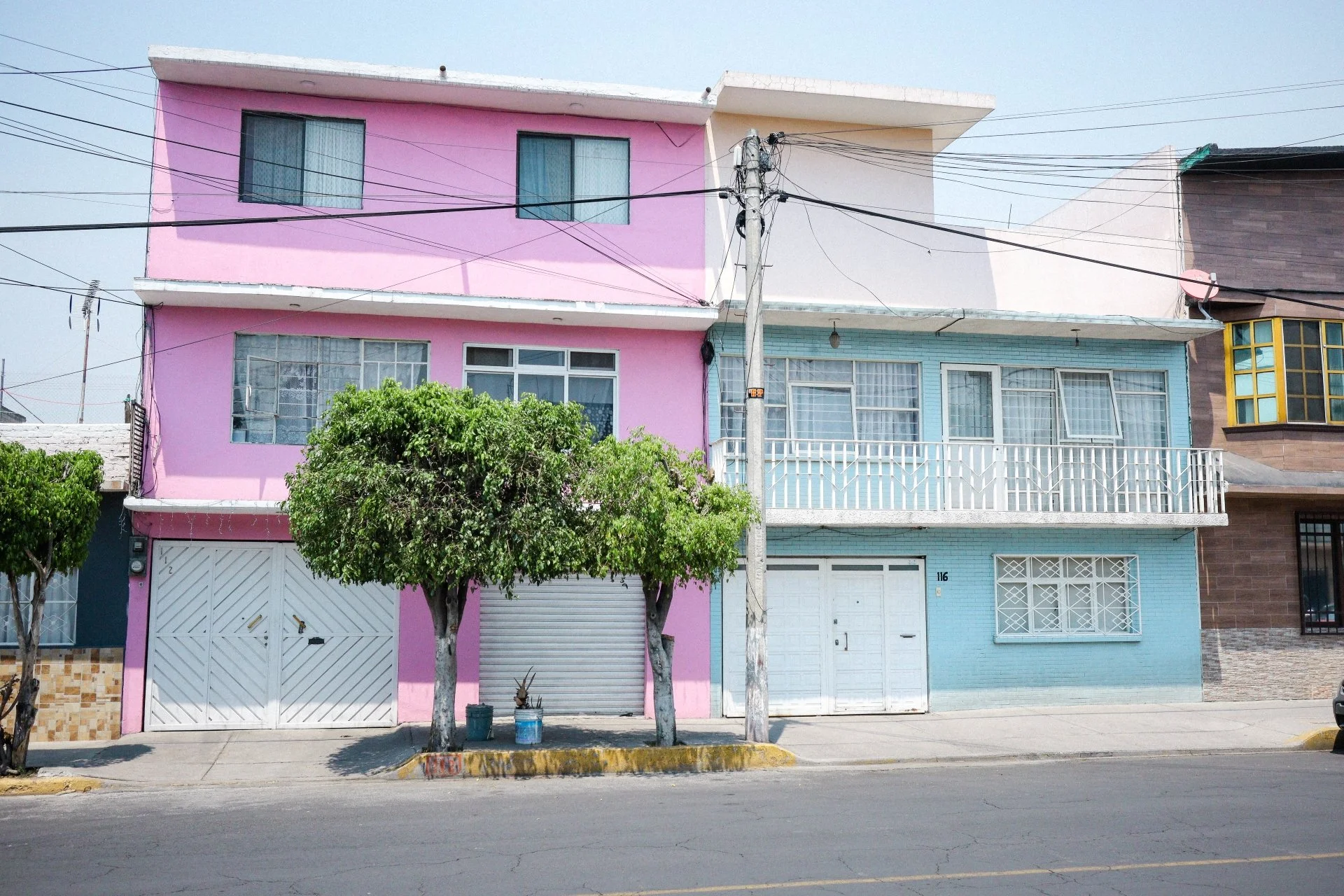

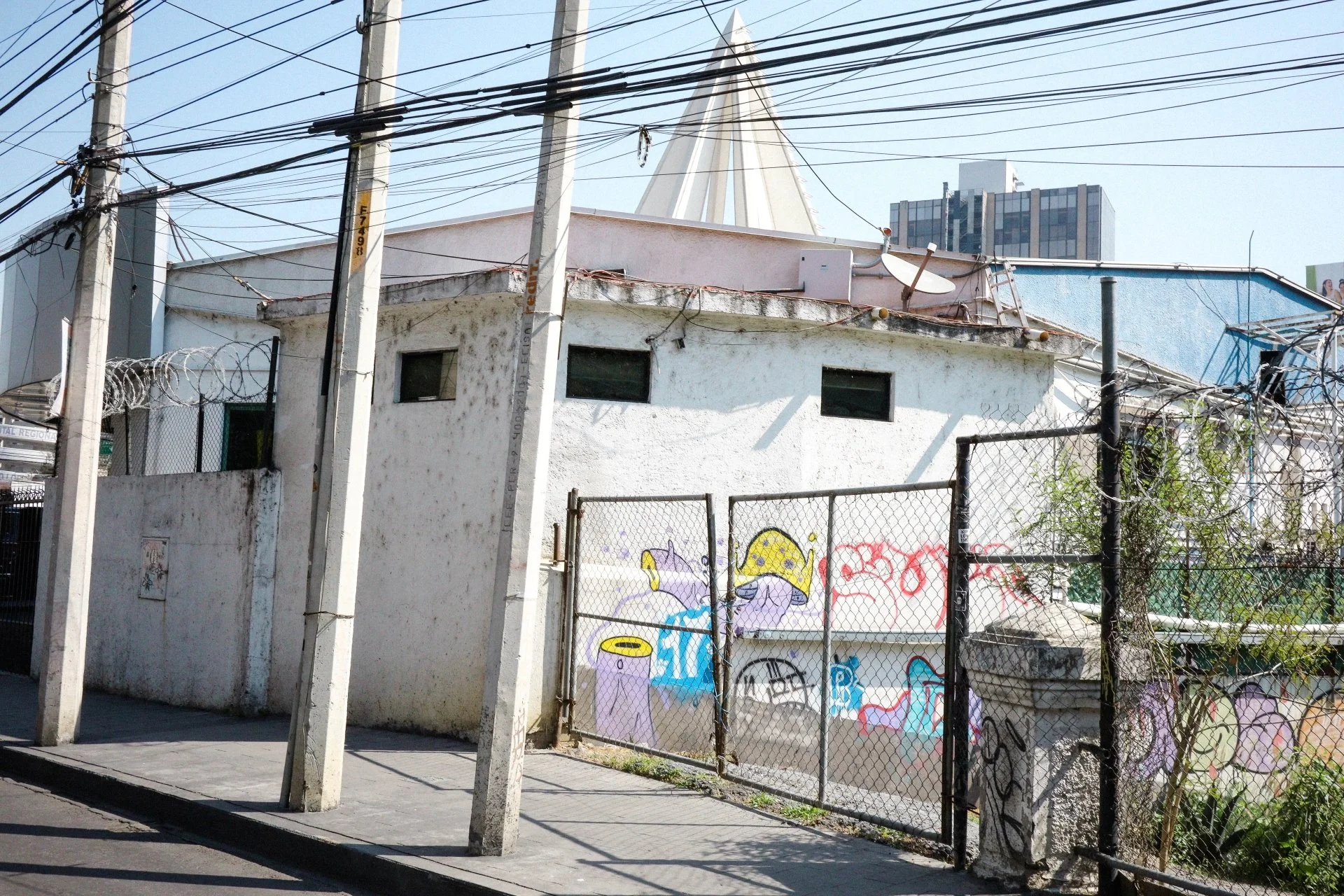
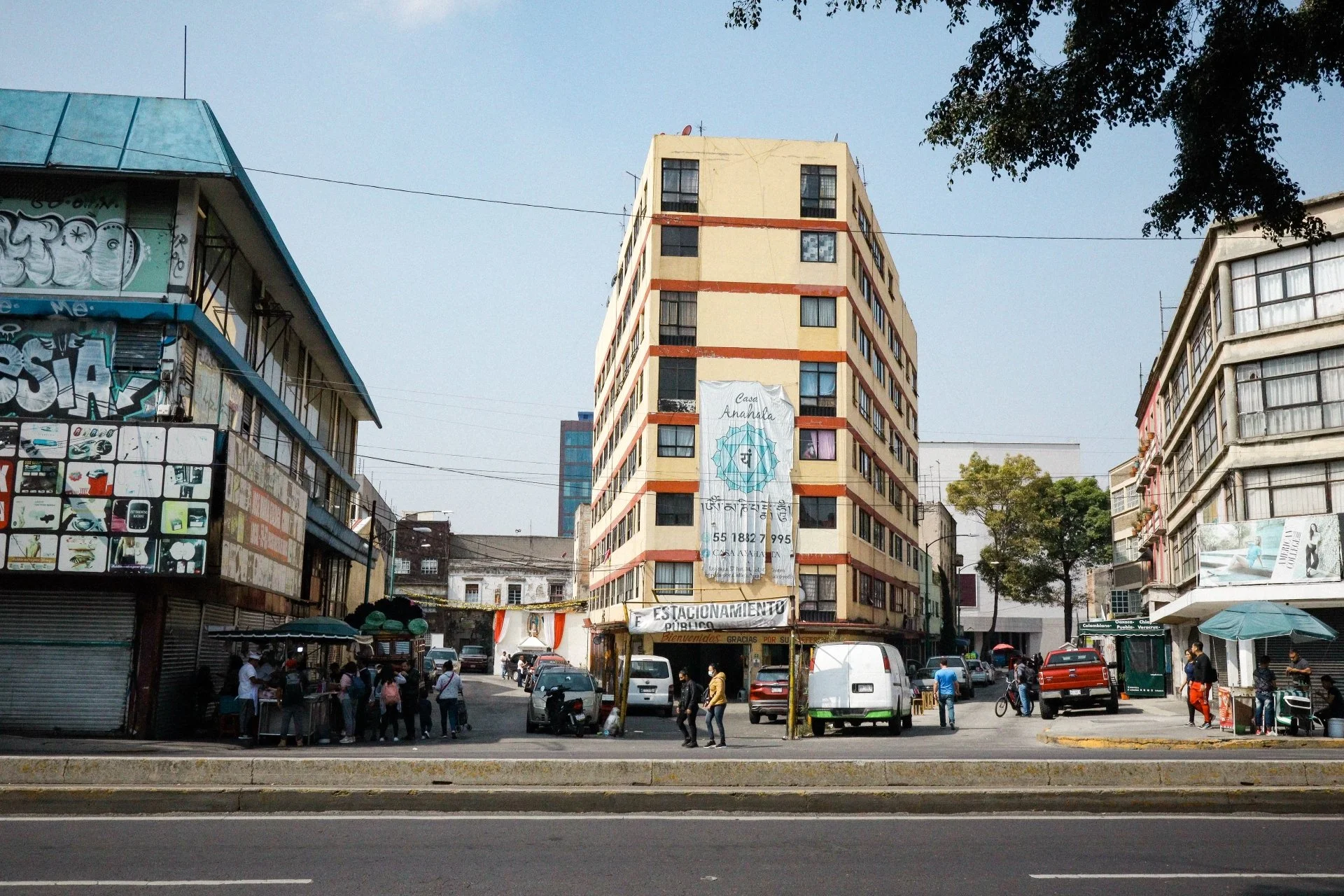
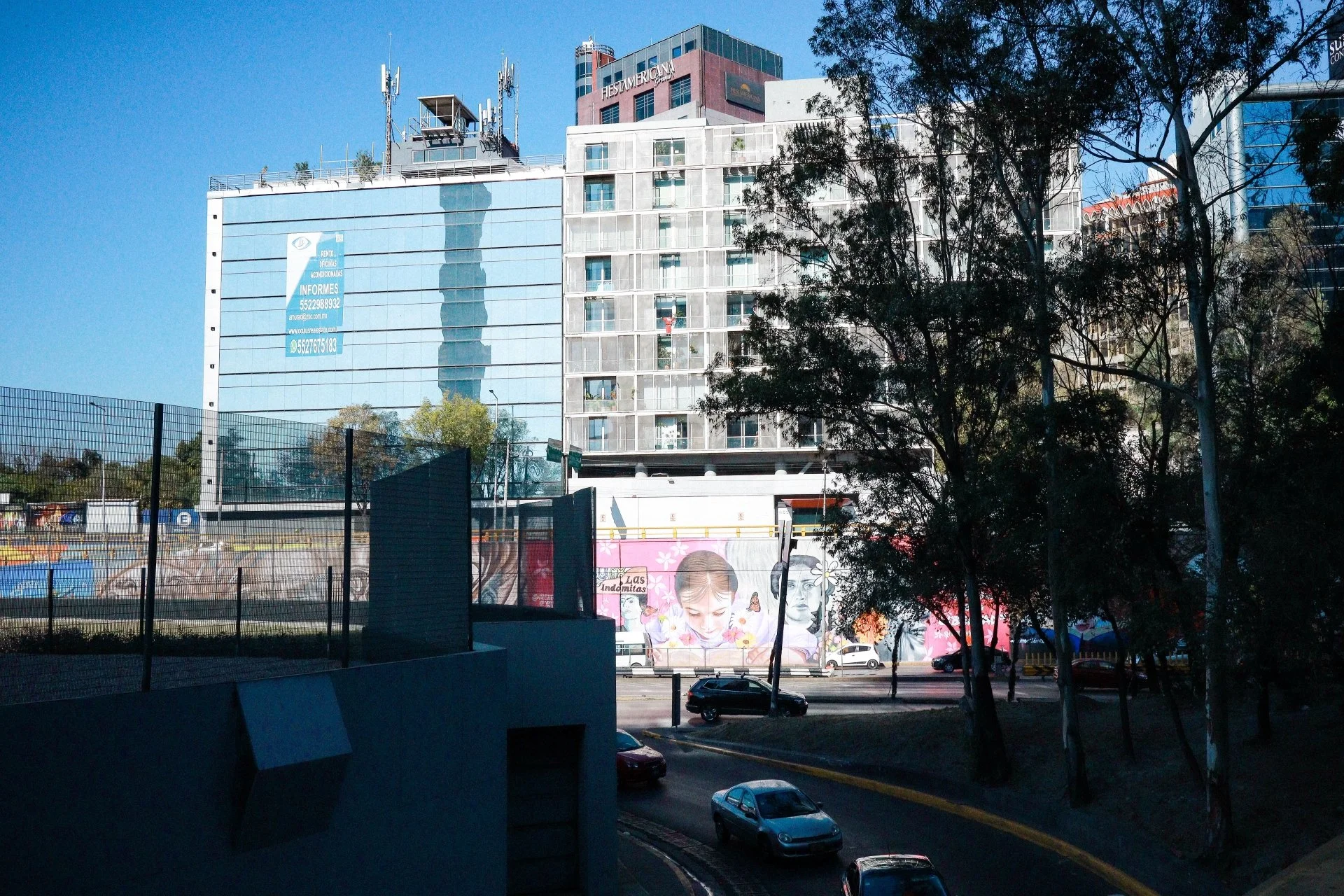
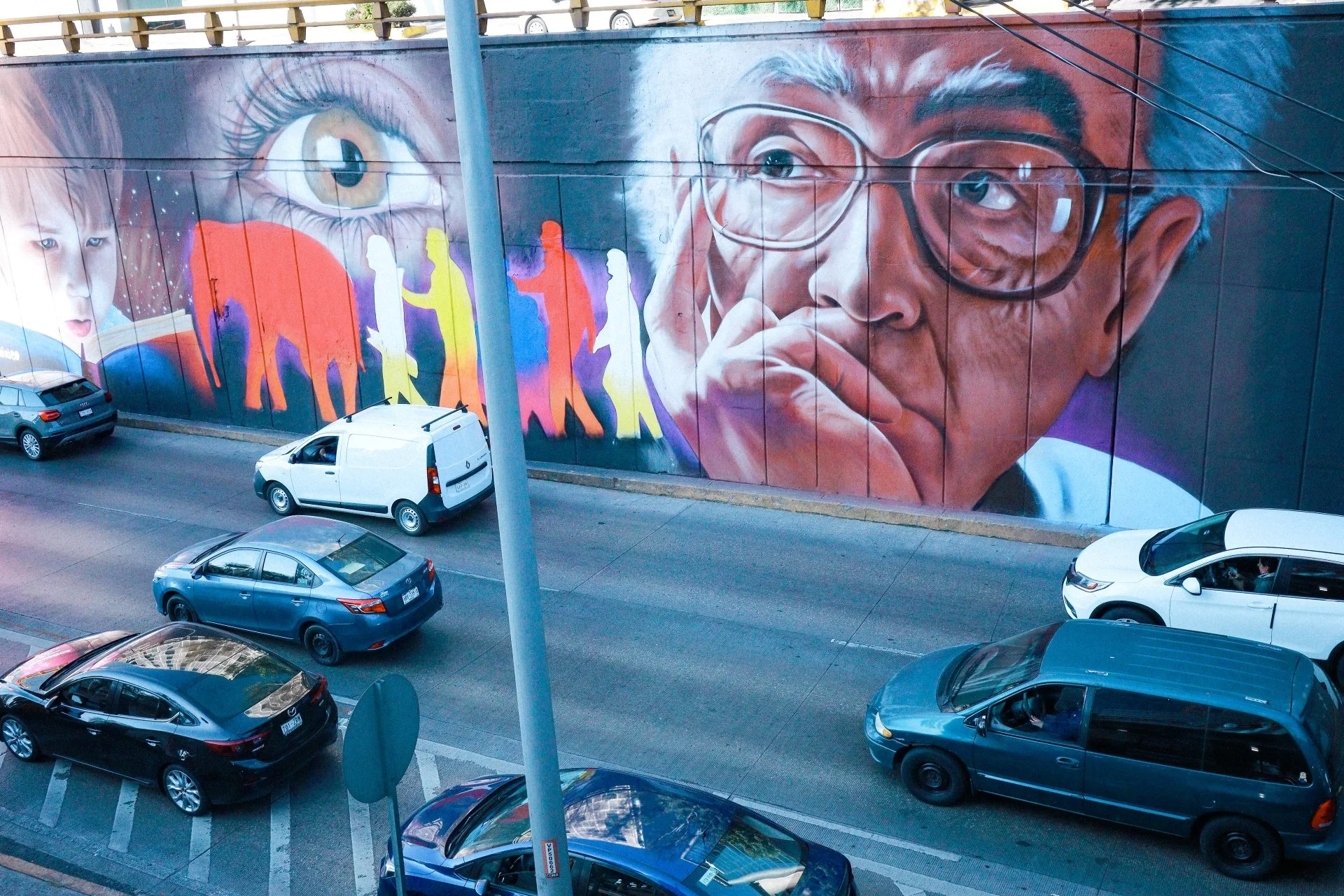
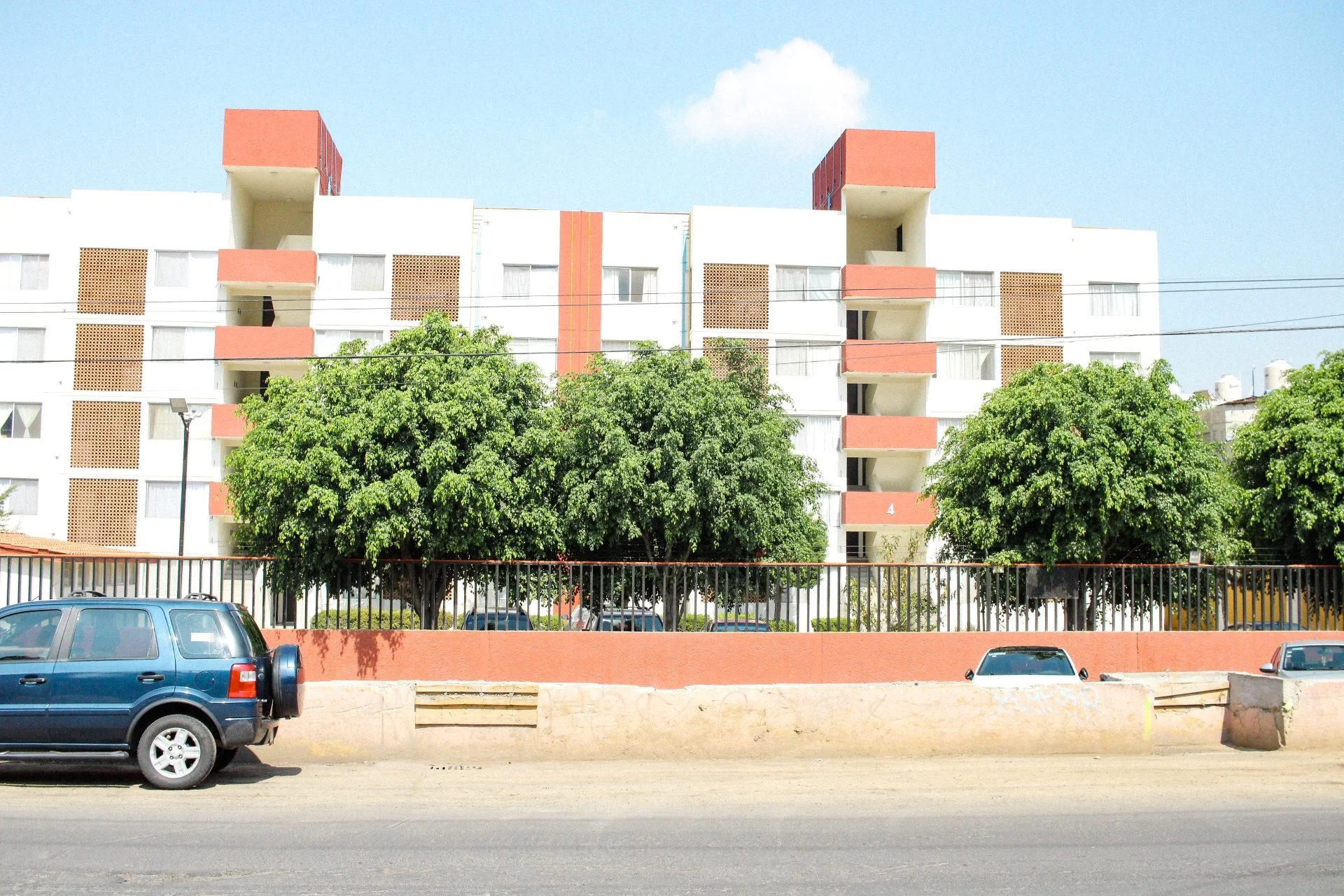
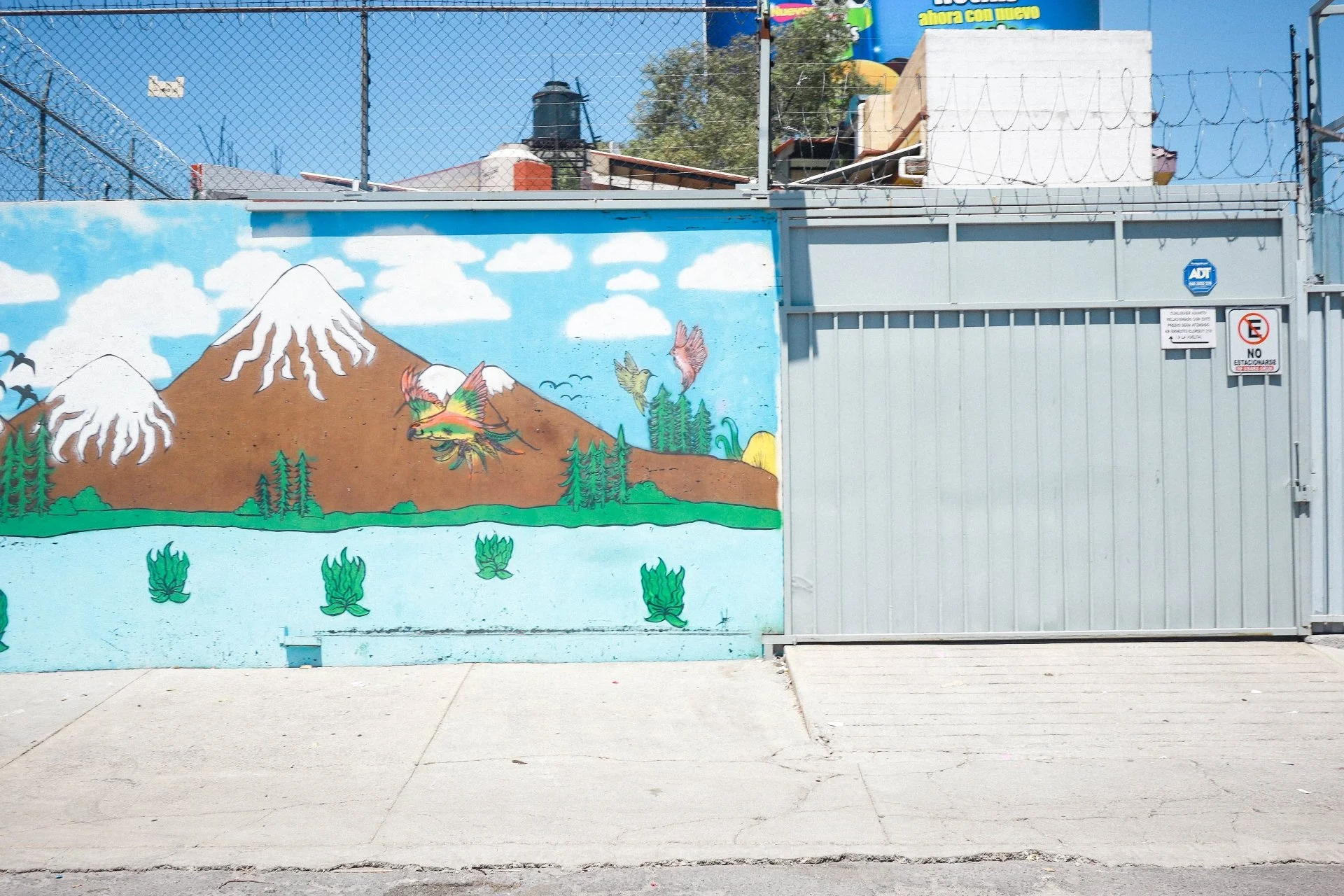
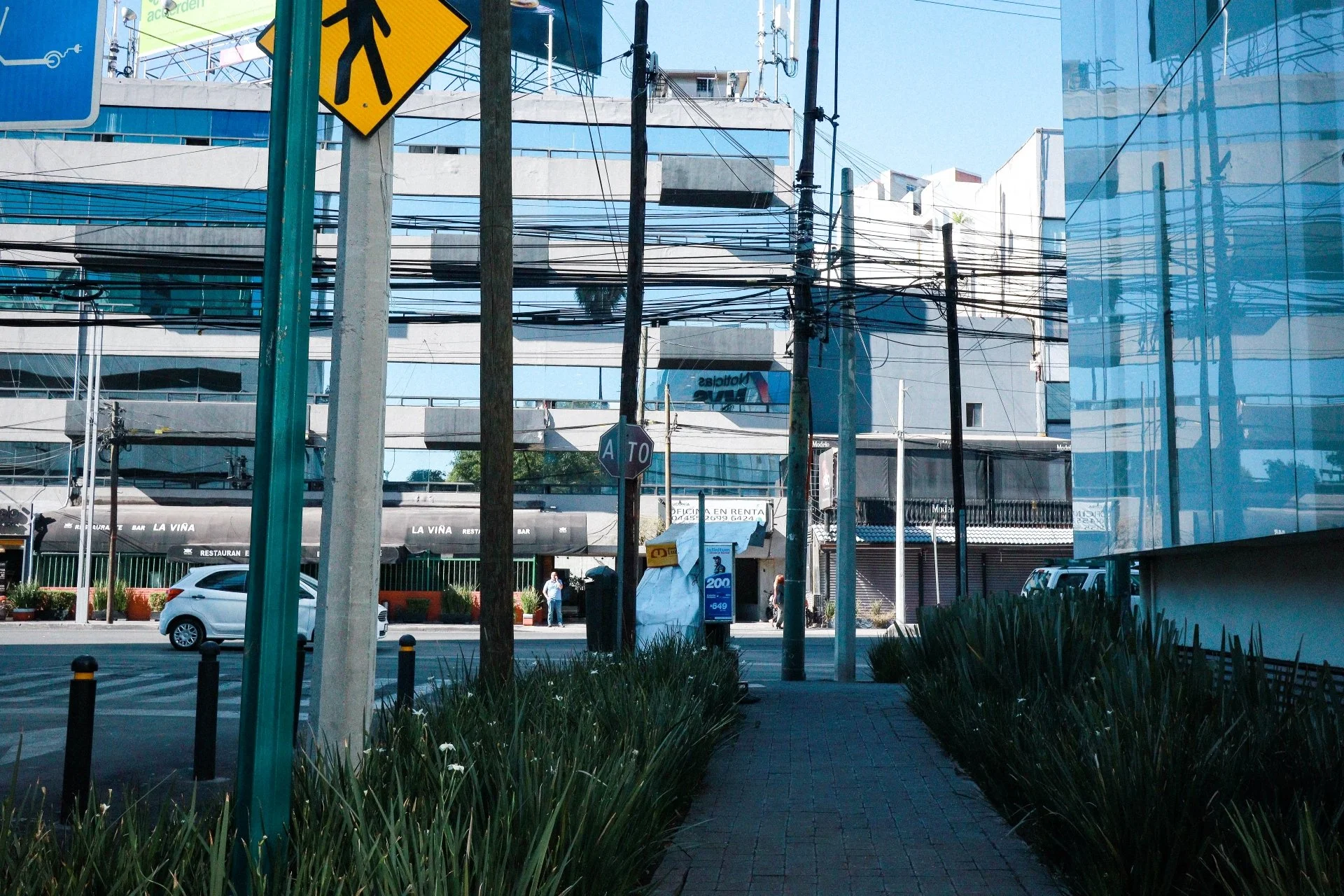
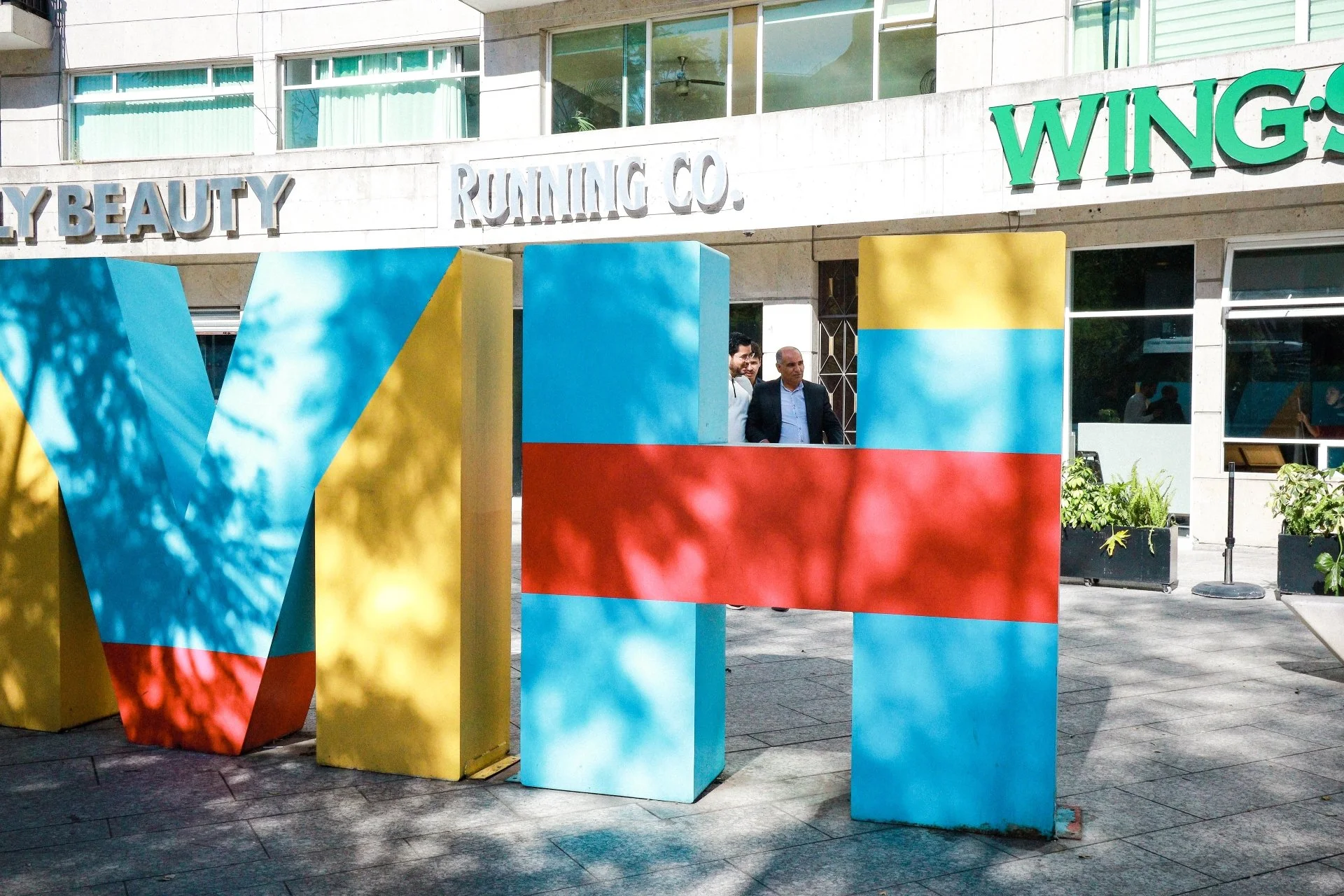
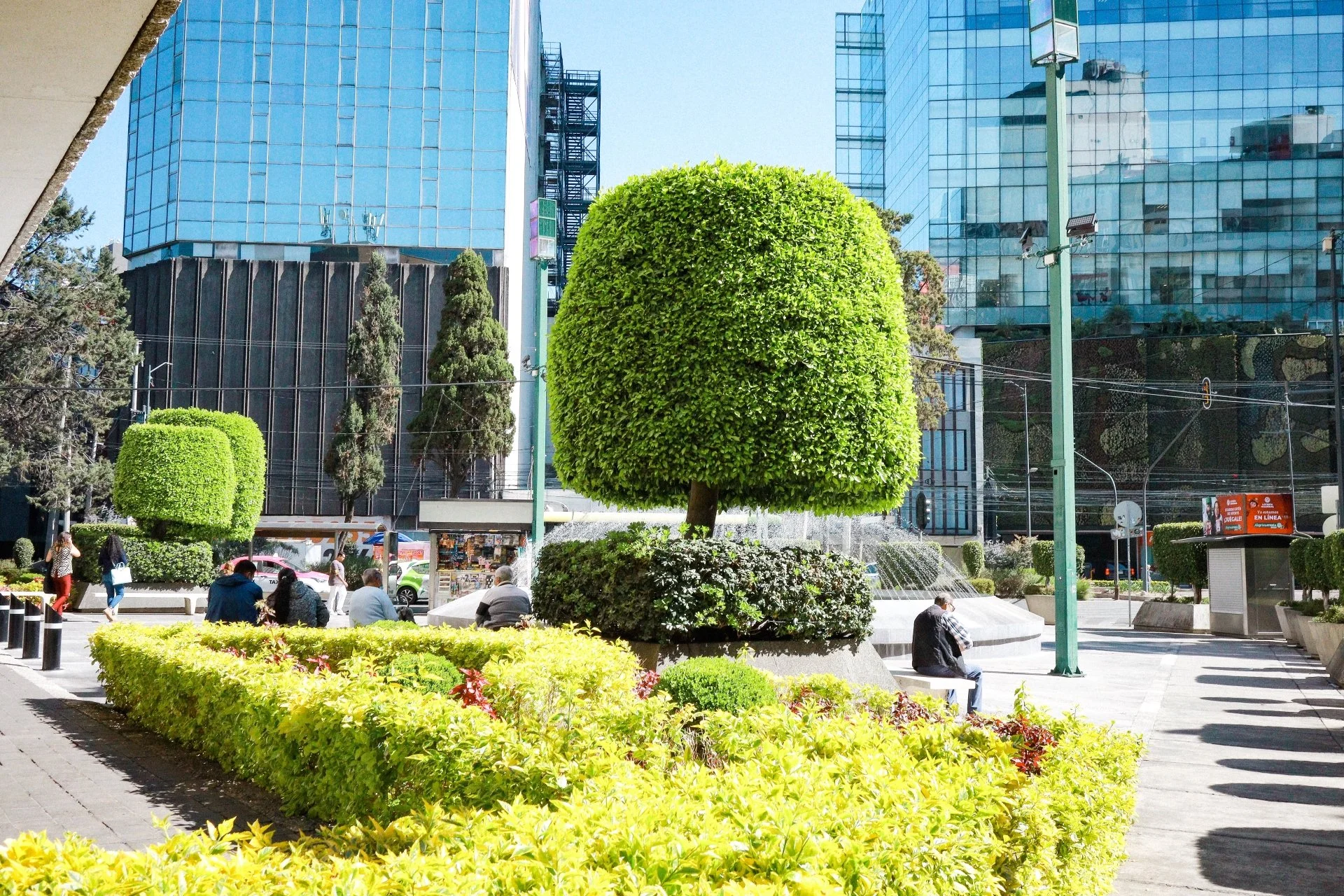
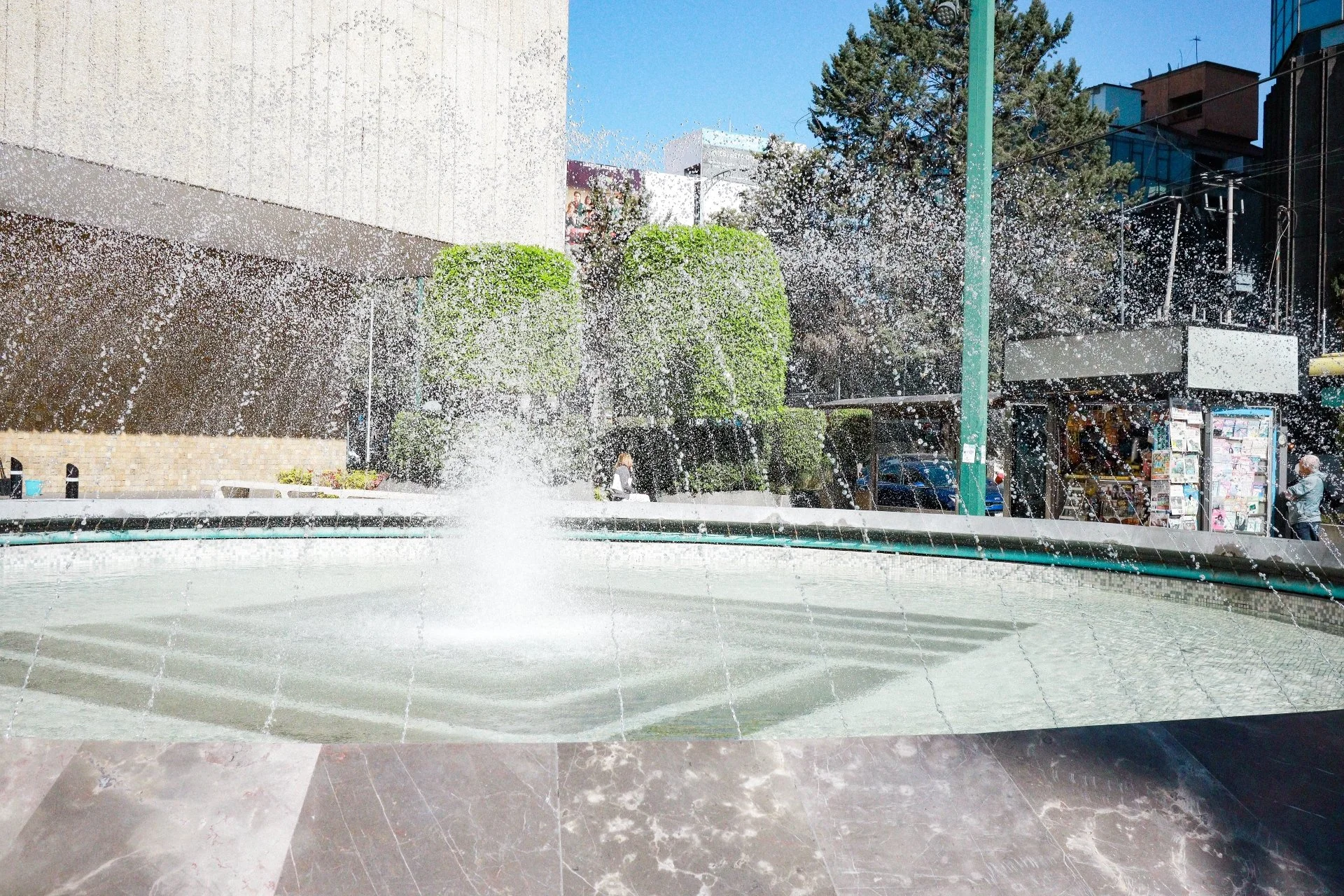
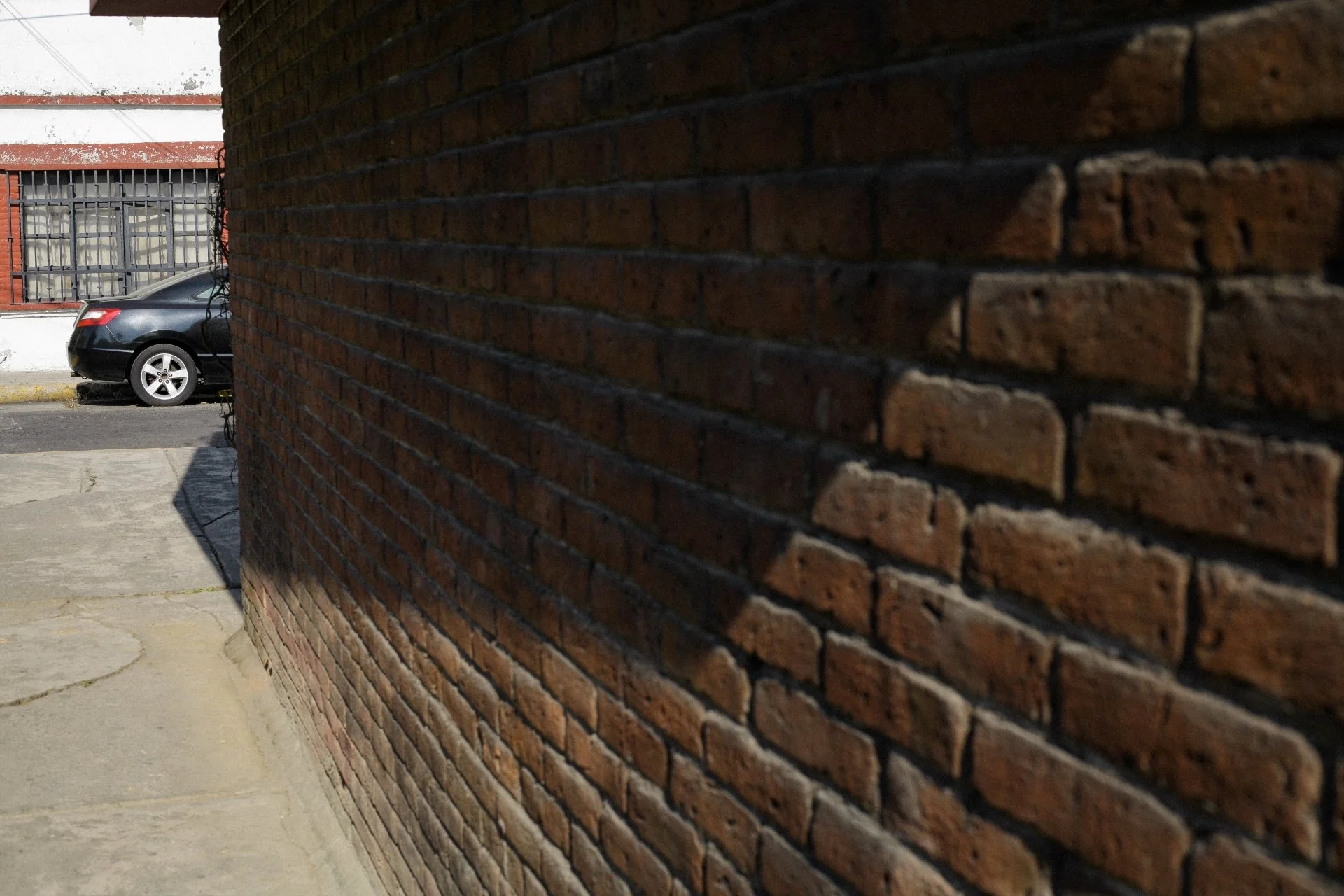
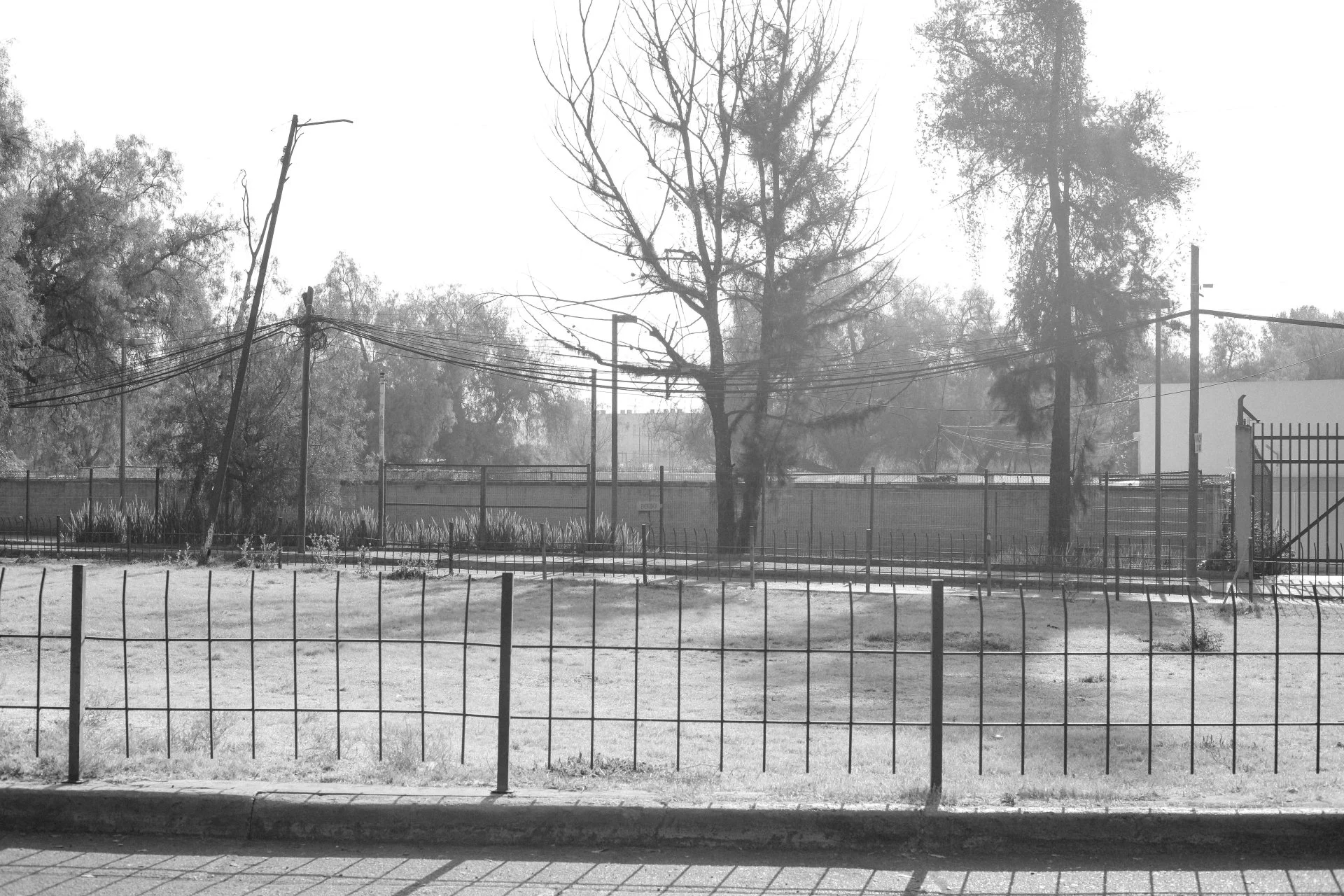
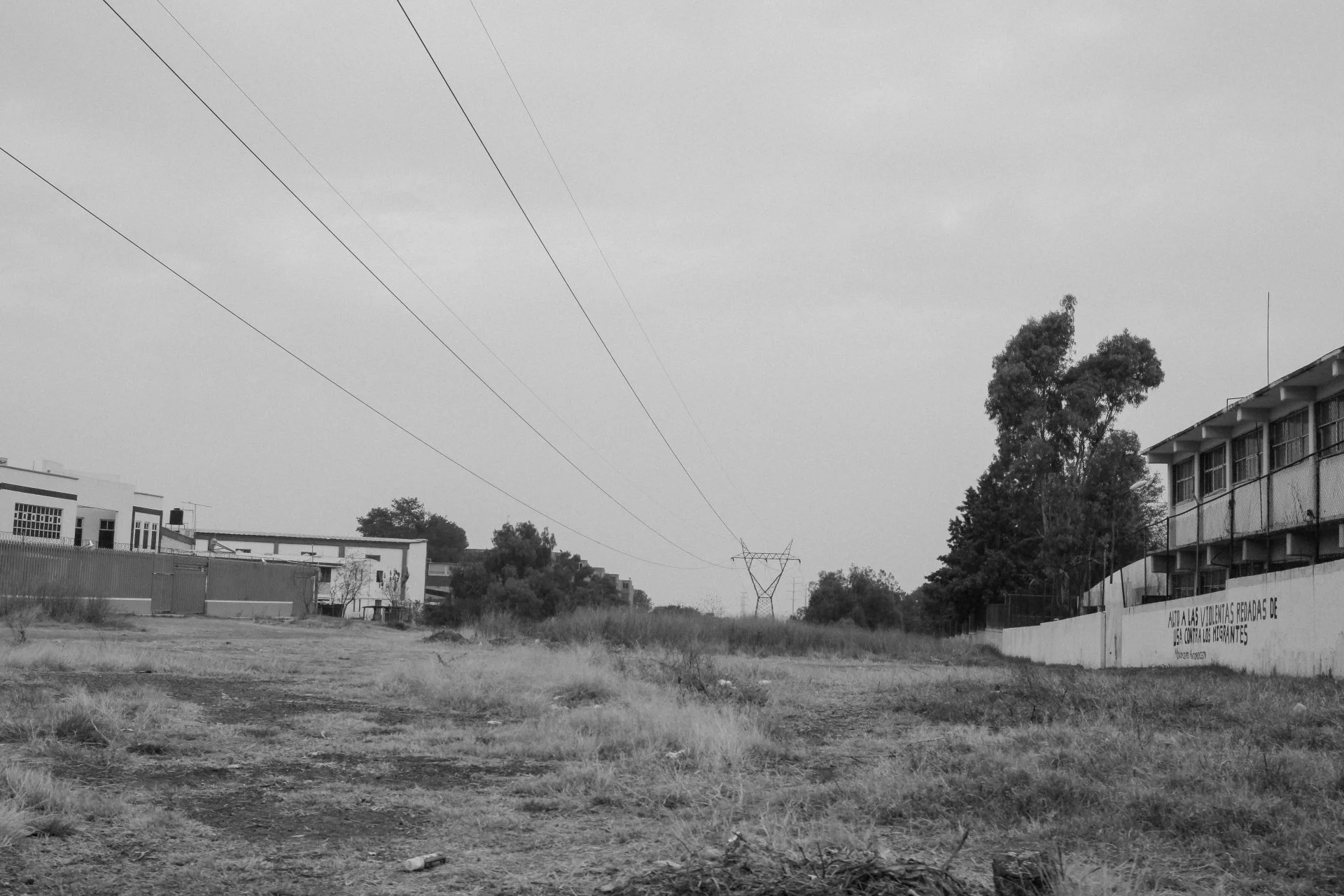
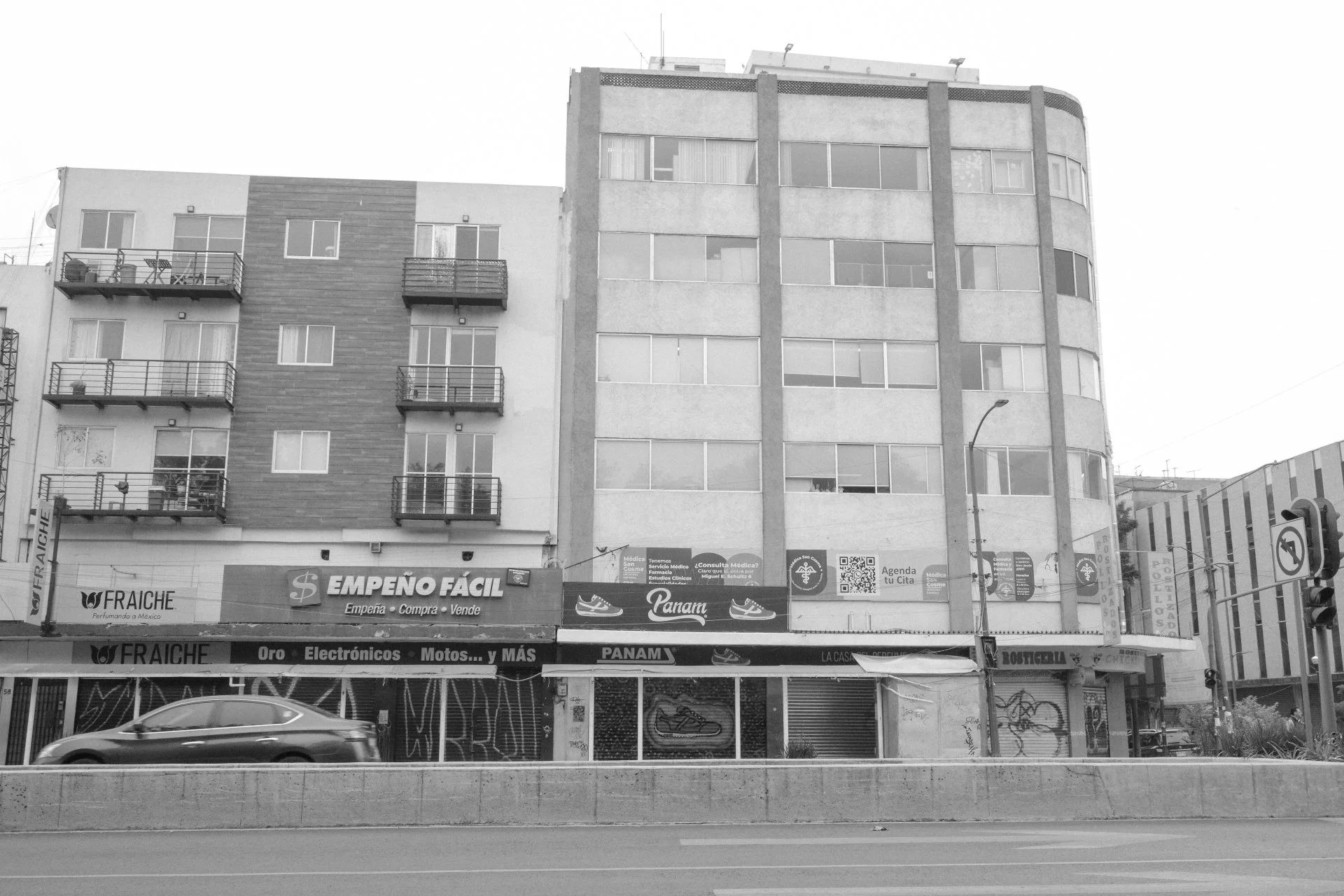
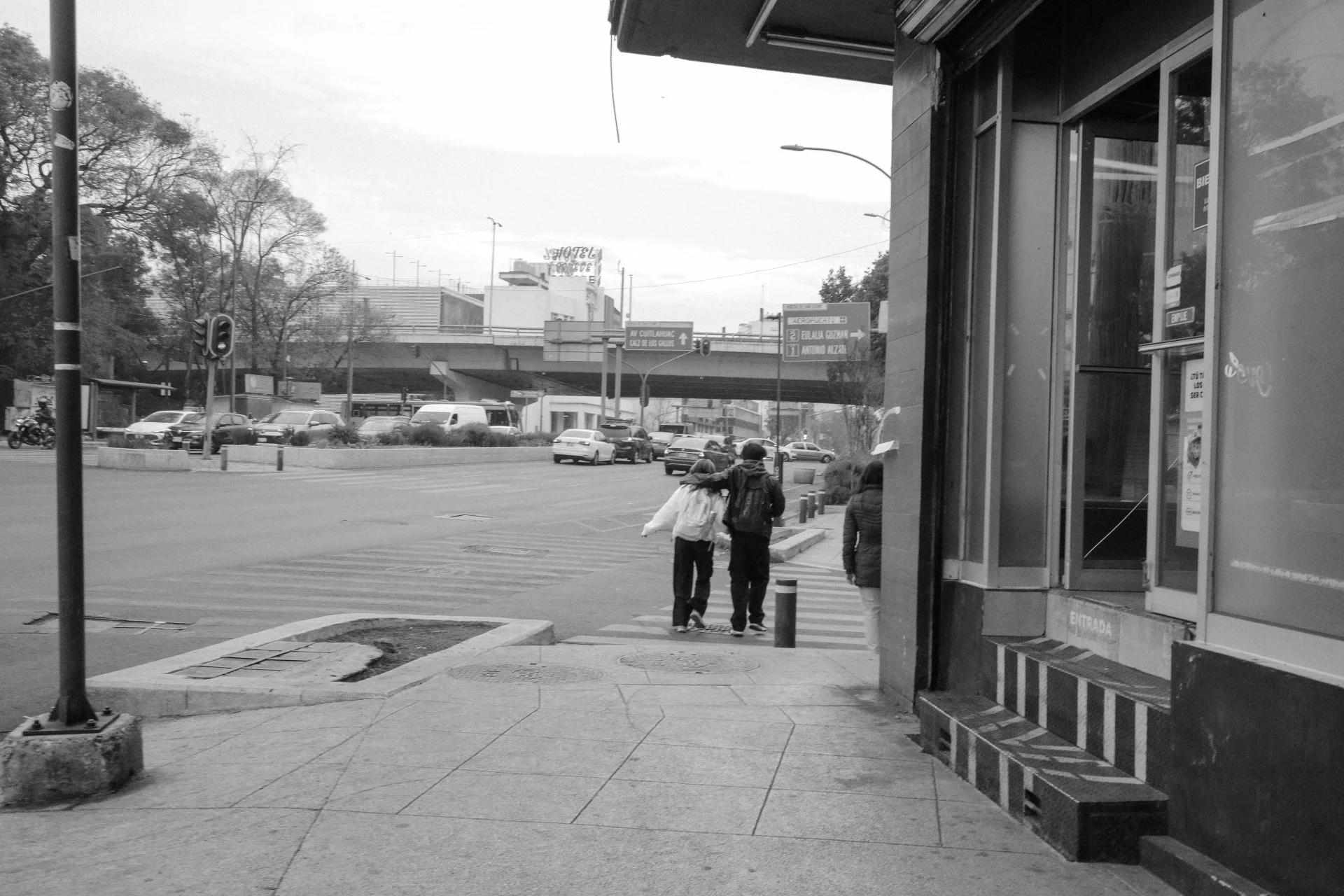
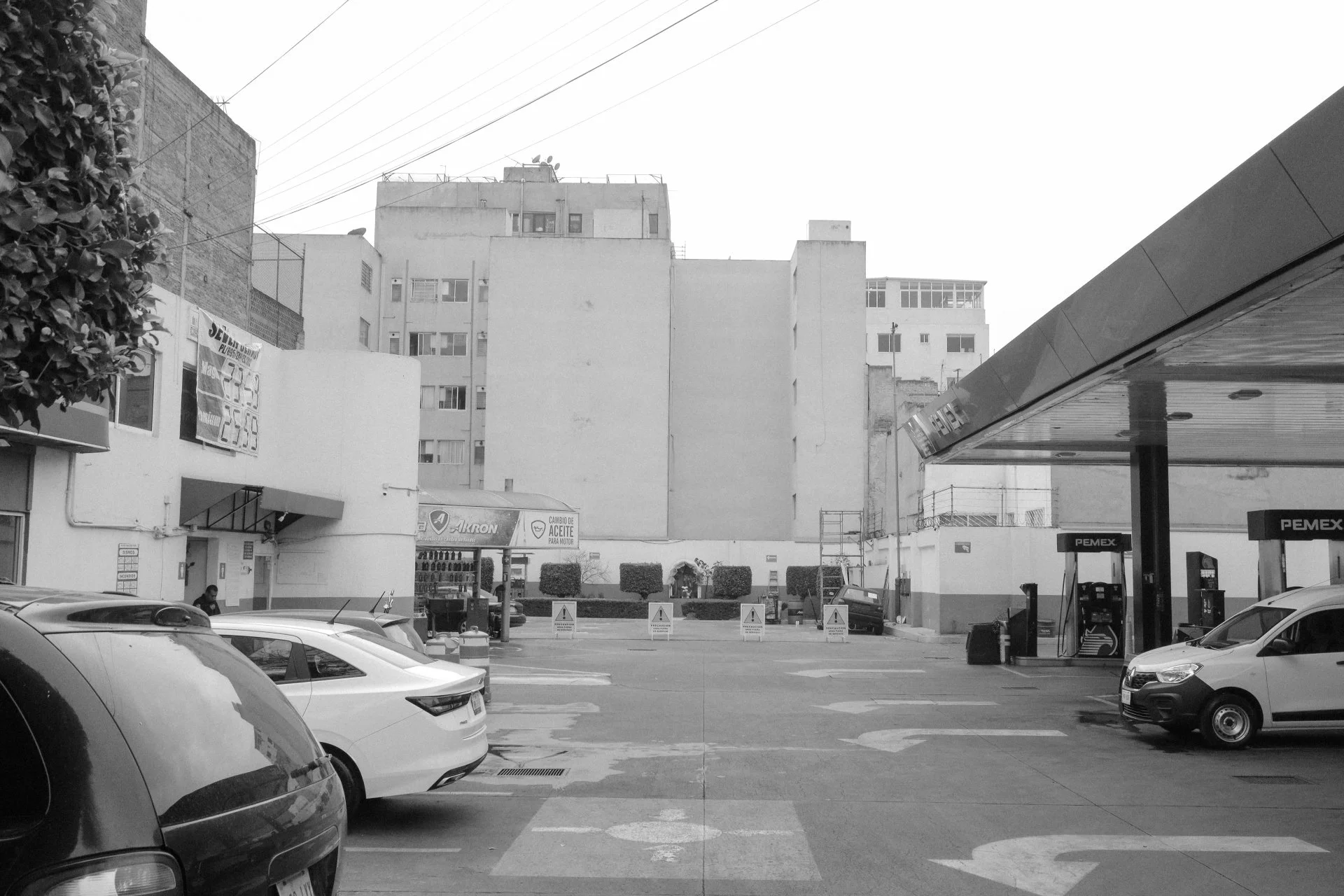
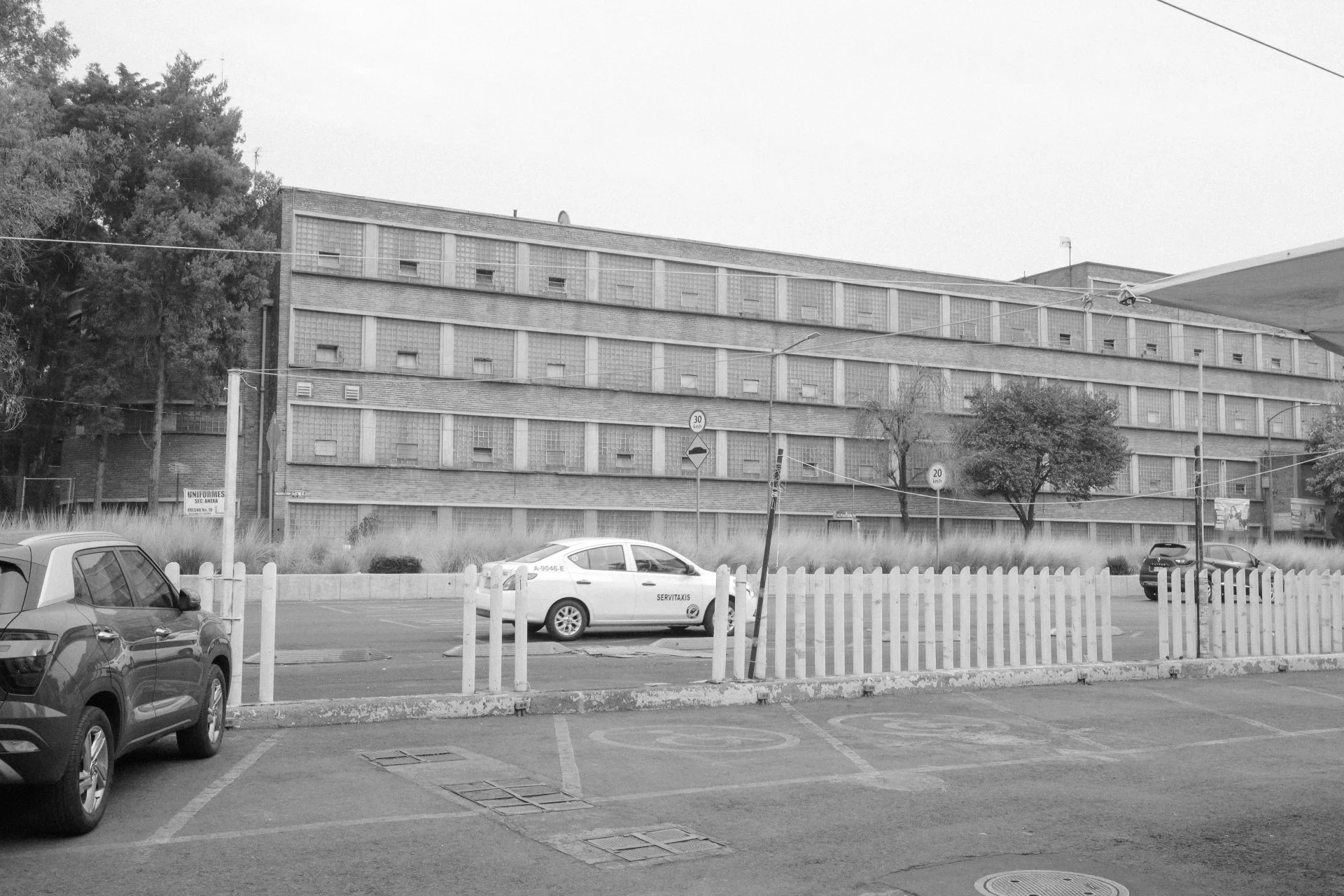
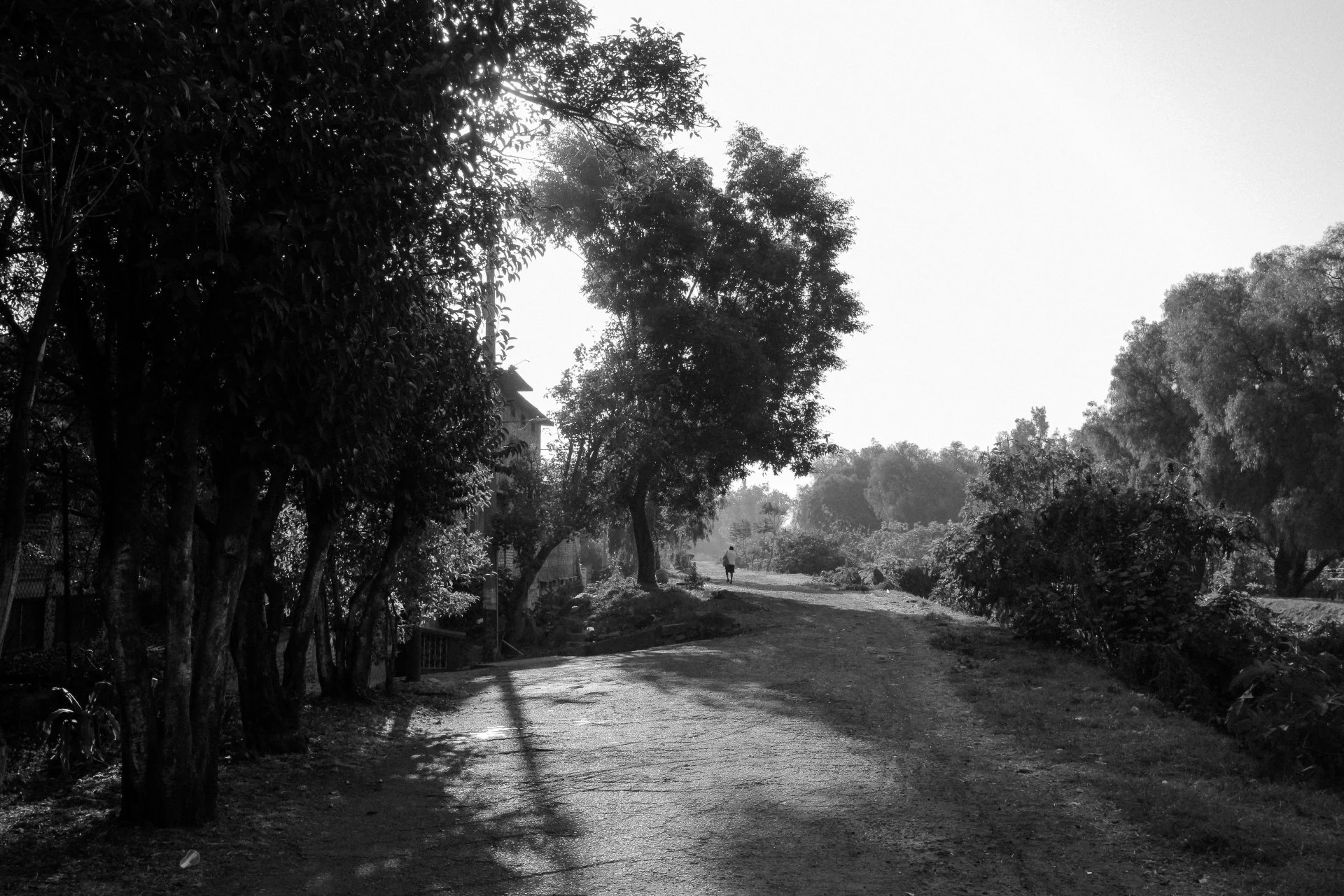
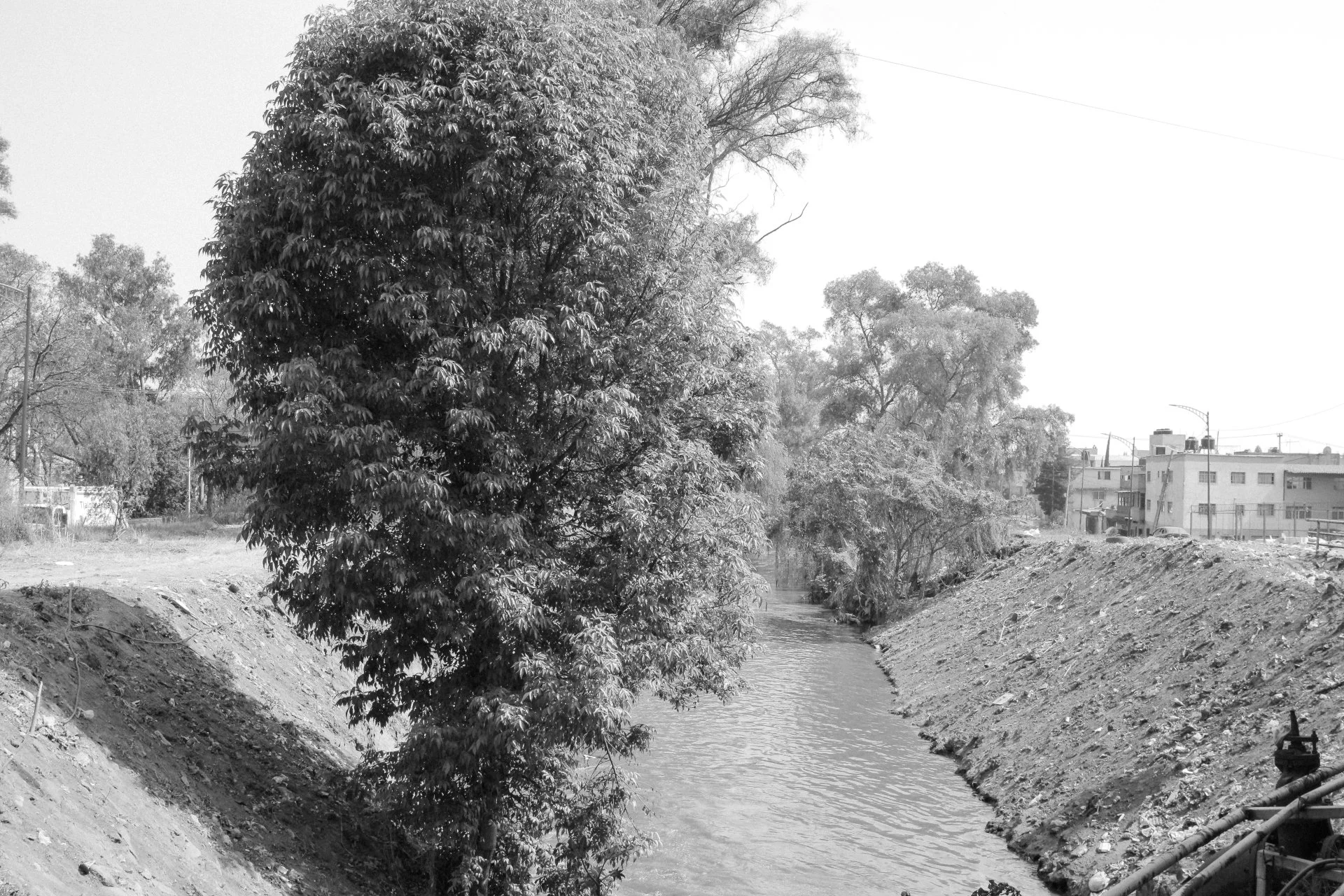
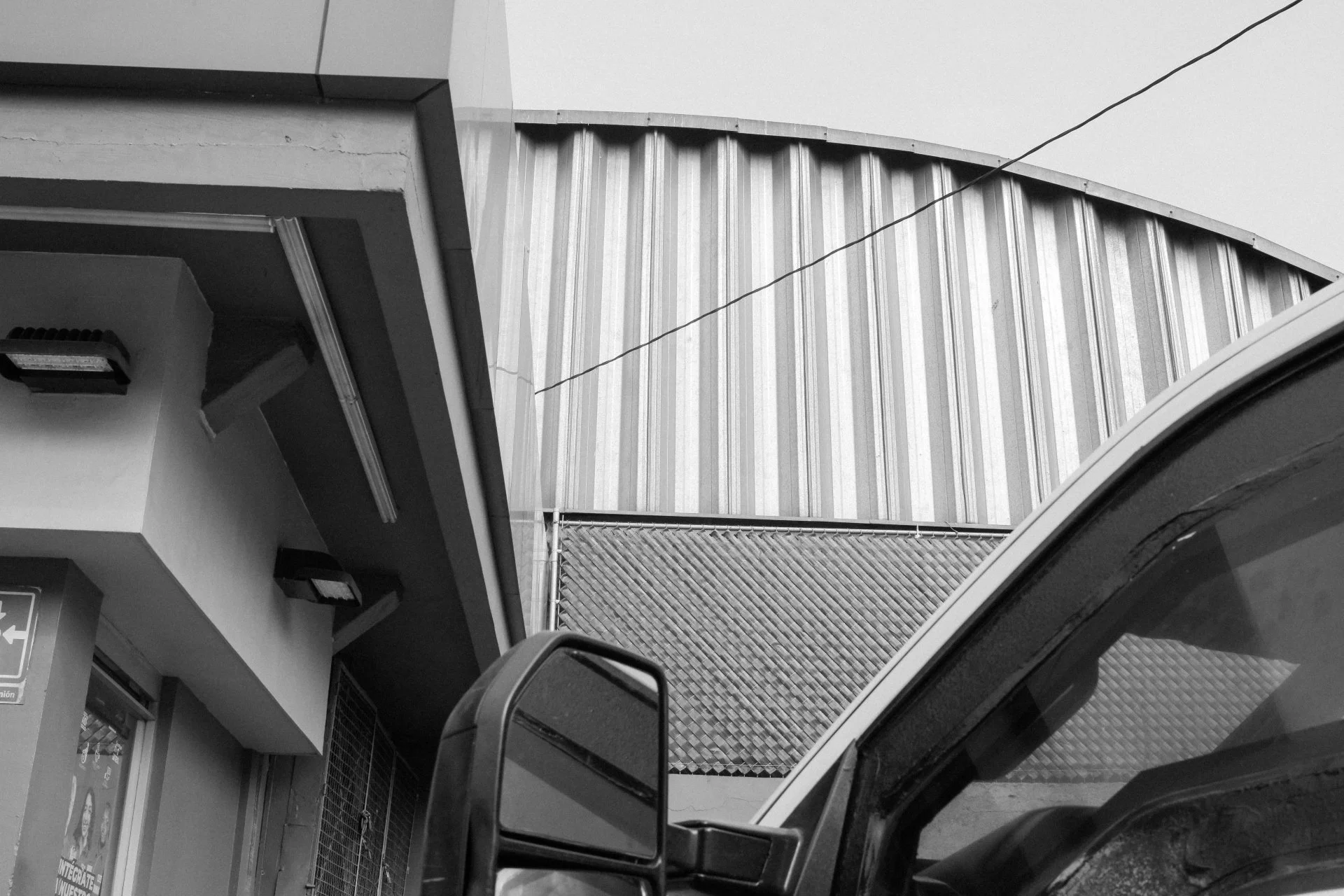

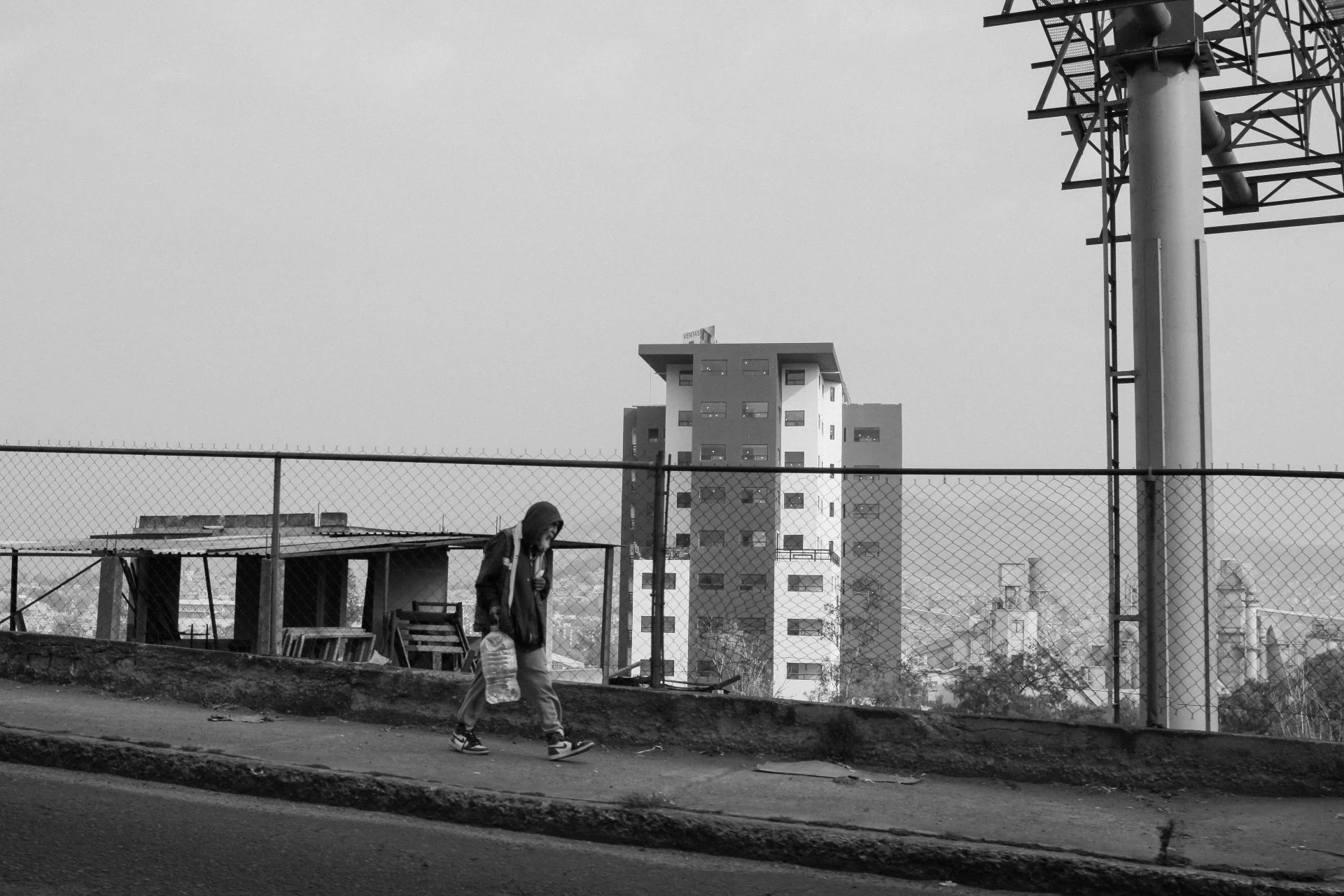
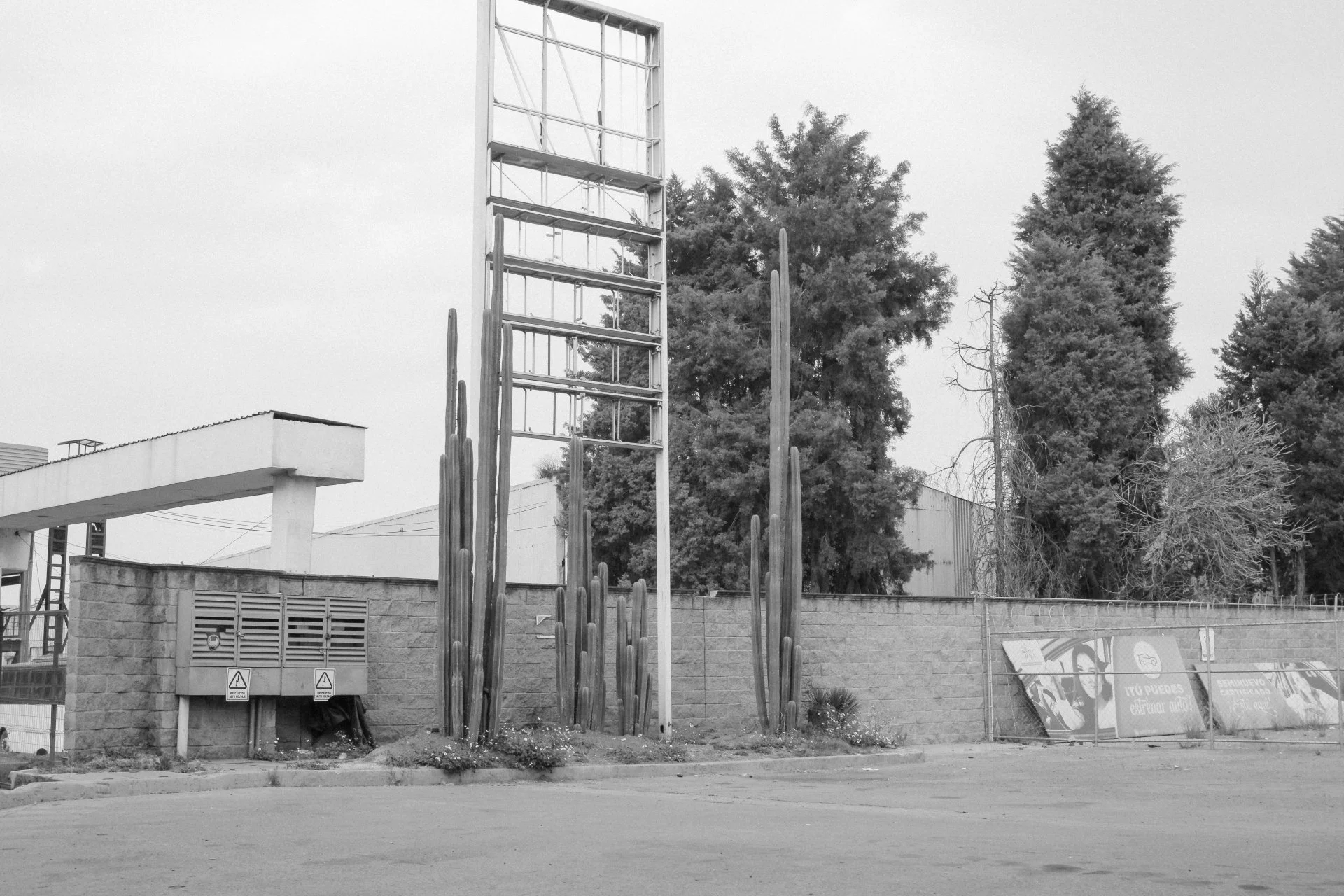
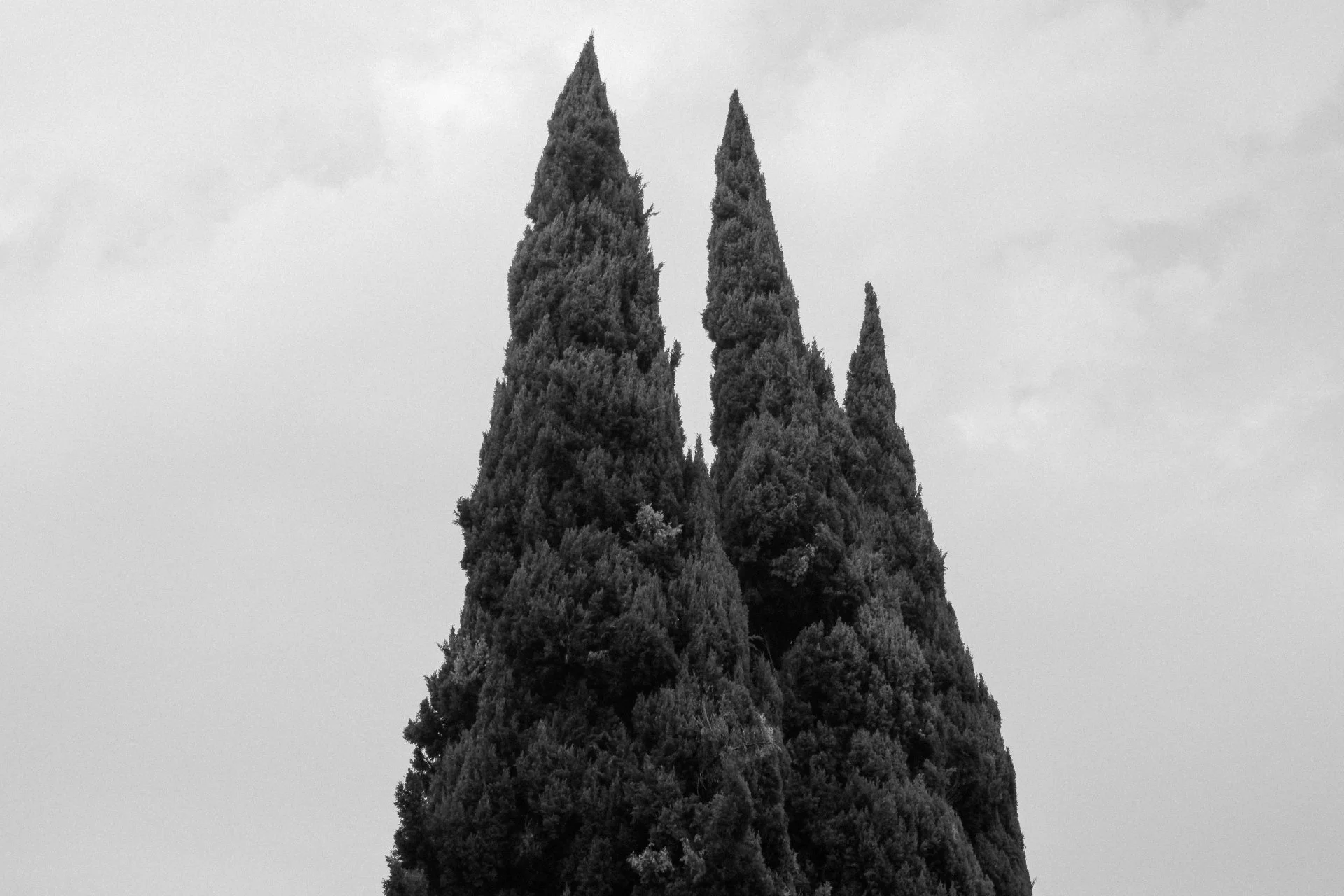
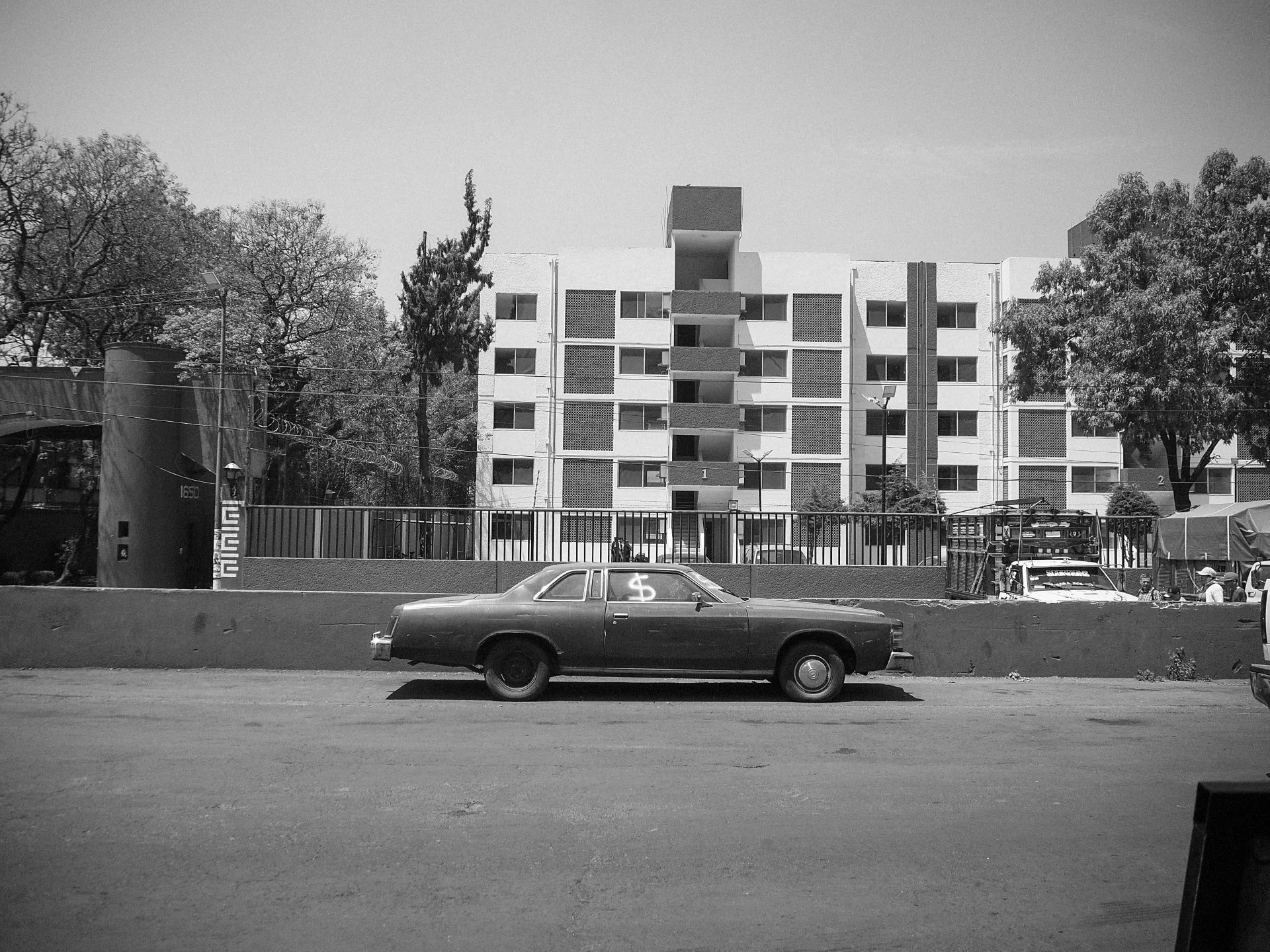
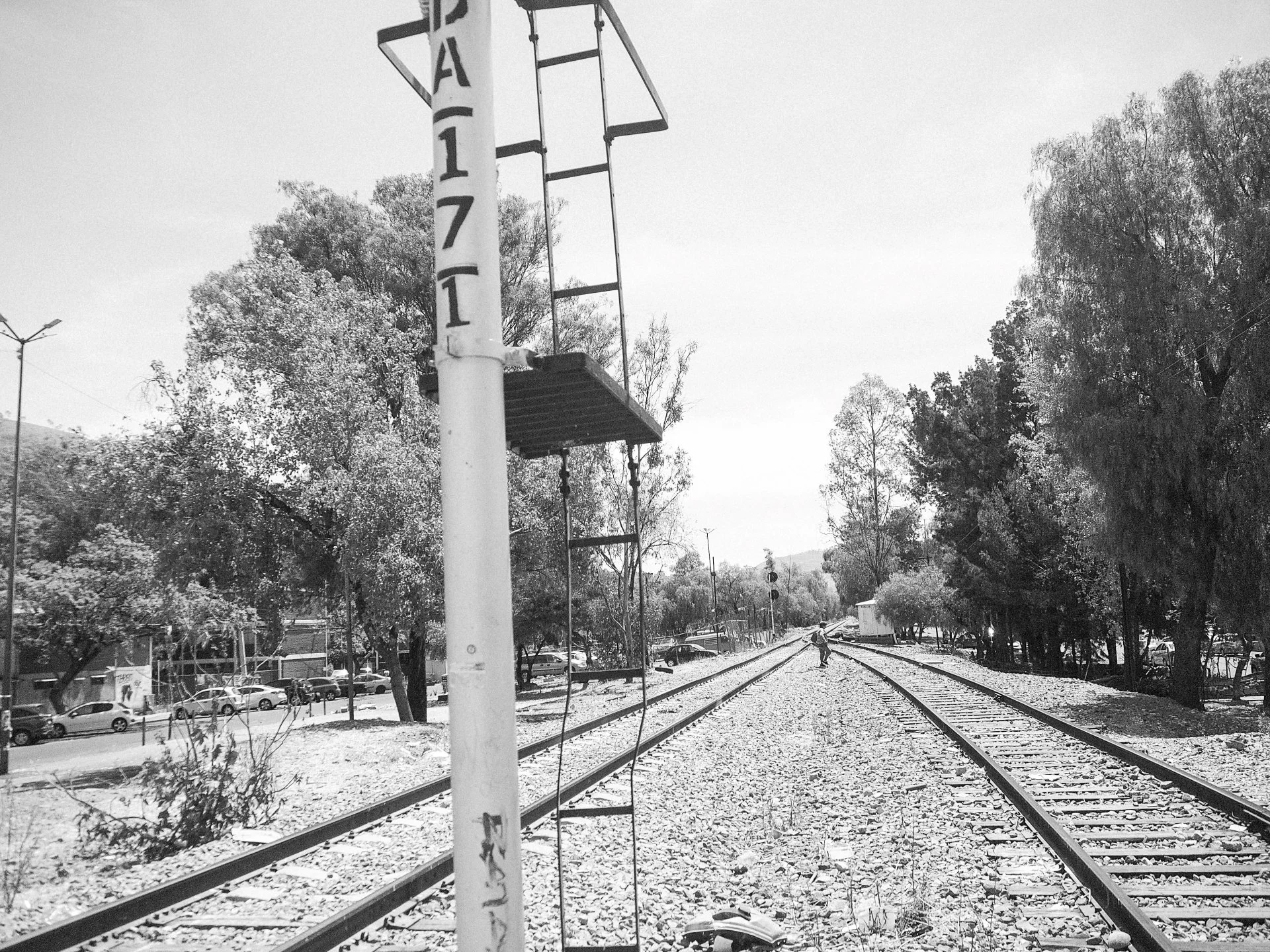
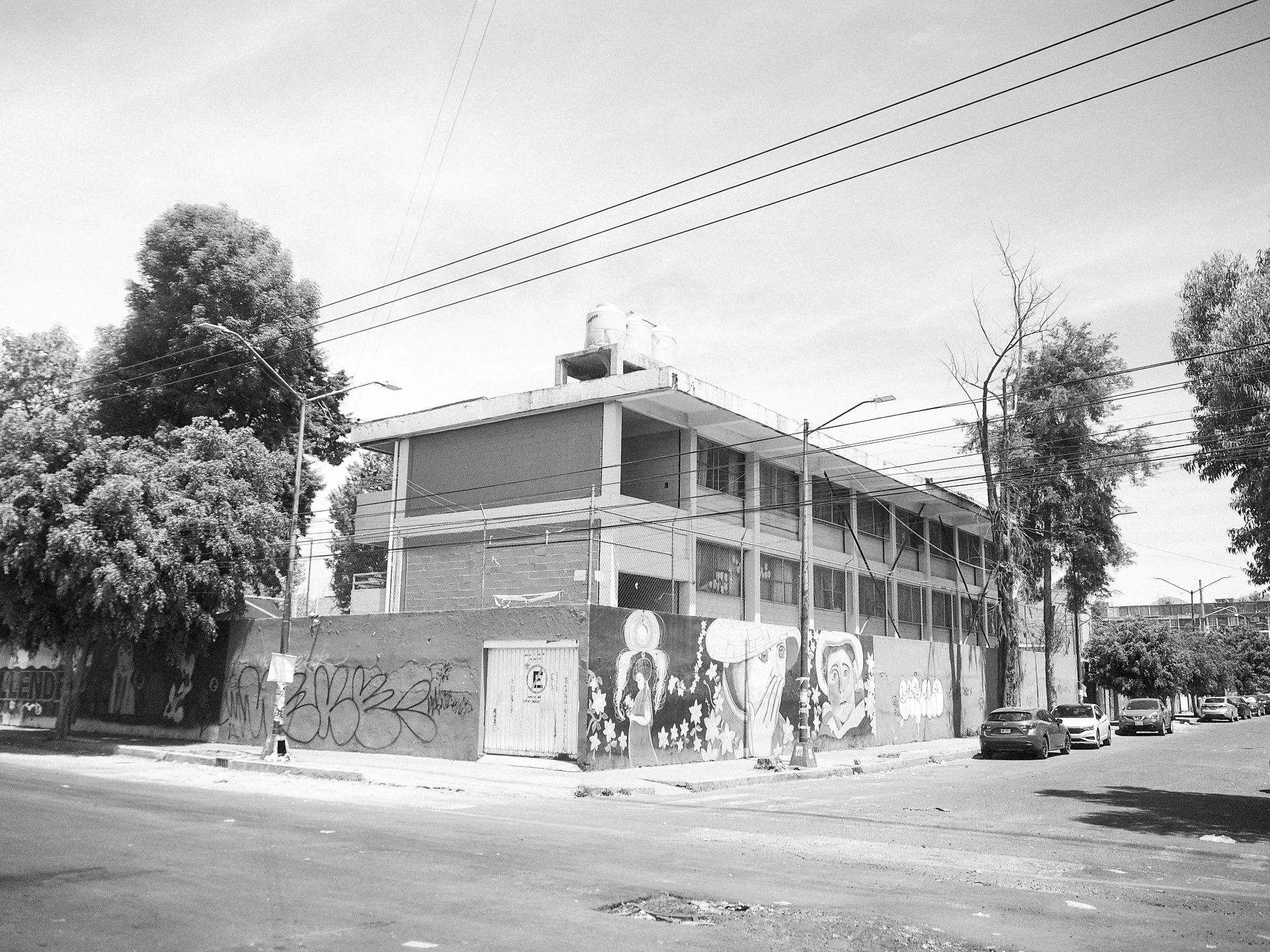

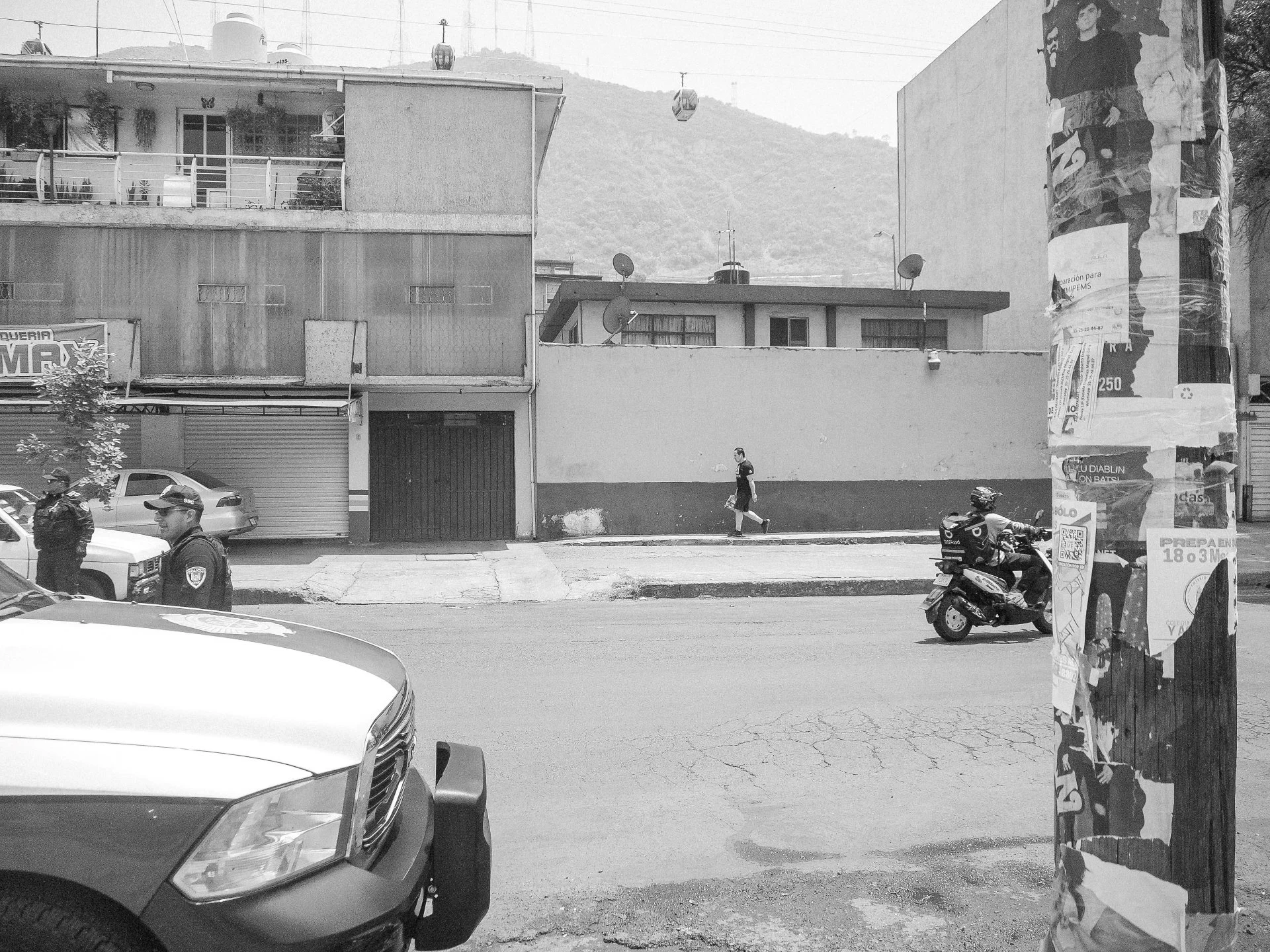
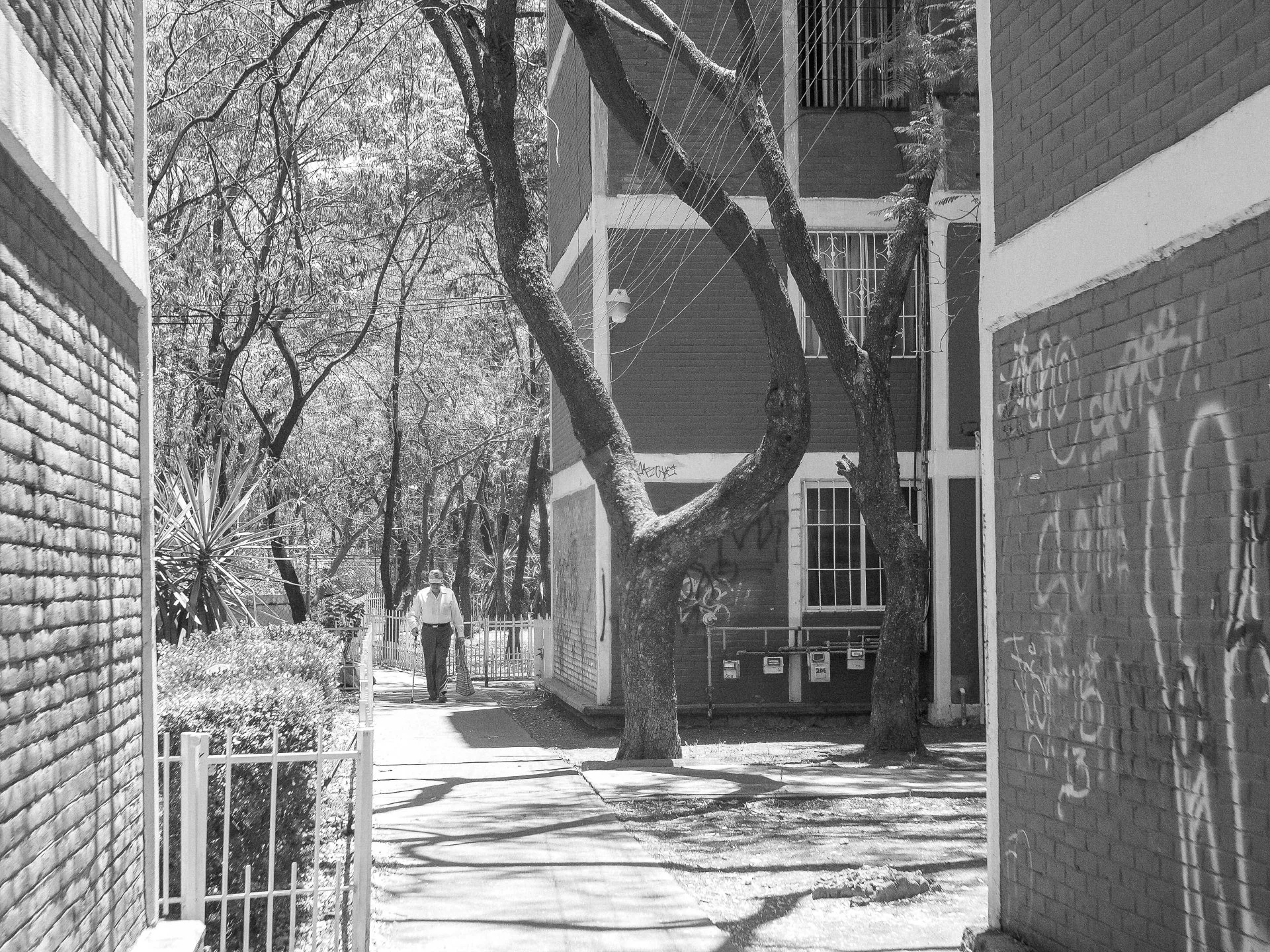
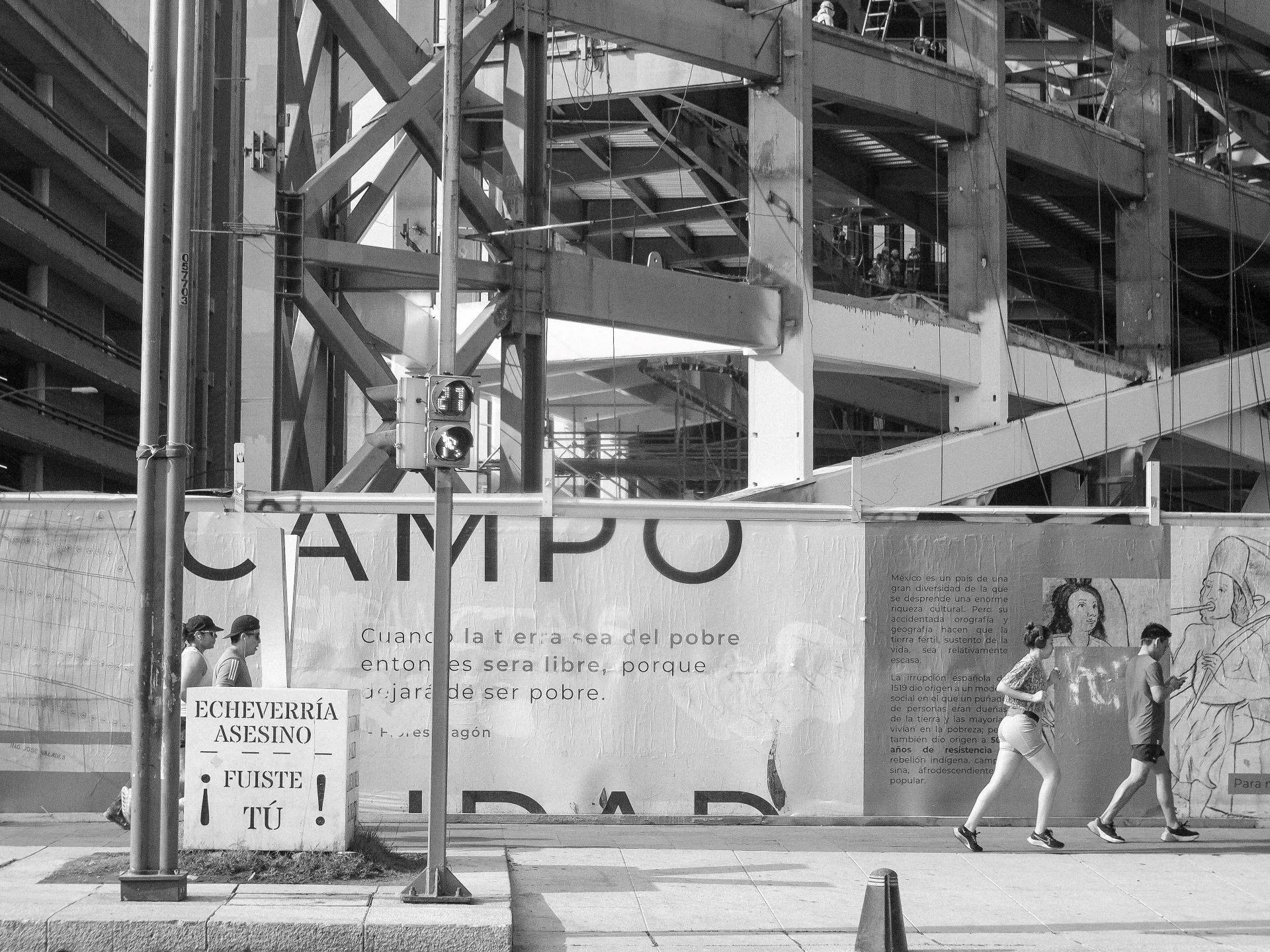
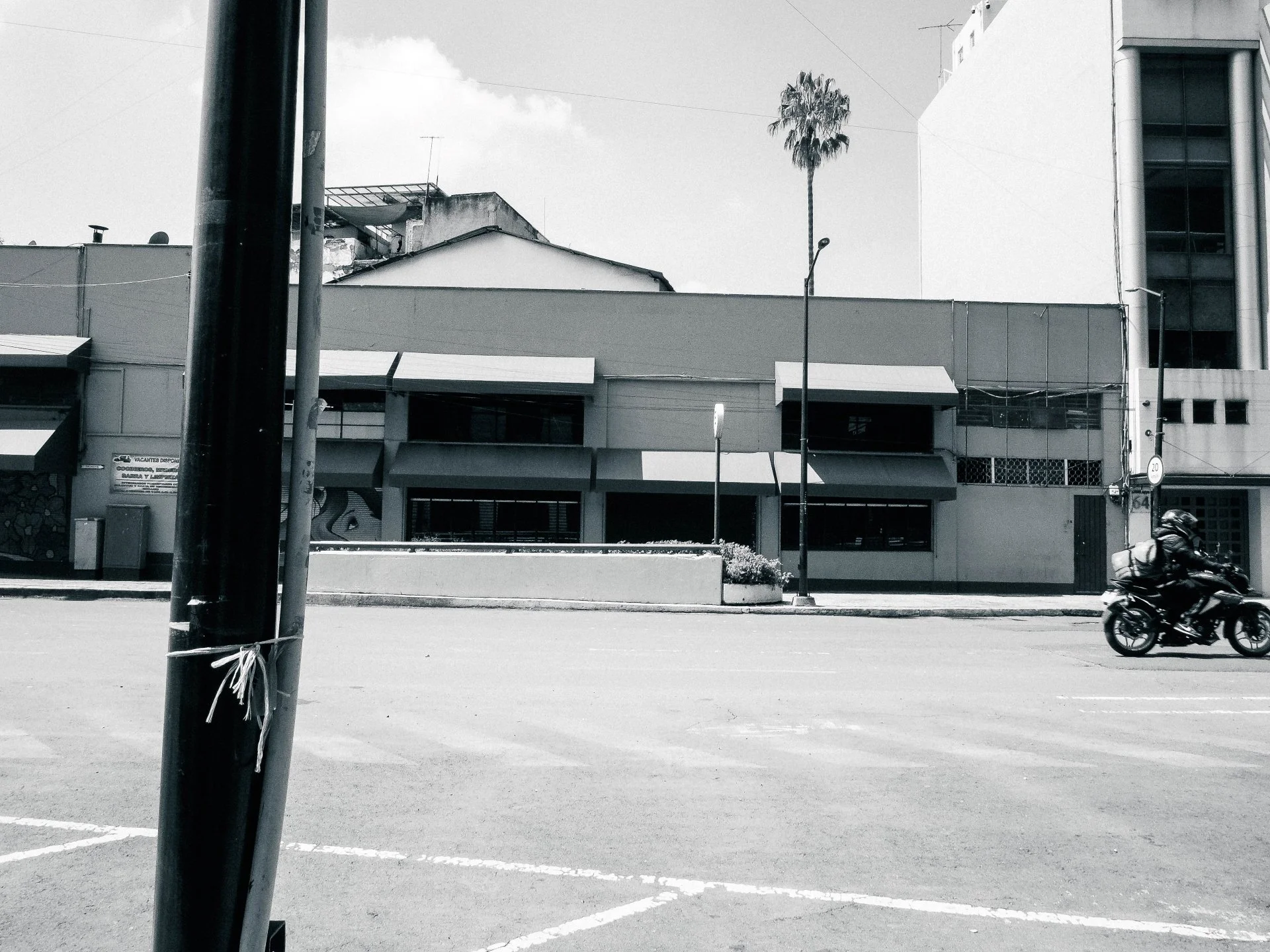
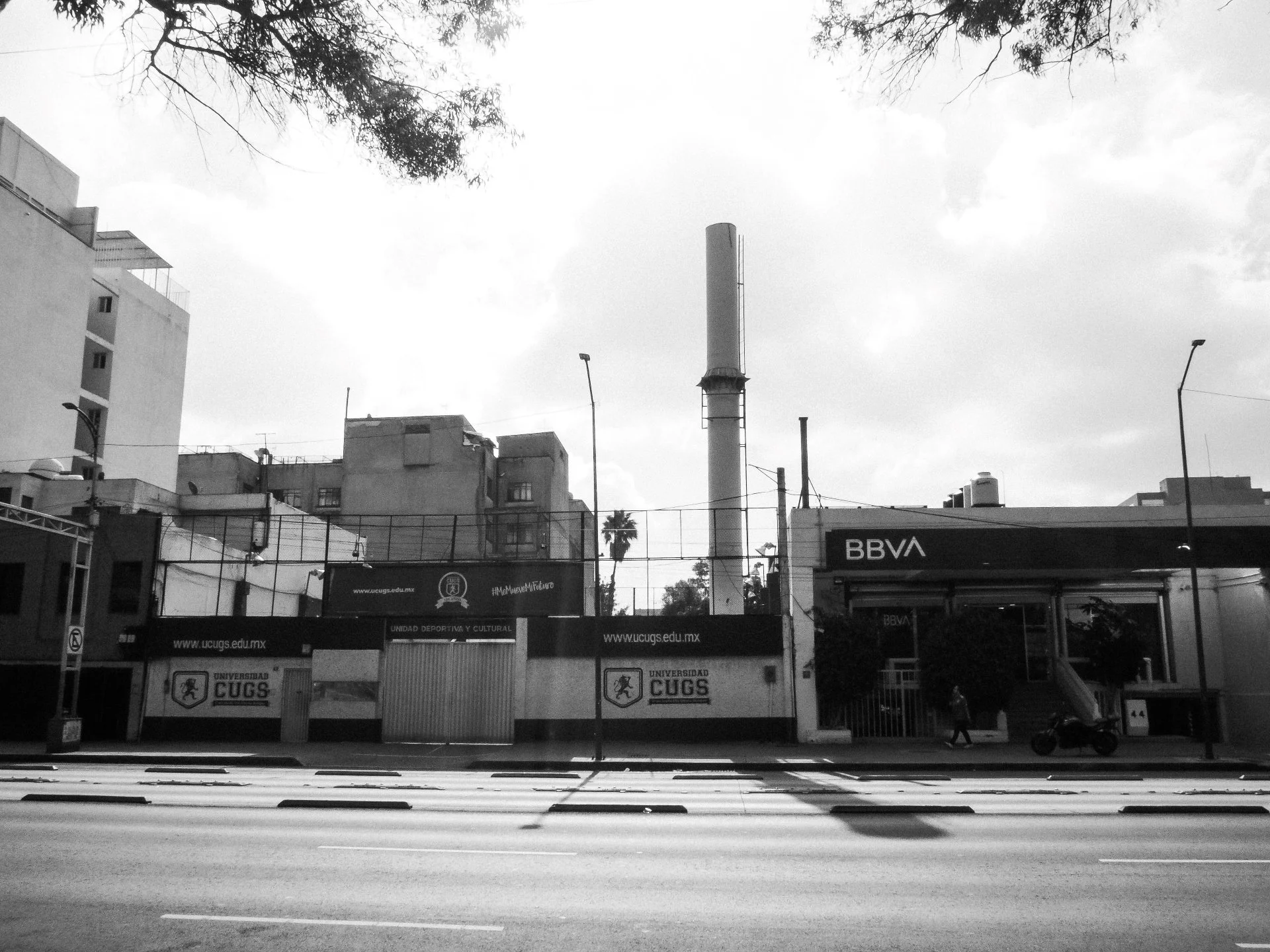
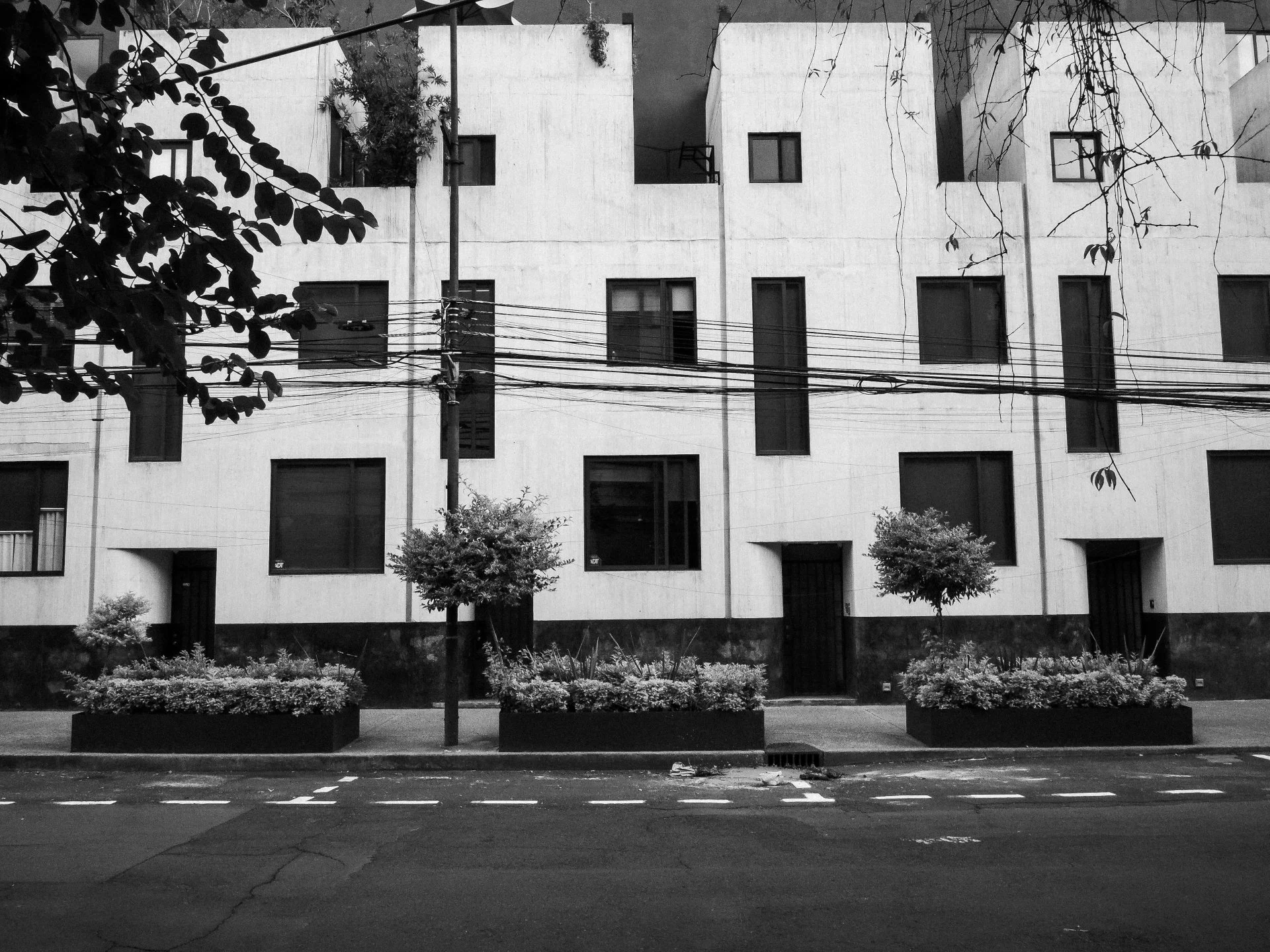
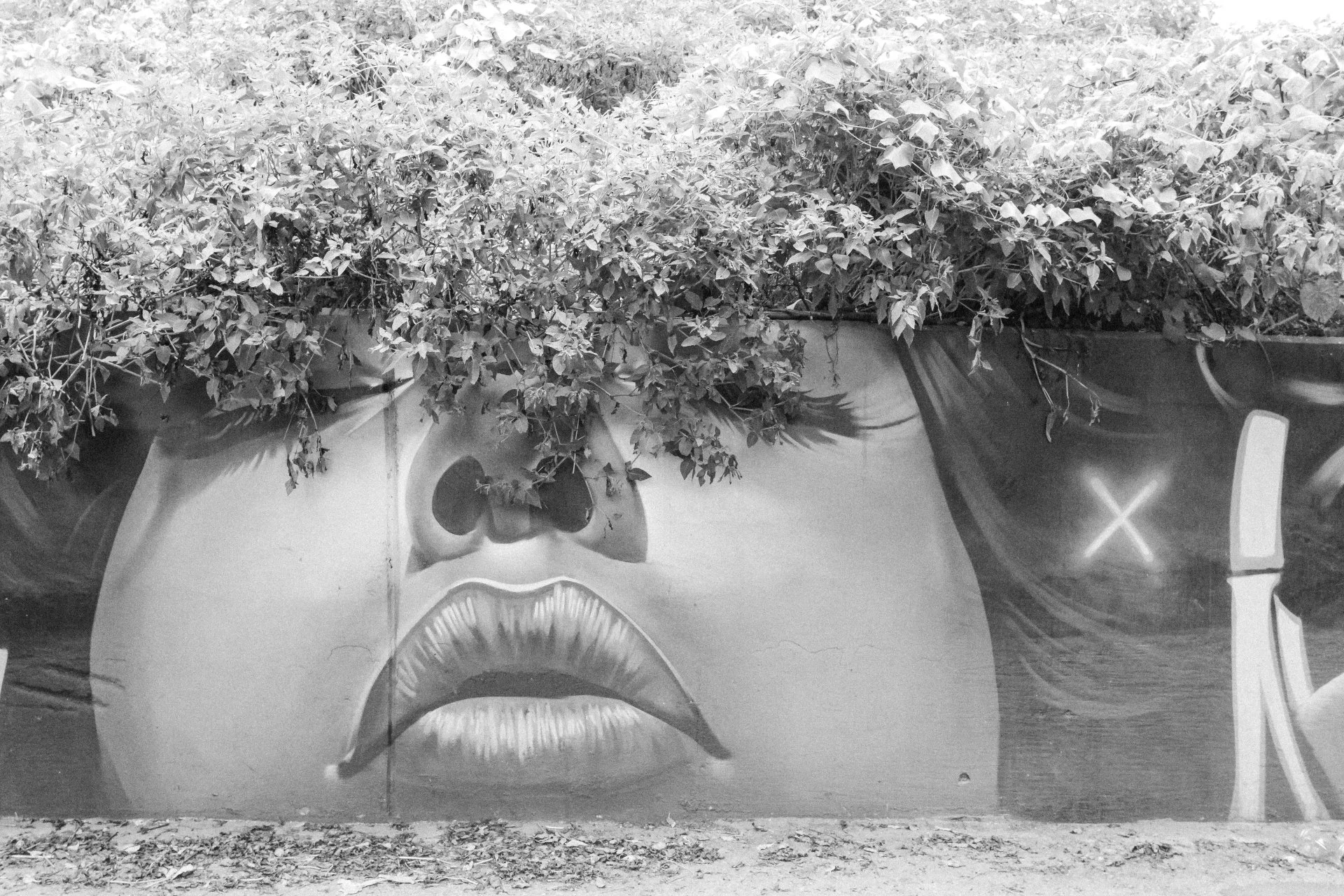
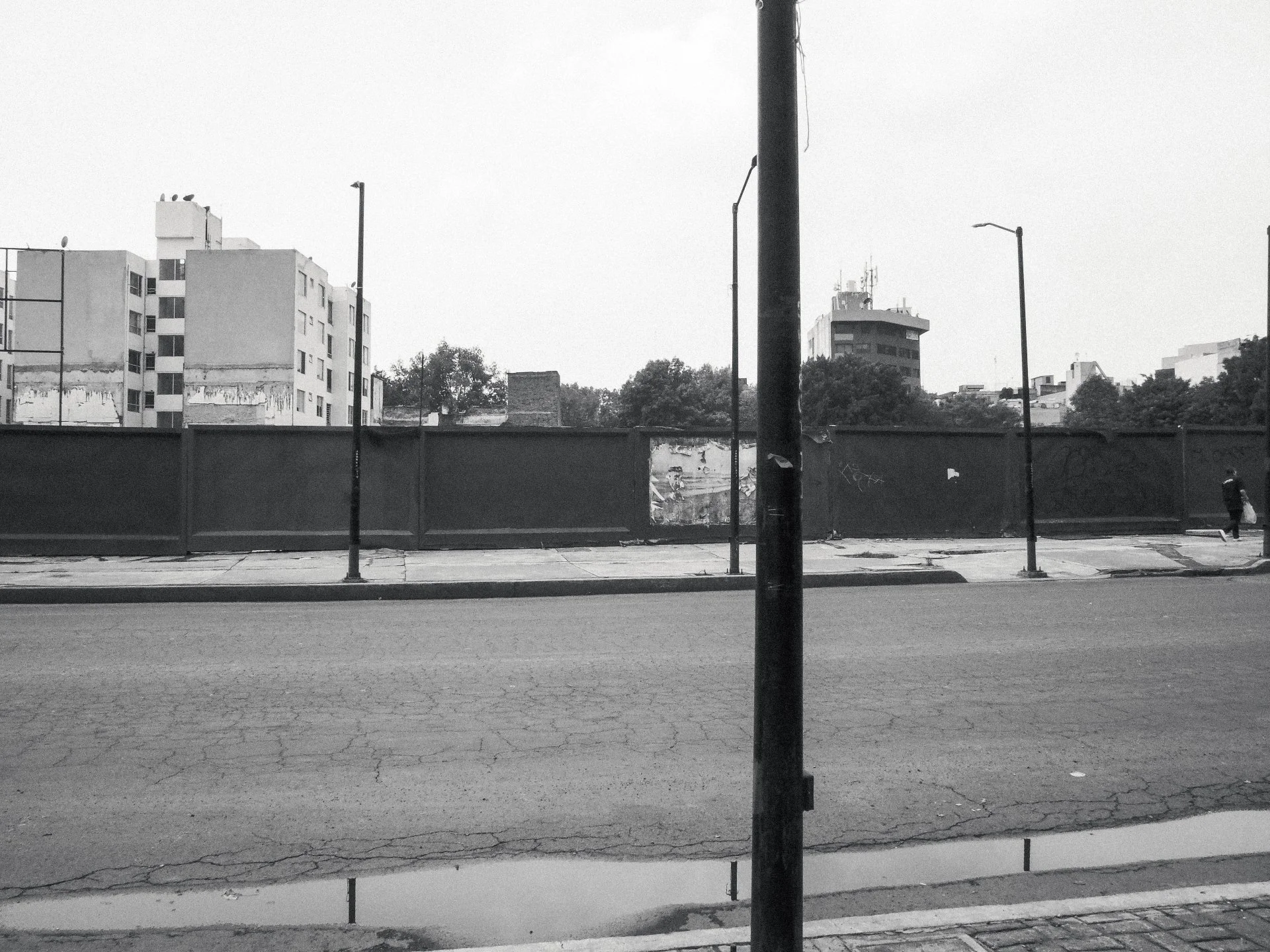
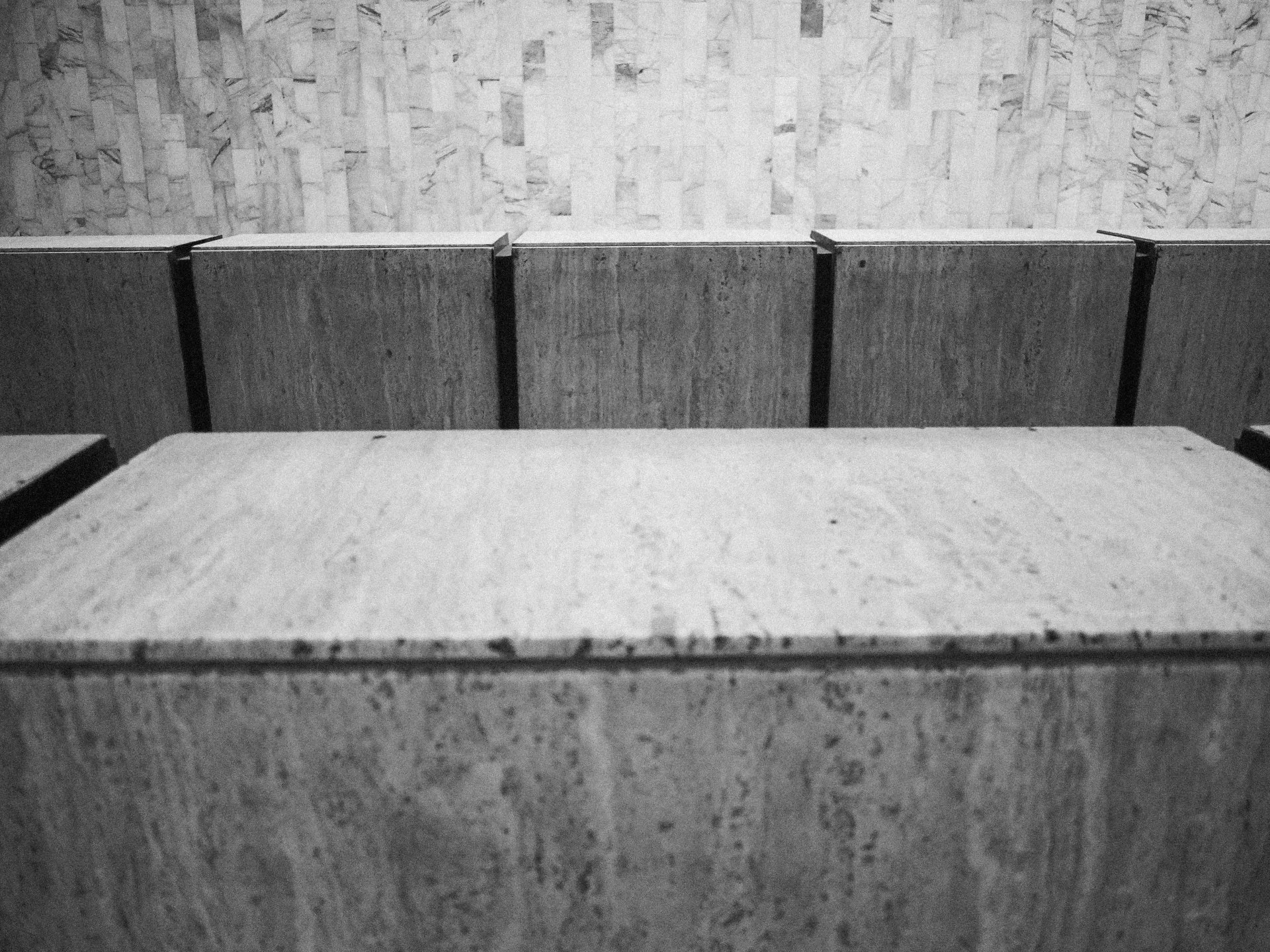
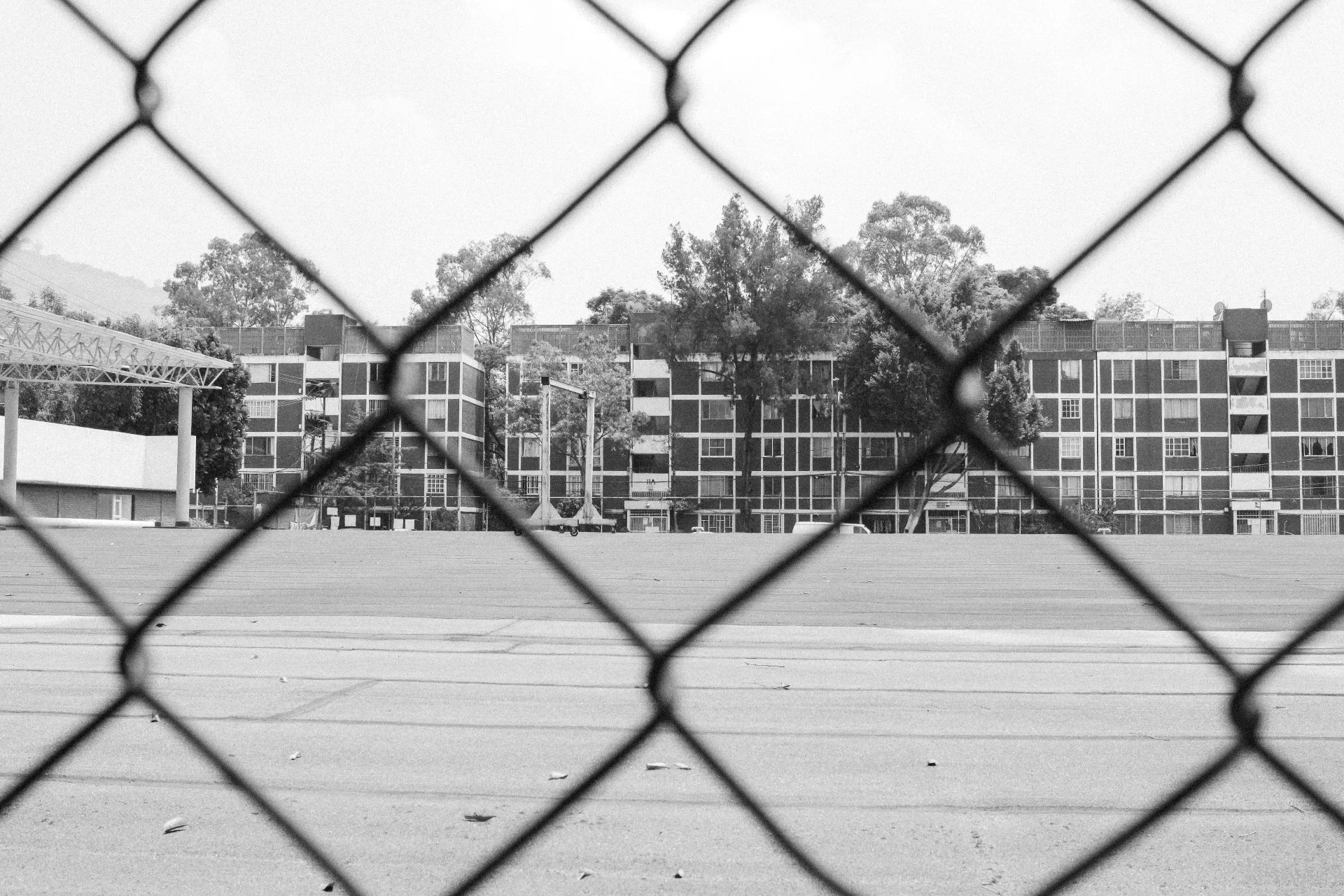
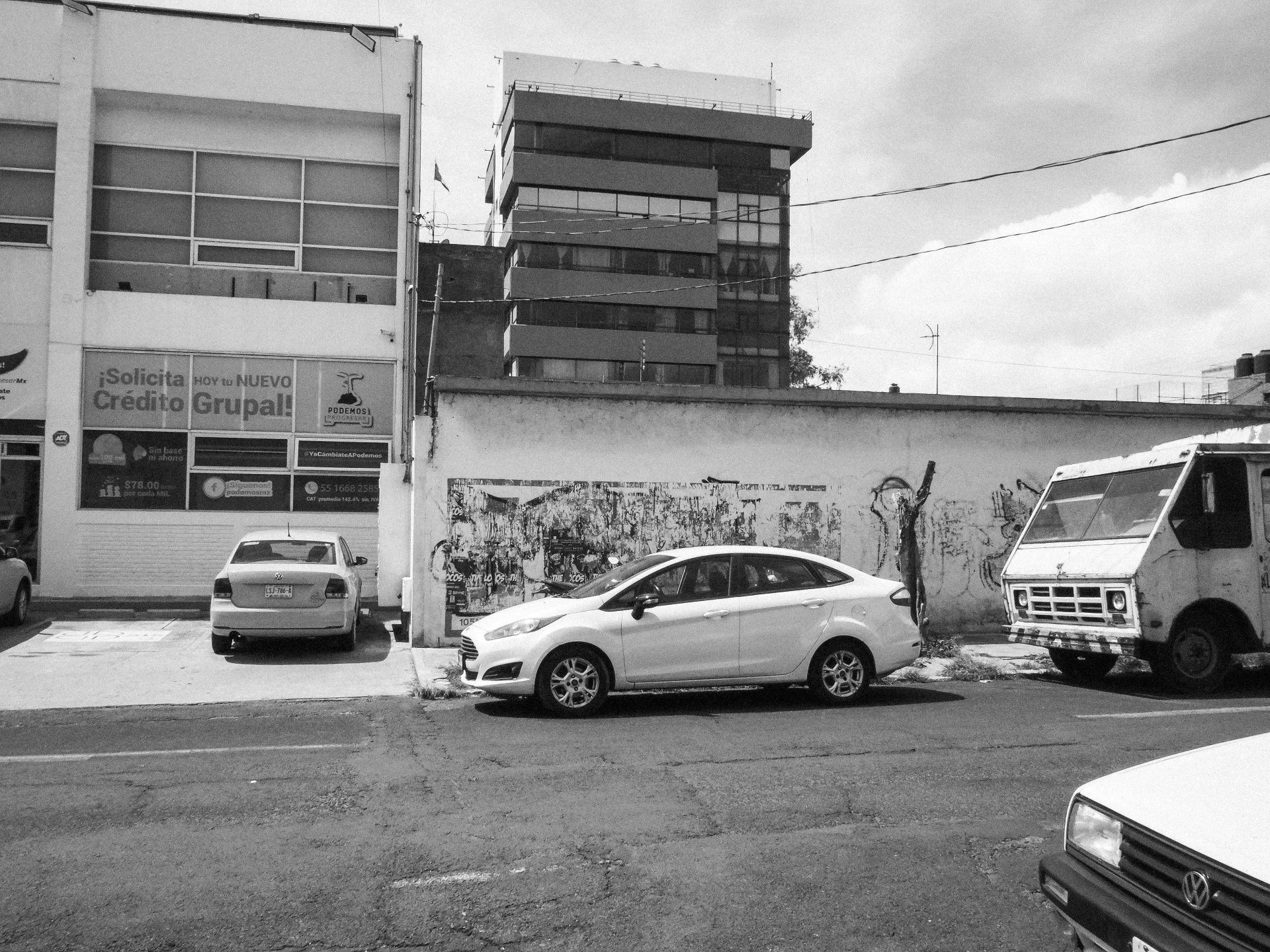
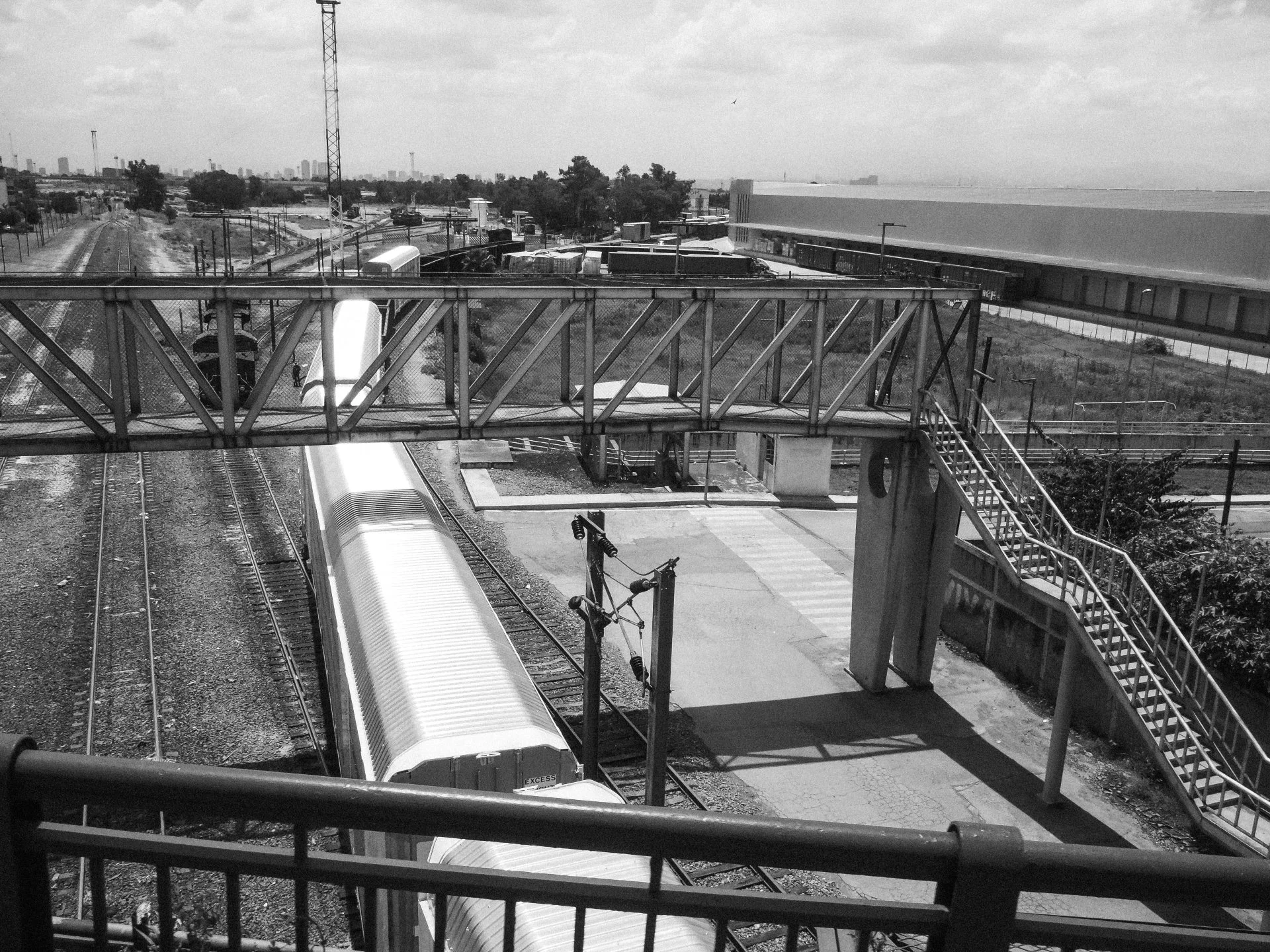
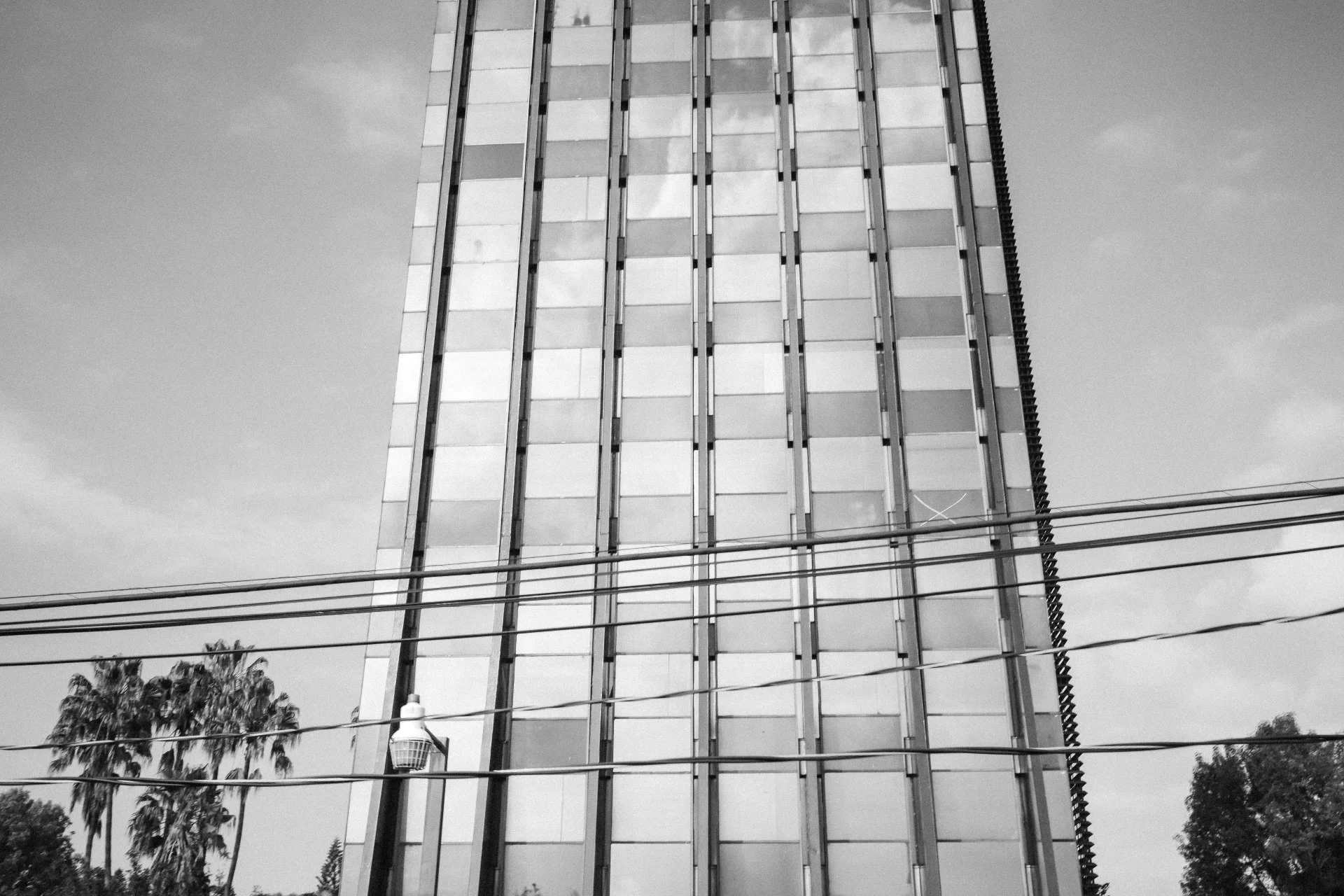
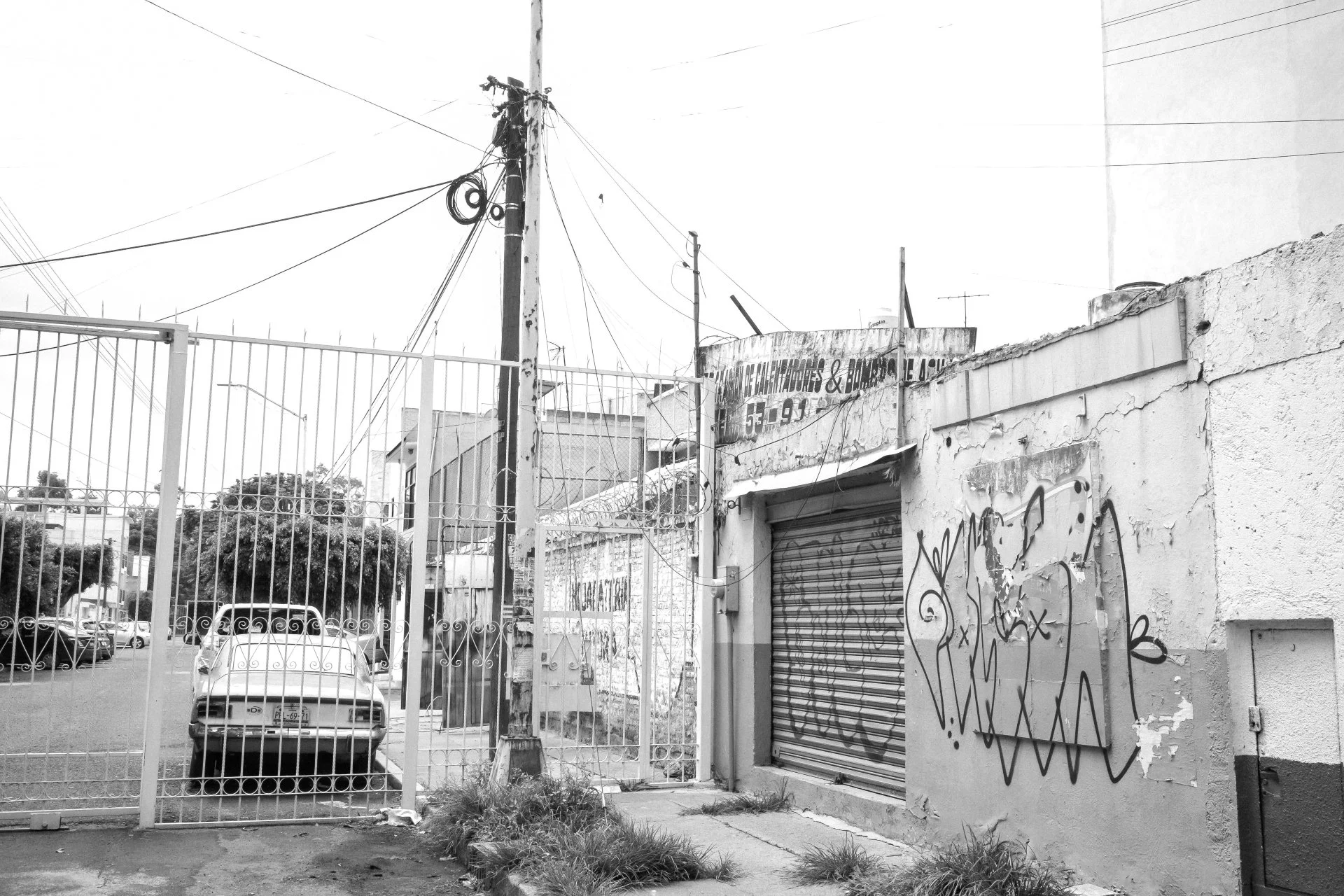
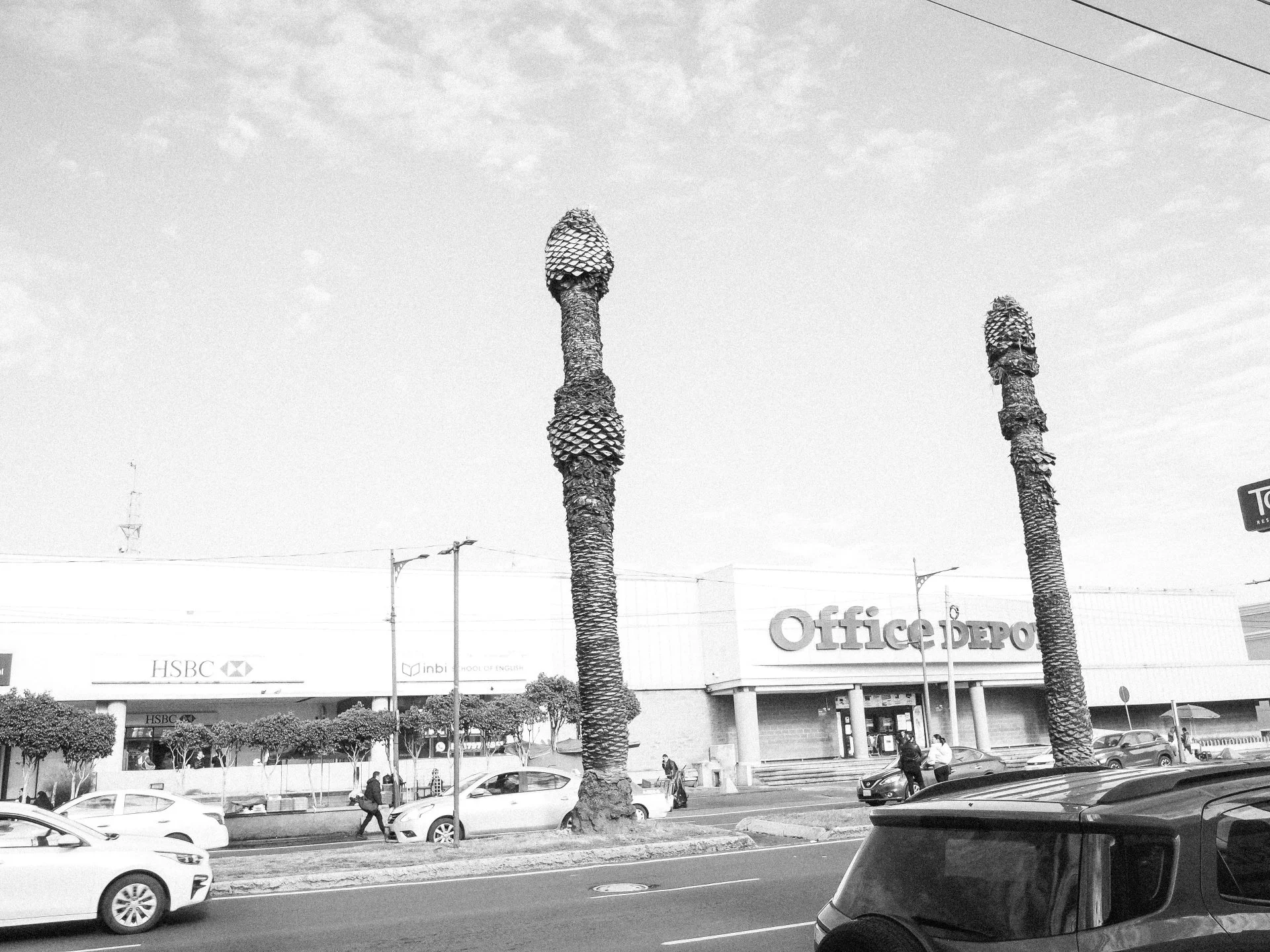
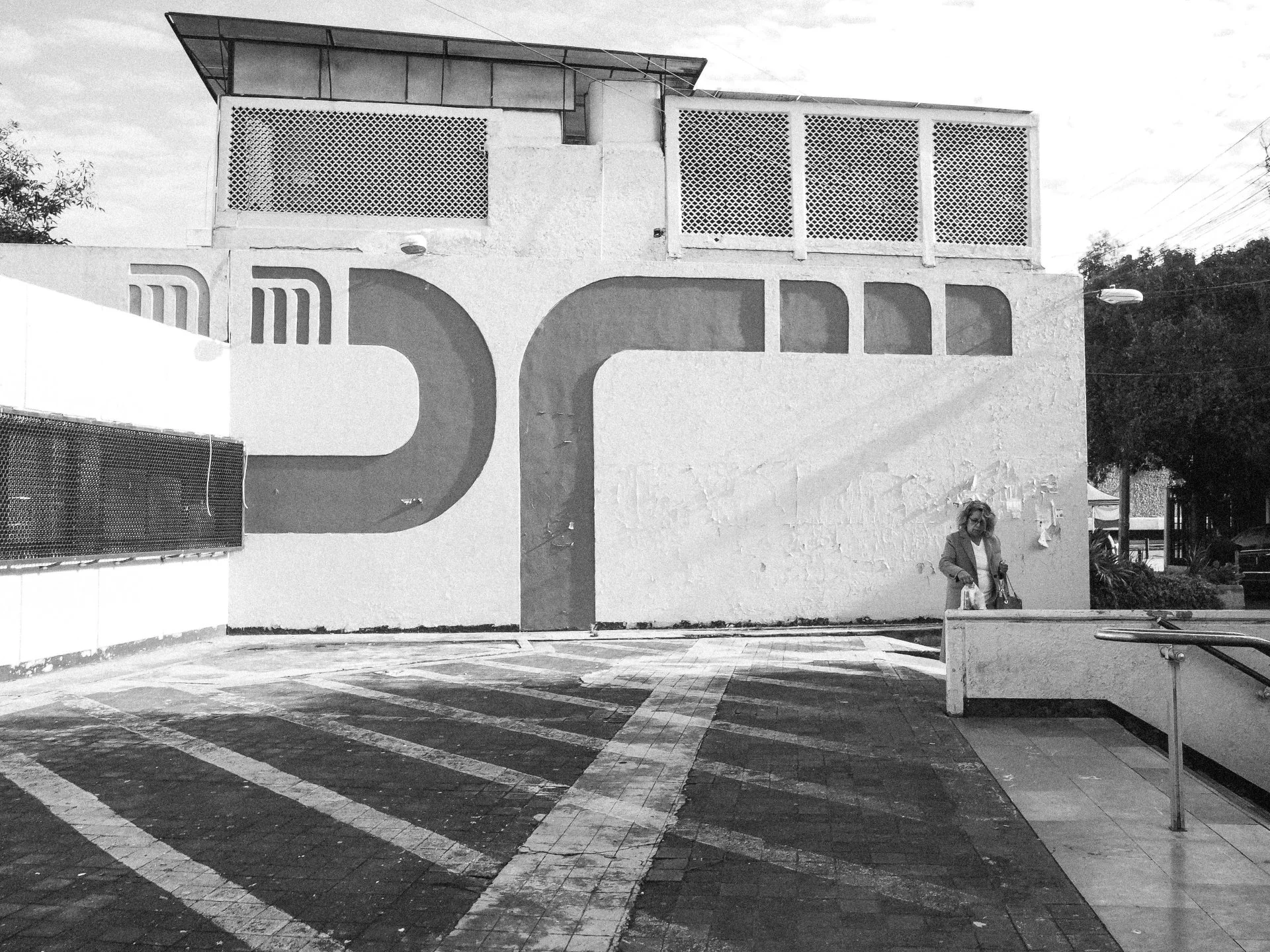
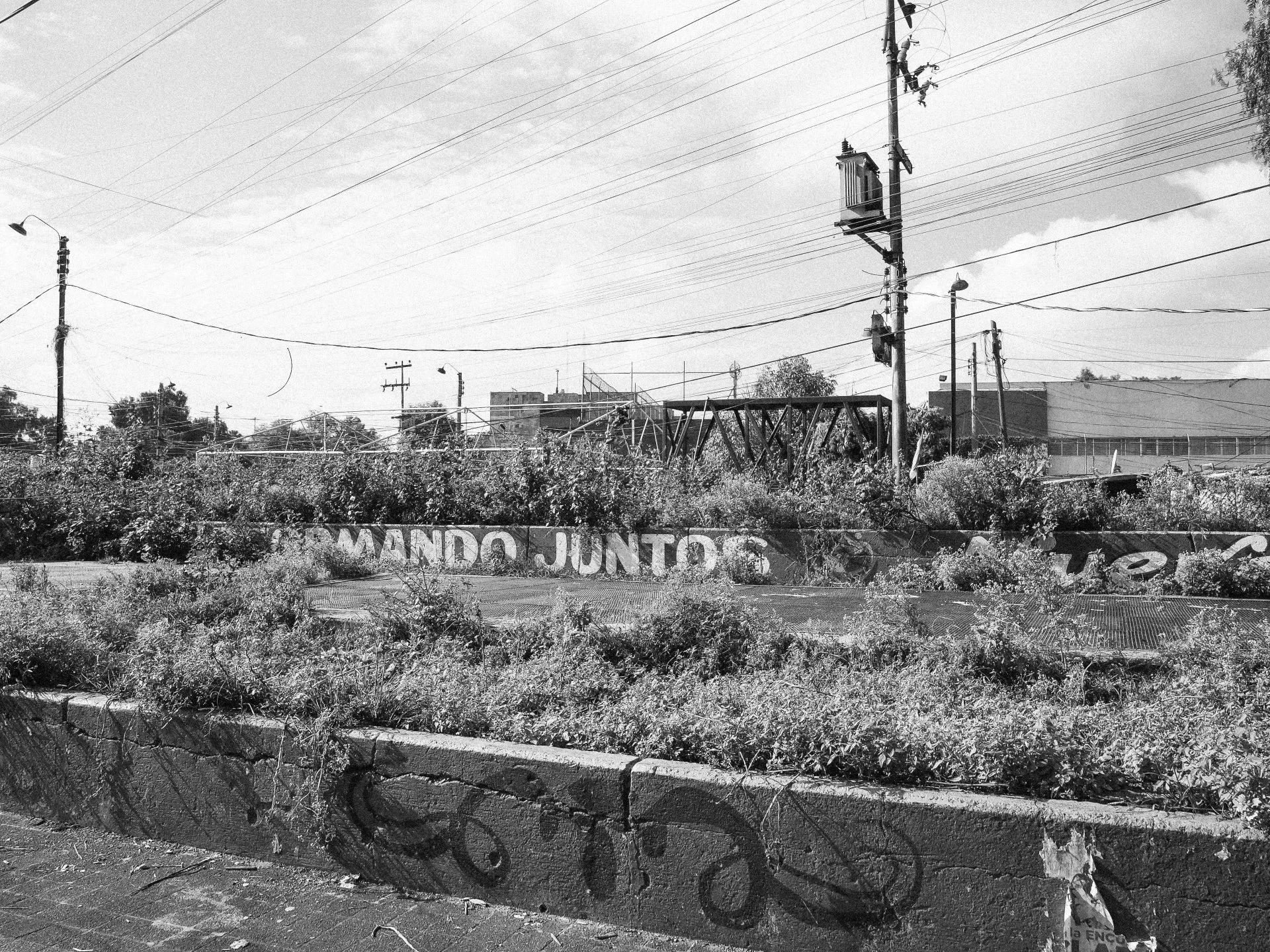
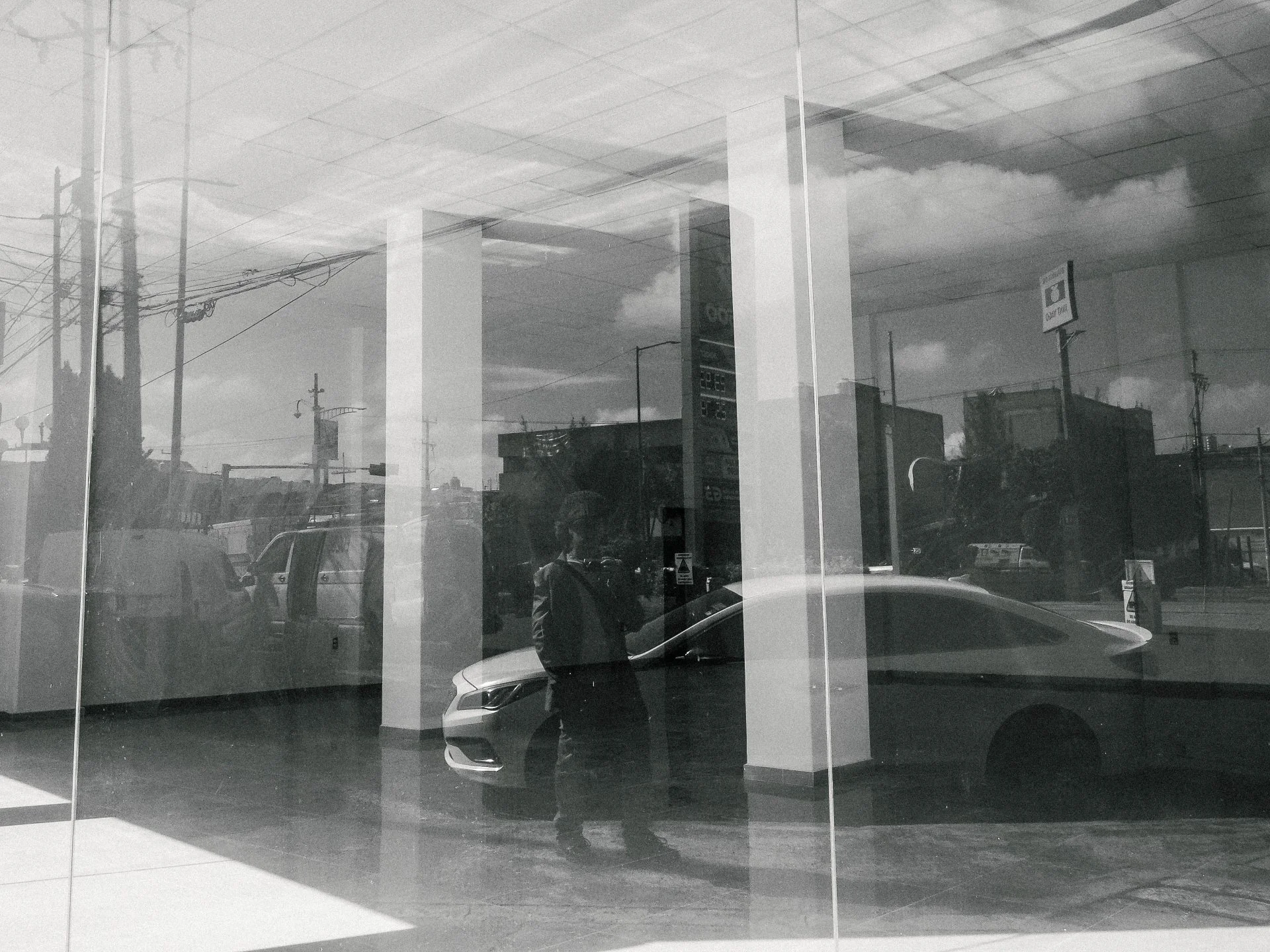
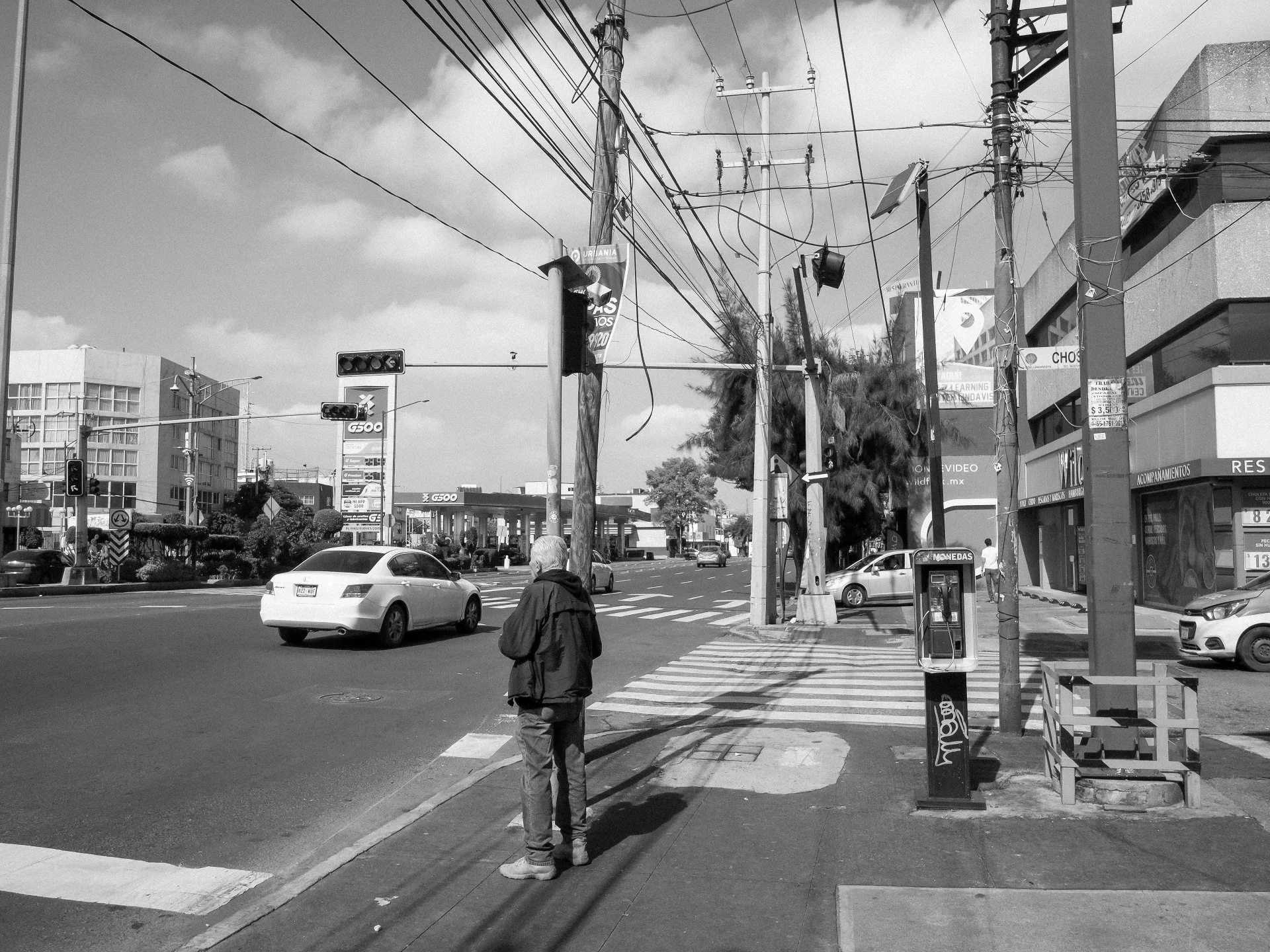
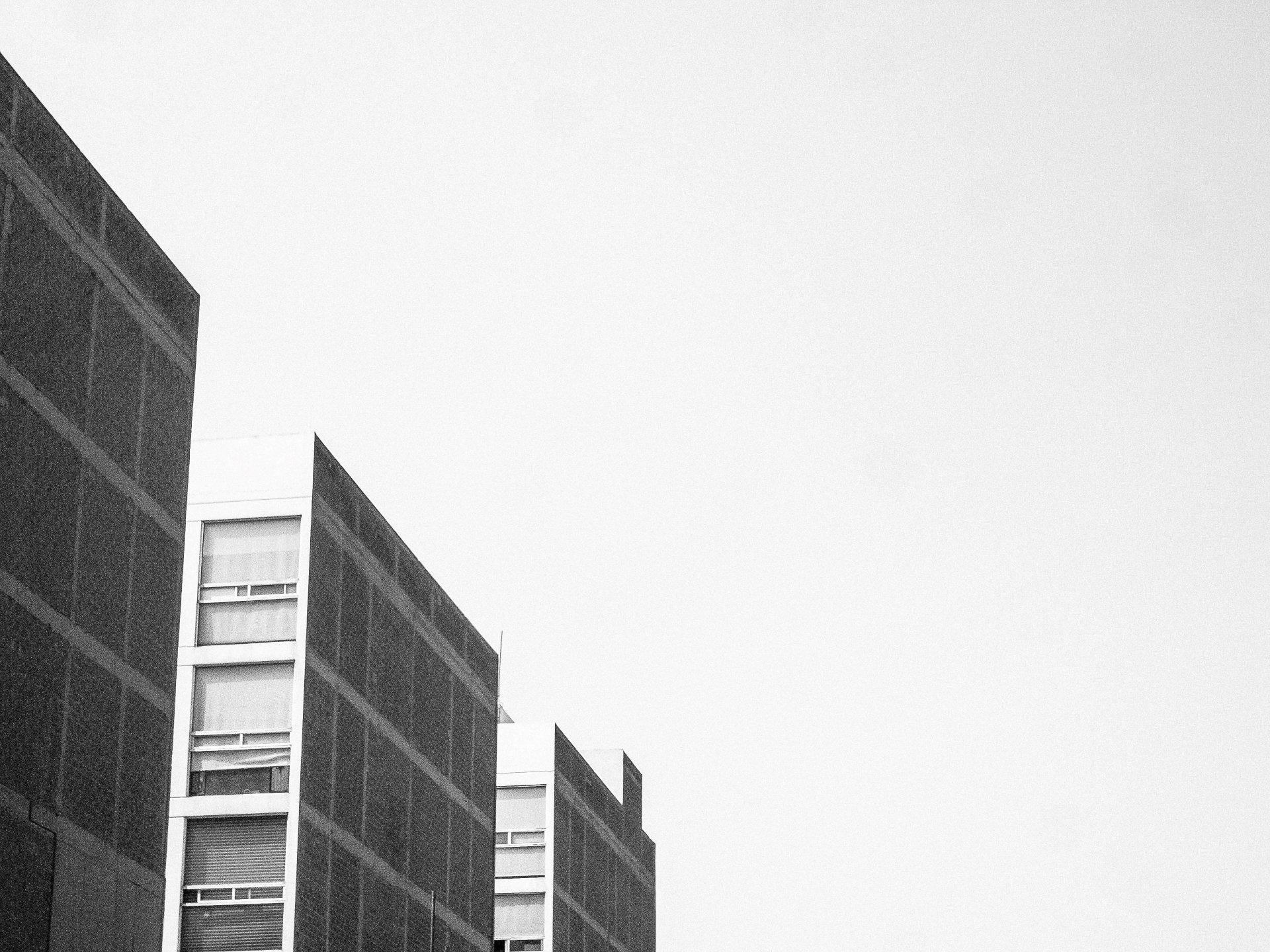
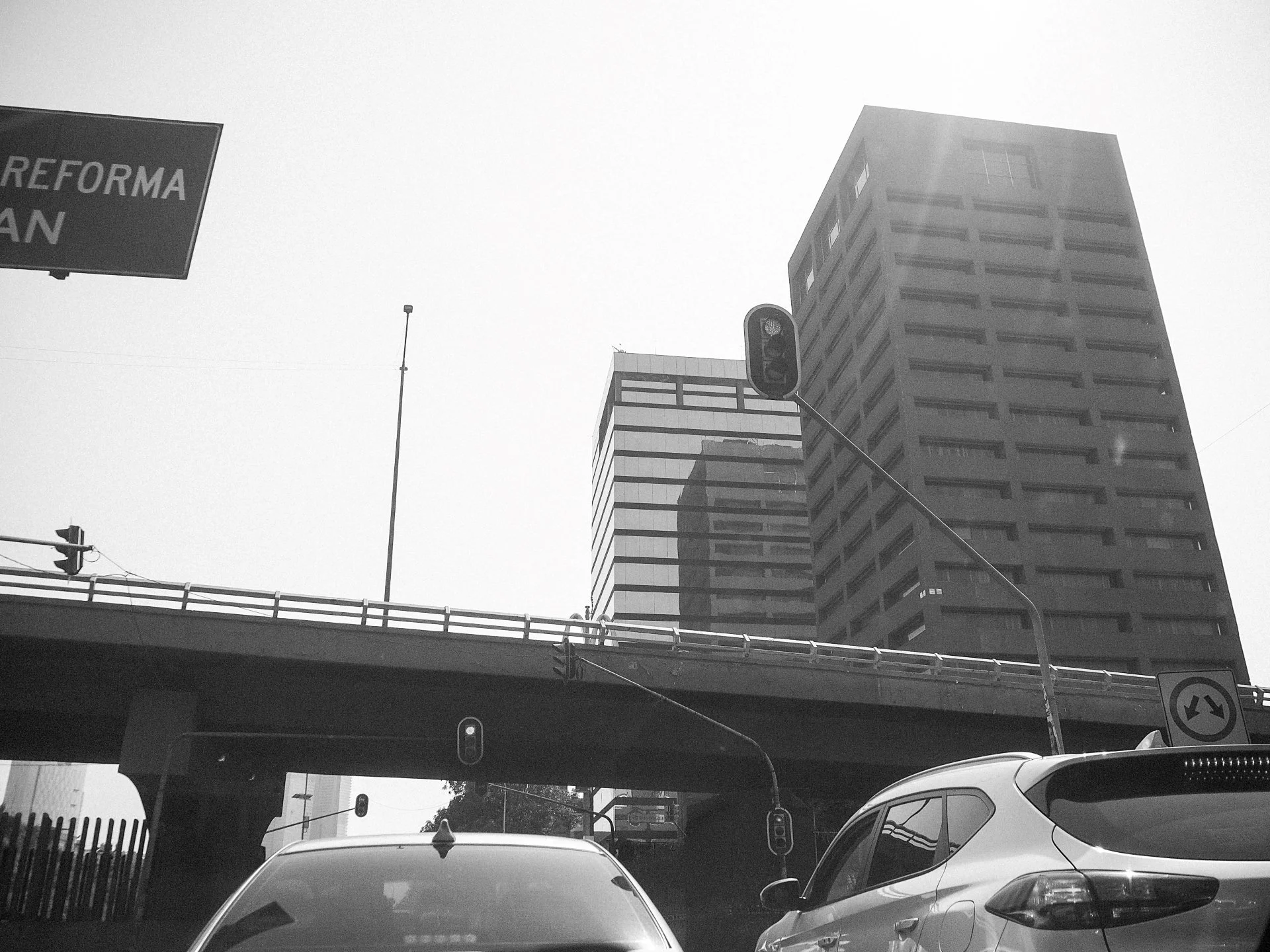
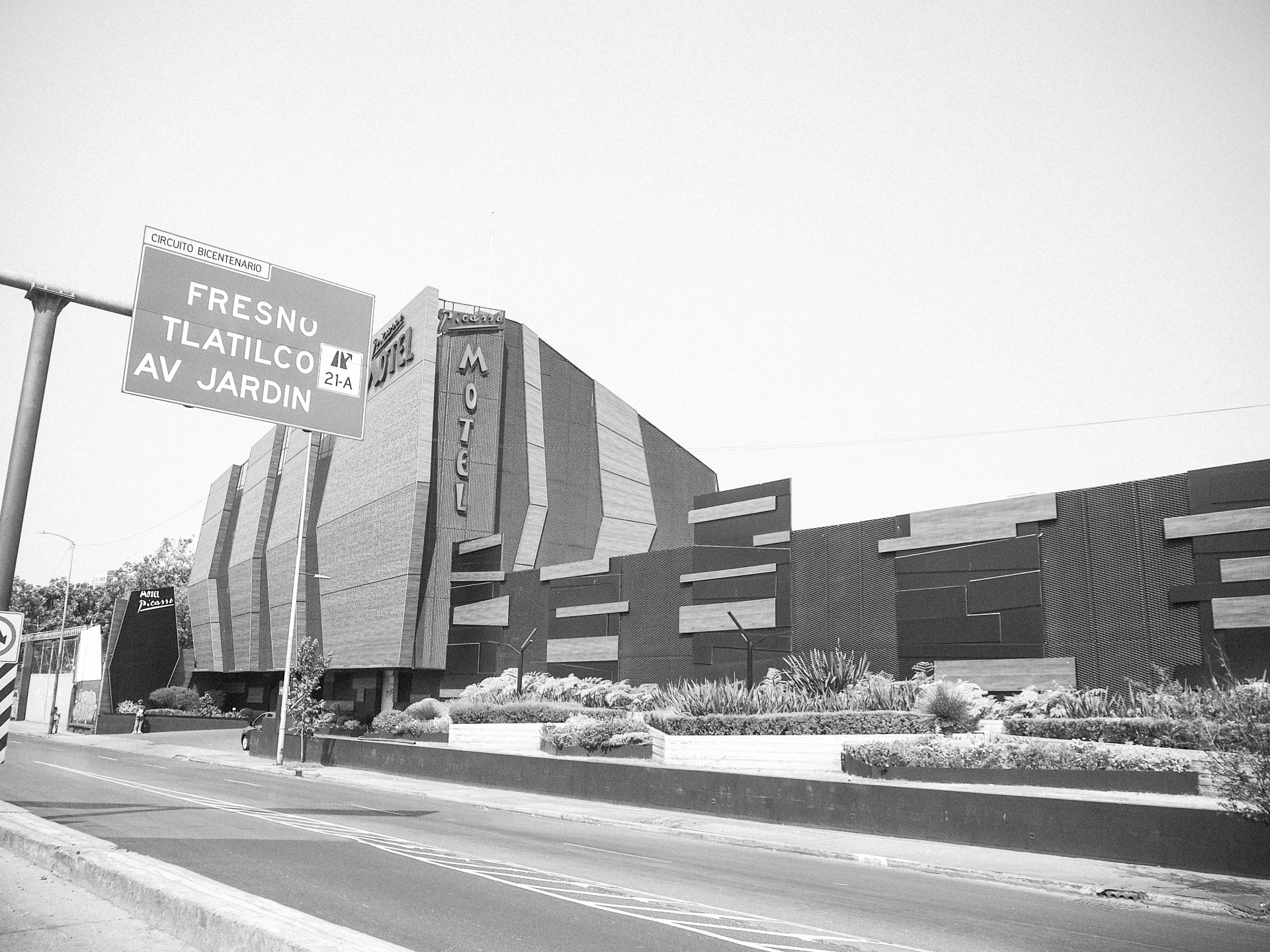
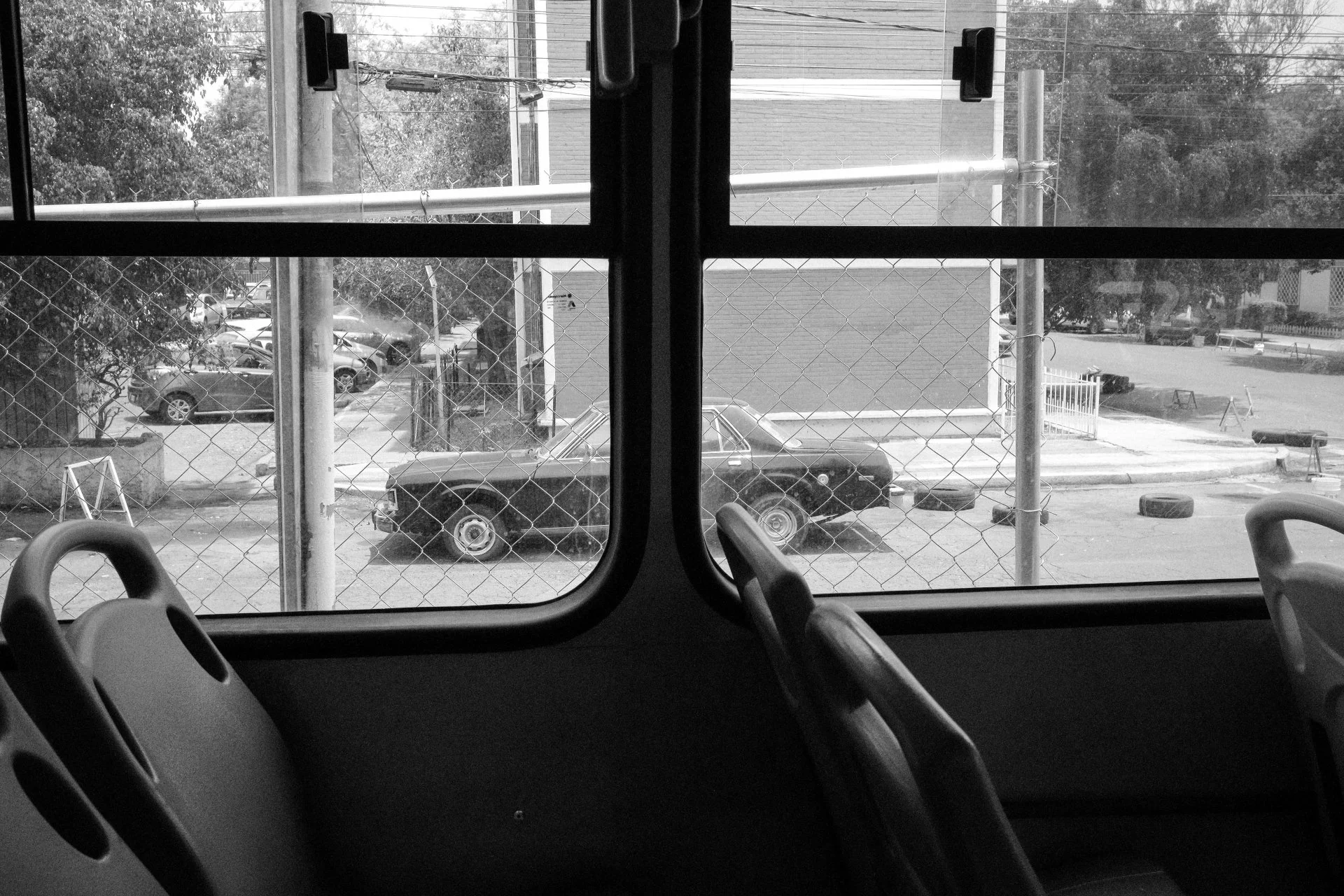
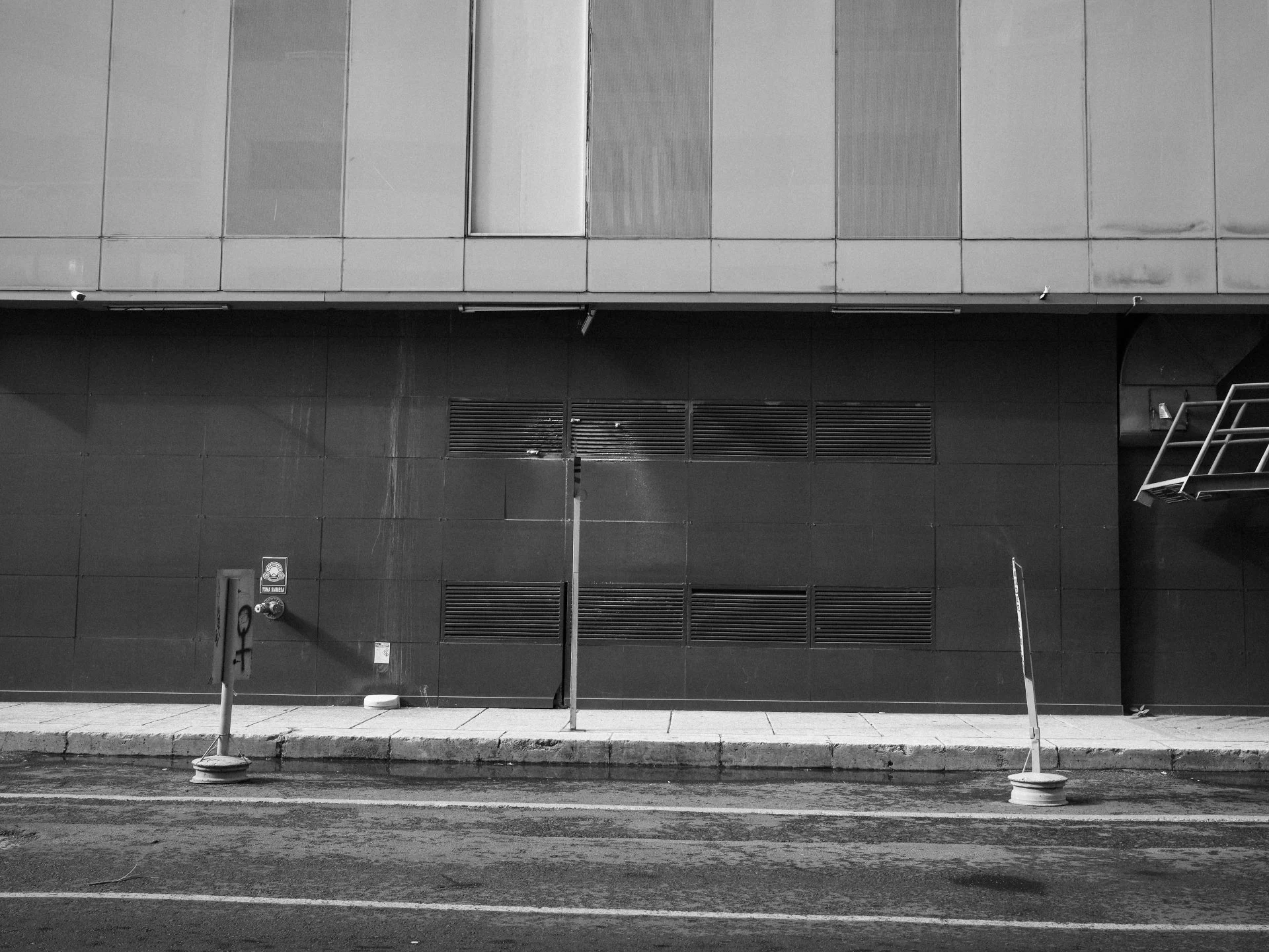
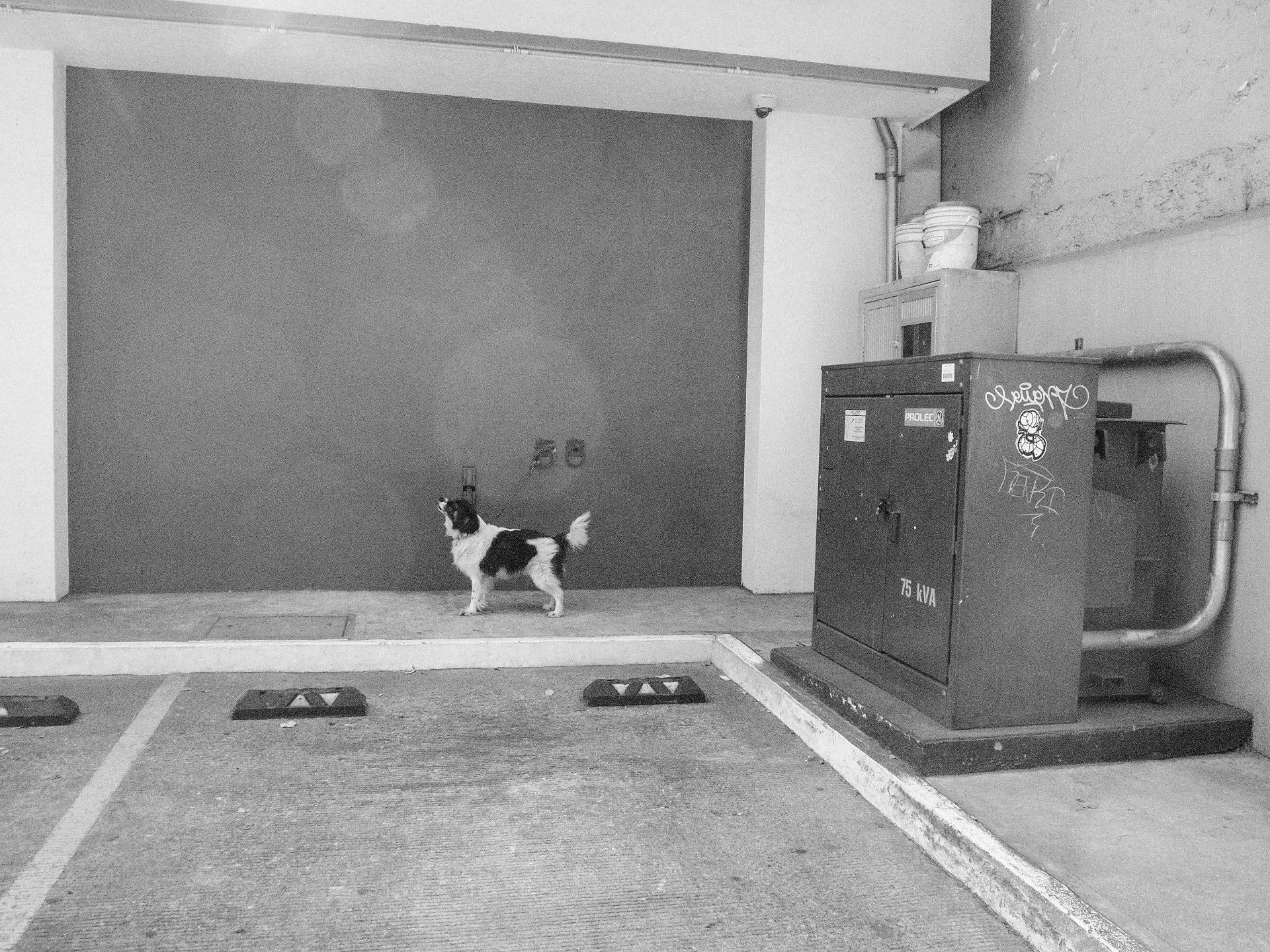
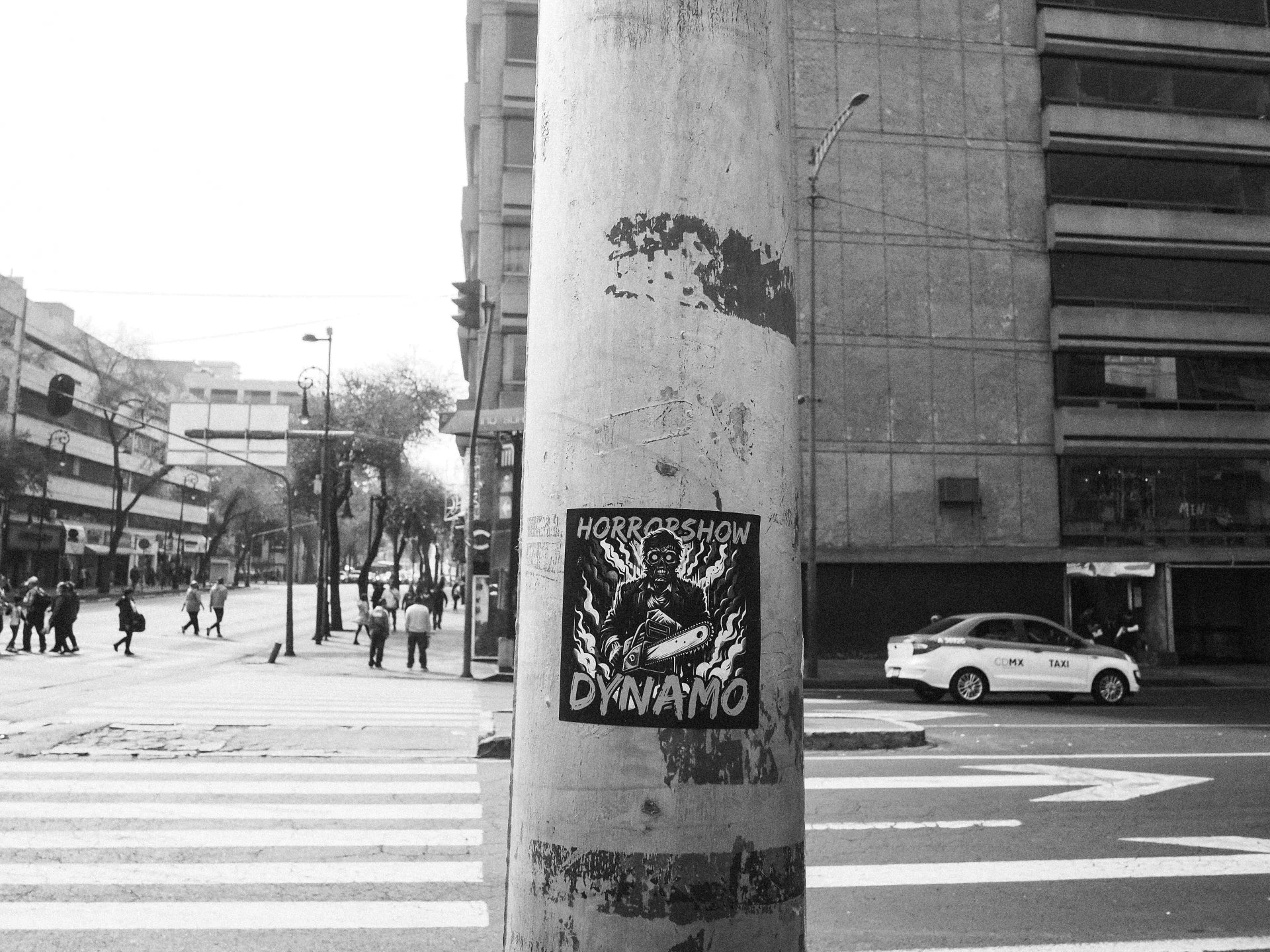
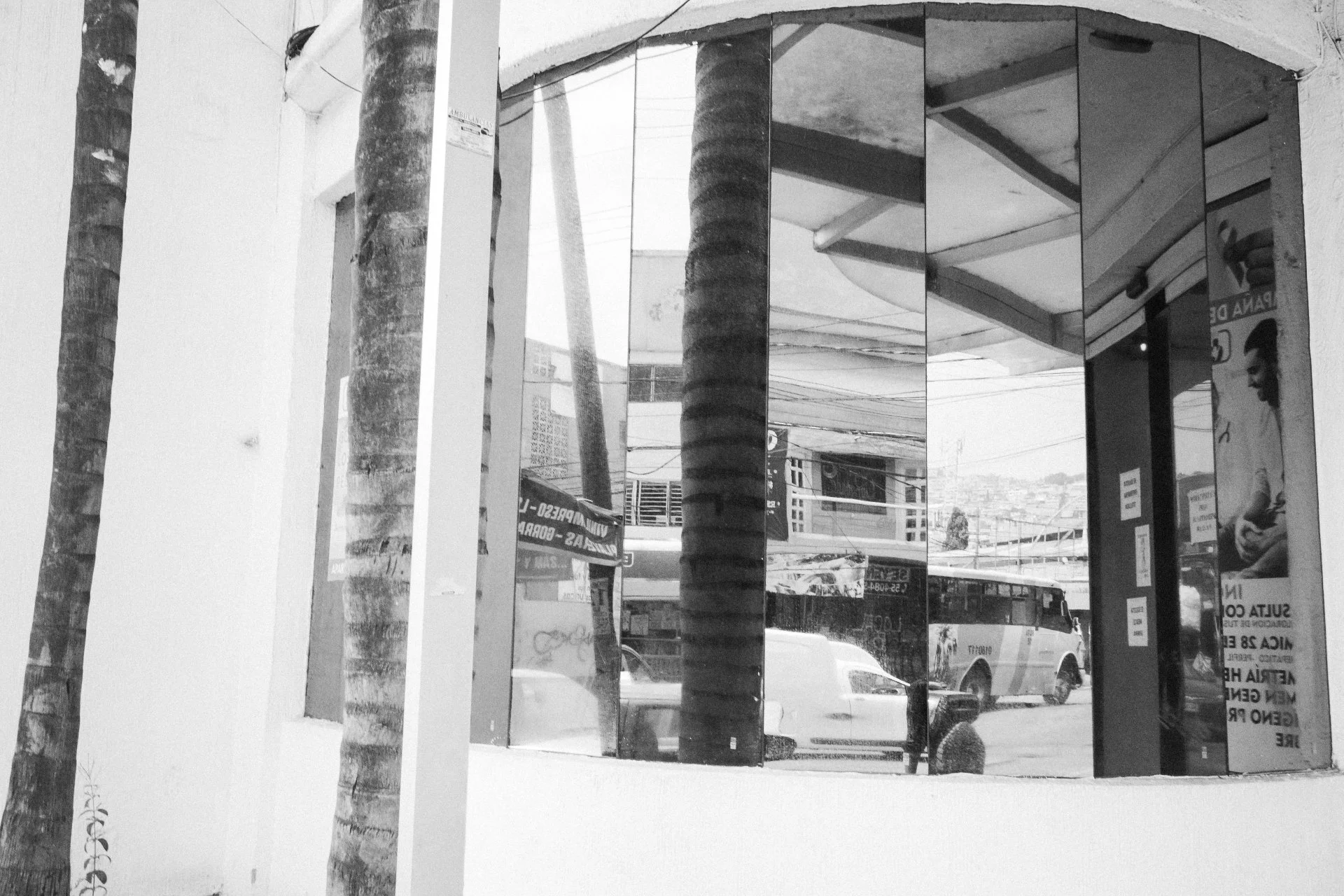
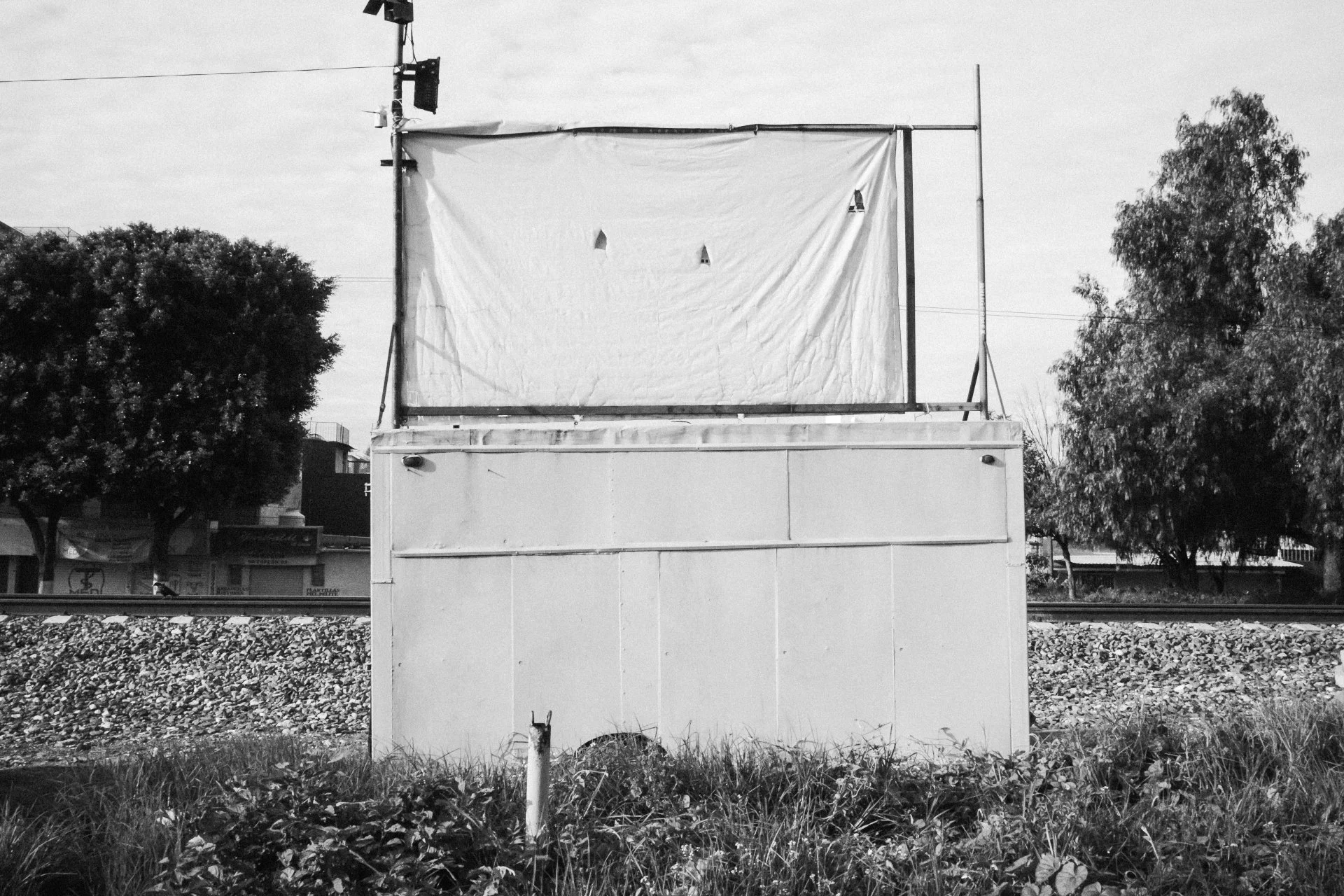
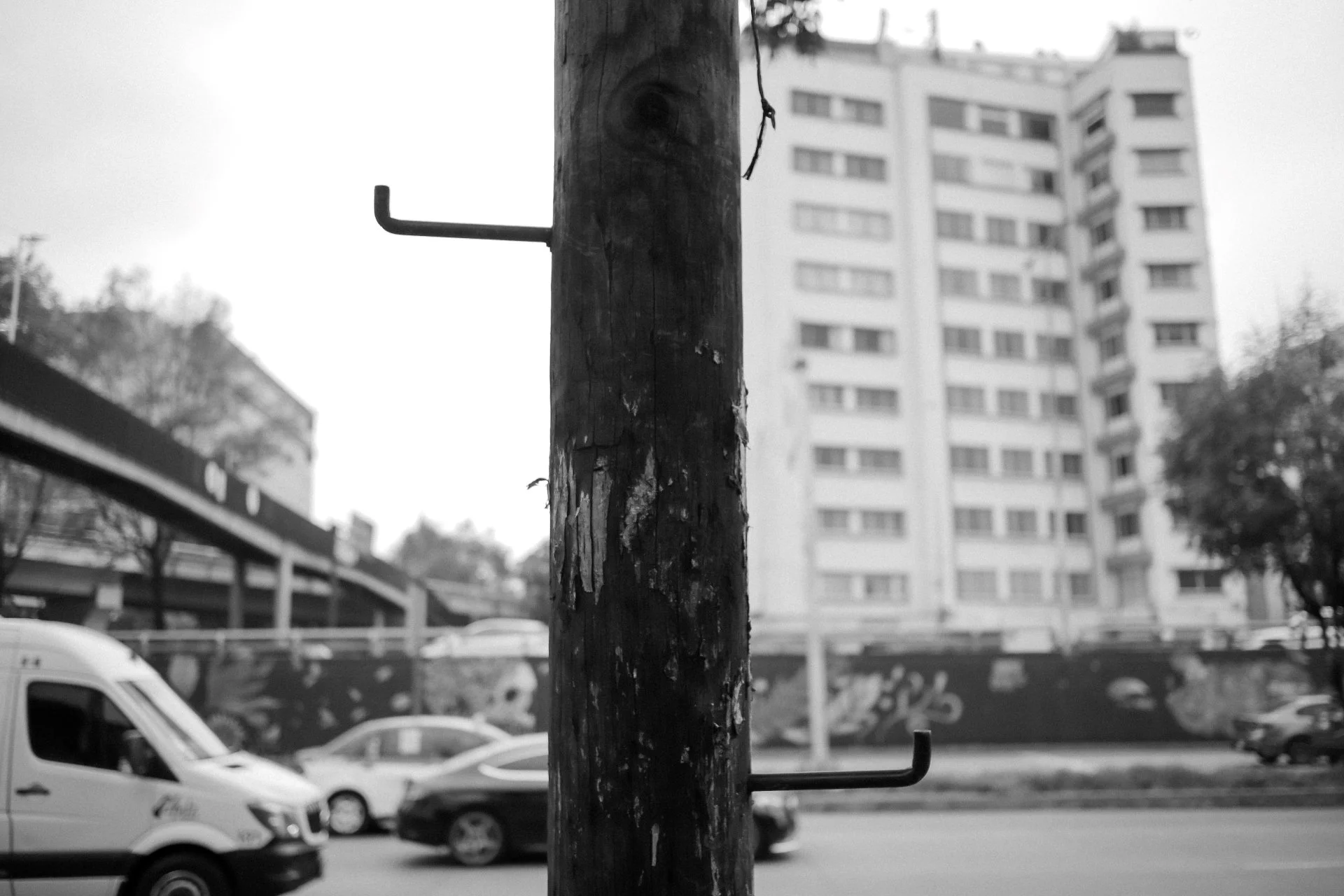
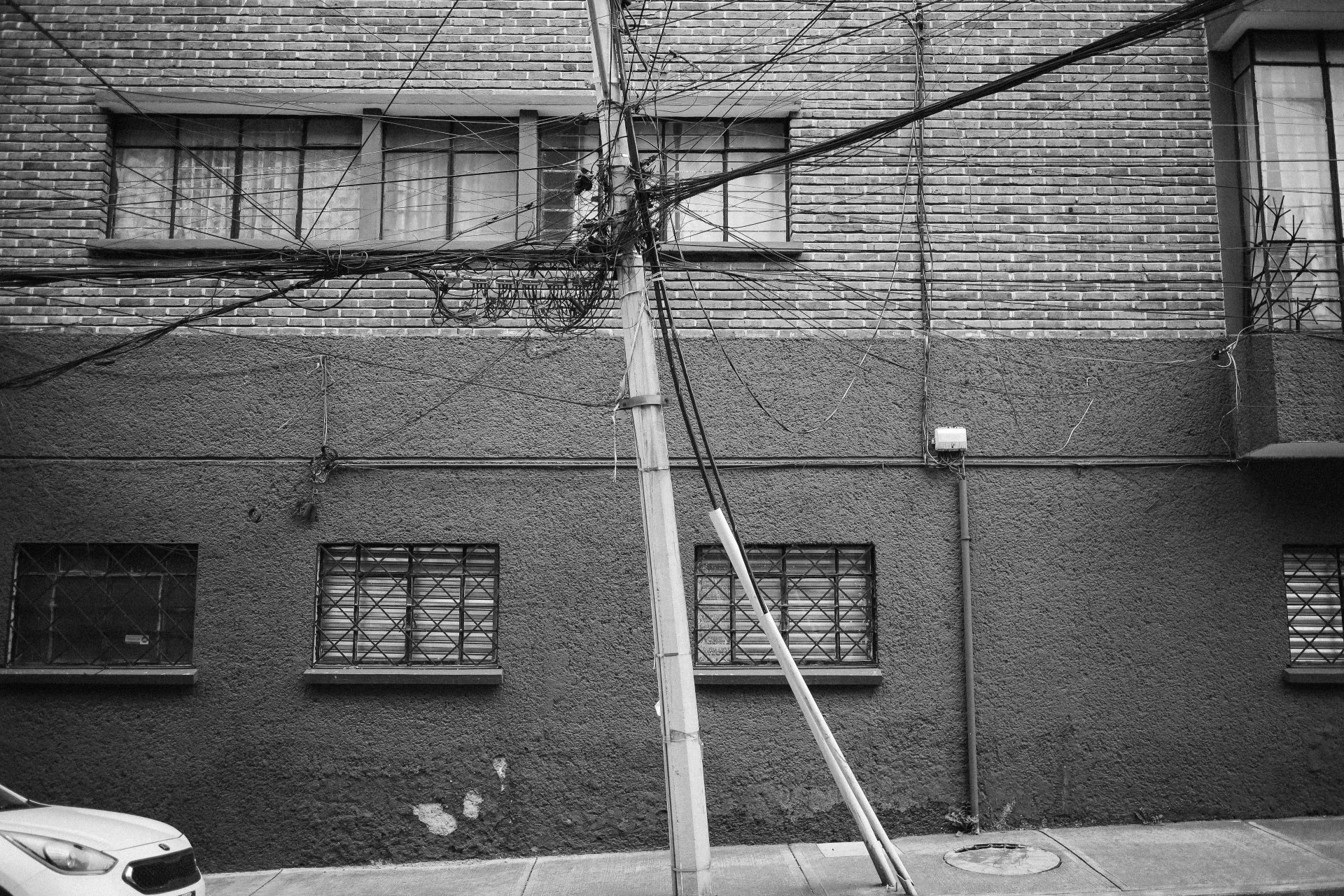
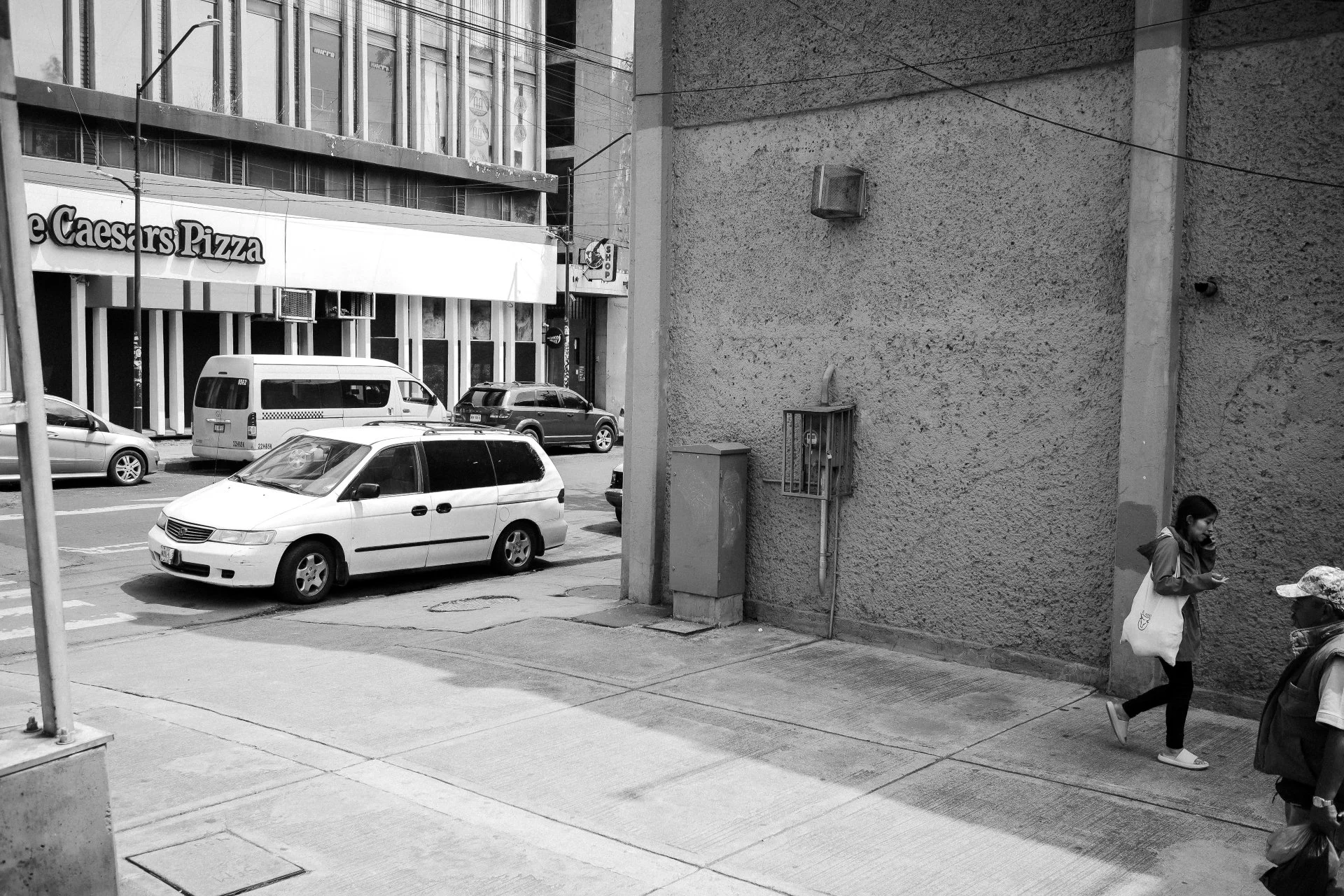
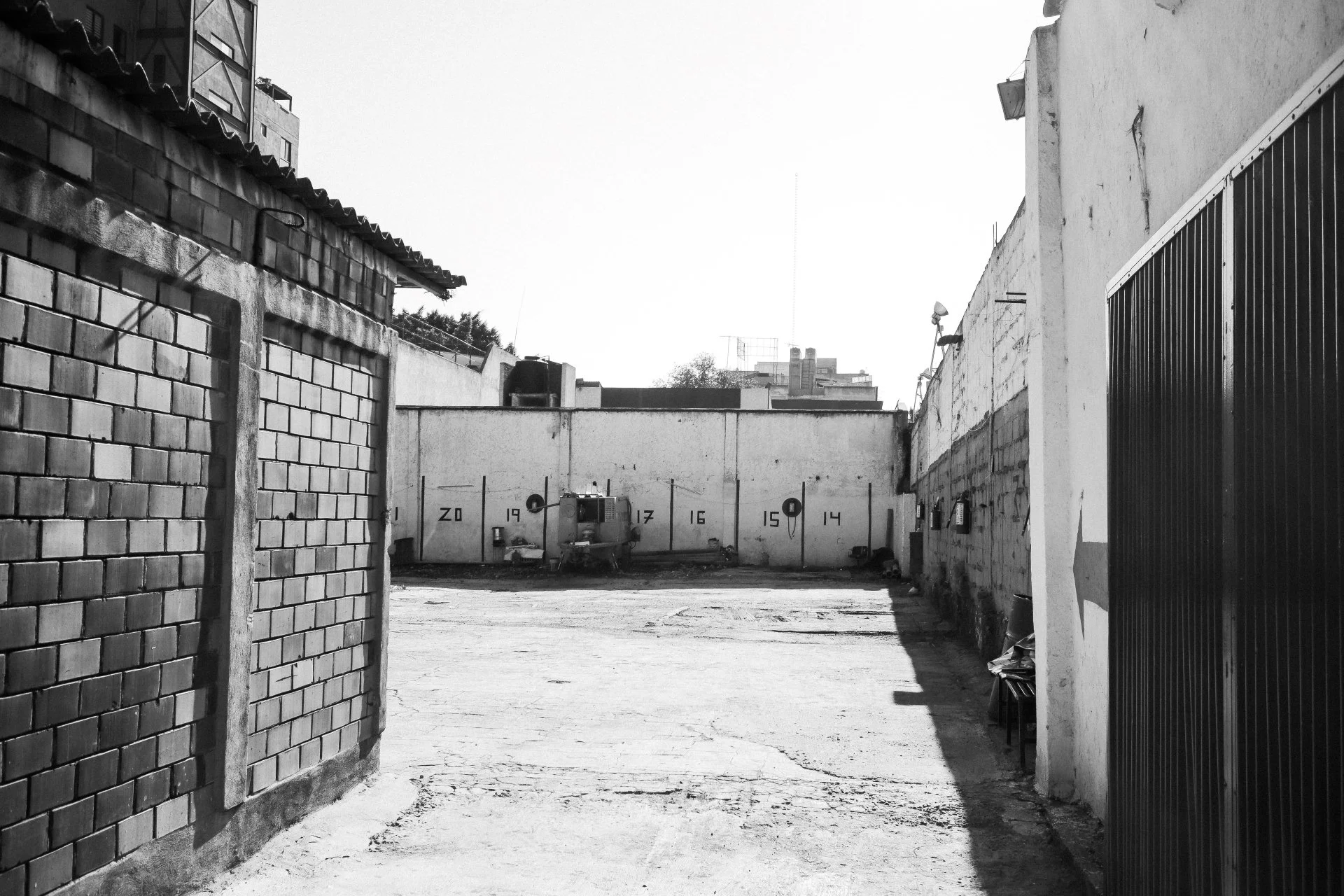
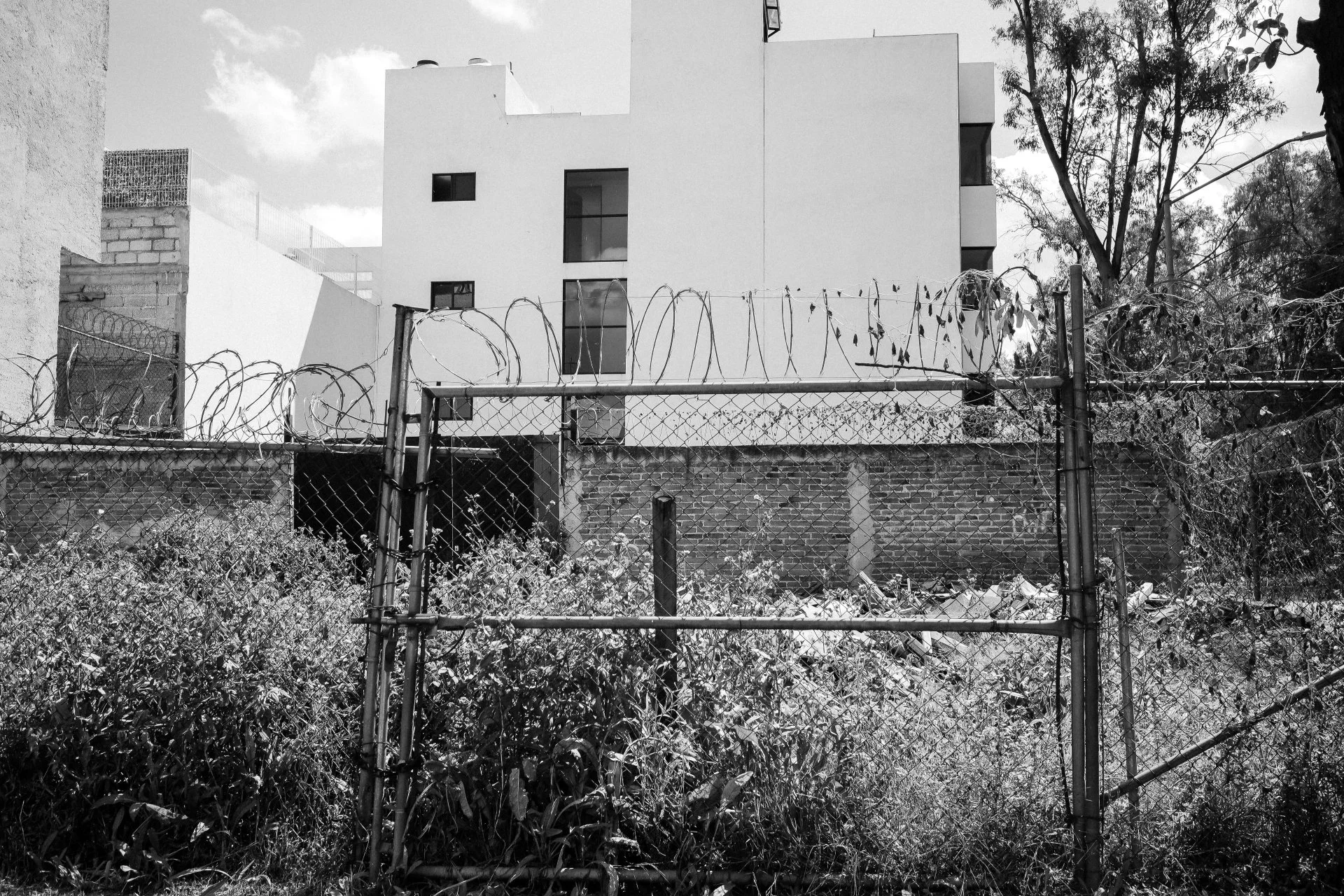
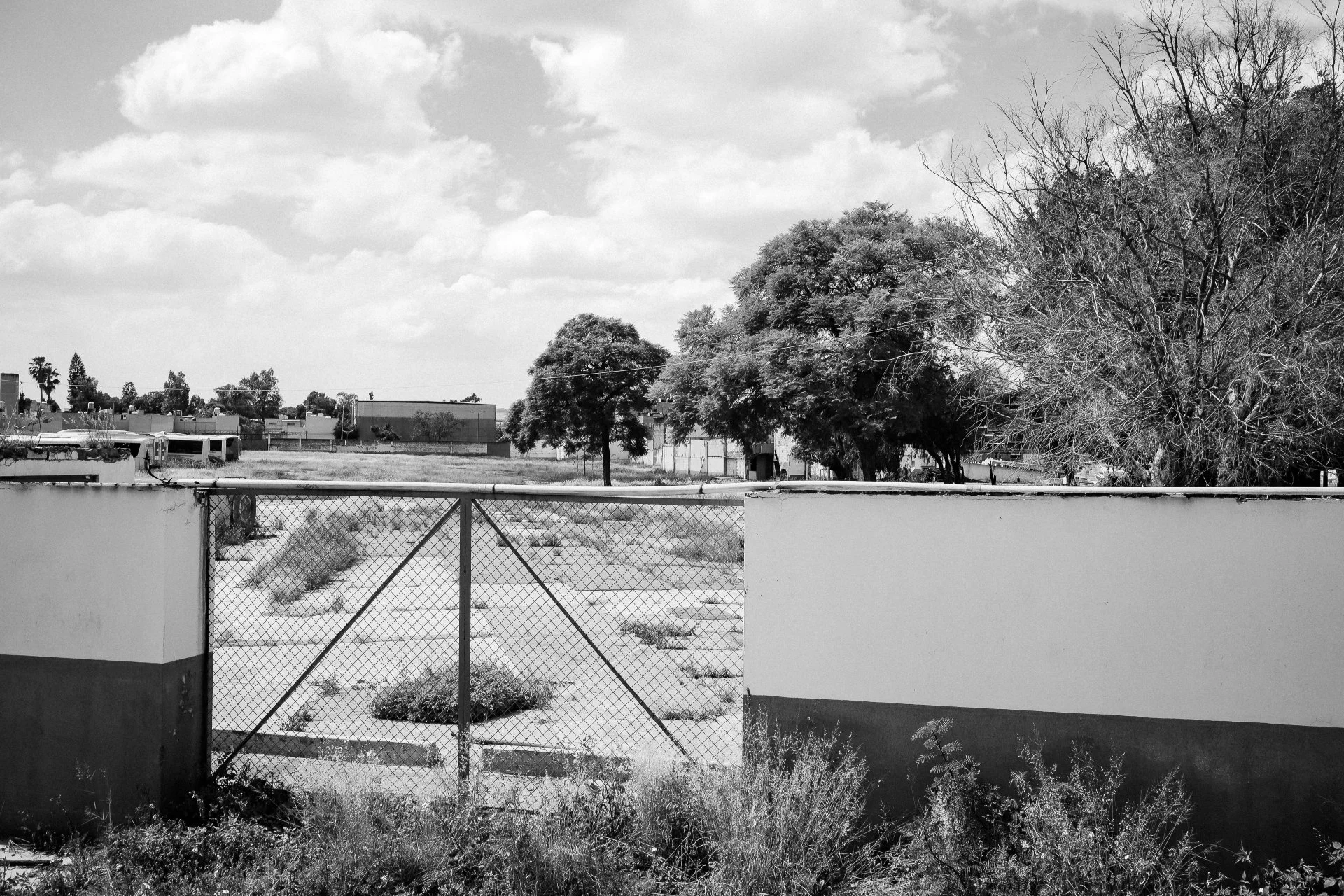
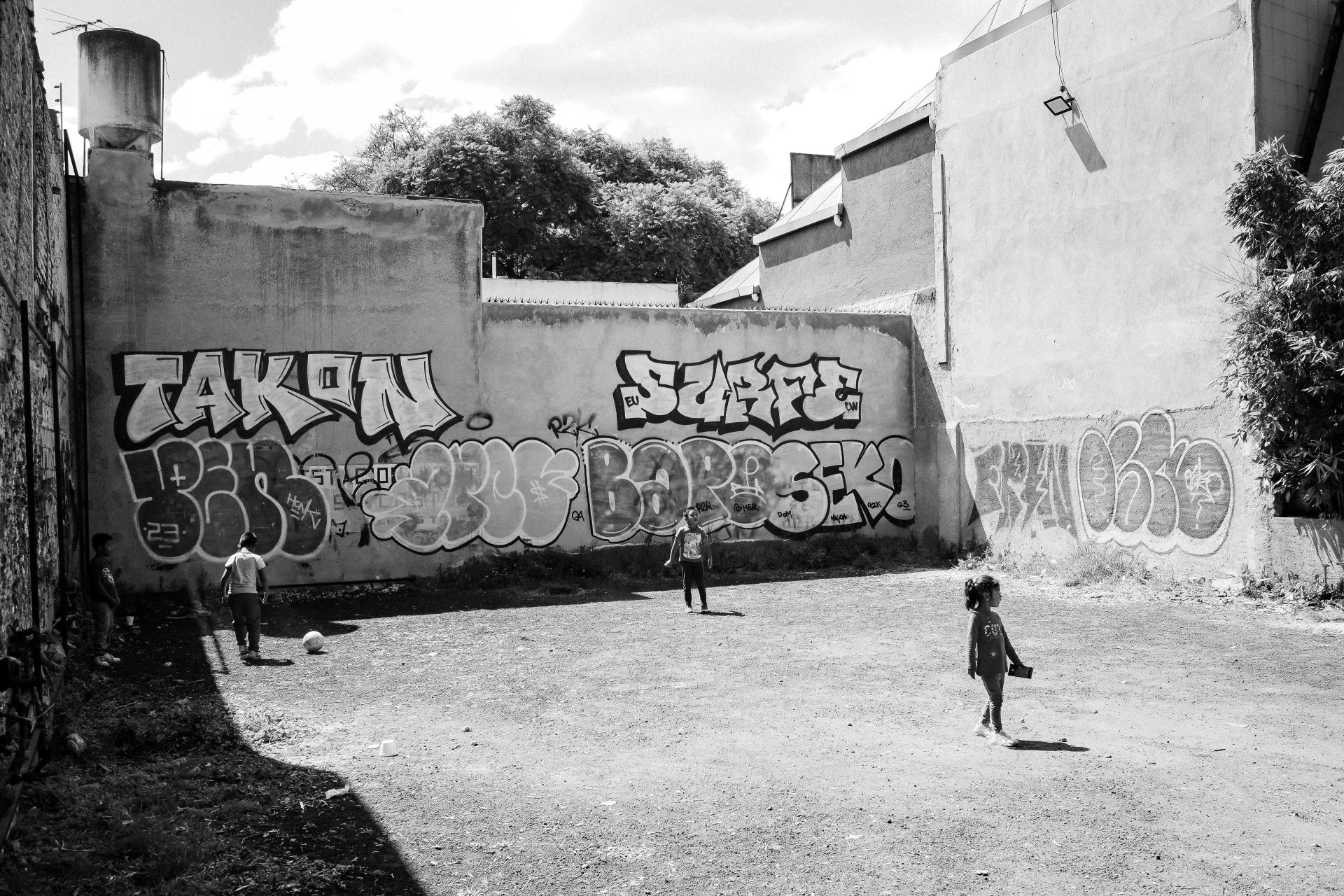
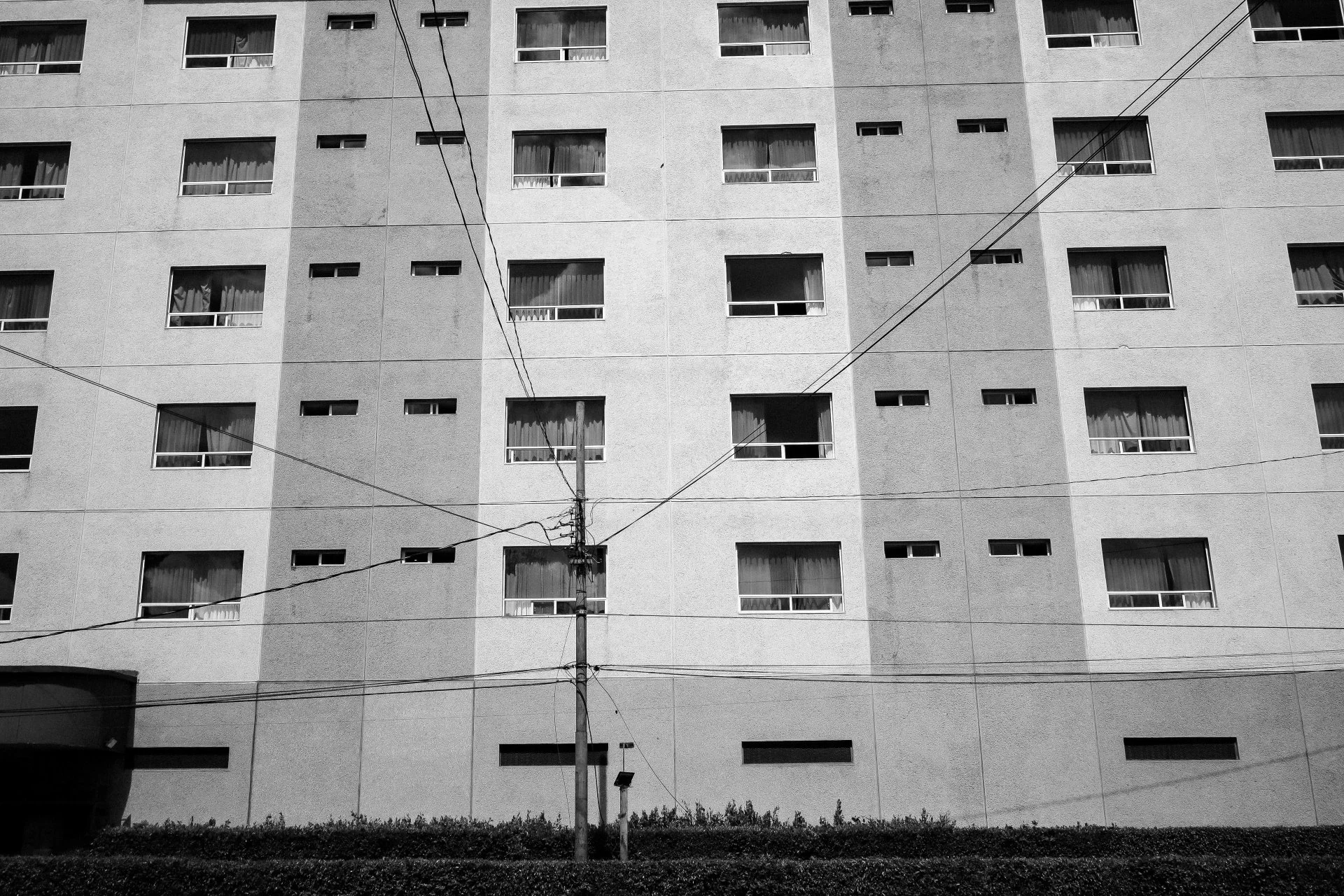
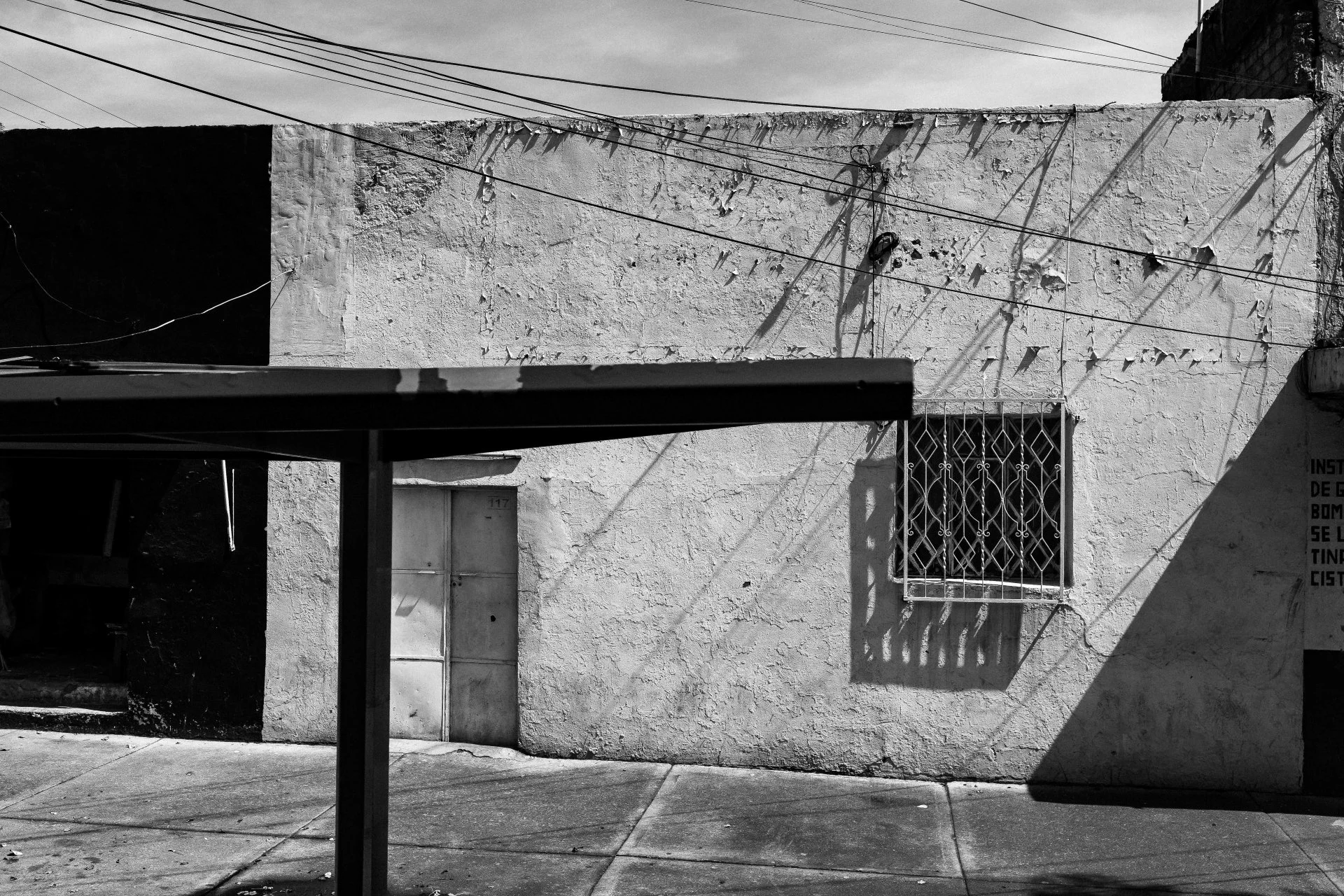
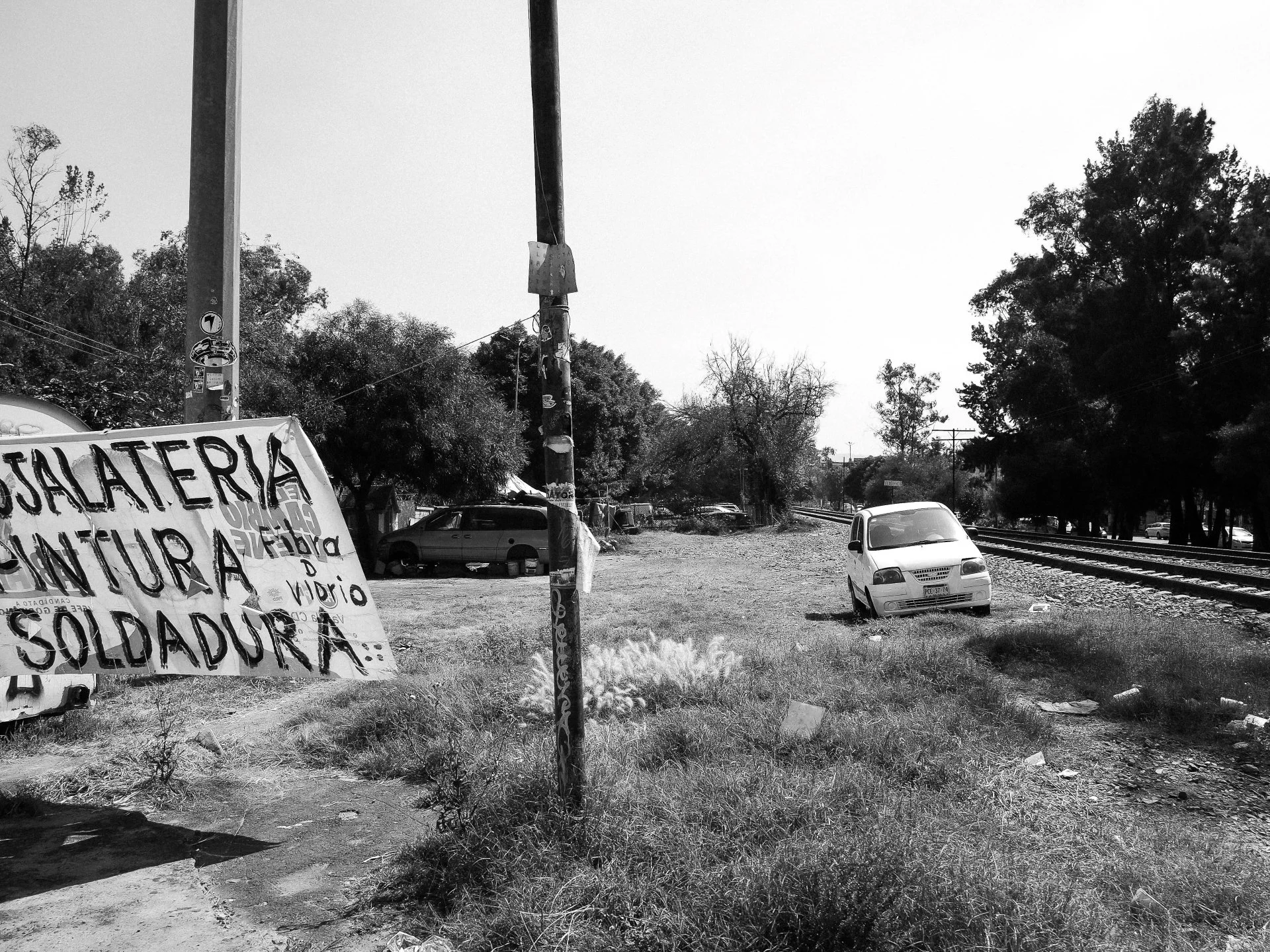
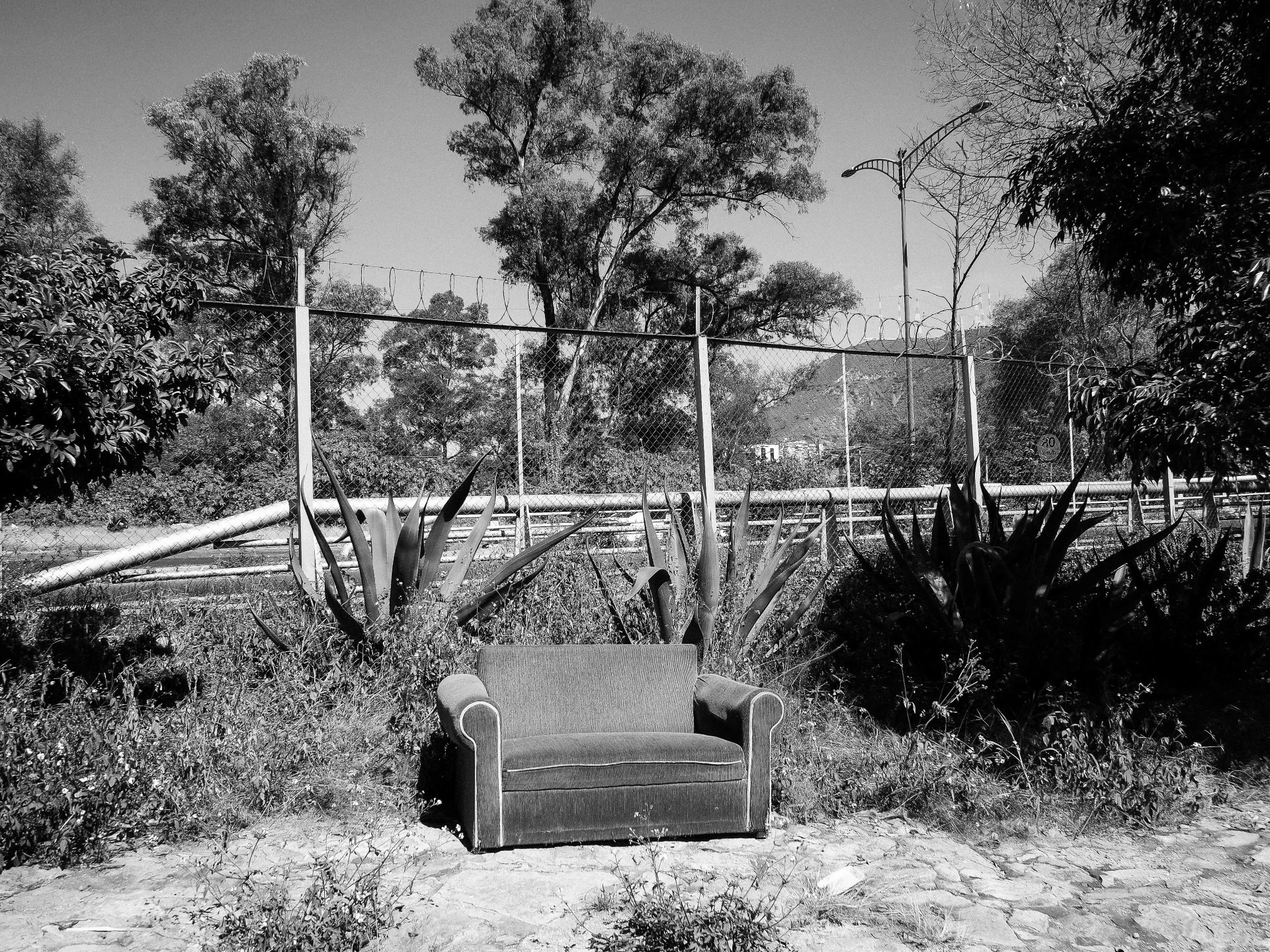
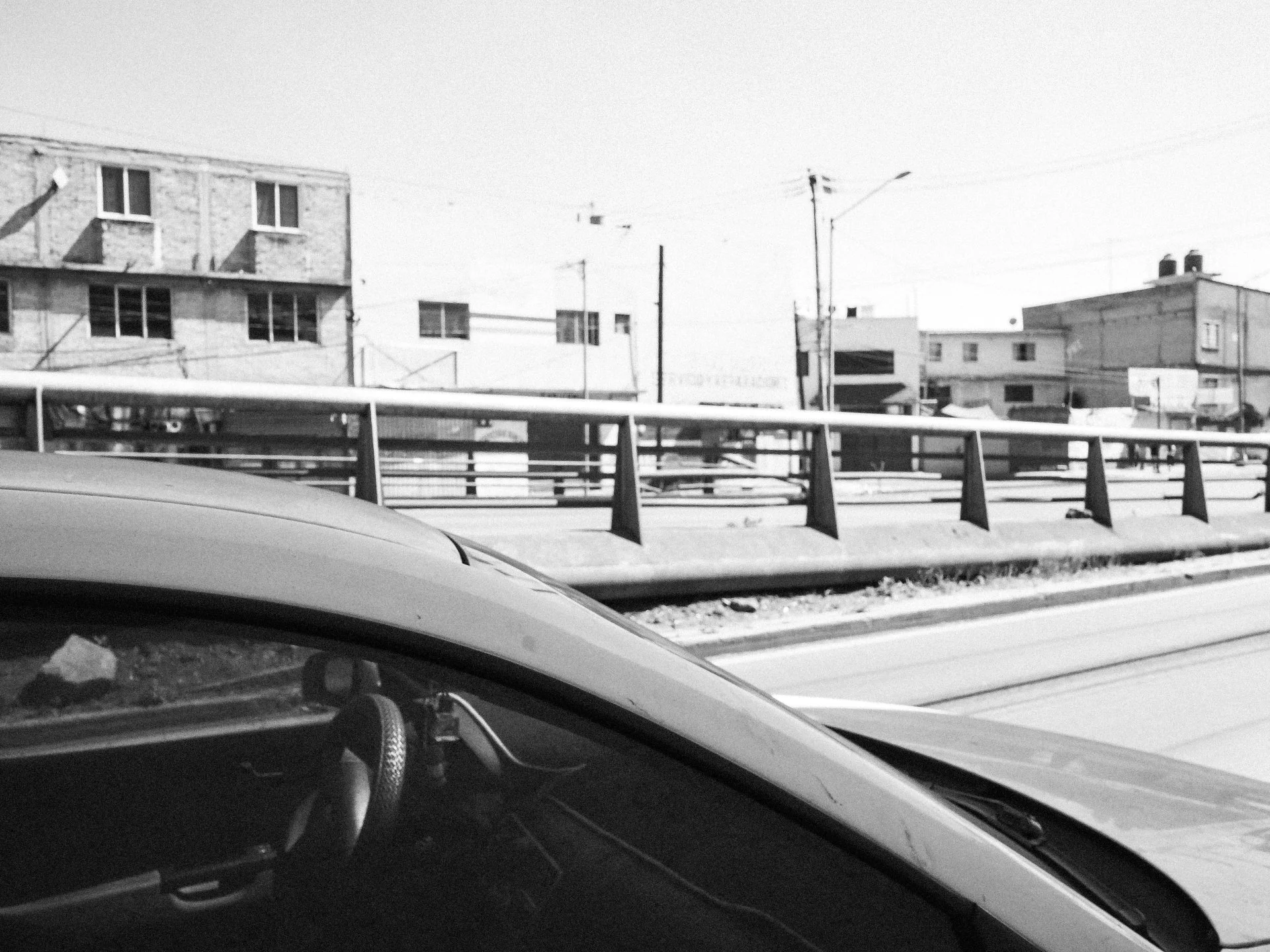
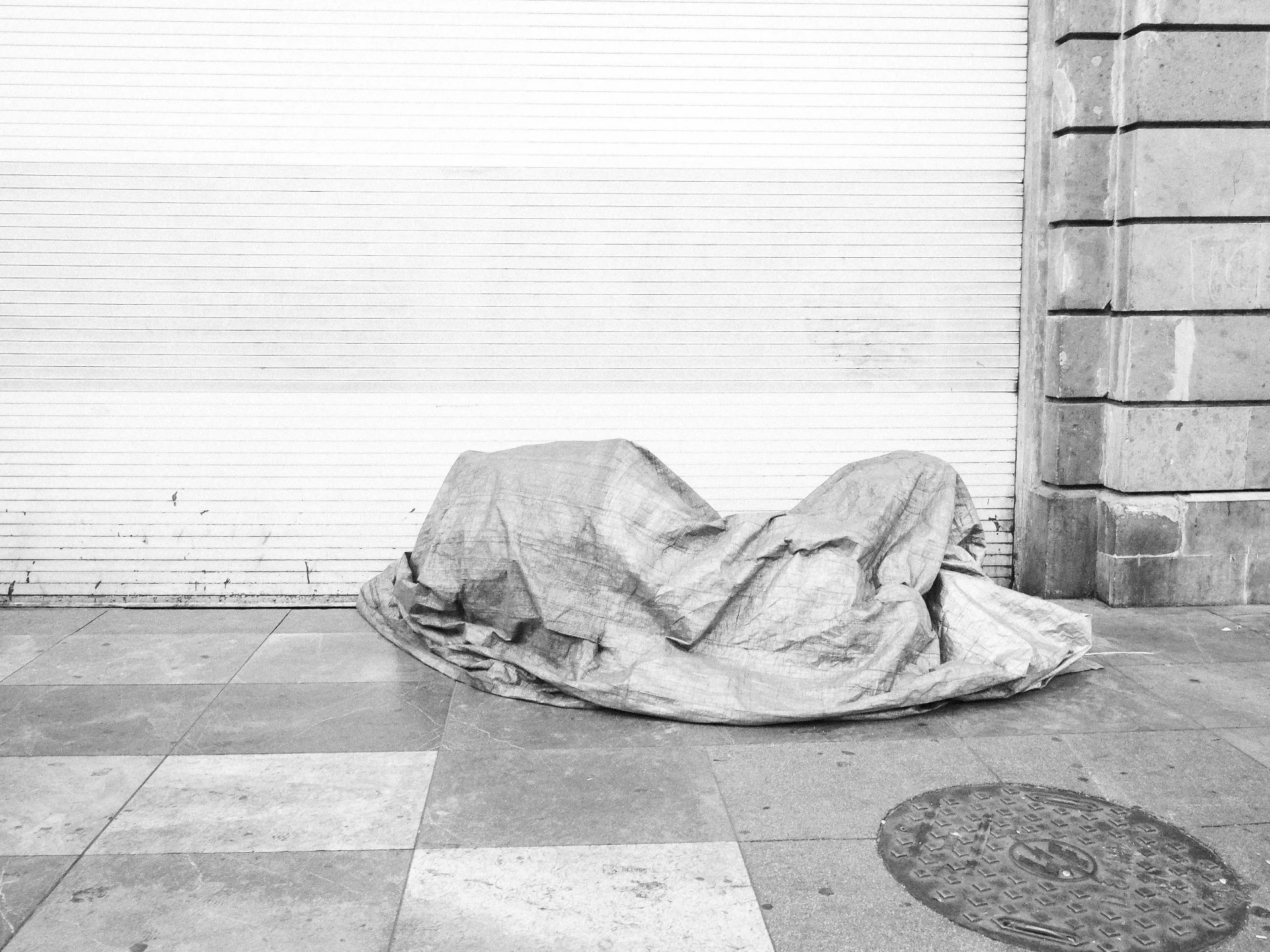
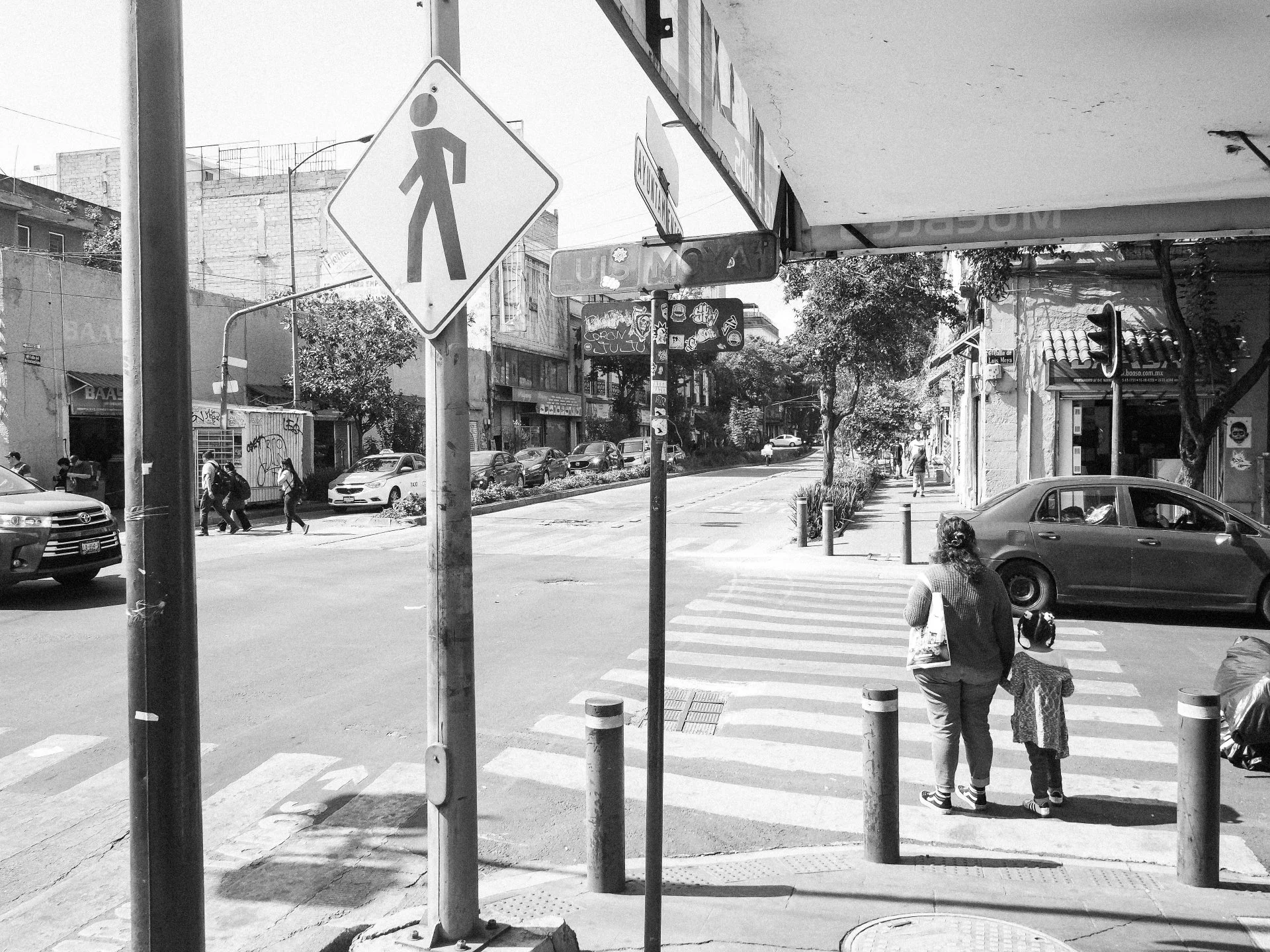
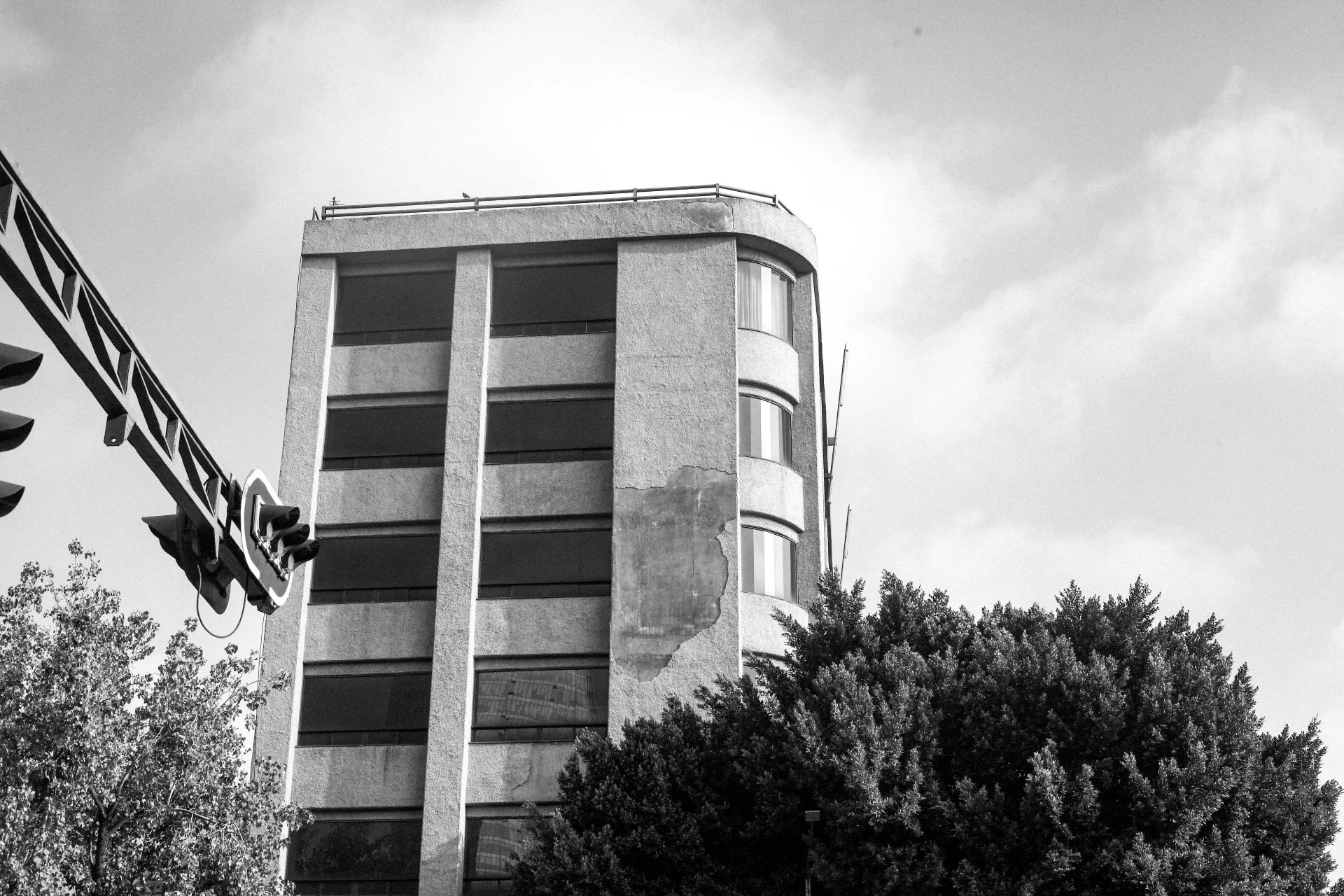
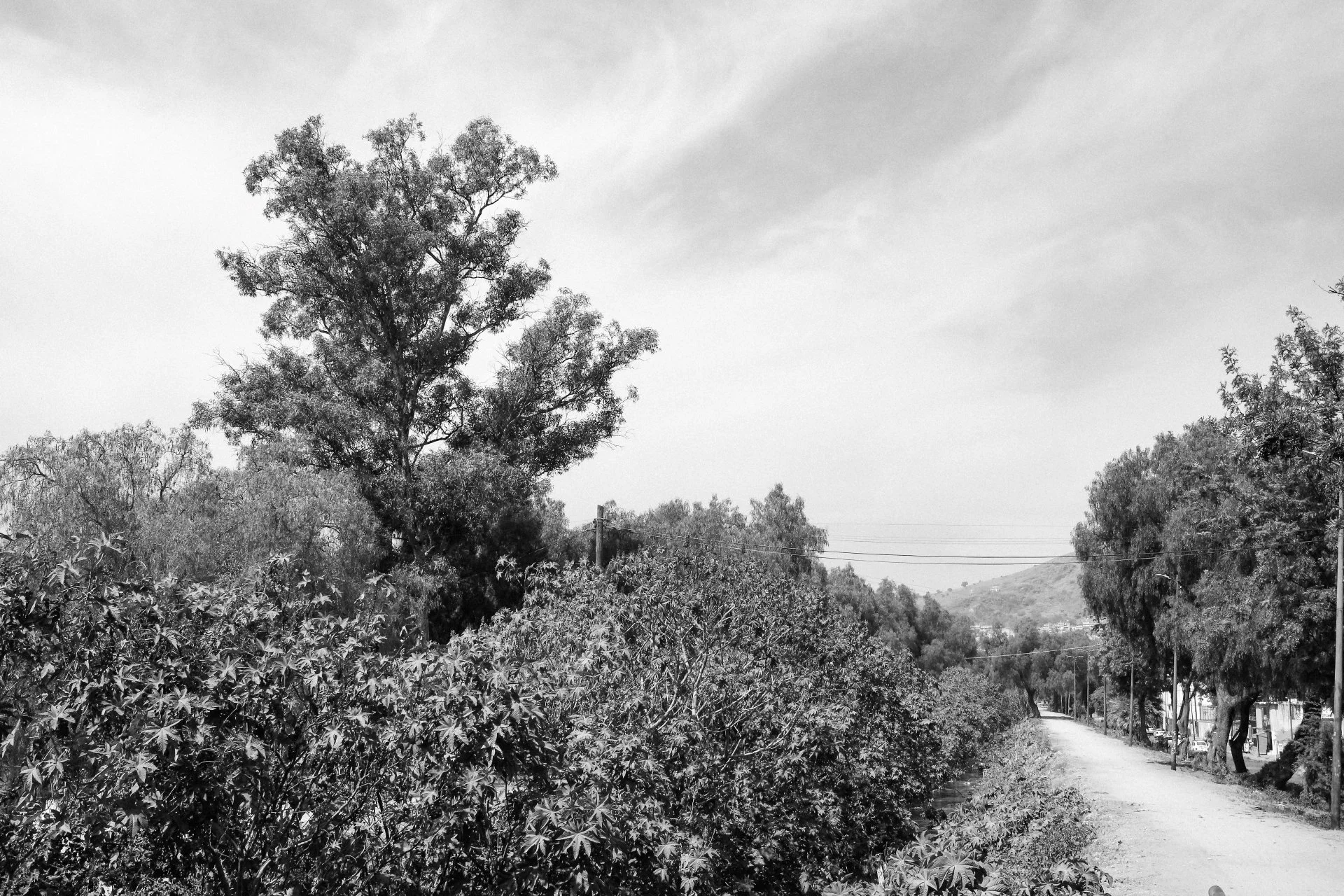
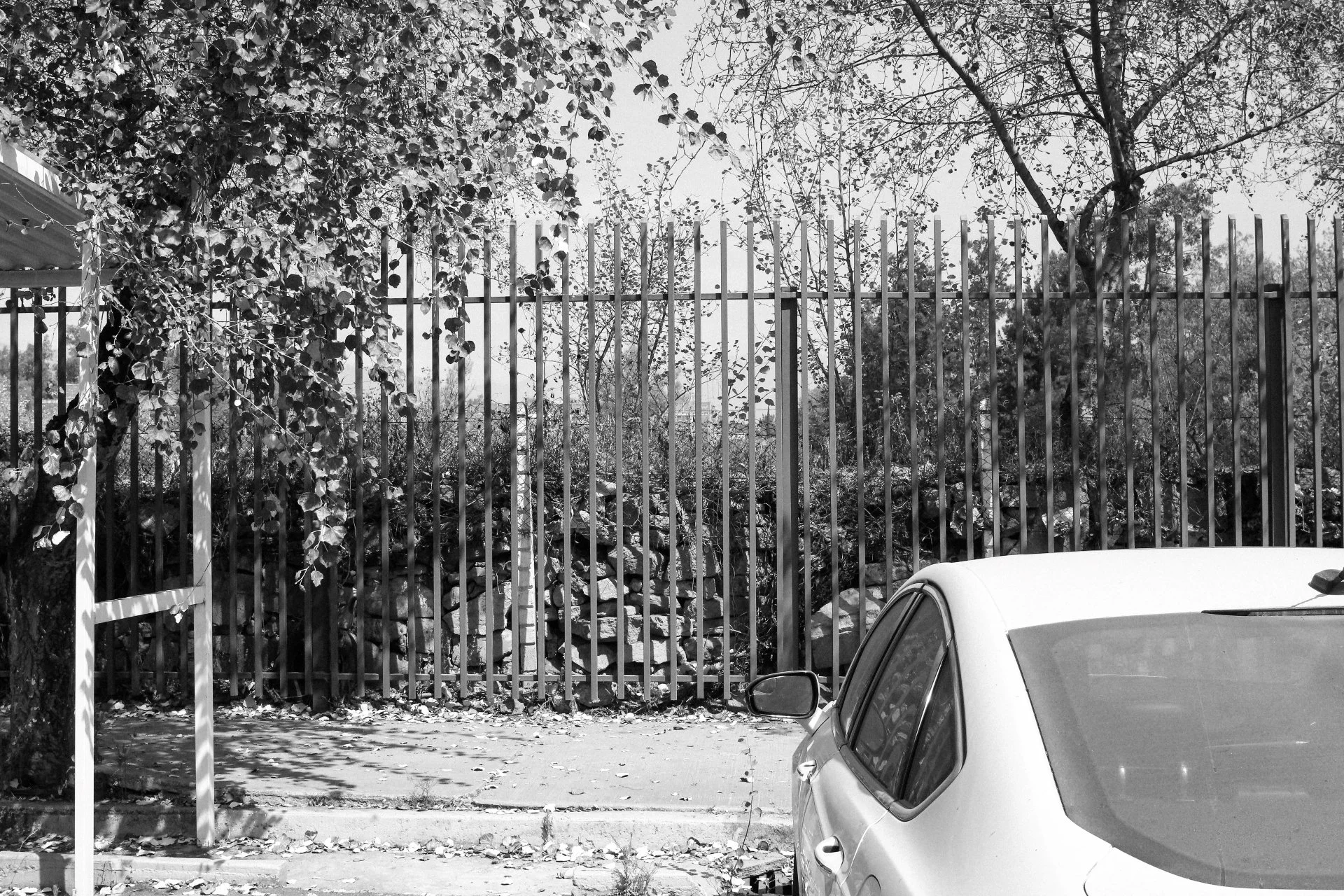
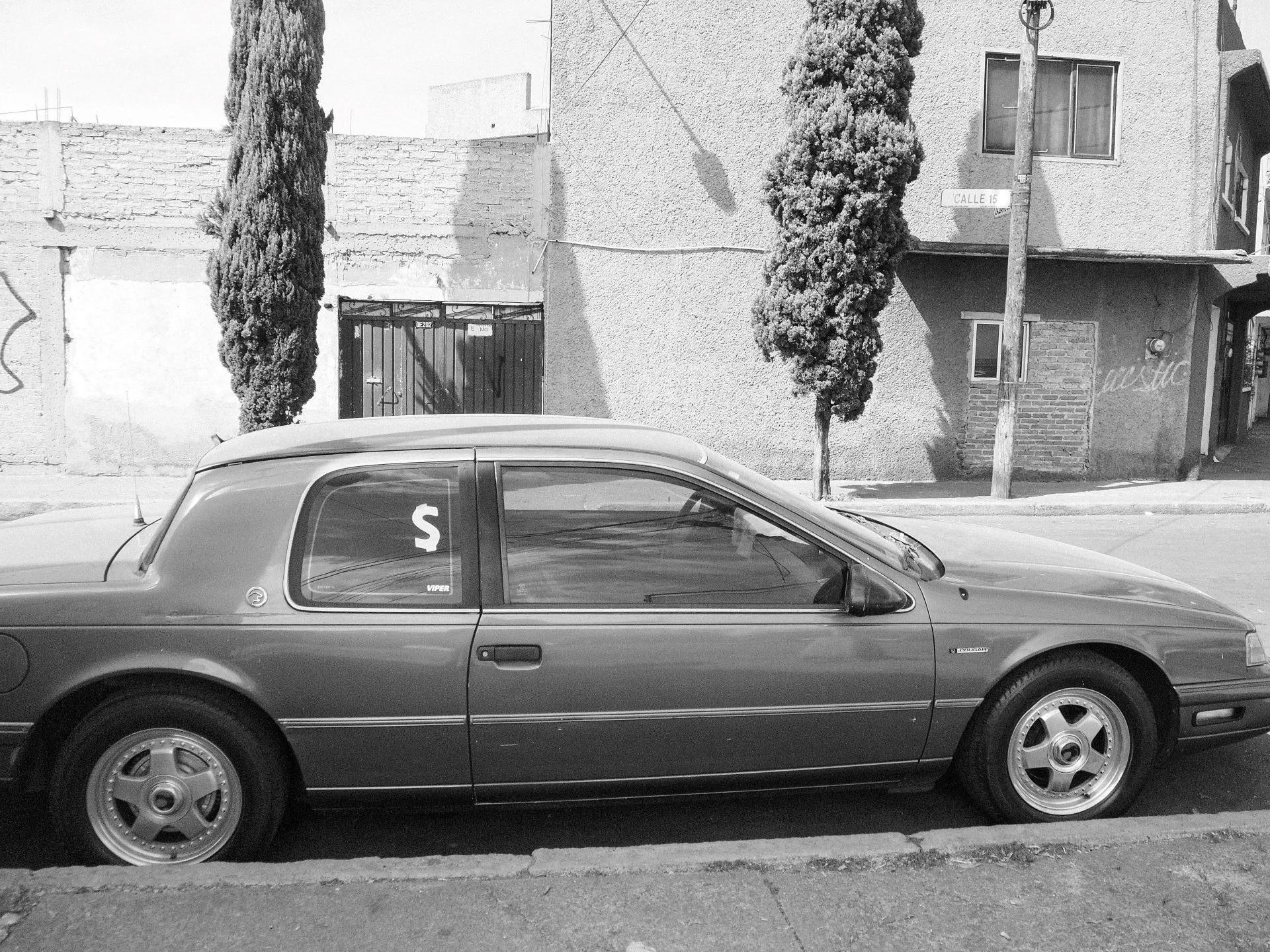
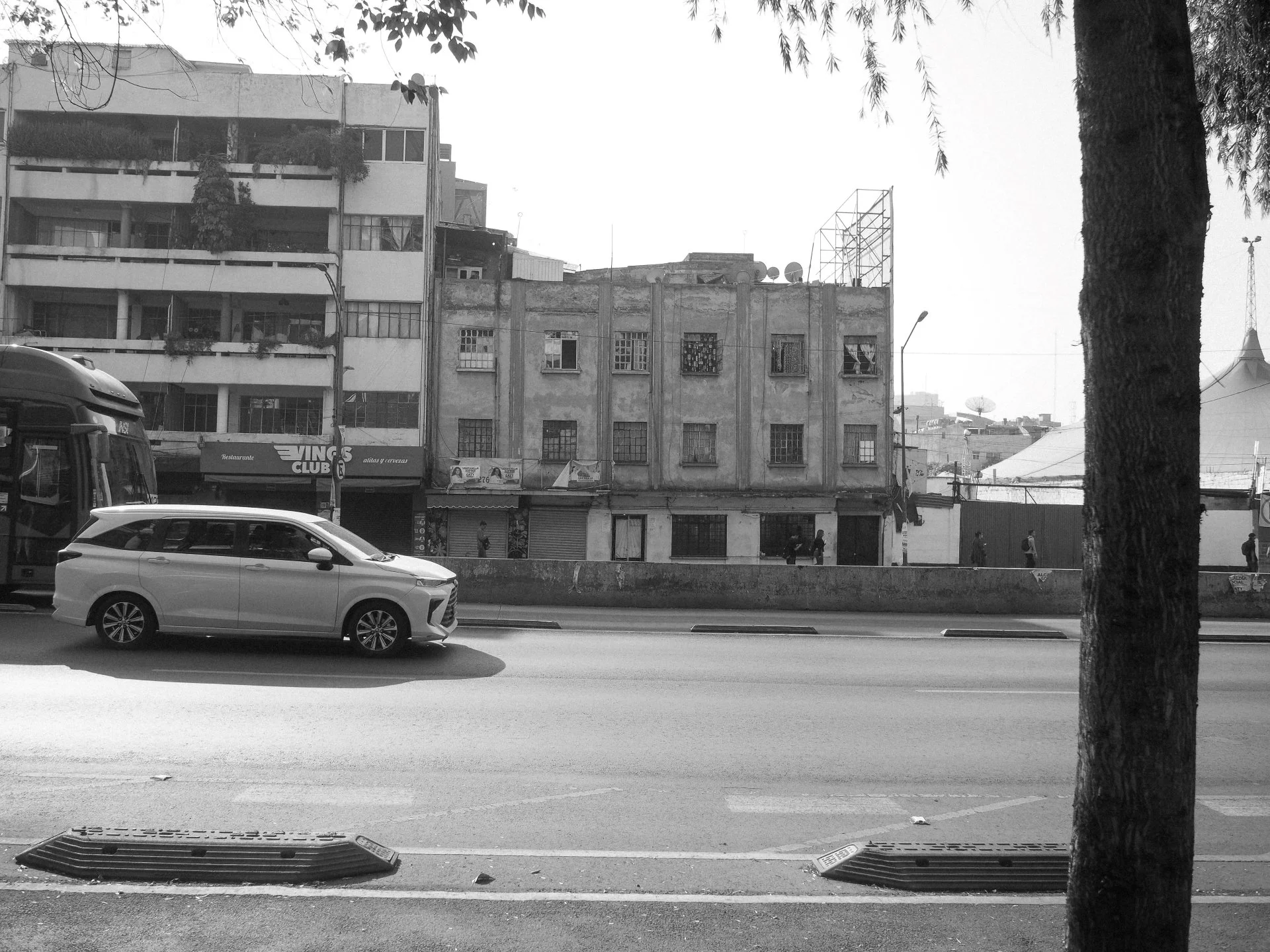
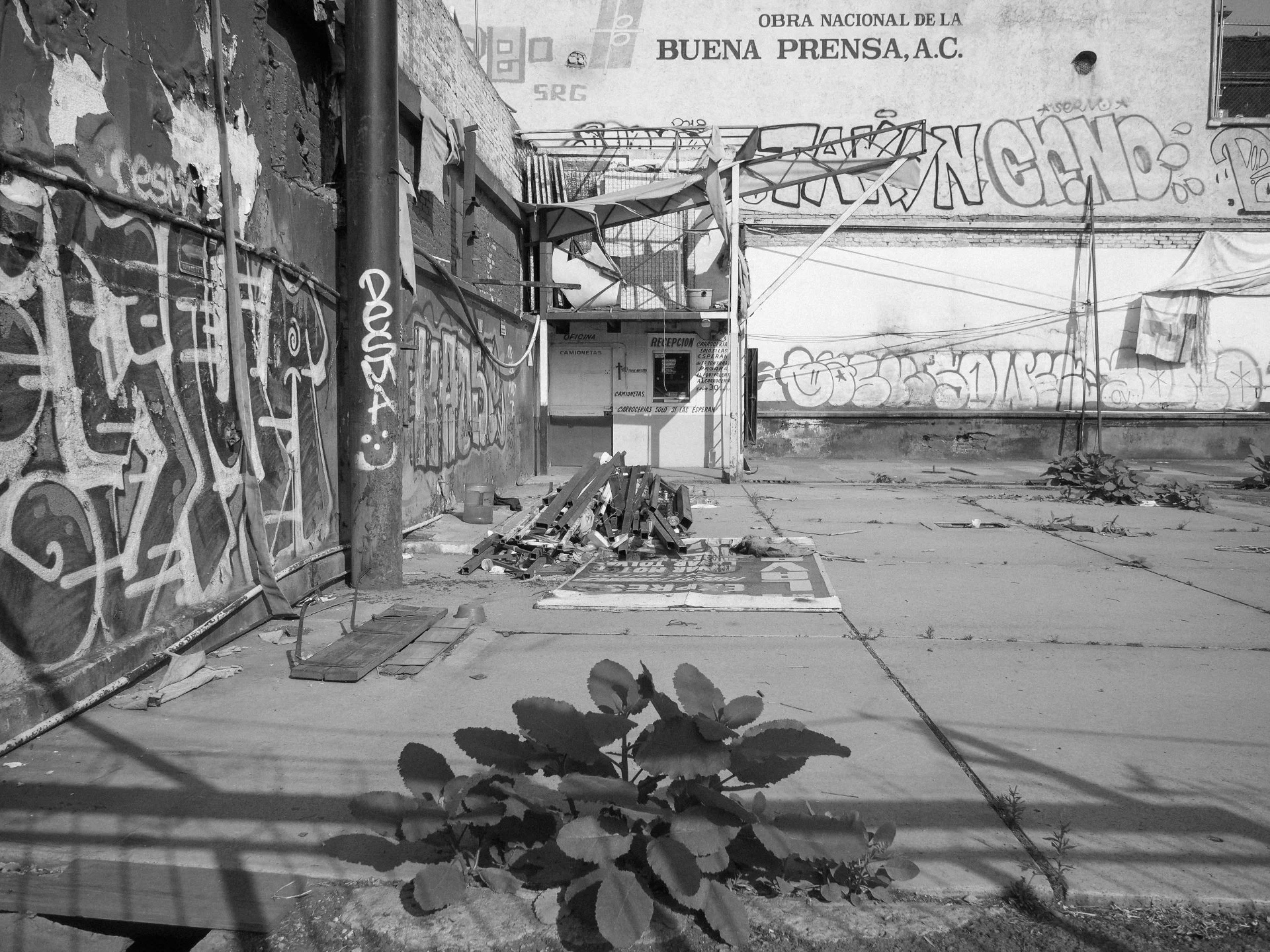
I've been studying place for a long time. Not only as a photographer but also as a writer. I have memories of places that remove me from reality, even for just a few moments, and bring me back to sensations, smells, and scents of a time gone by.
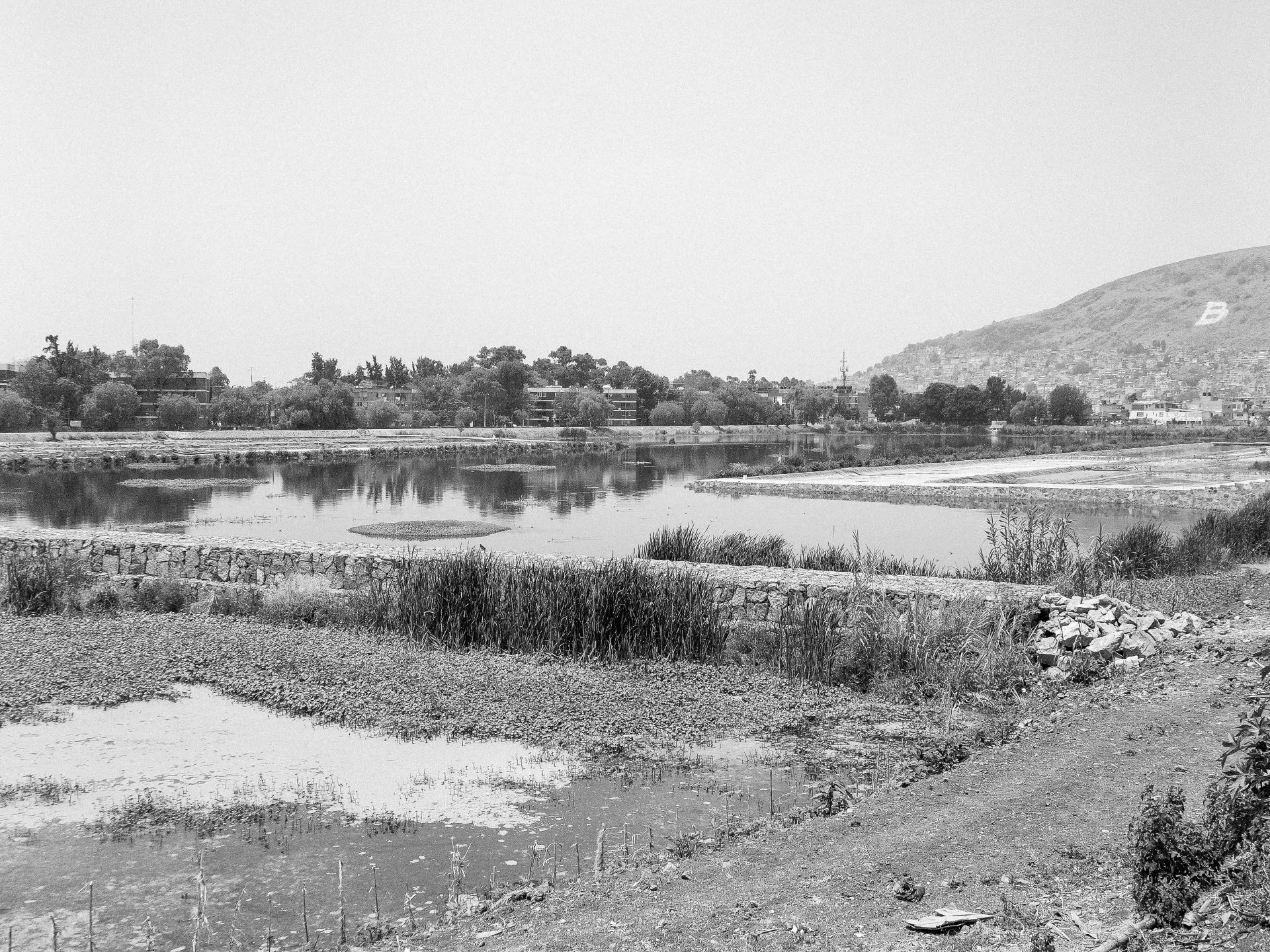
For a long time, we thought of landscape as something far removed from the city. Mountains, sea, countryside. Places where human presence is minimal or even absent. That's the classic landscape.
The urban landscape, I believe, is born from a different impulse.
It's not contemplation.
It's observation.
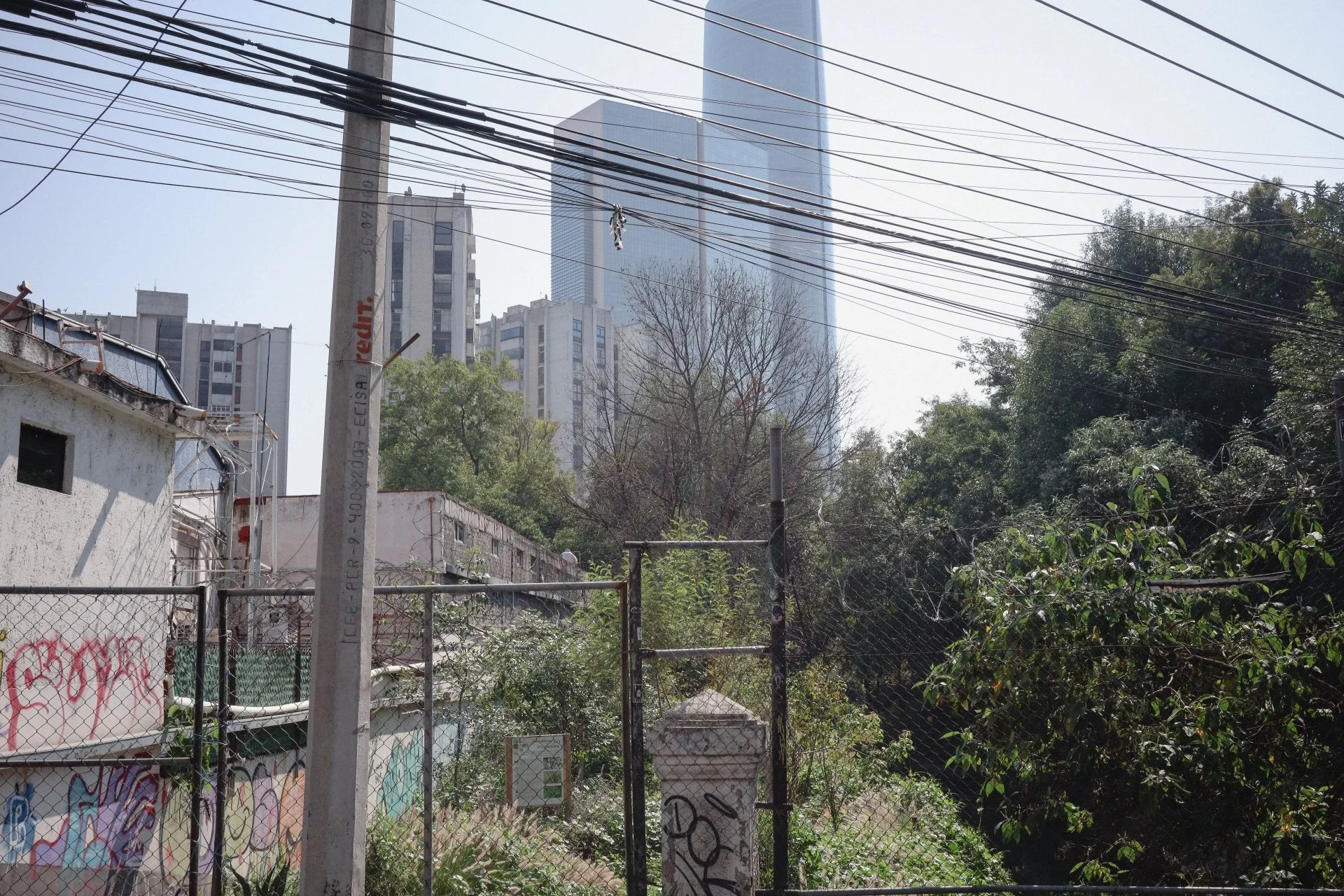
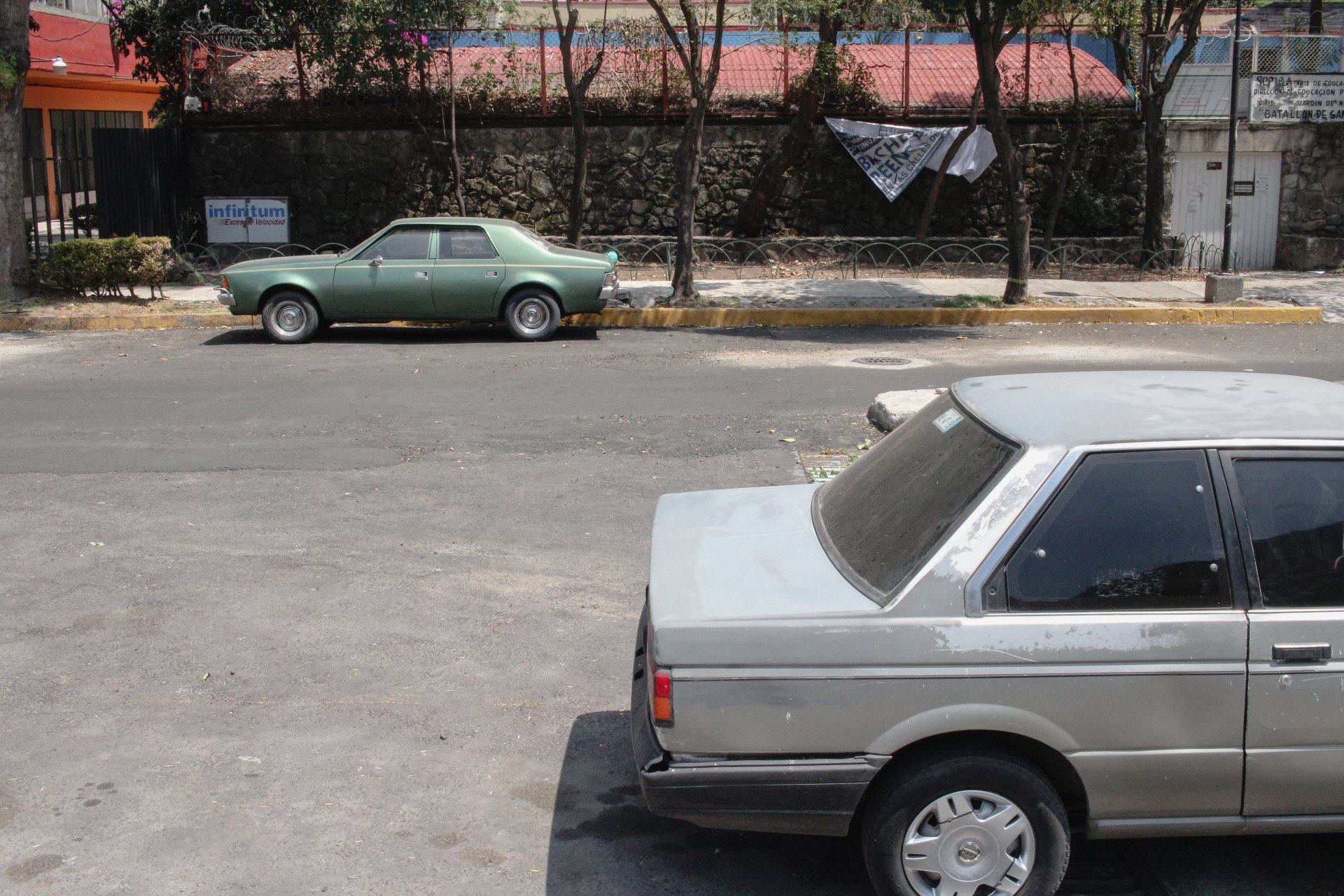
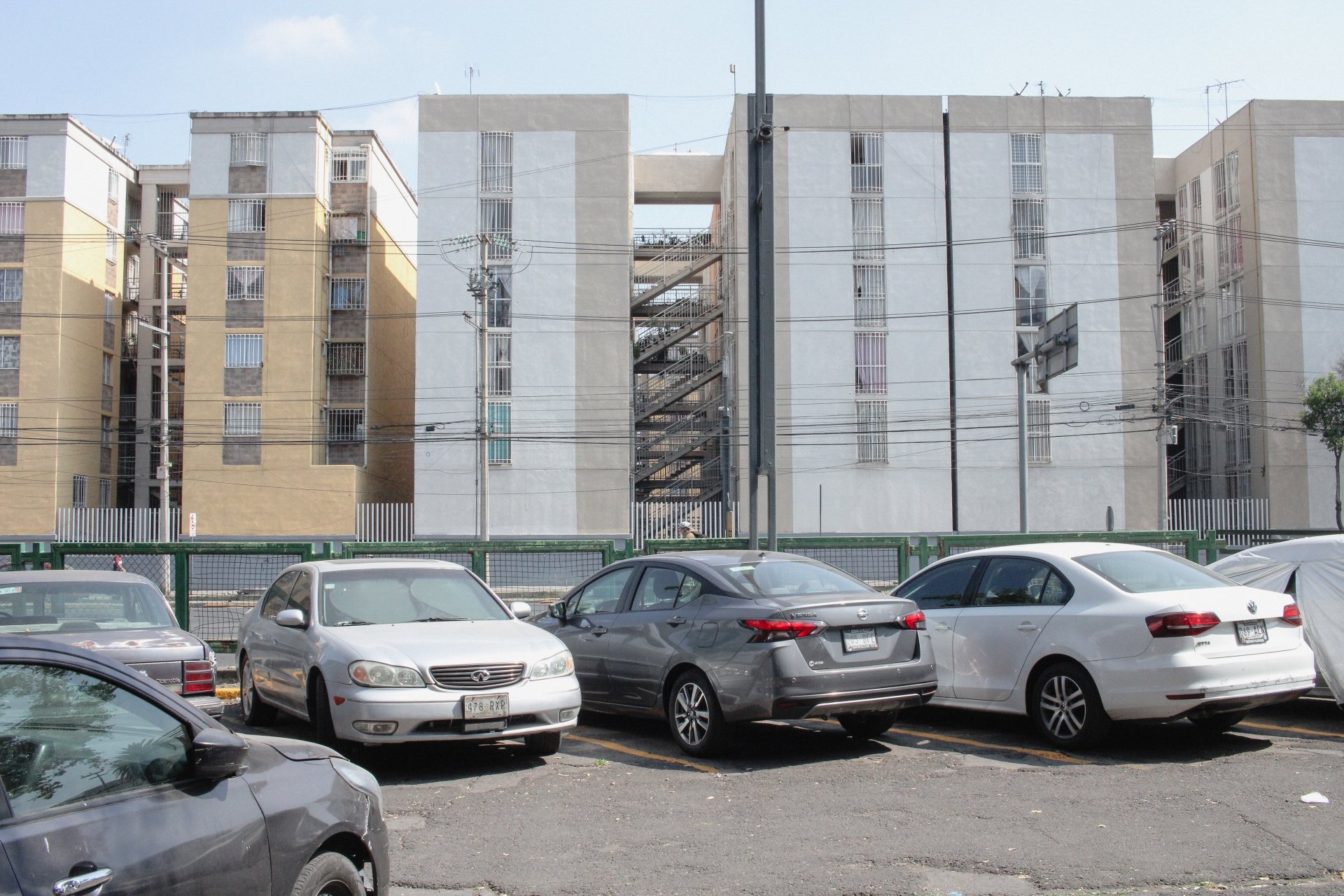
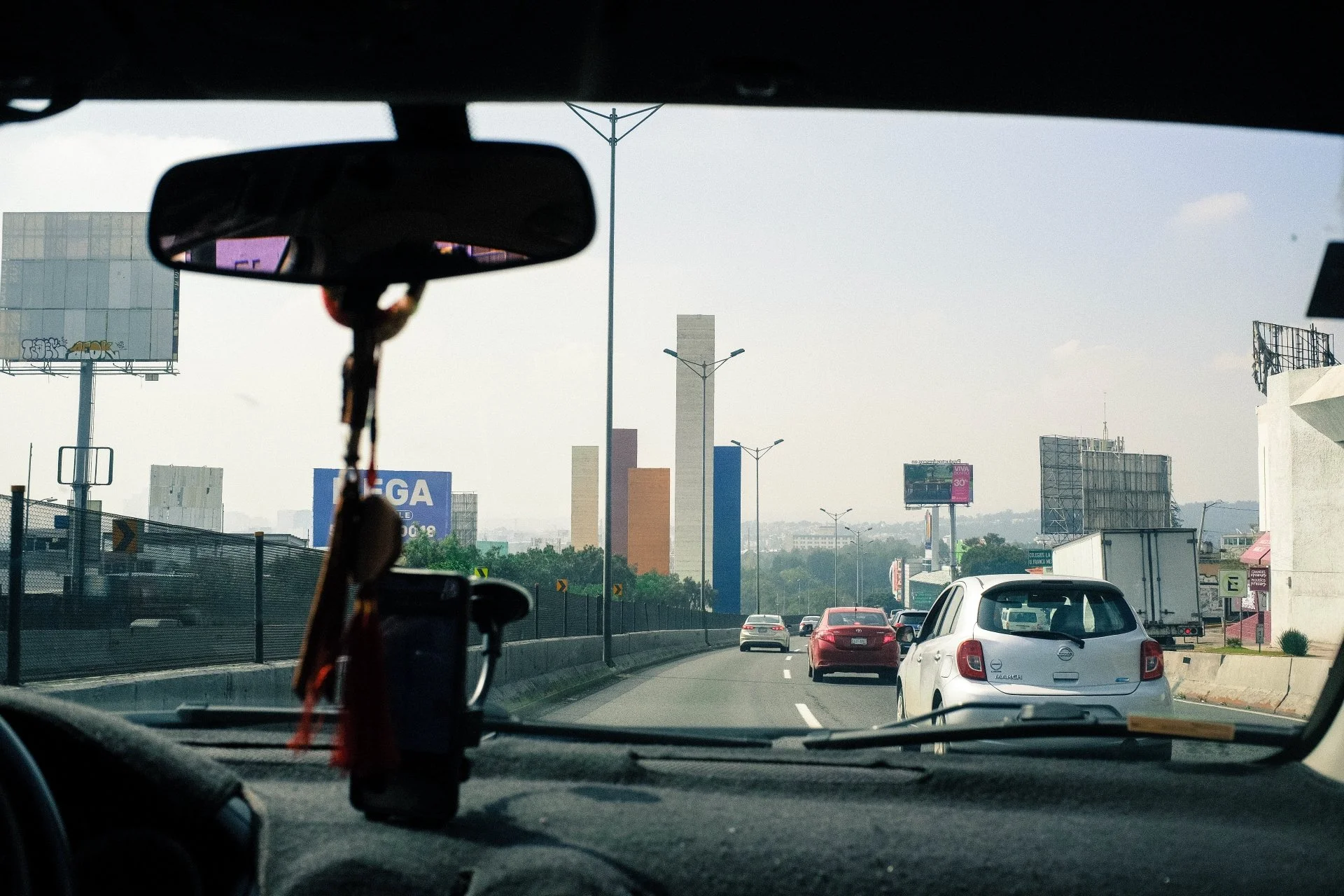
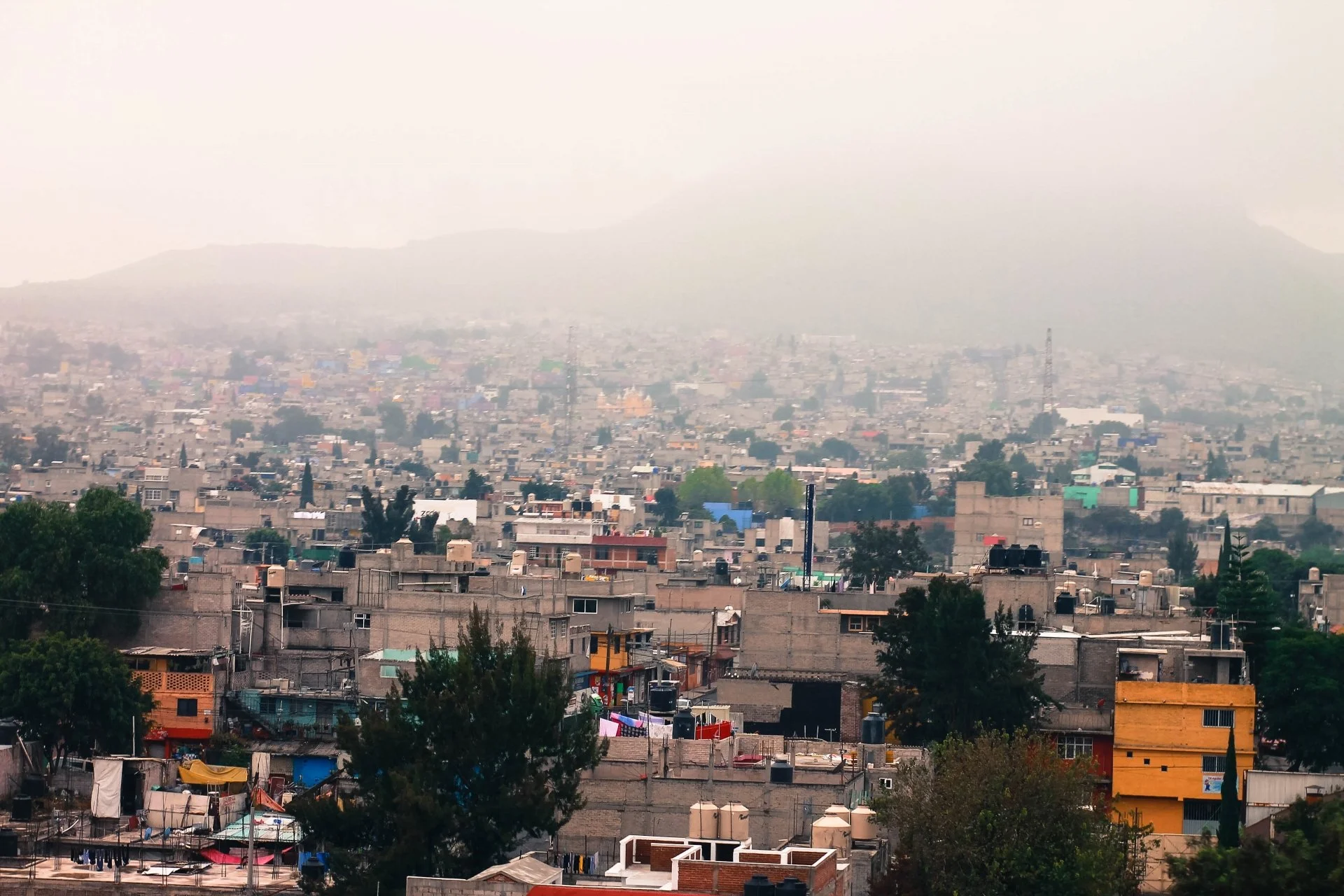
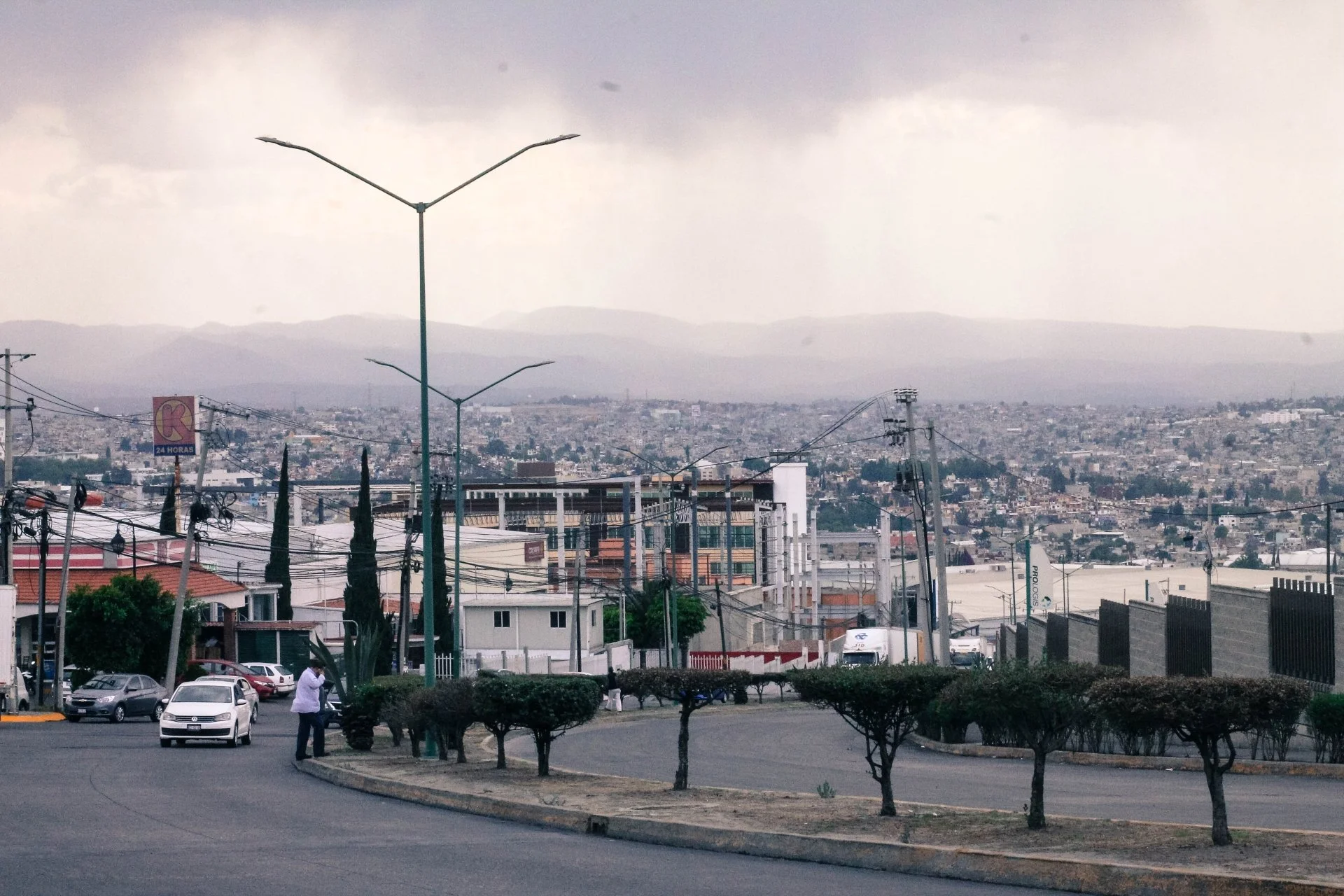
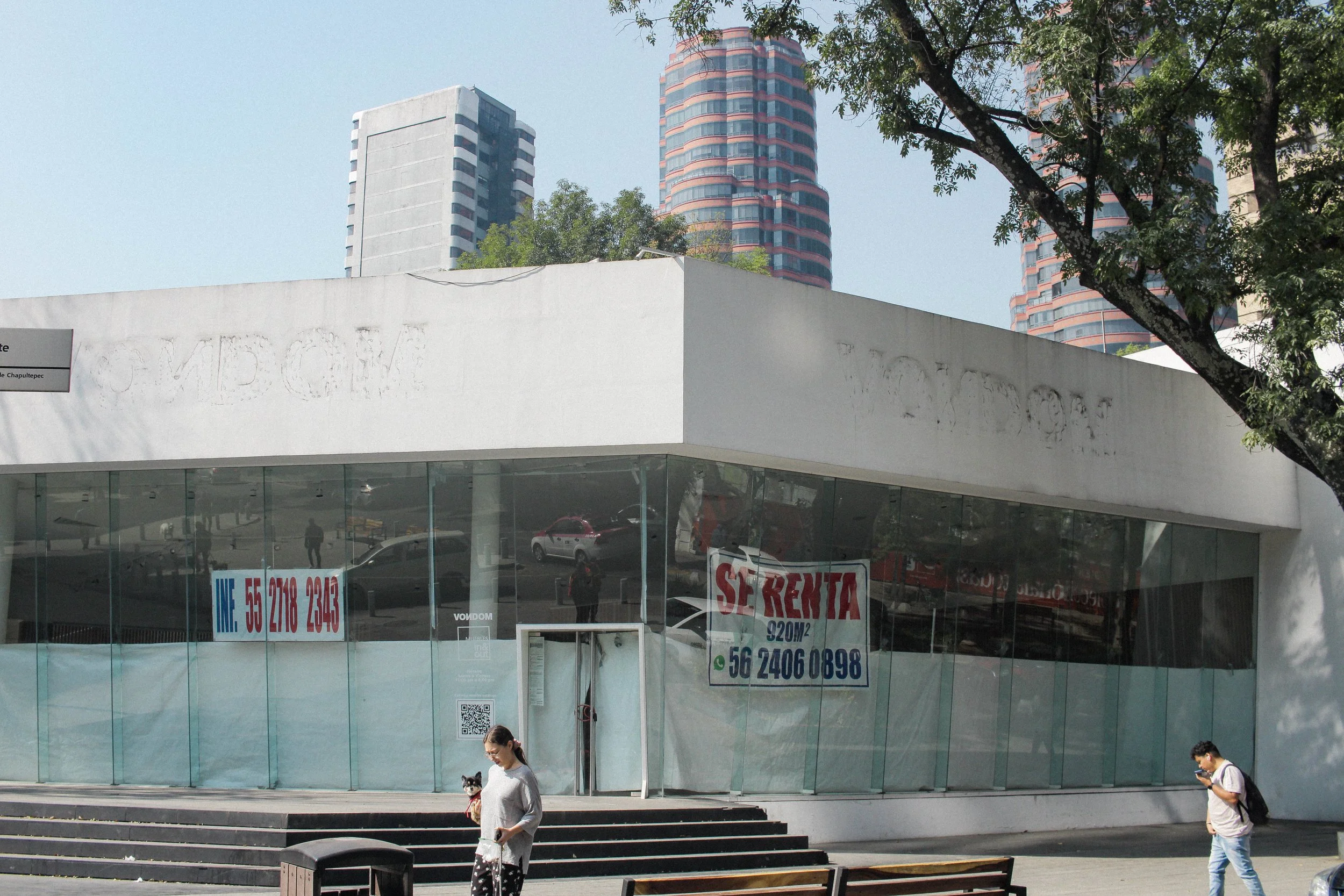
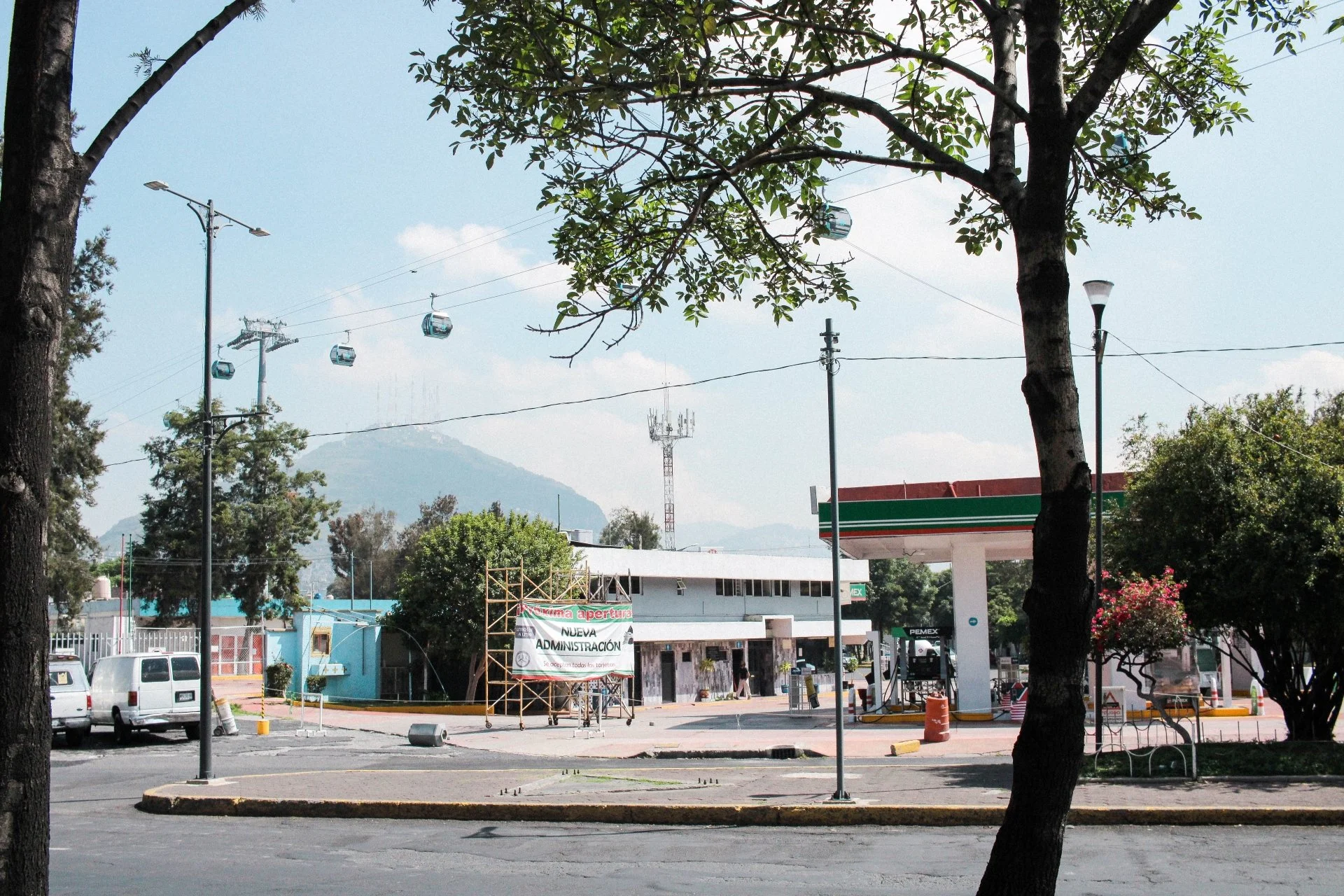
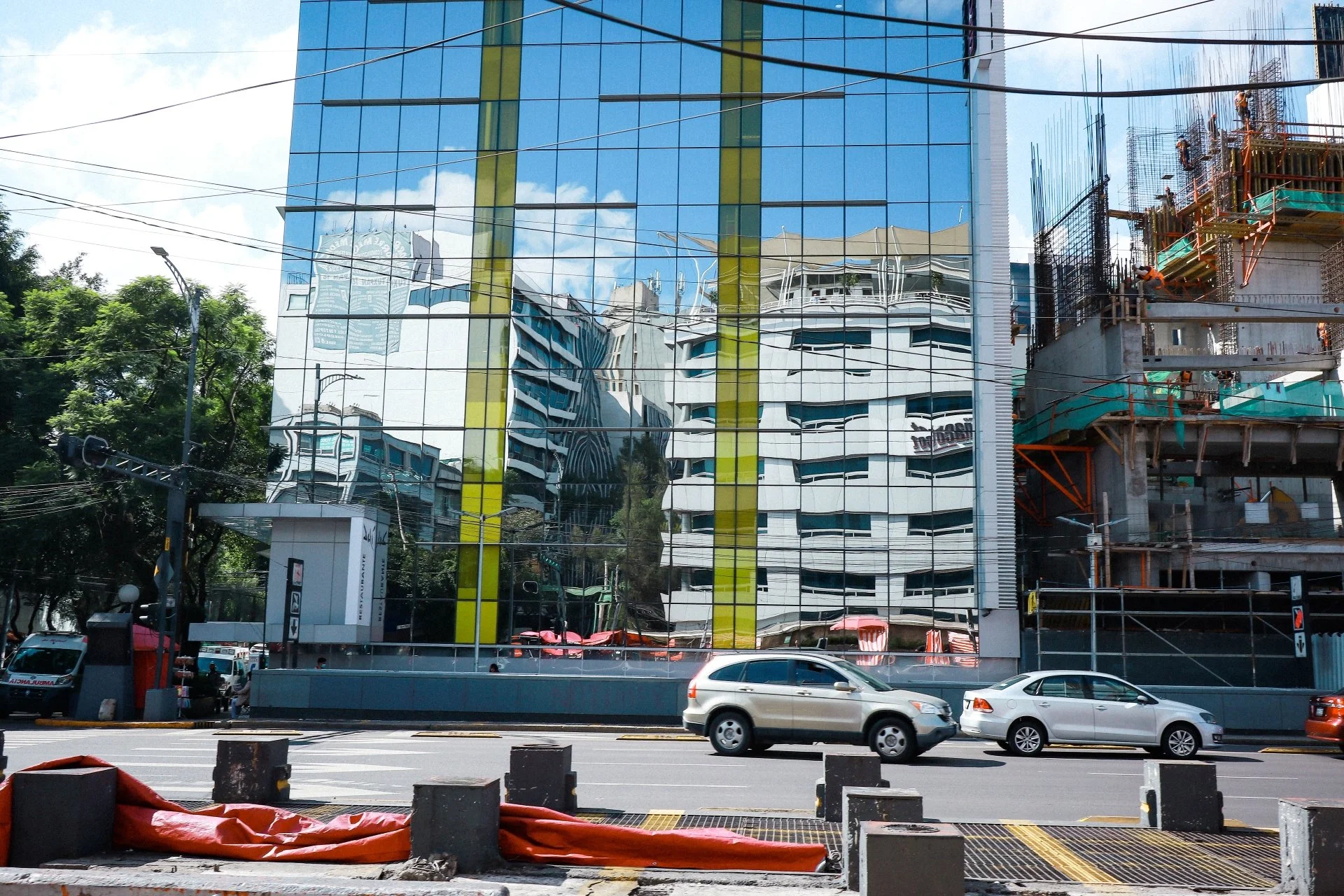
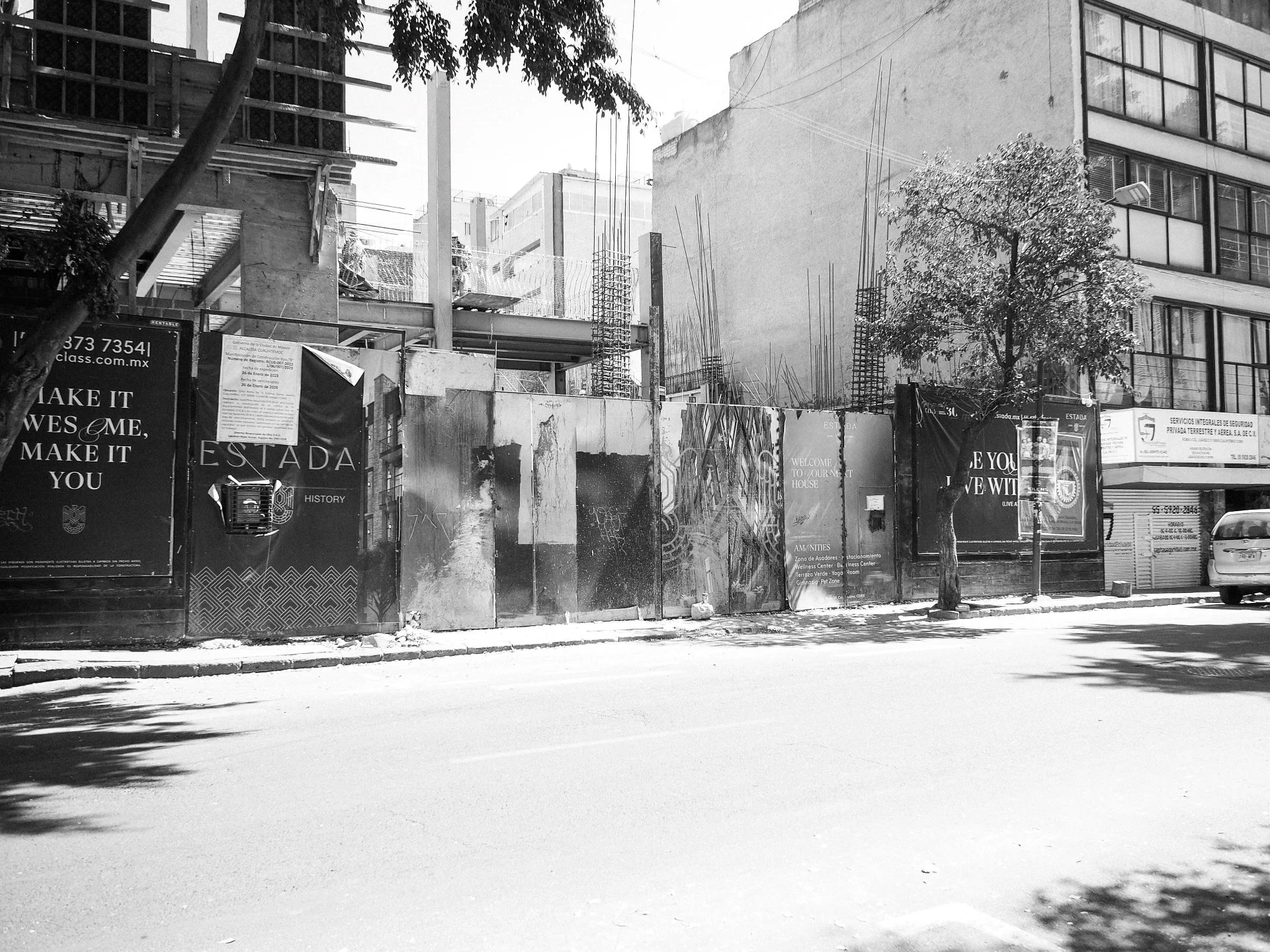
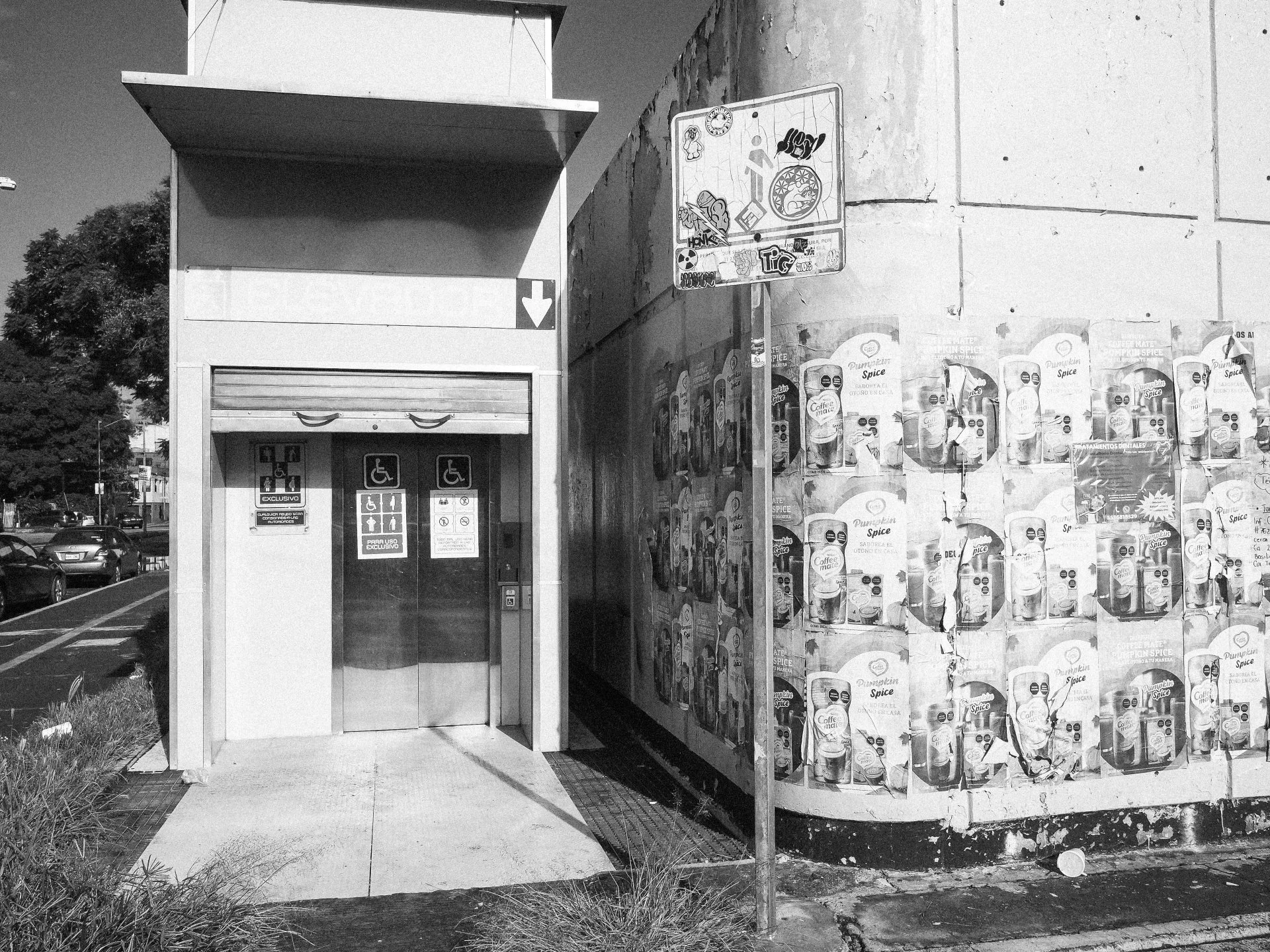
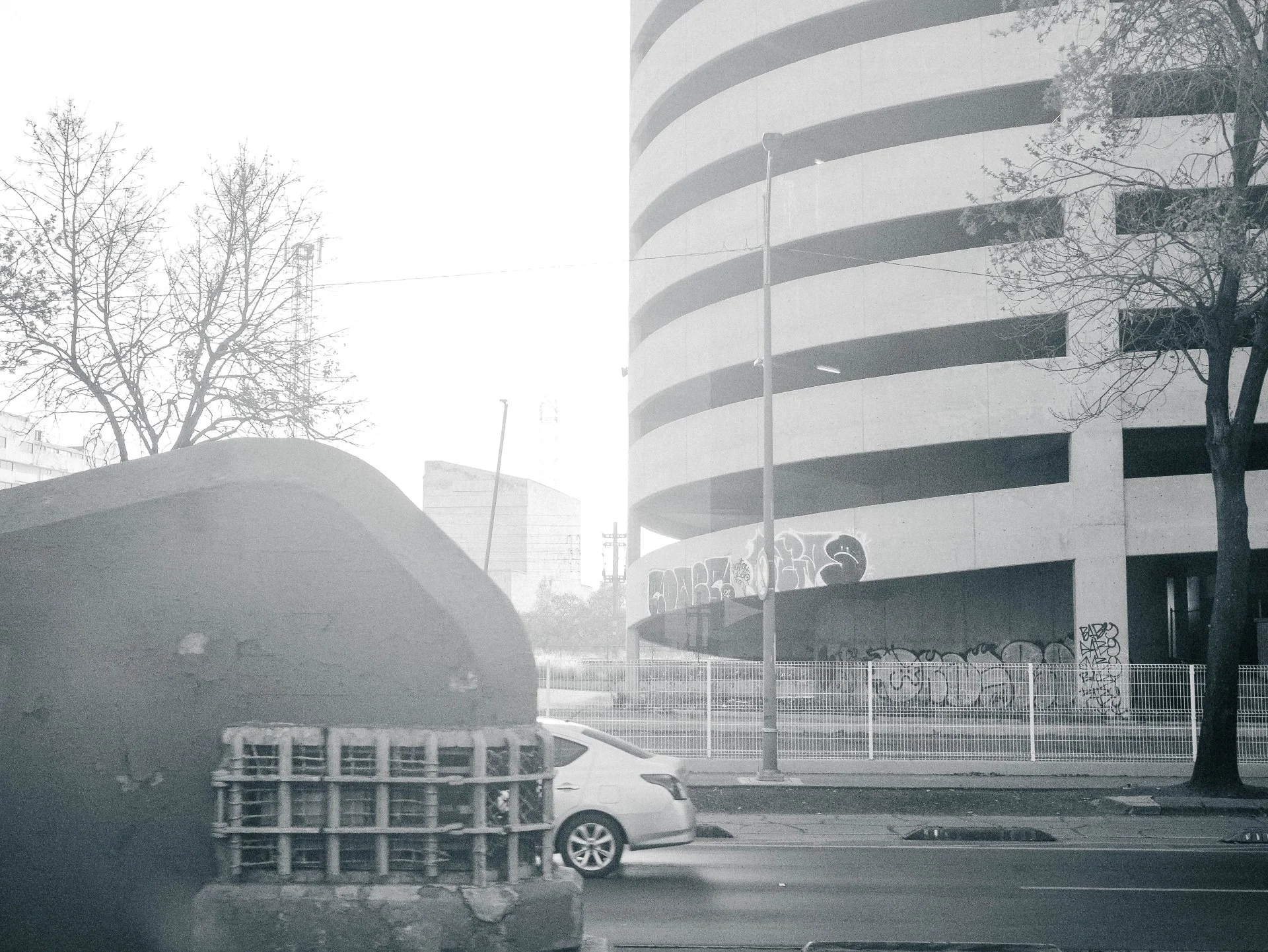
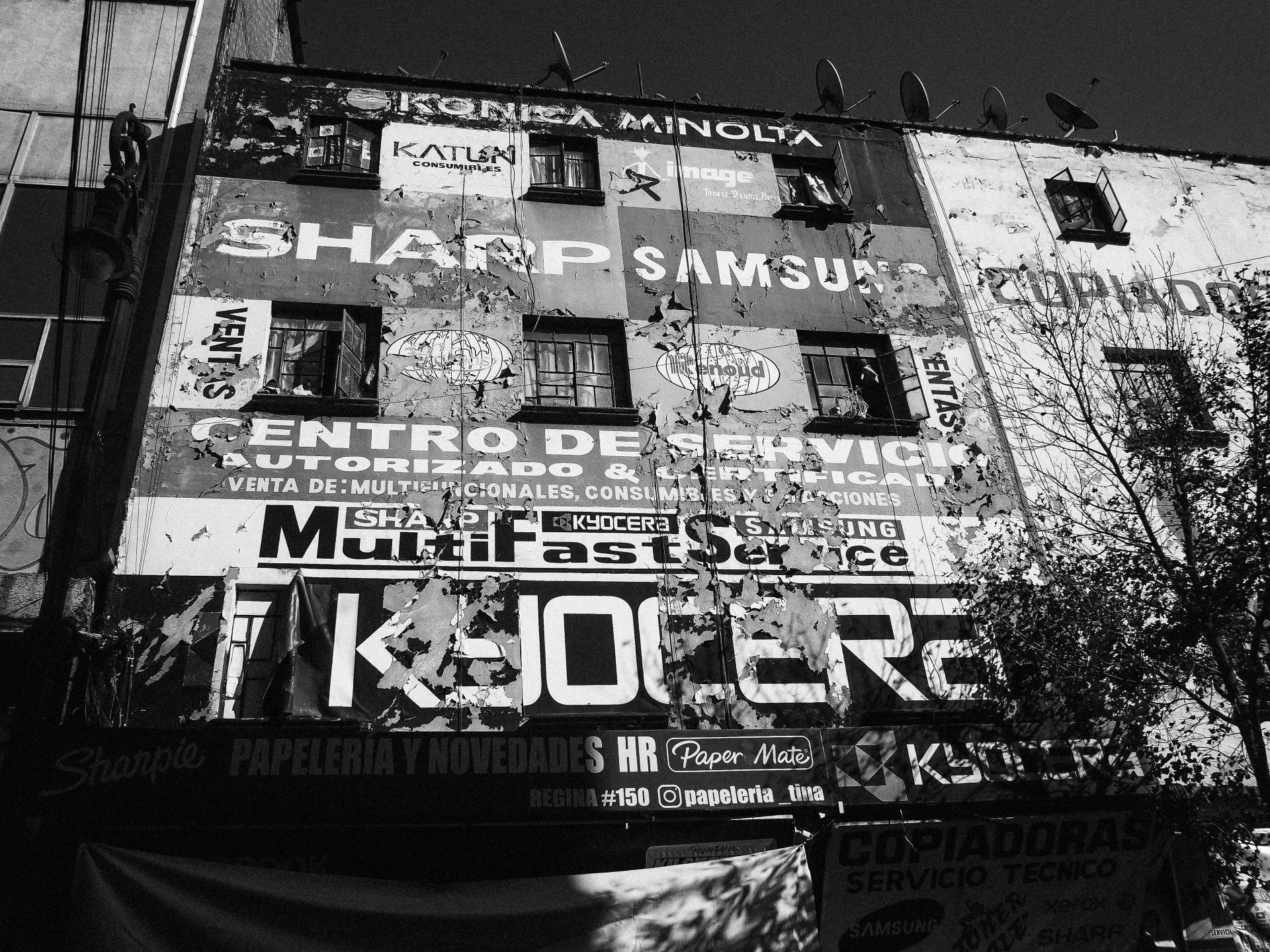
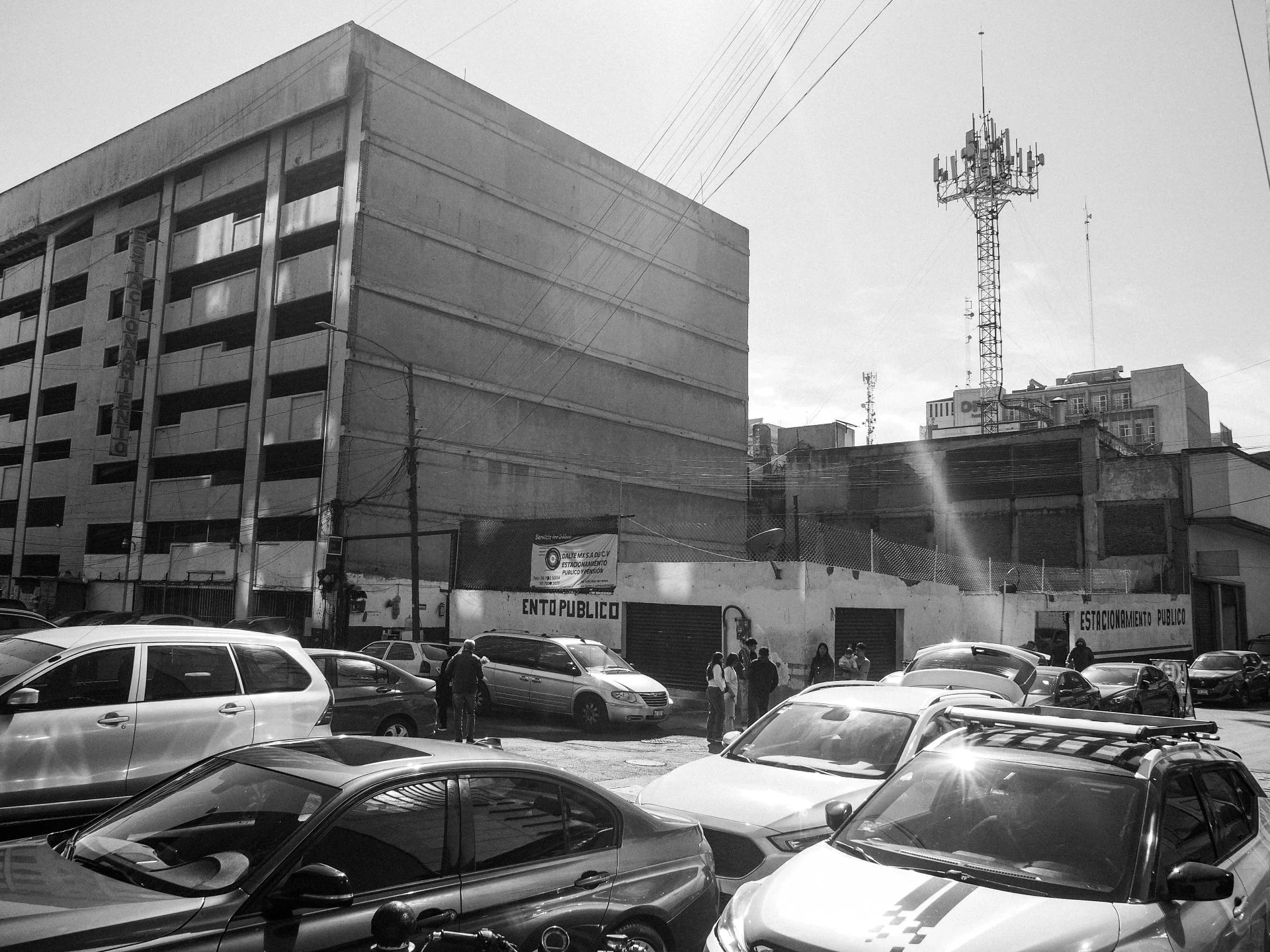
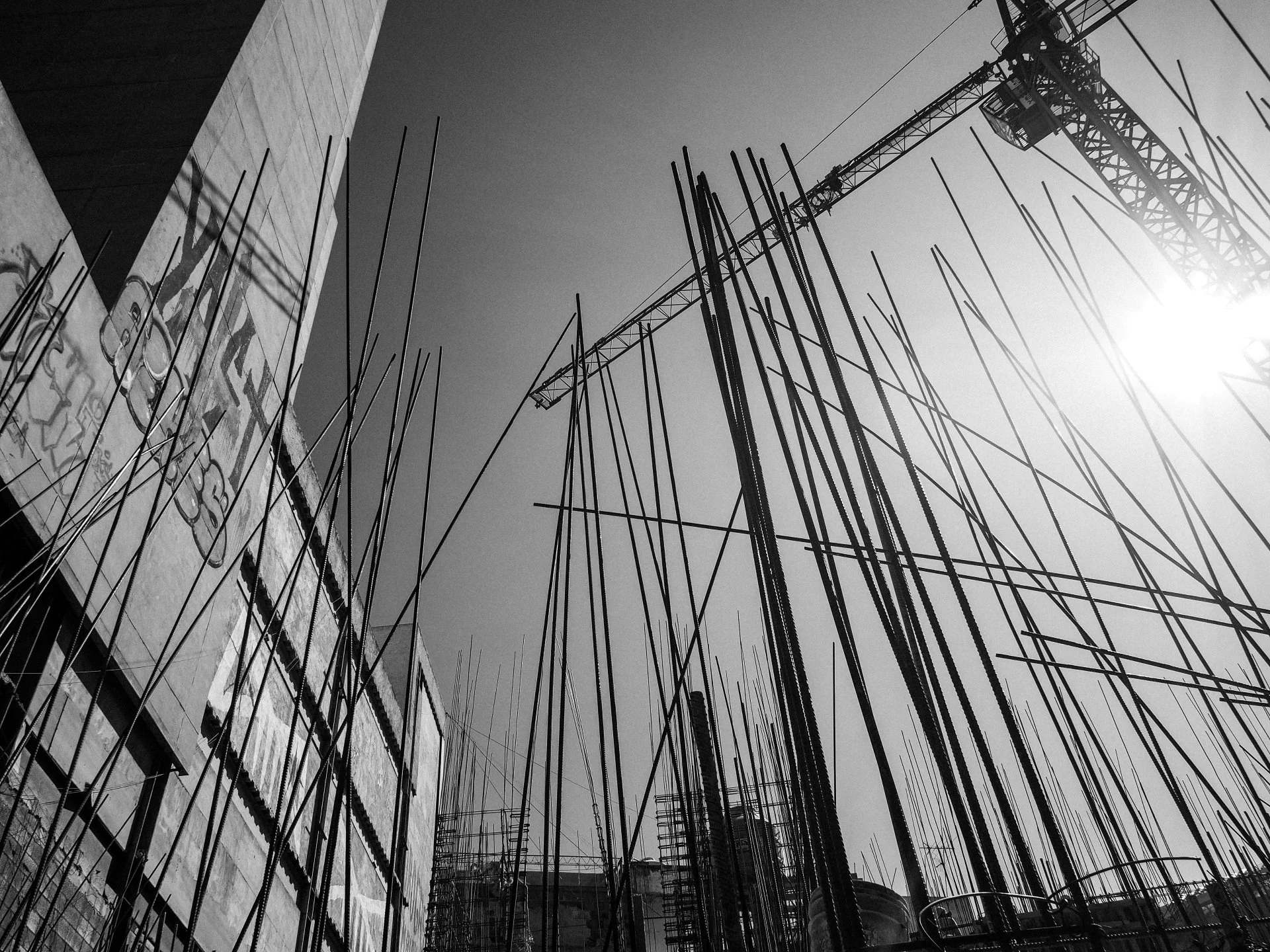
Its starting point is an almost radical decision: to observe how the world is changing. And this change is always social, even before it's visual. Cities are organisms in constant transformation. Architecture replacing other architecture. Spaces changing function. Signs of time accumulating.
The new topographics arrived and disrupted everything.
Then came the European School.
Luigi Ghirri.
Guido Guidi.
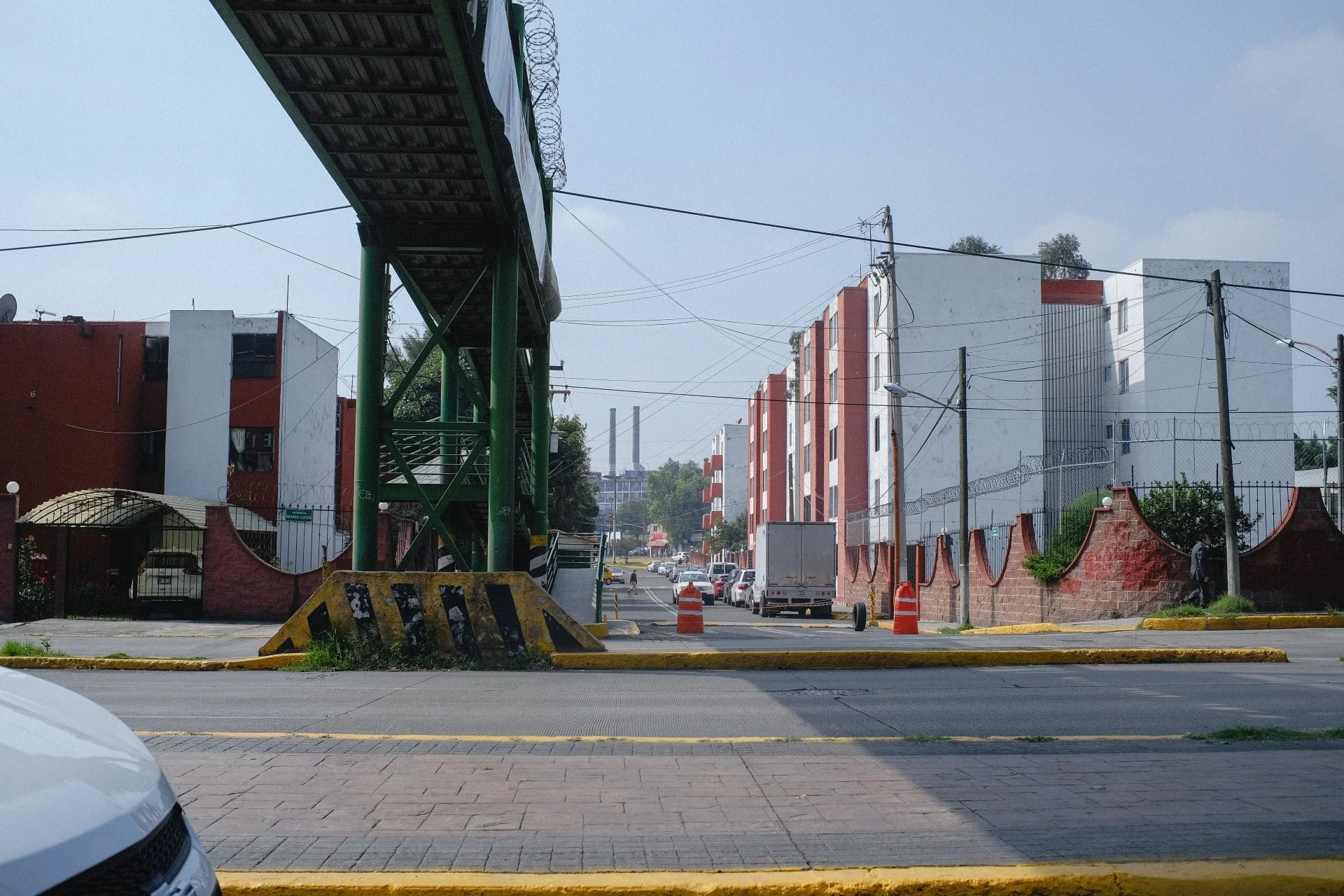
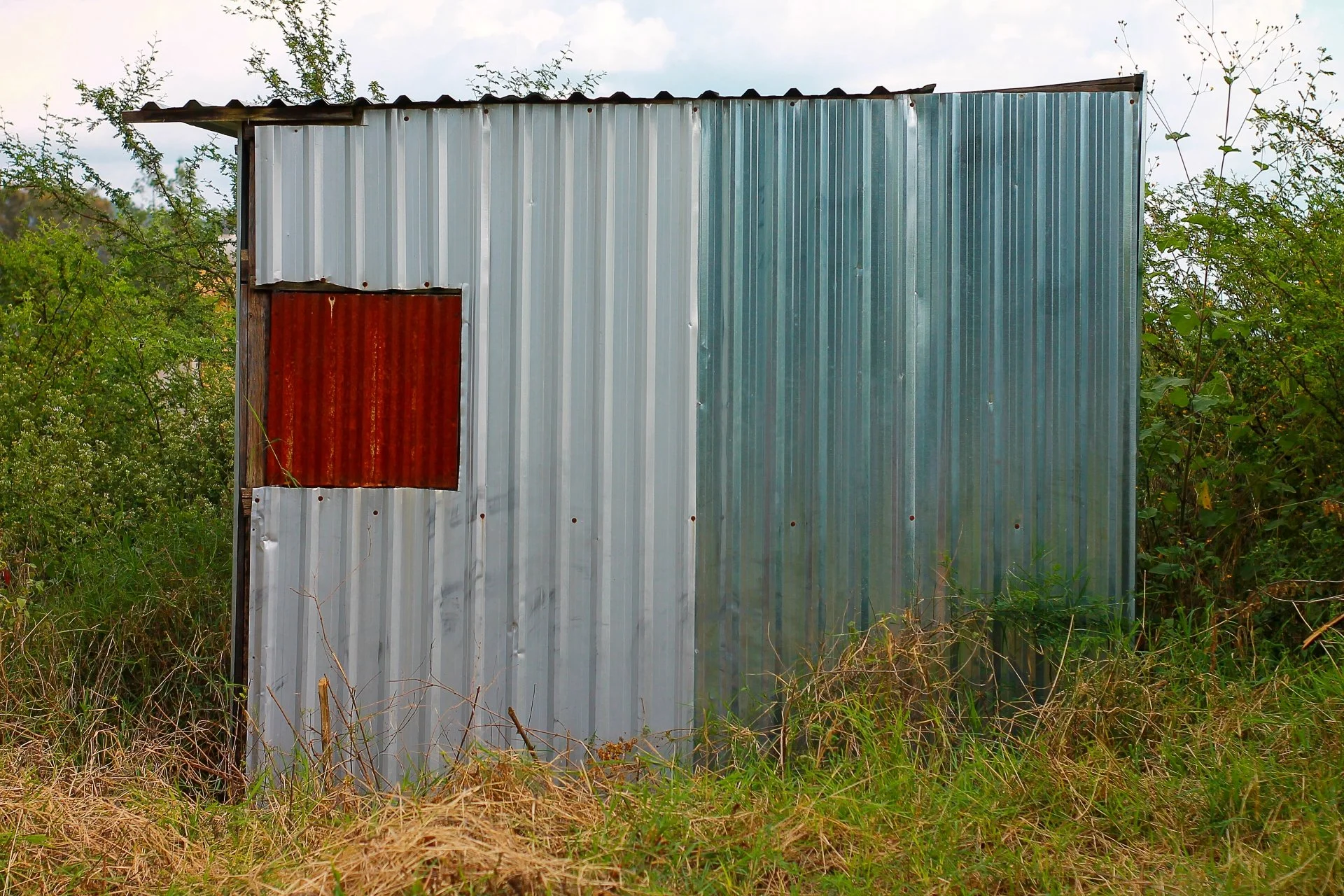
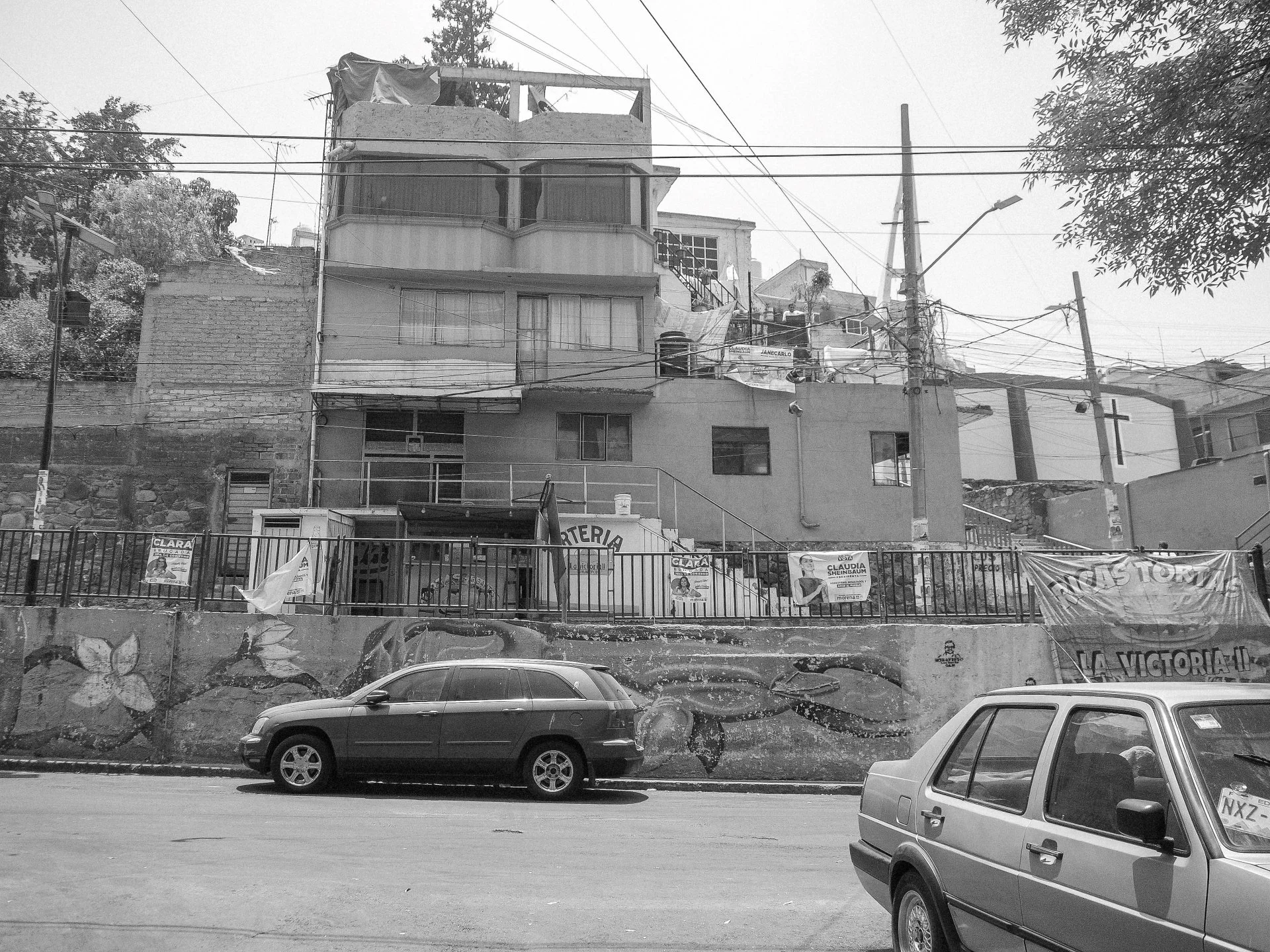
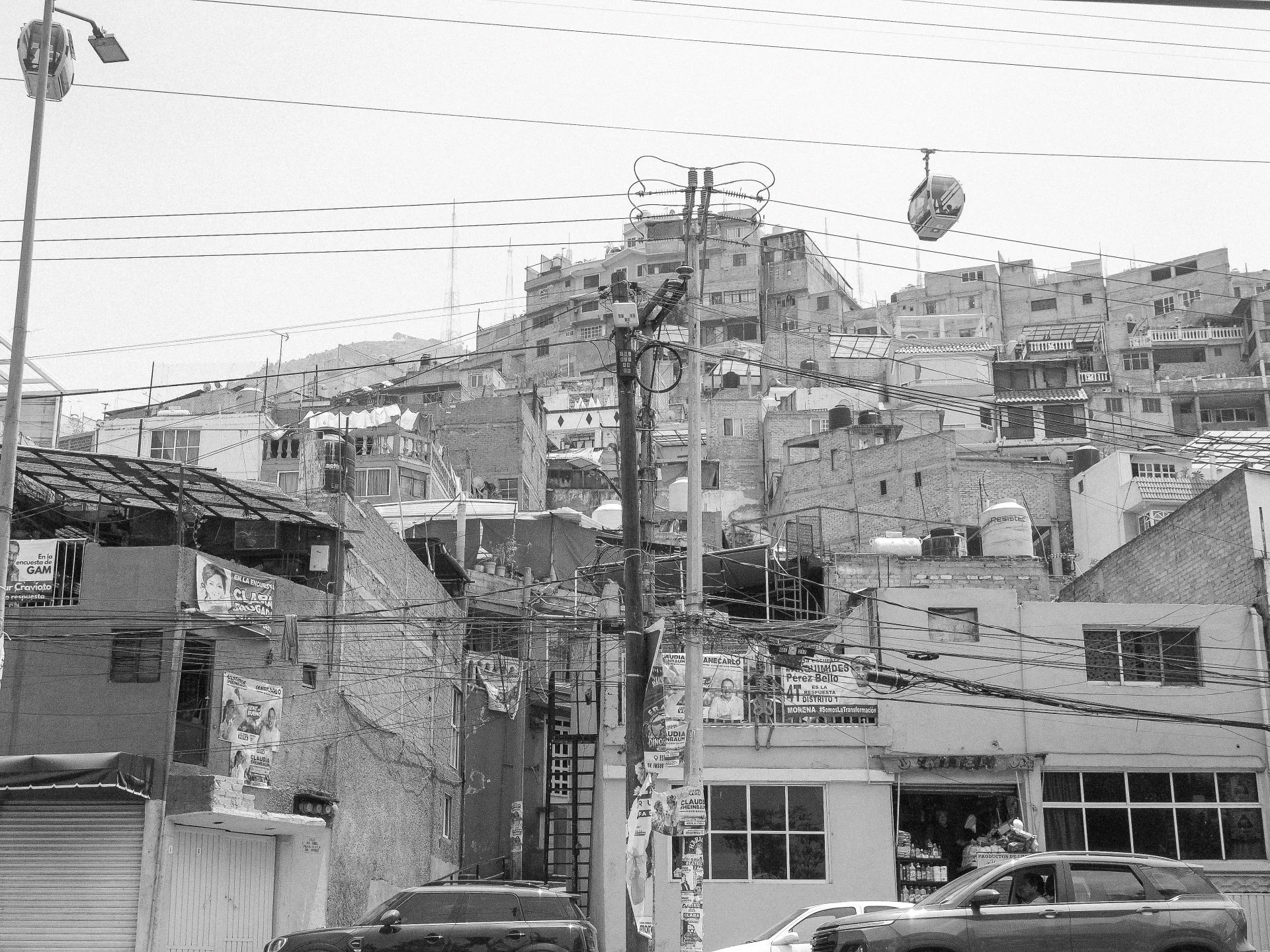
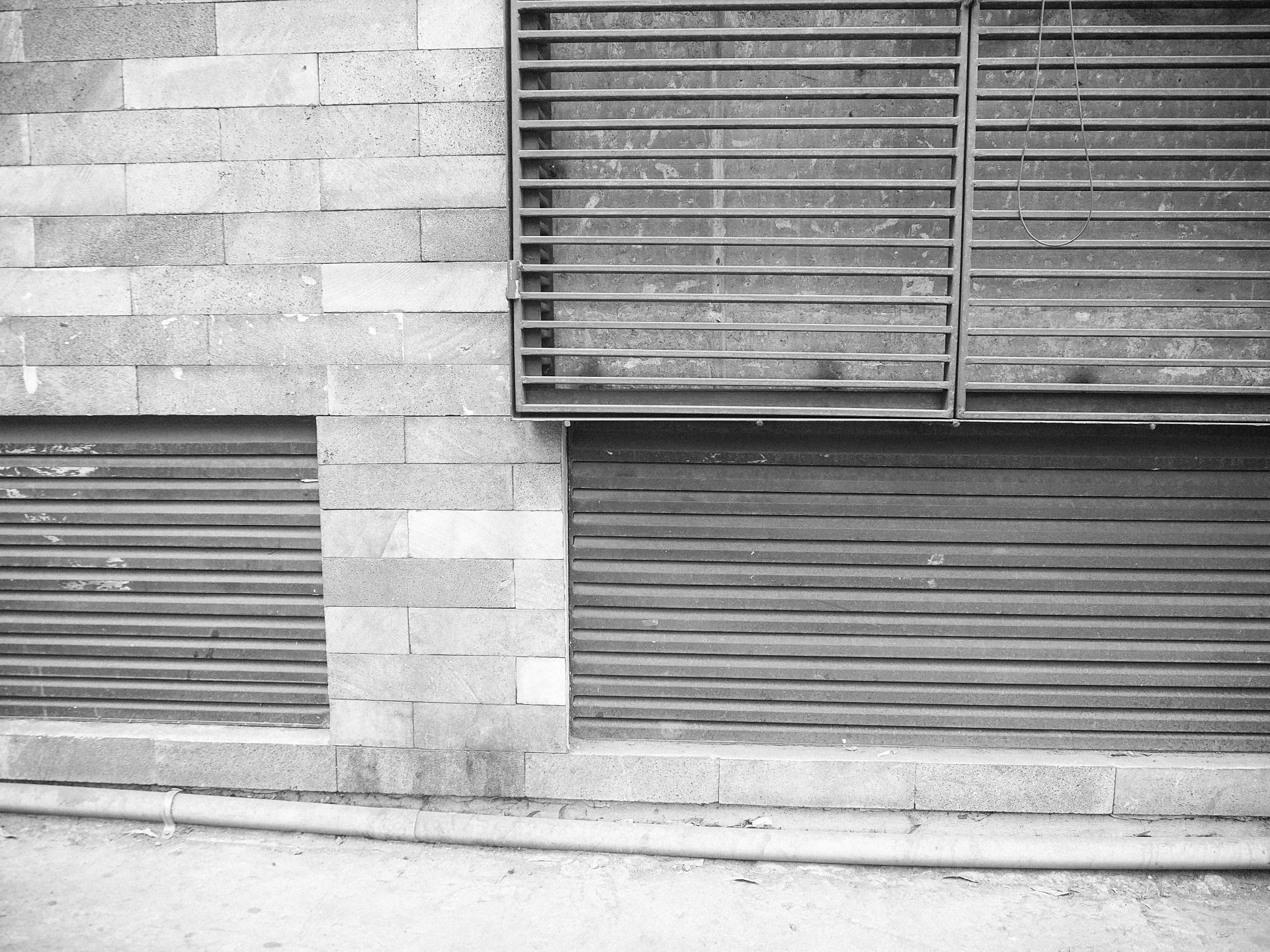
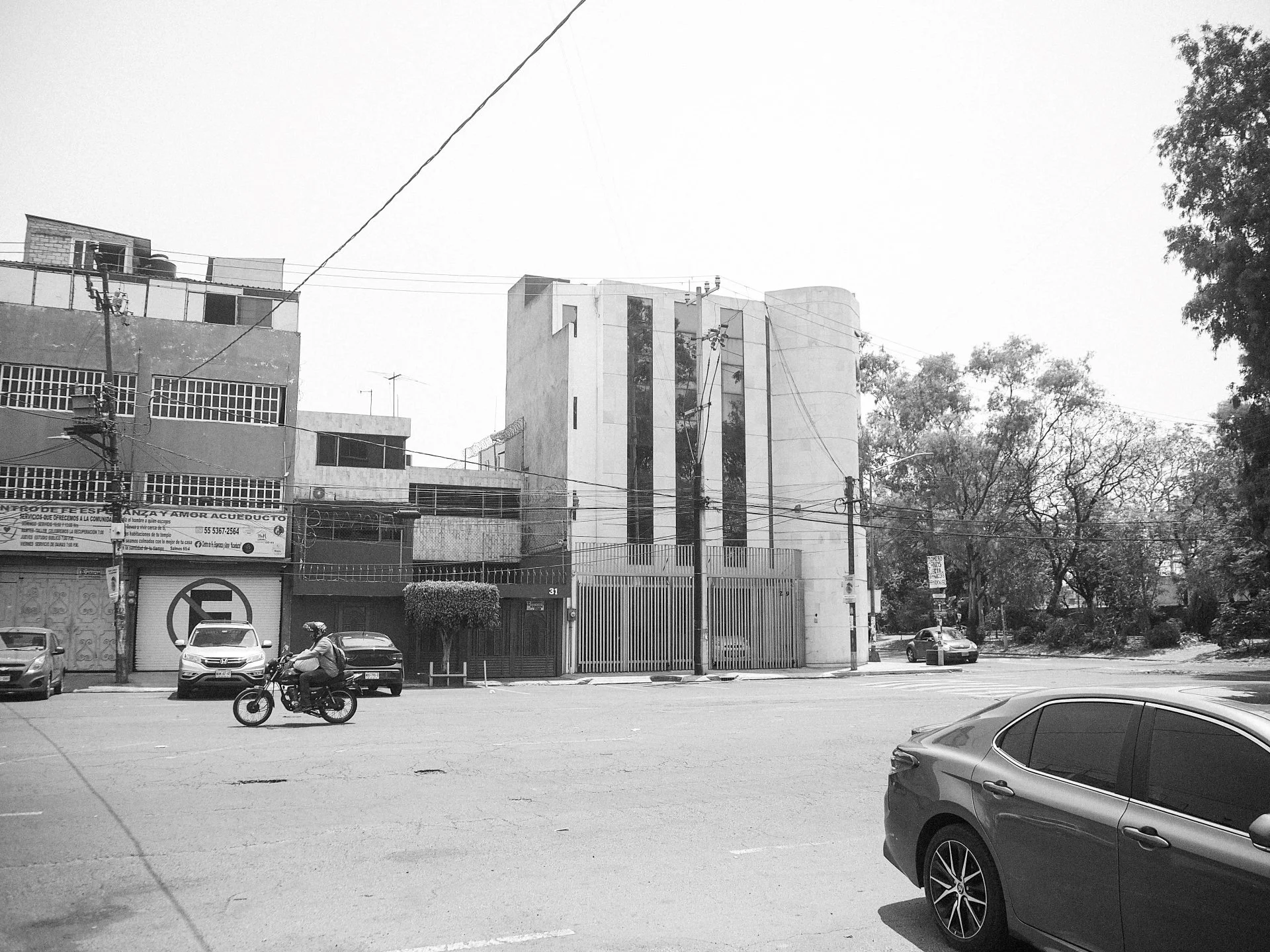
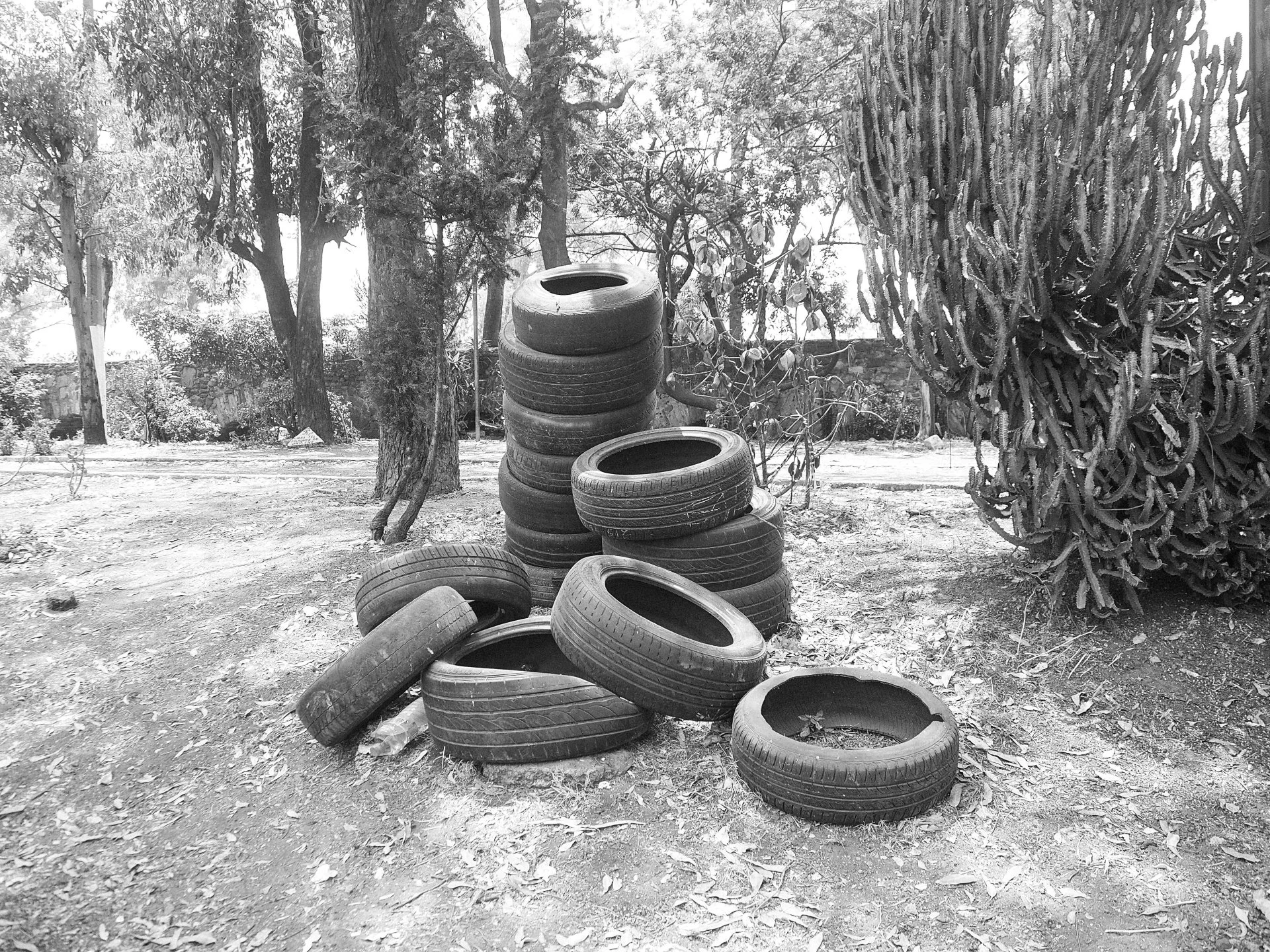
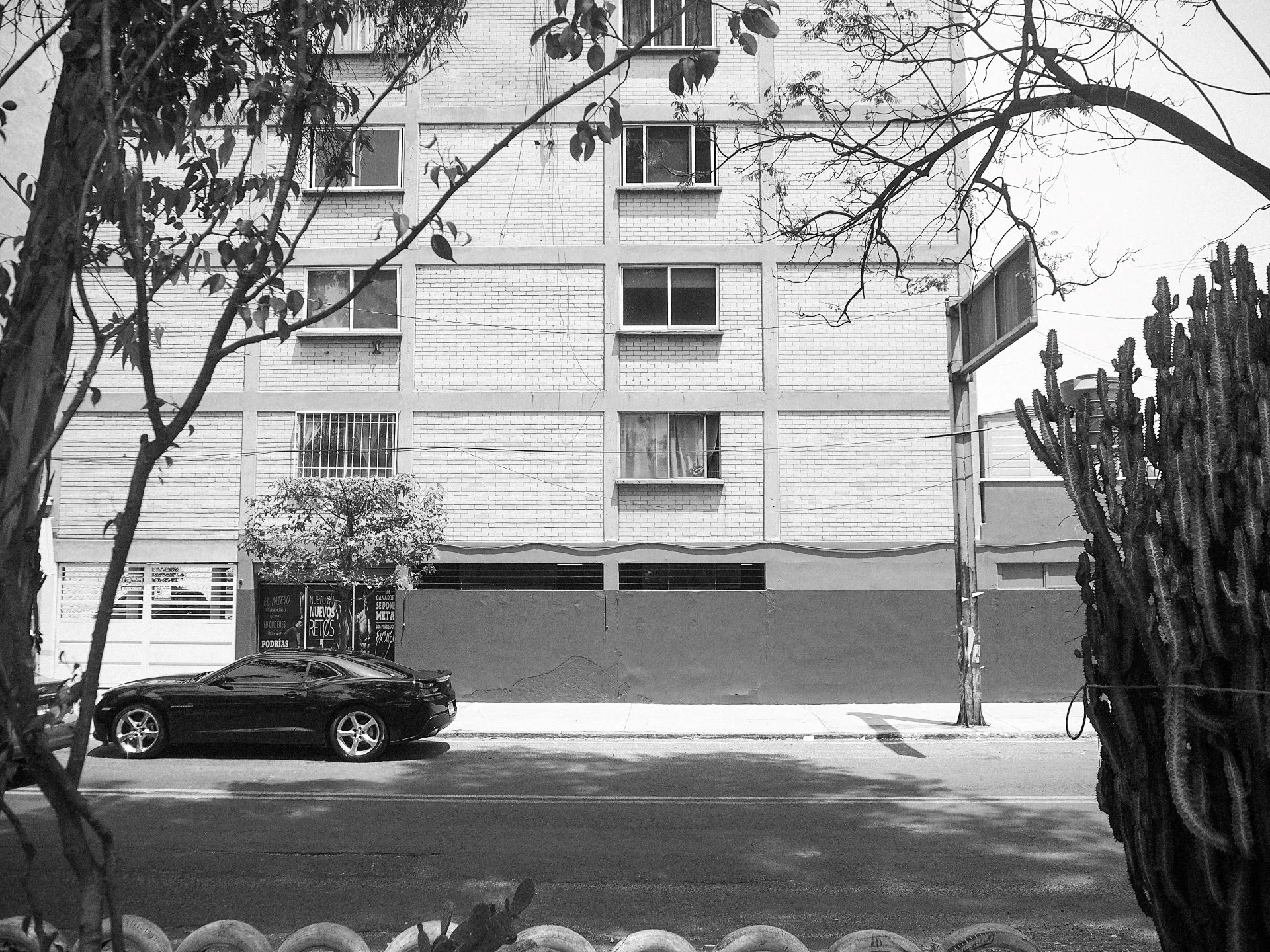
Photographing the urban landscape means entering into the process of offering a perspective on the space in our cities, but not only that, because even on a dirt road in the countryside or on a beach we have seen shining examples of urban landscapes. Therefore, it's not even a matter of categorizing based on location, but rather on the vision and approach with which this type of photography is achieved. The urban landscape is a mental and, therefore, internal journey of a photographer interested in investigating, through the external world, the deepest and most intimate thoughts of his being in the world.
We must traverse places. Frequent them. Inhabit them with our gaze. And then, it can become a connection with the soul. With our inner selves. It's not just the place that is before me and I photograph it, but much, much more.
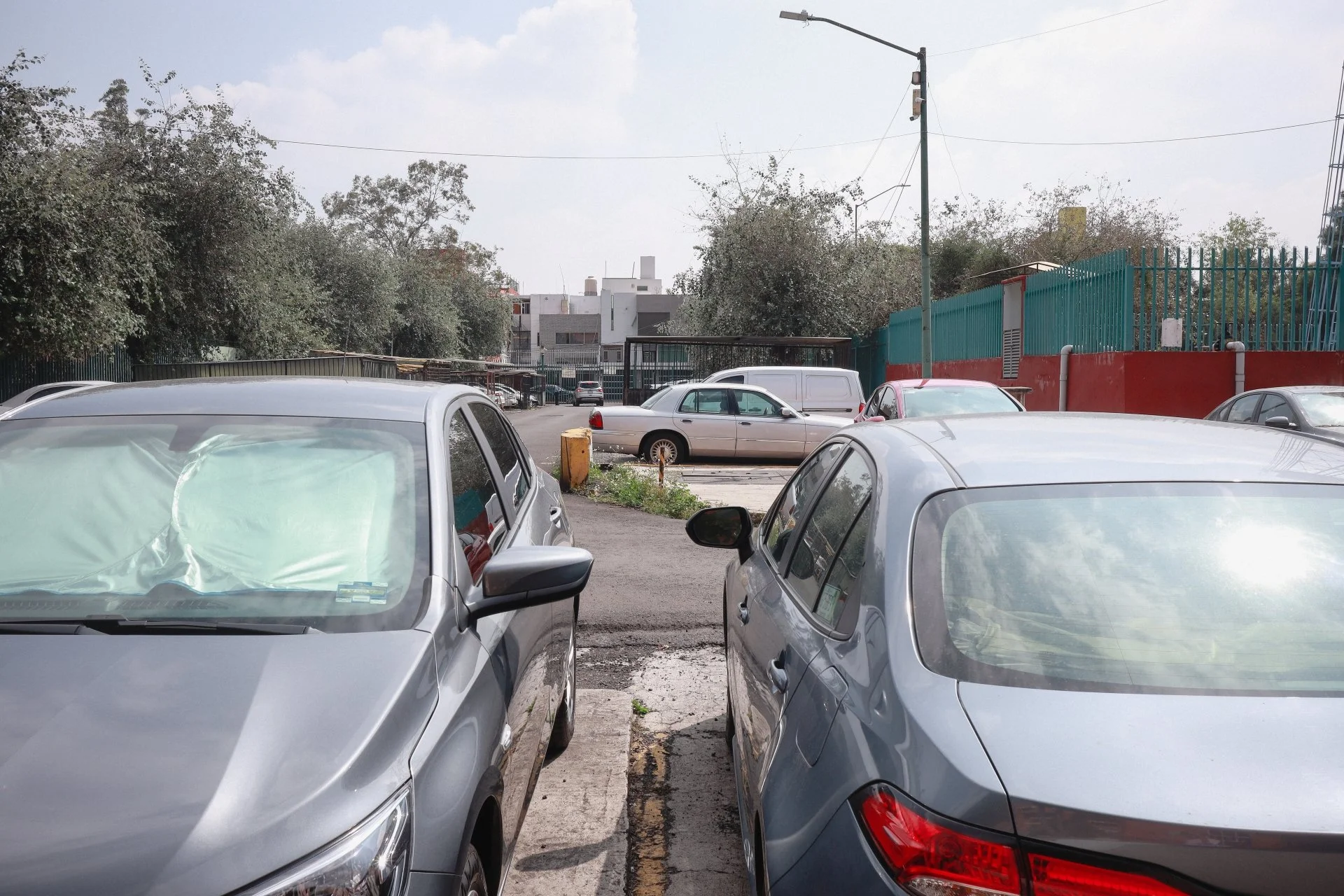
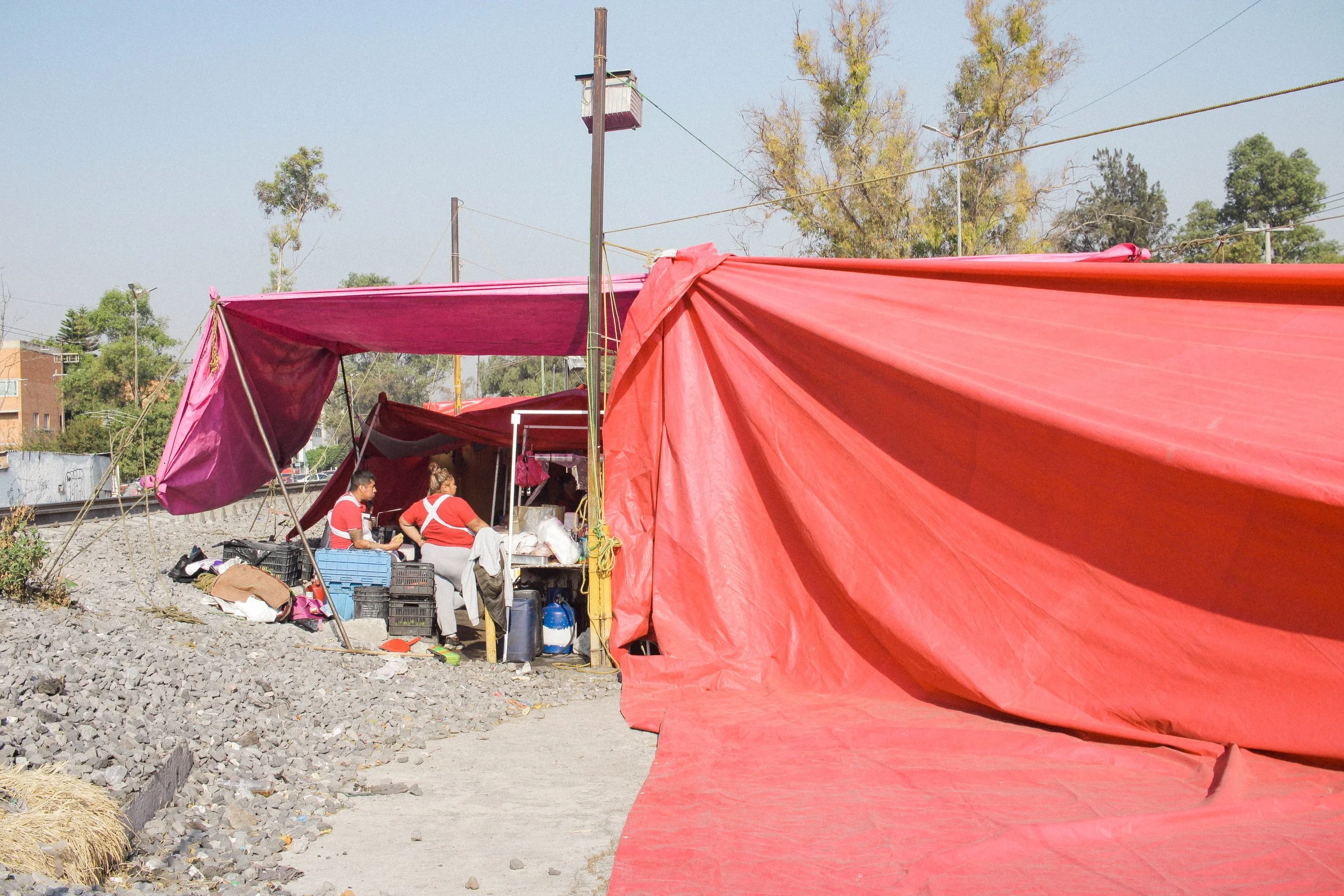
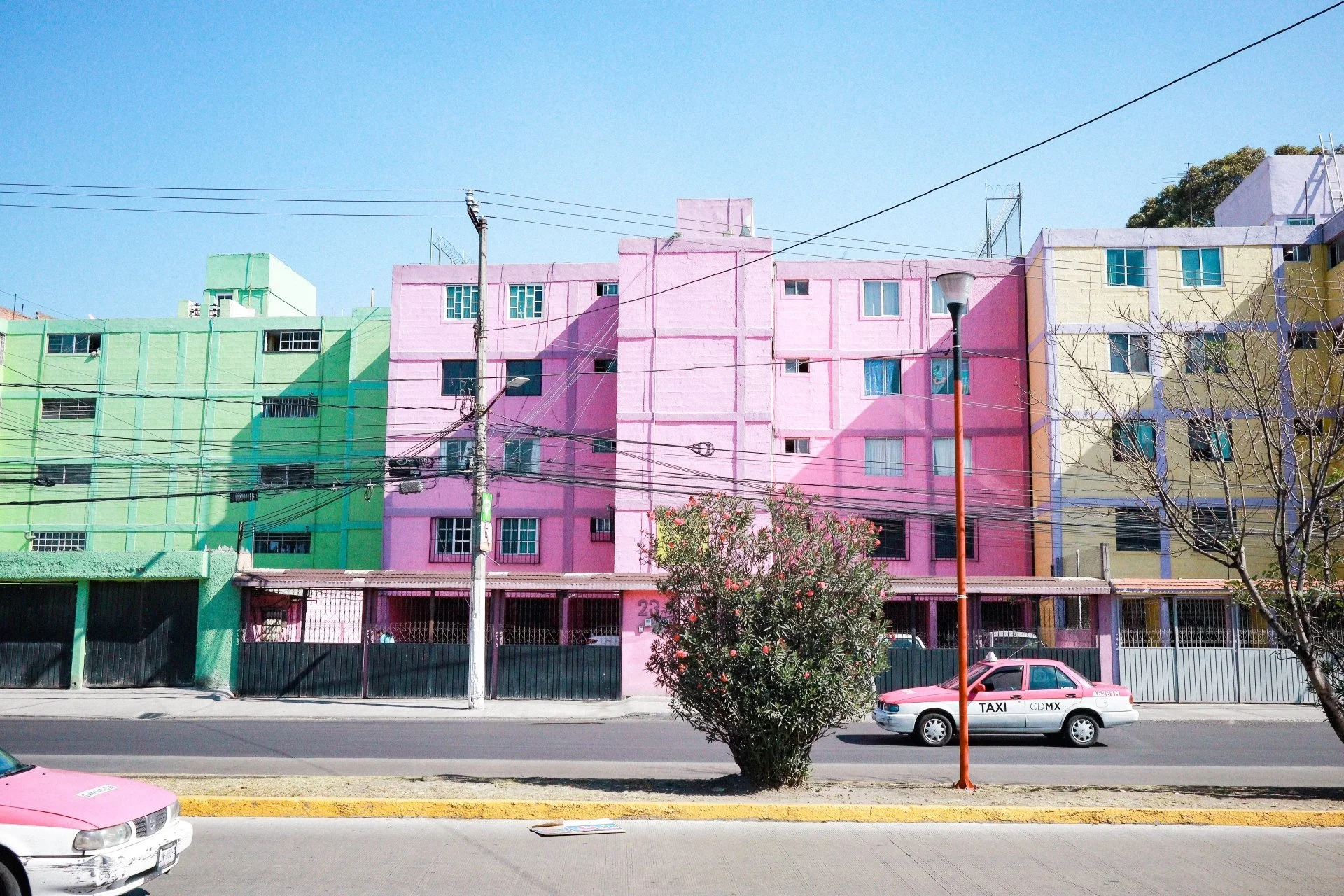
For this reason, from the perspective of intention, the urban landscape is much closer to documentary photography than to classic landscape photography. It doesn't seek the natural sublime. It seeks the traces of human presence.
From this reasoning, we understand that simply "taking a photograph" isn't enough.
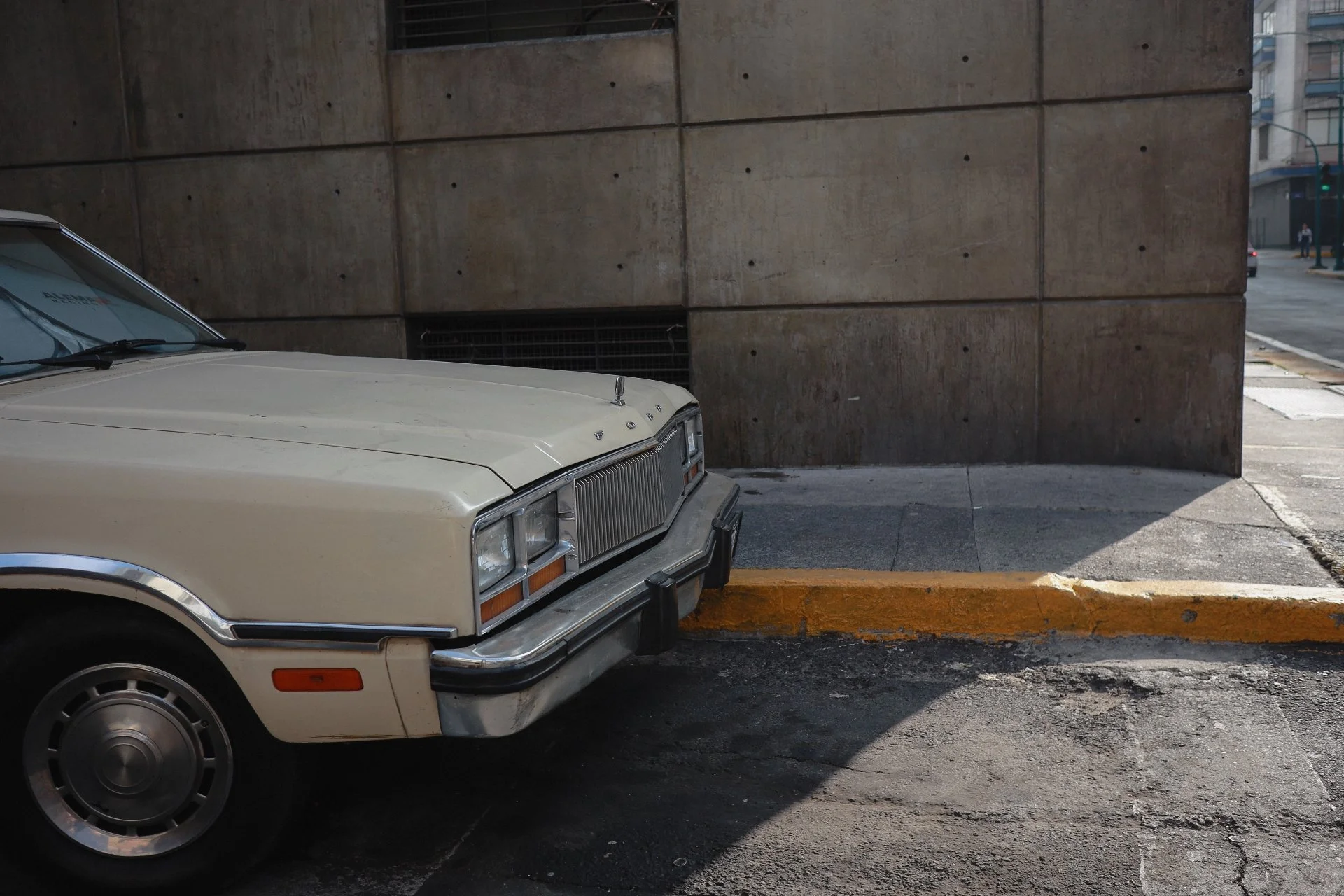
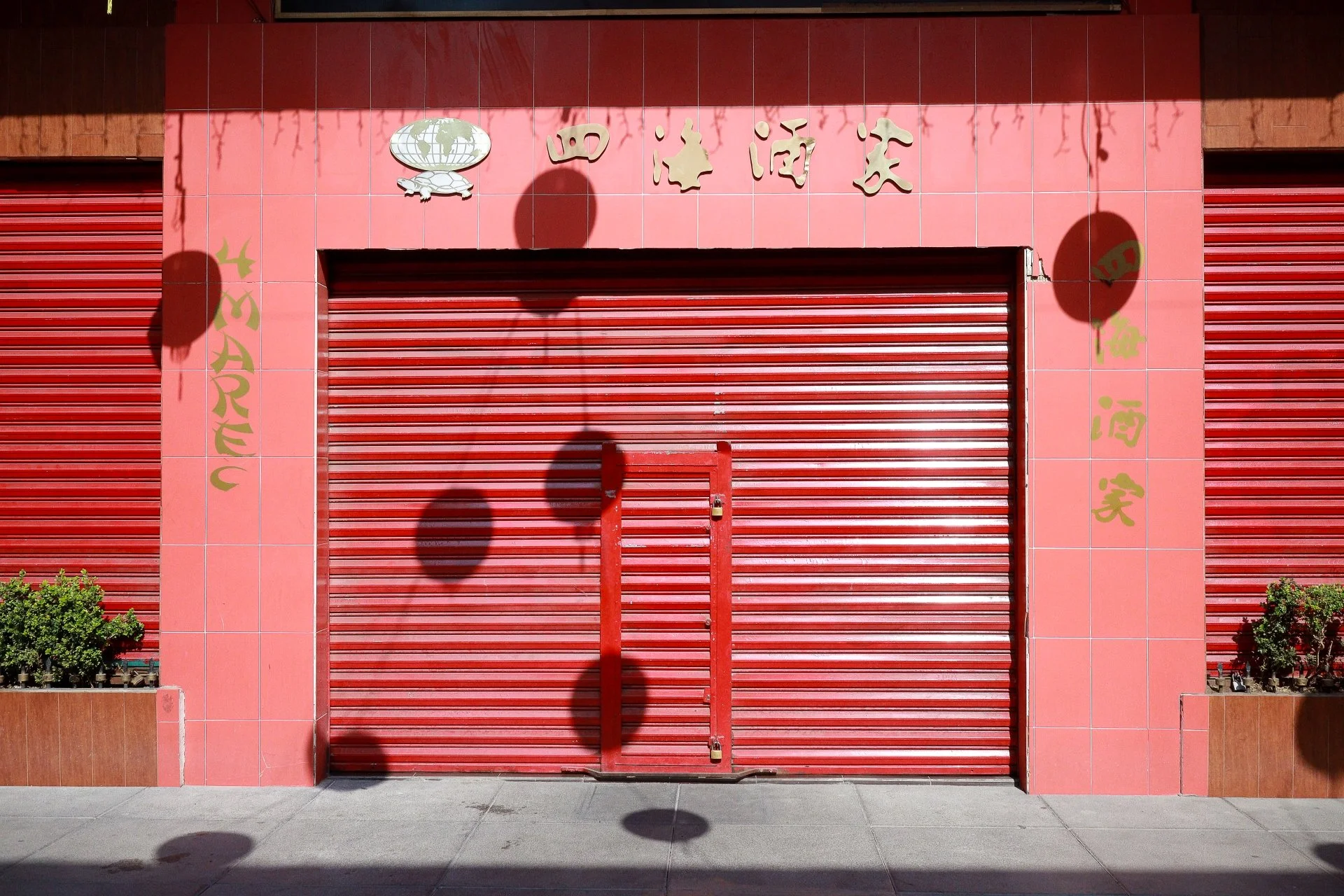
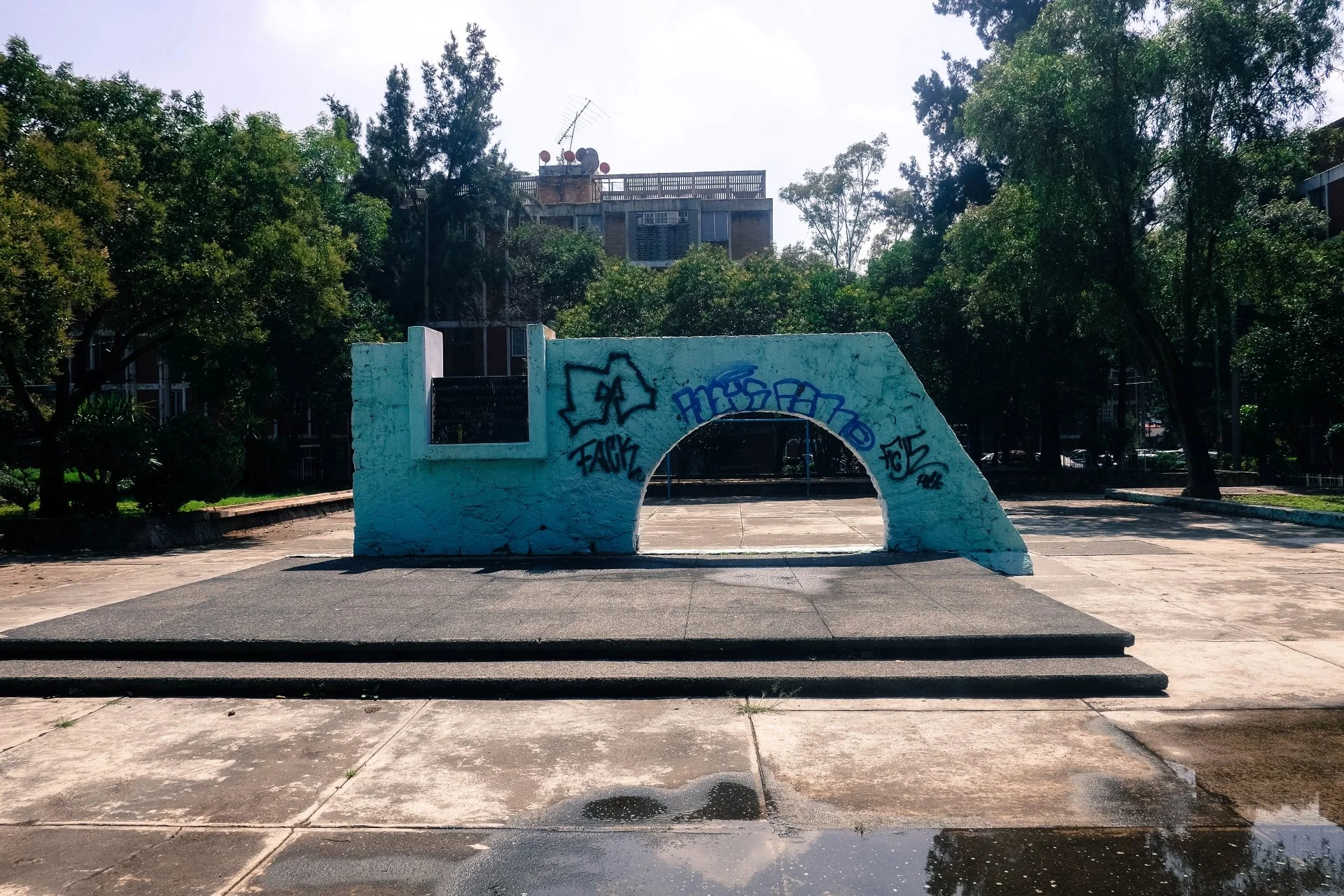
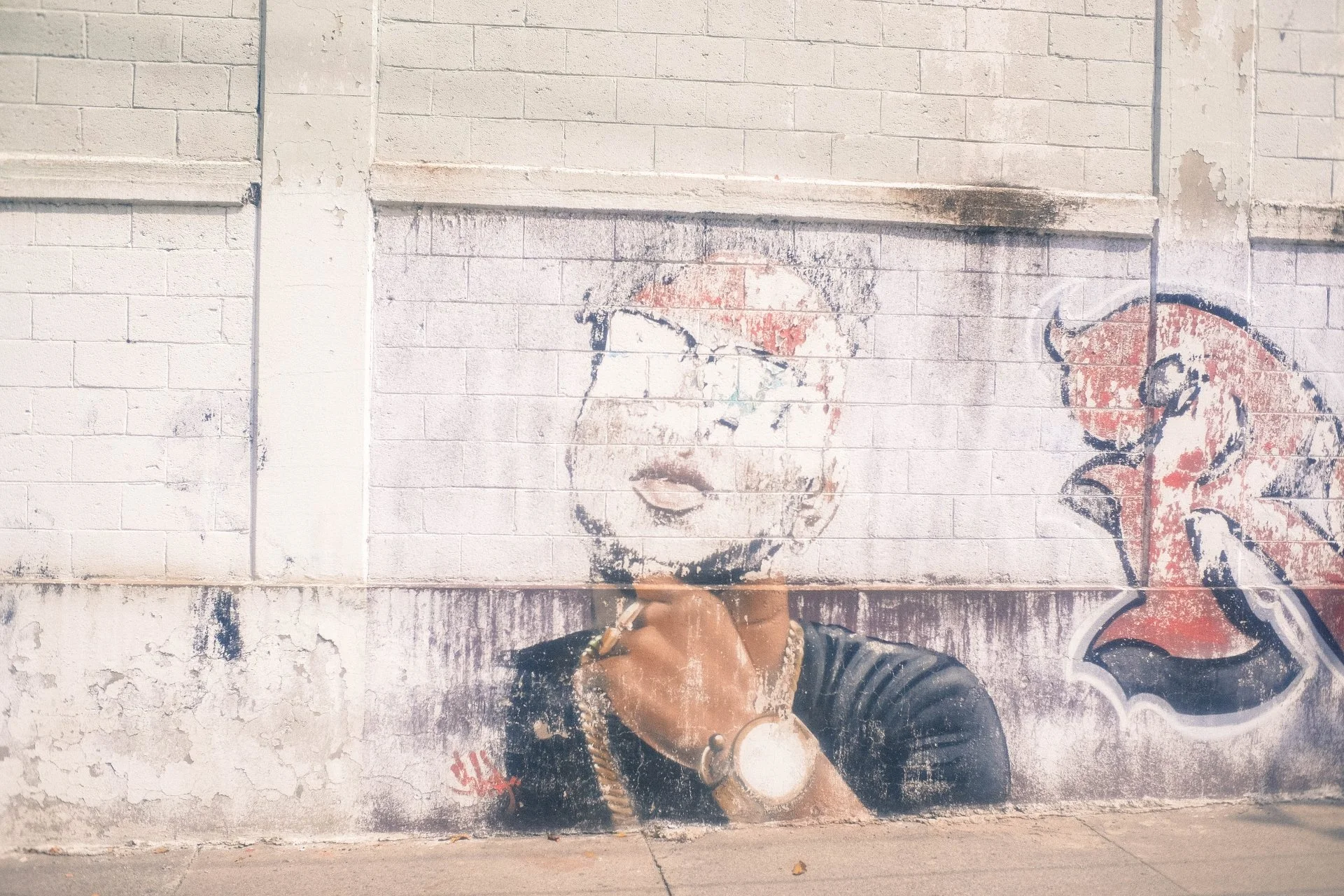
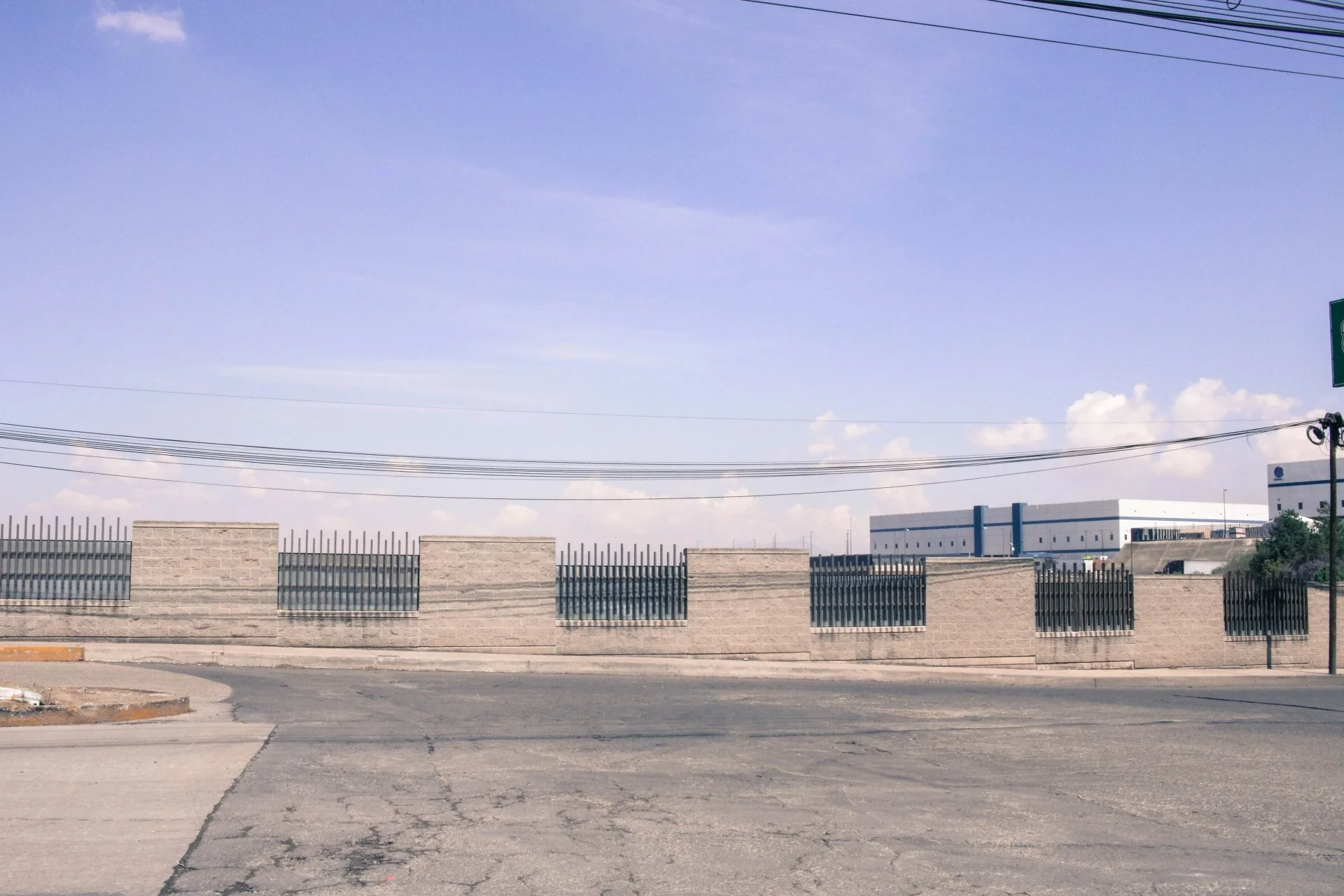
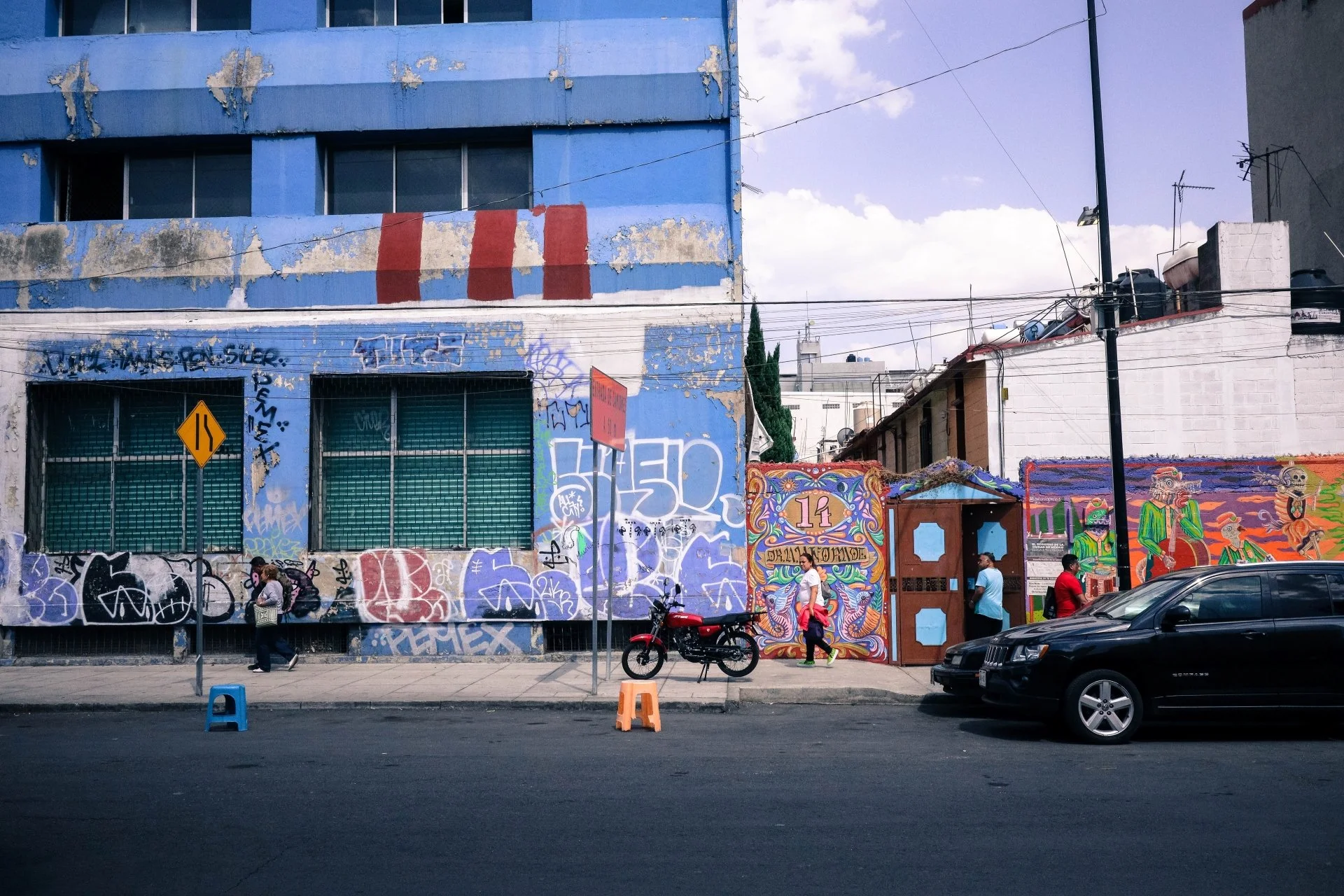
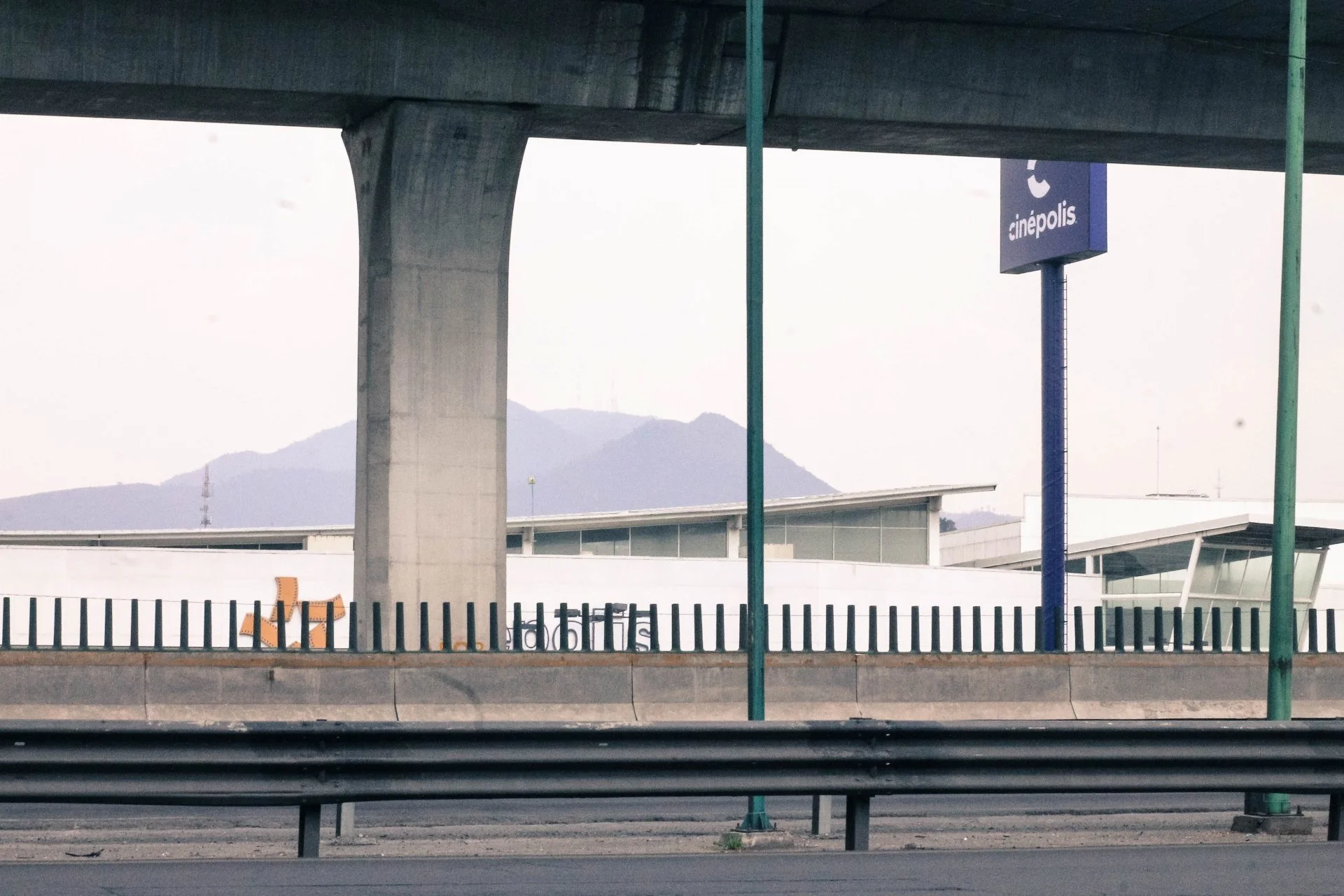
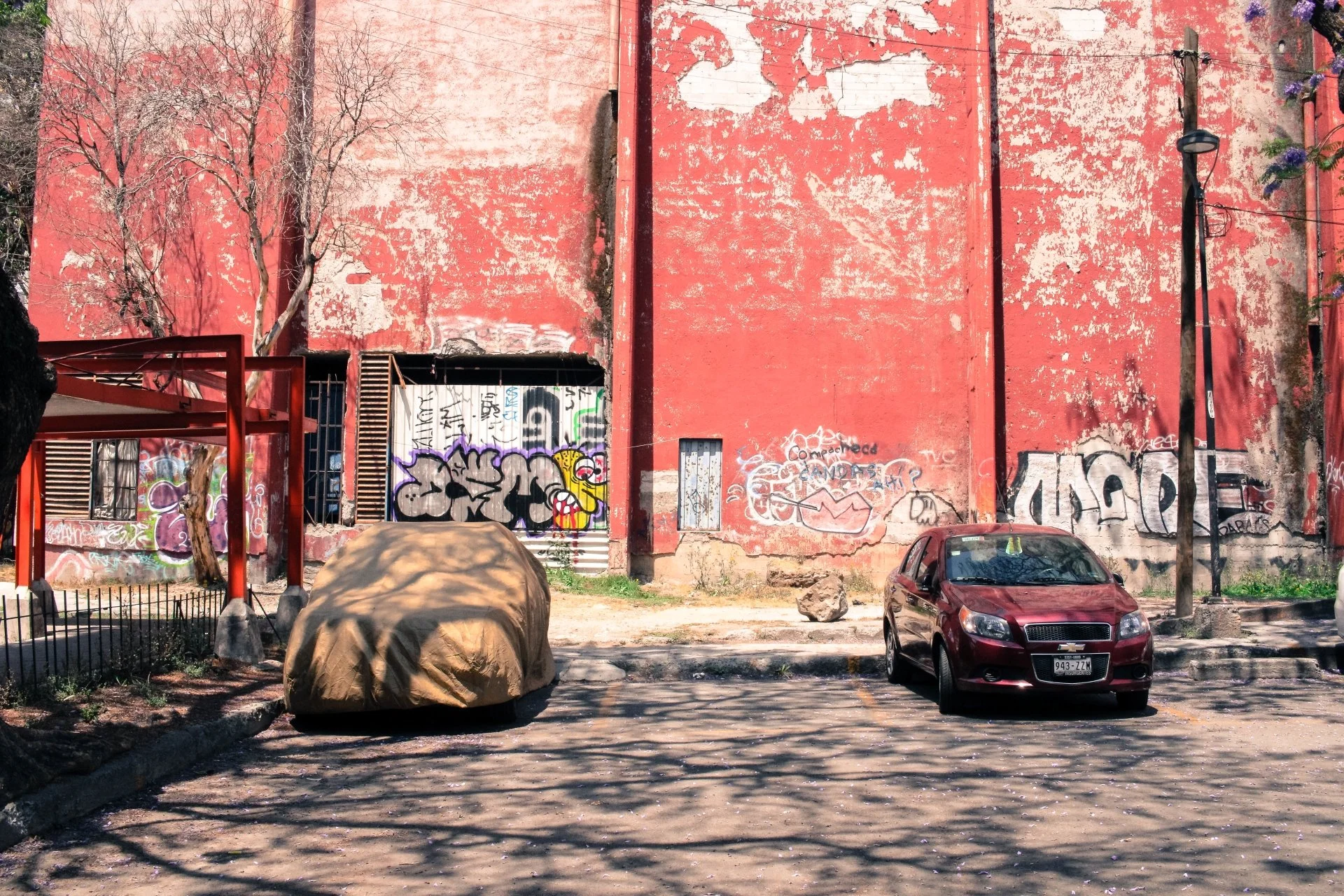
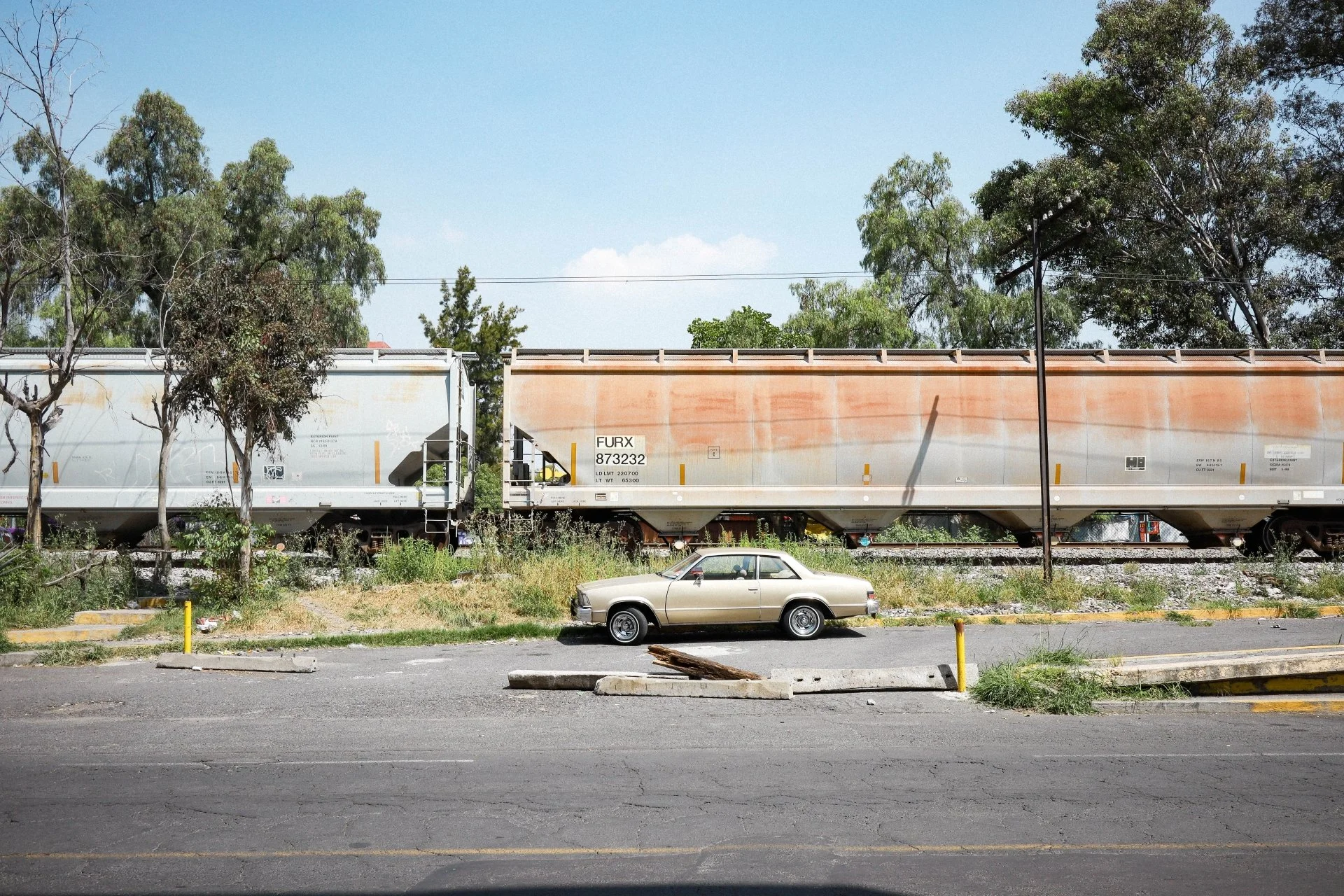
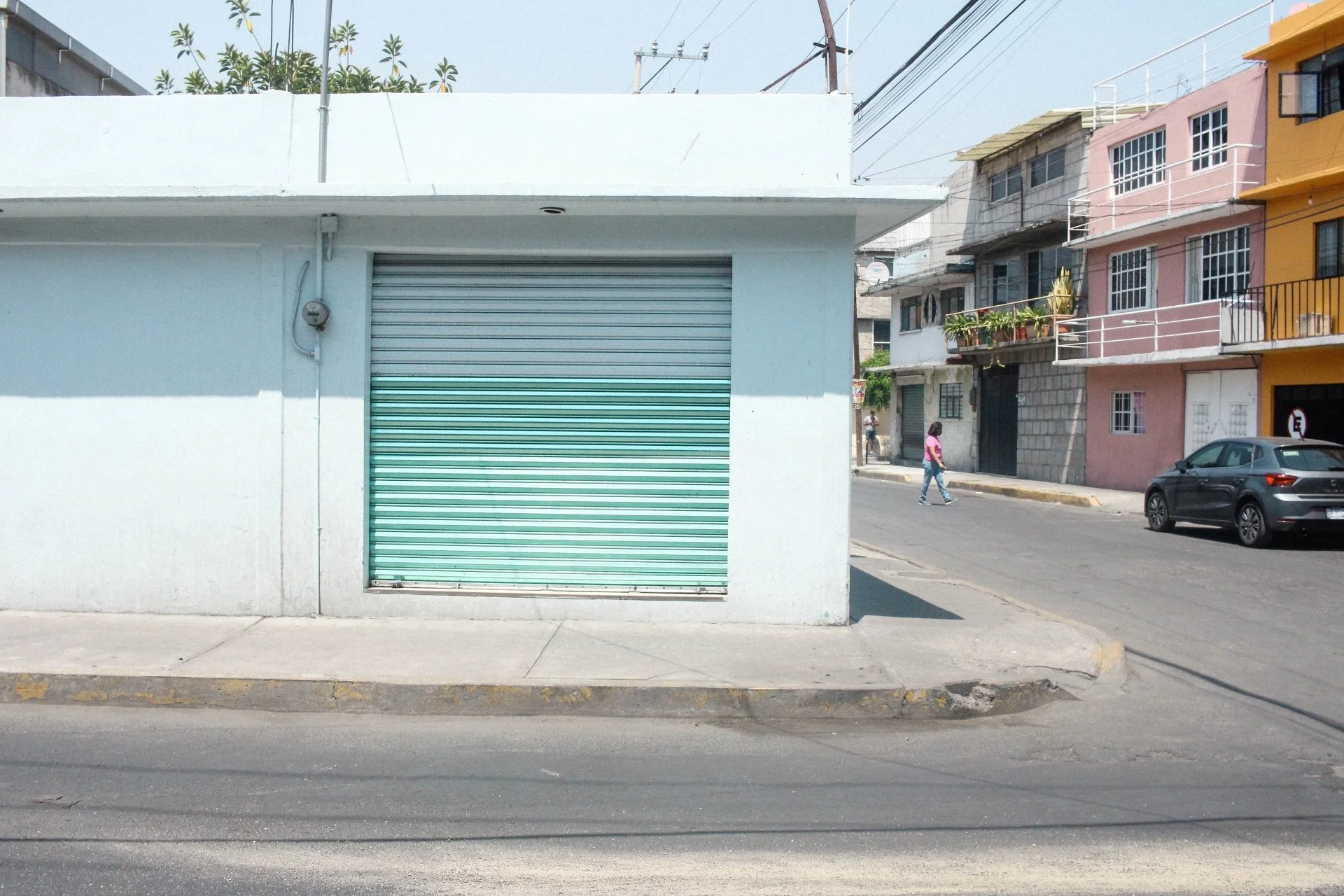
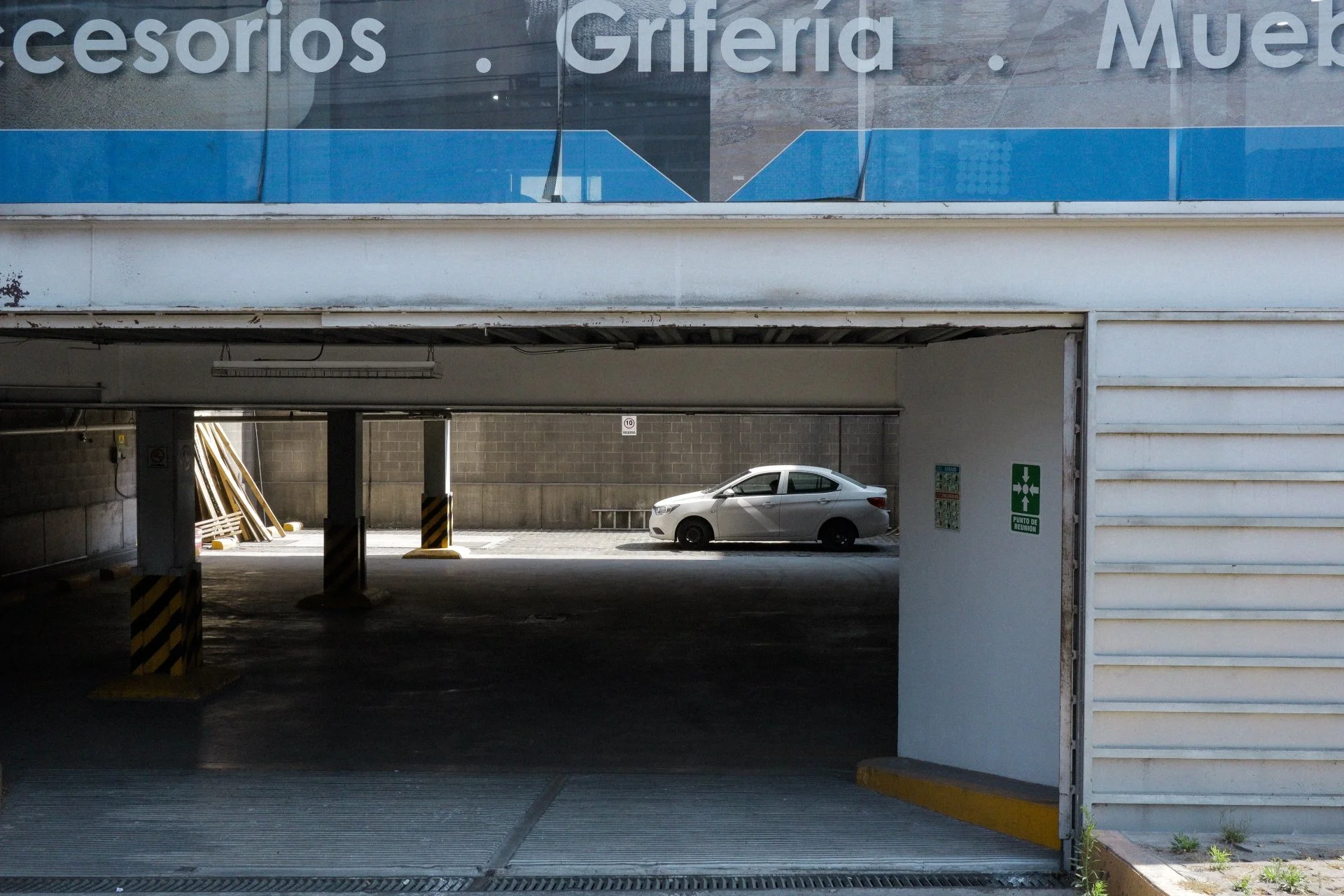
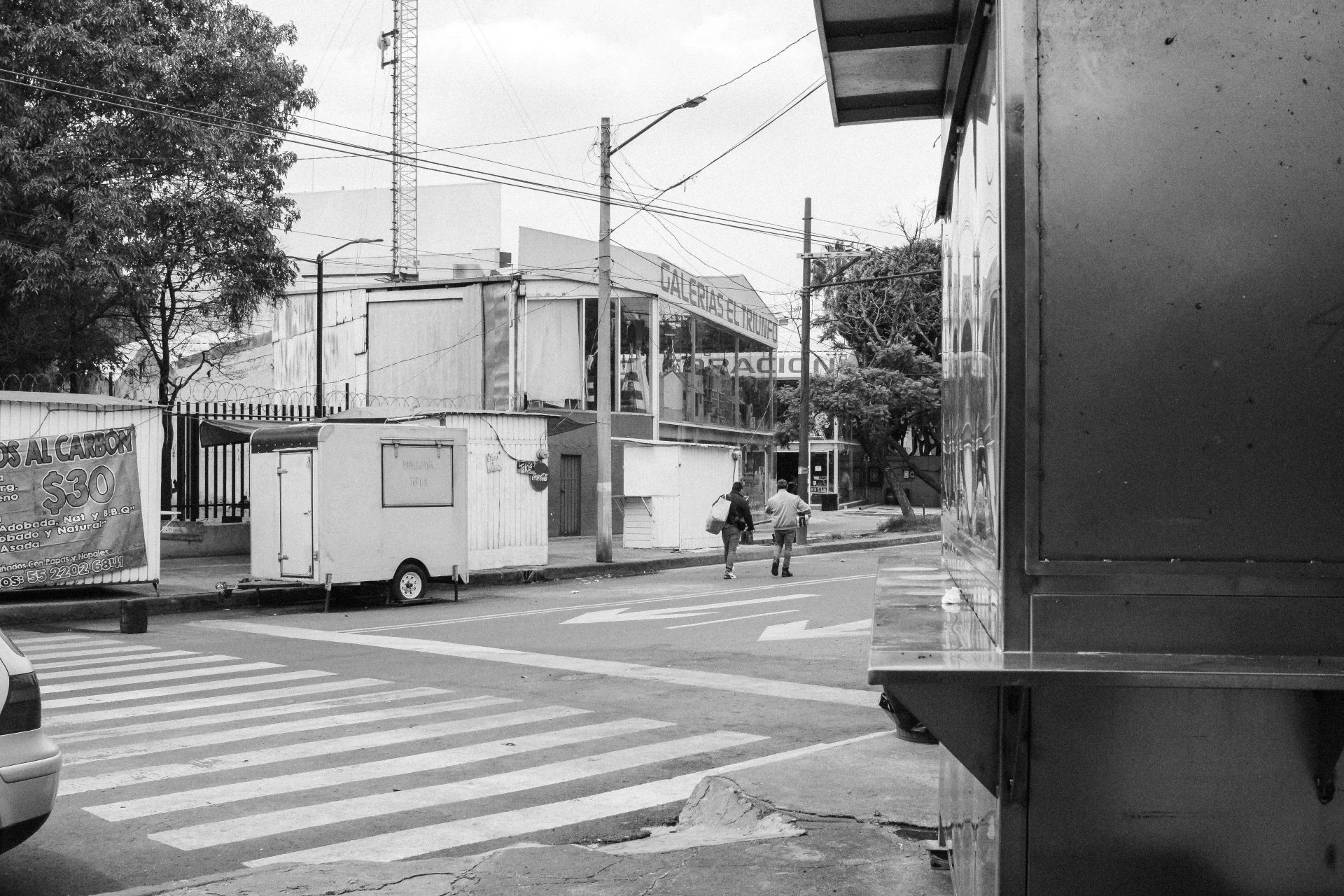
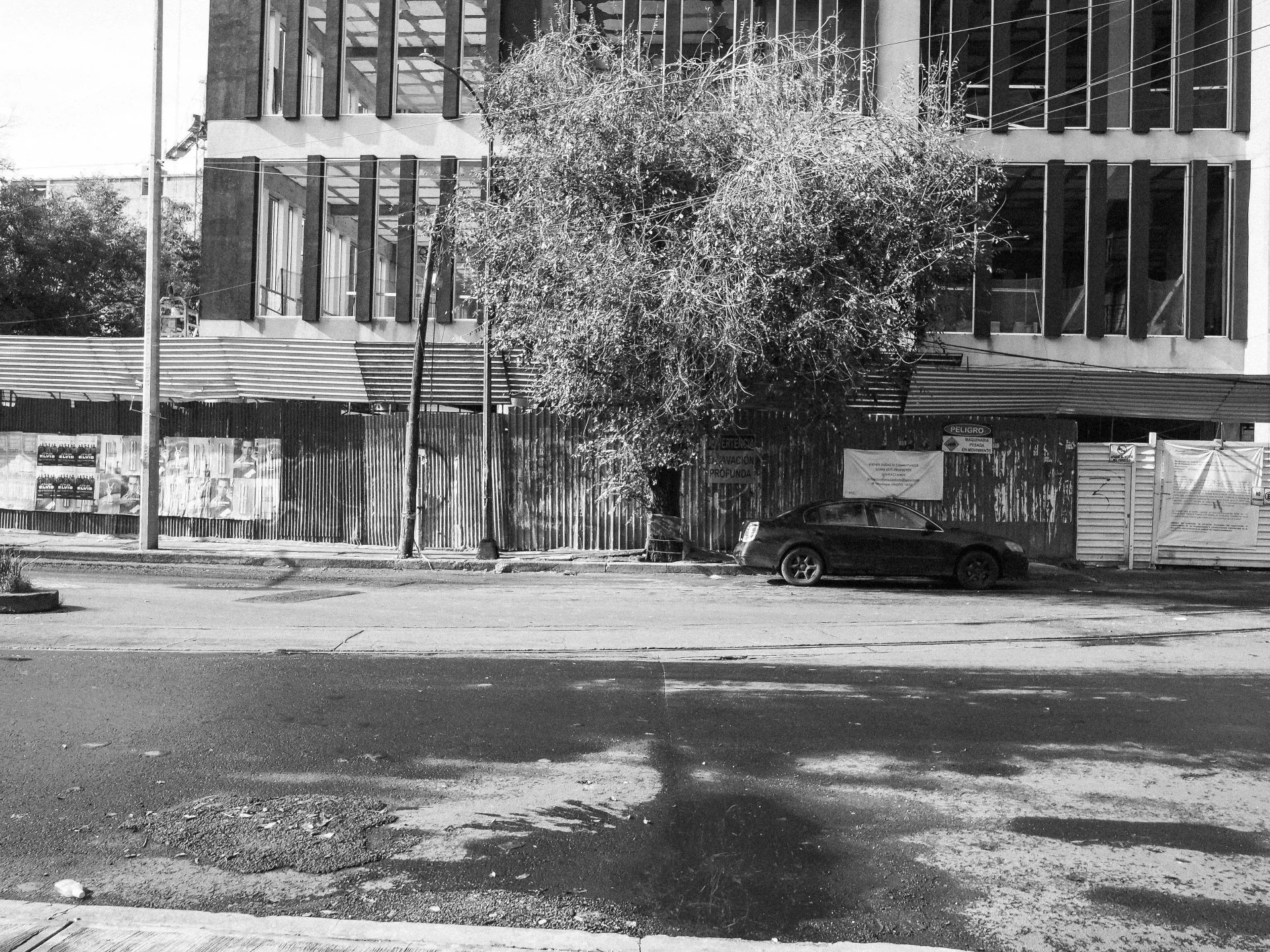
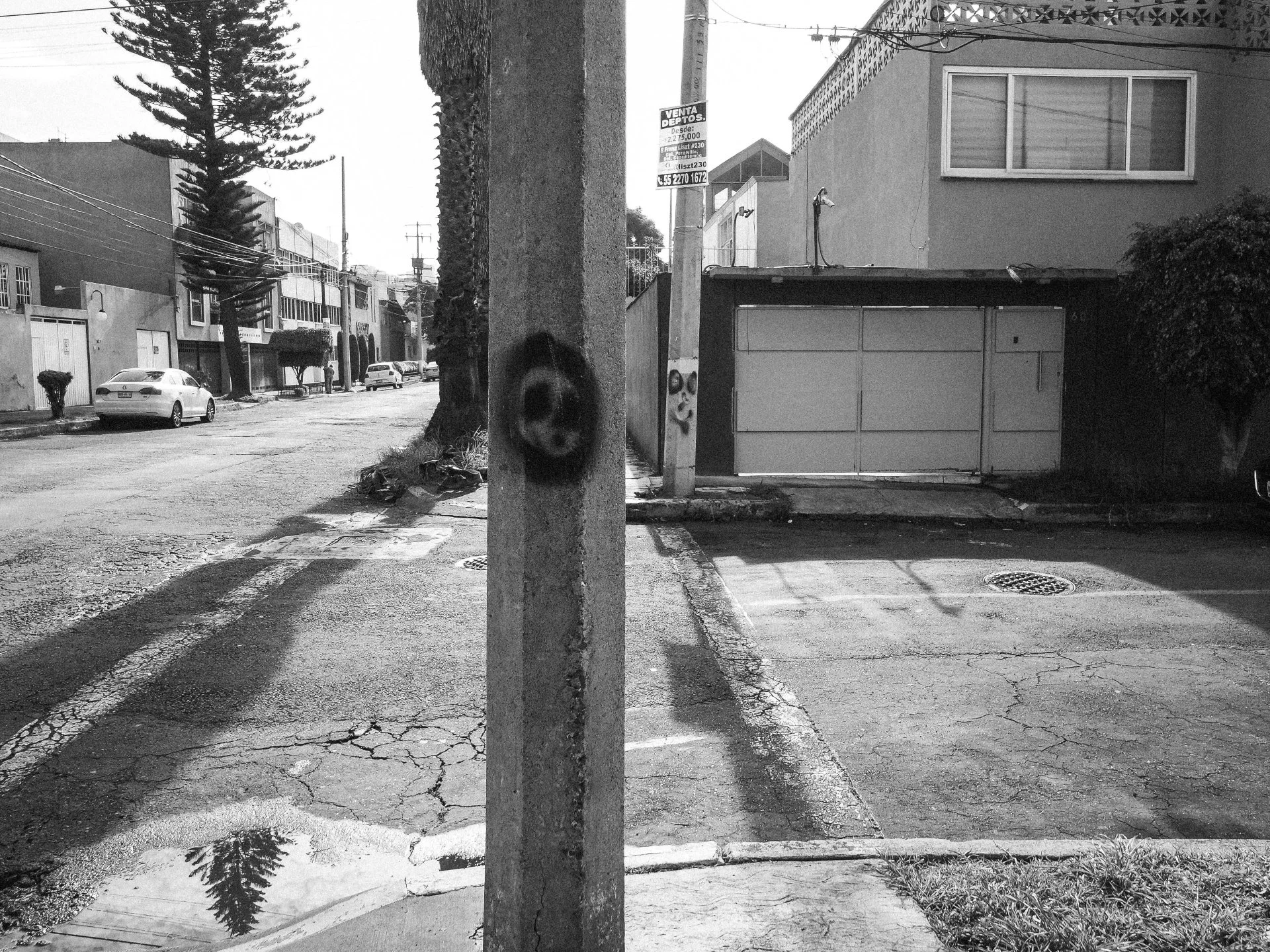
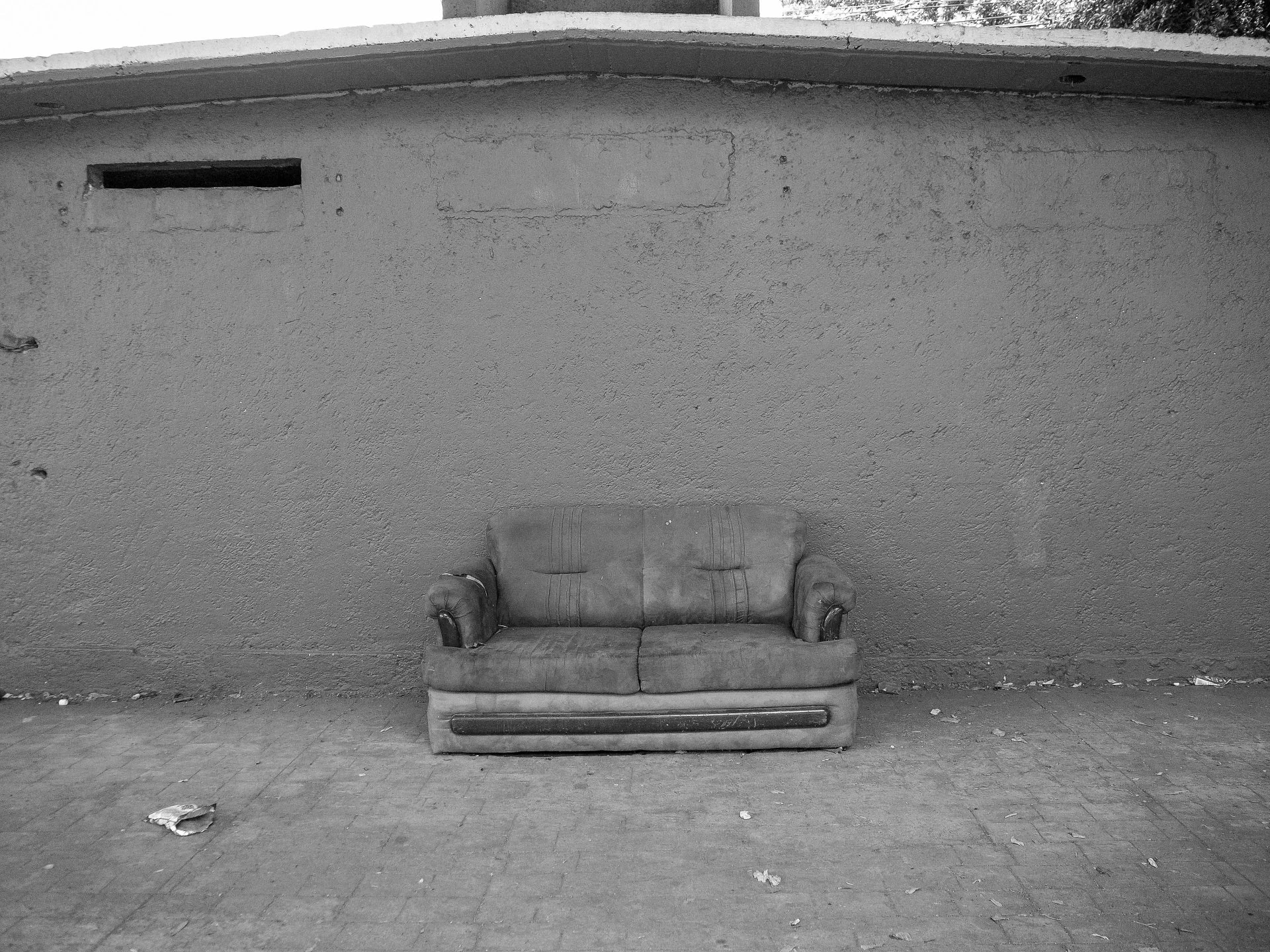
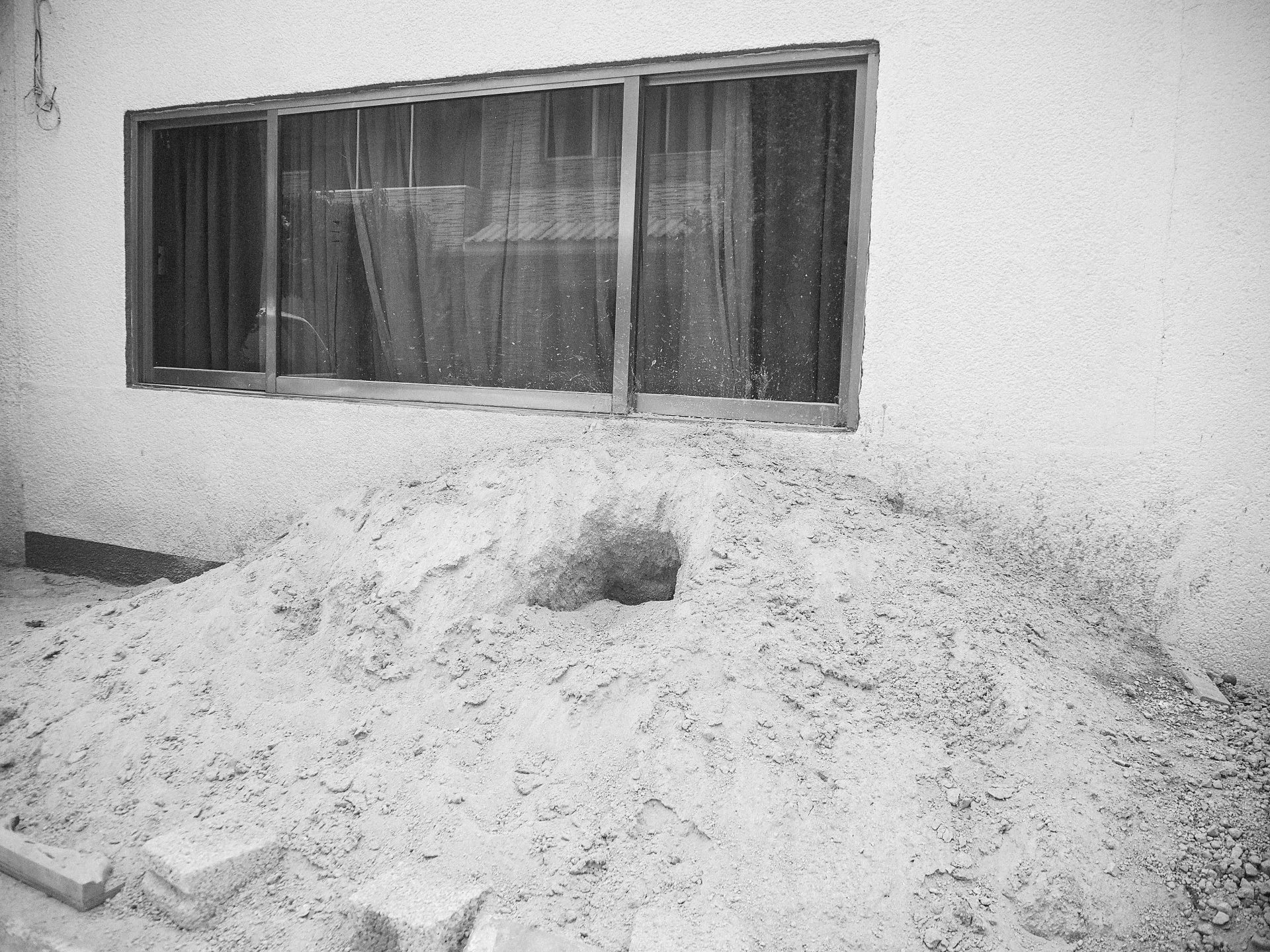
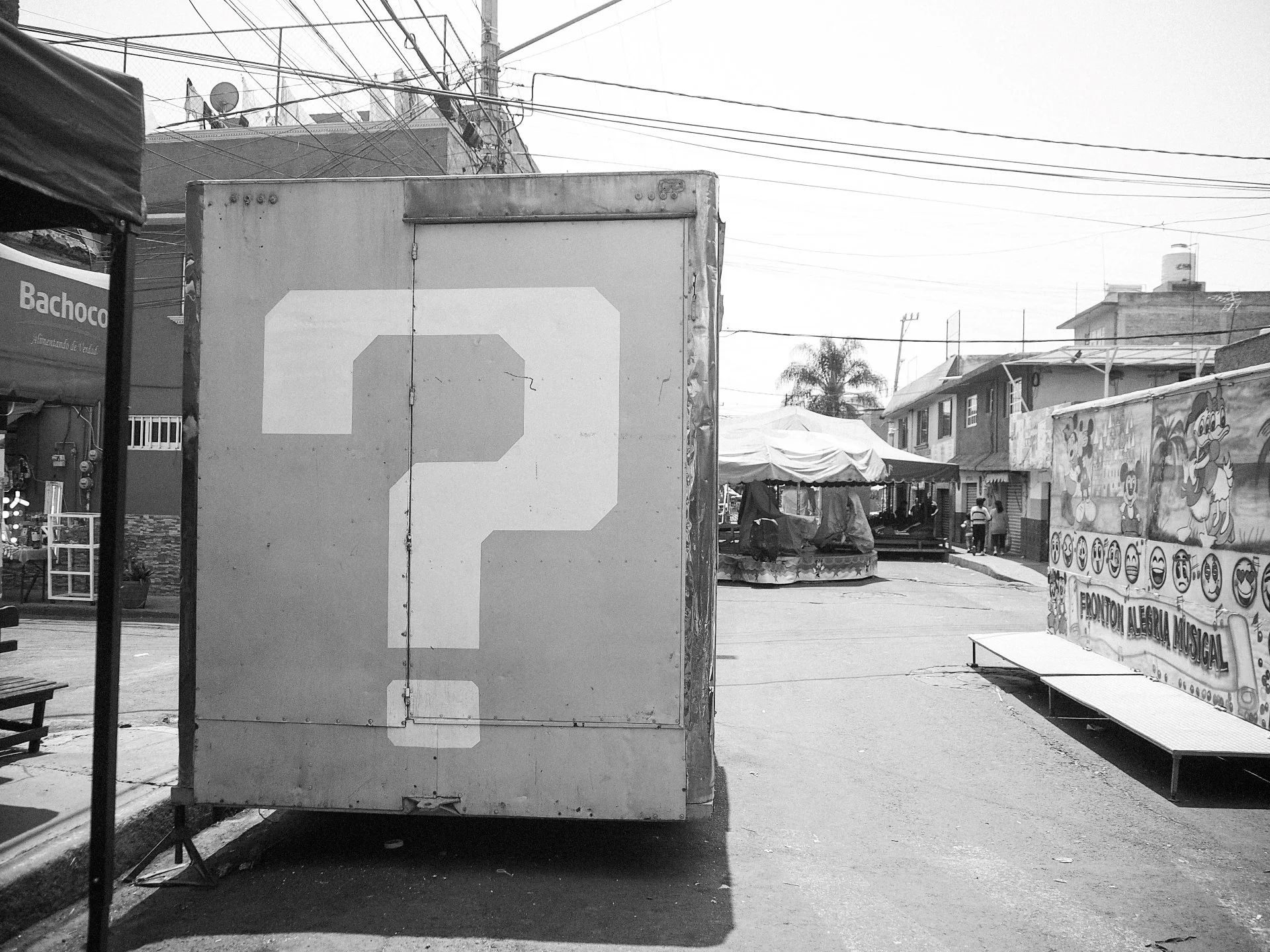
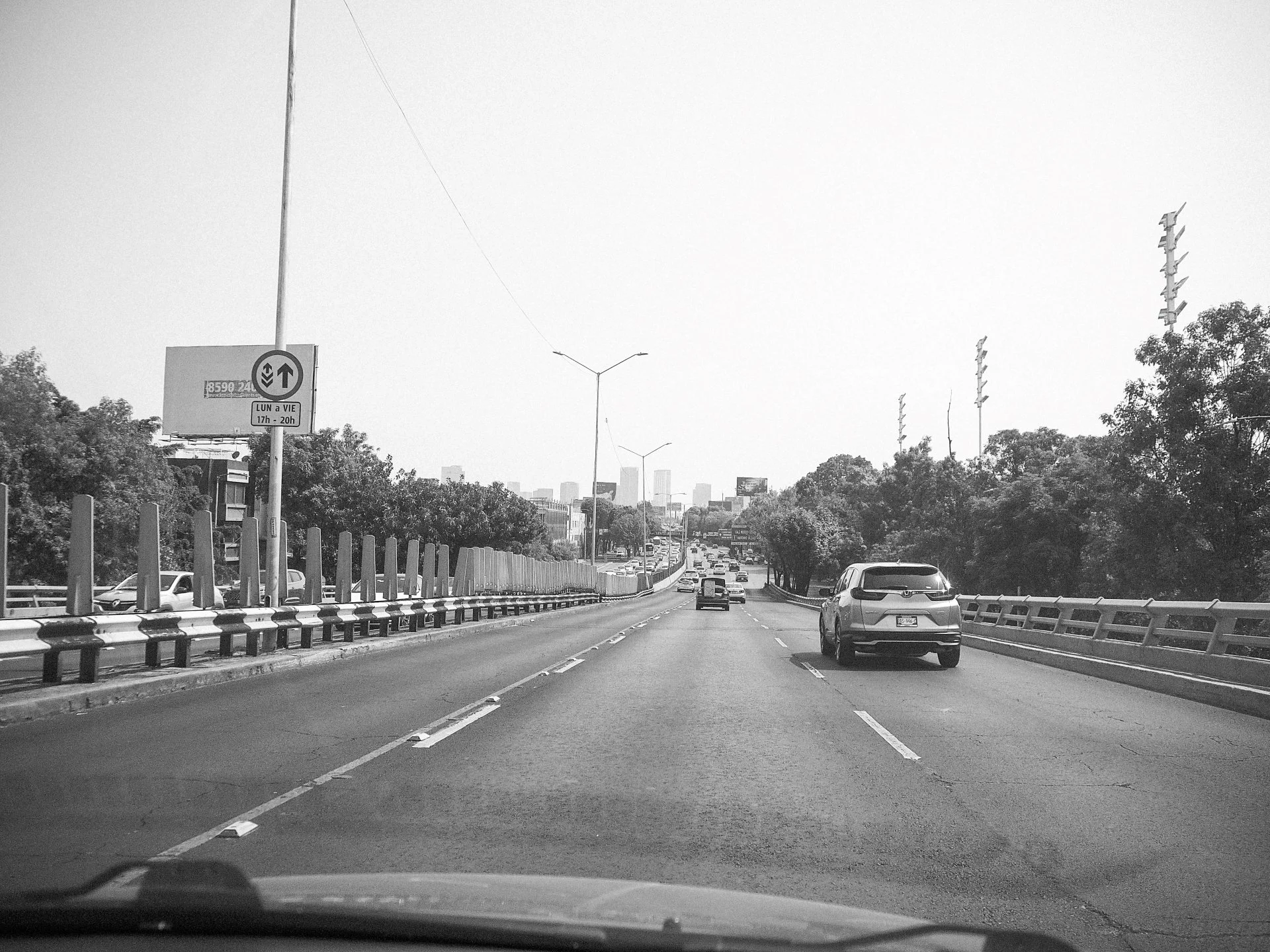
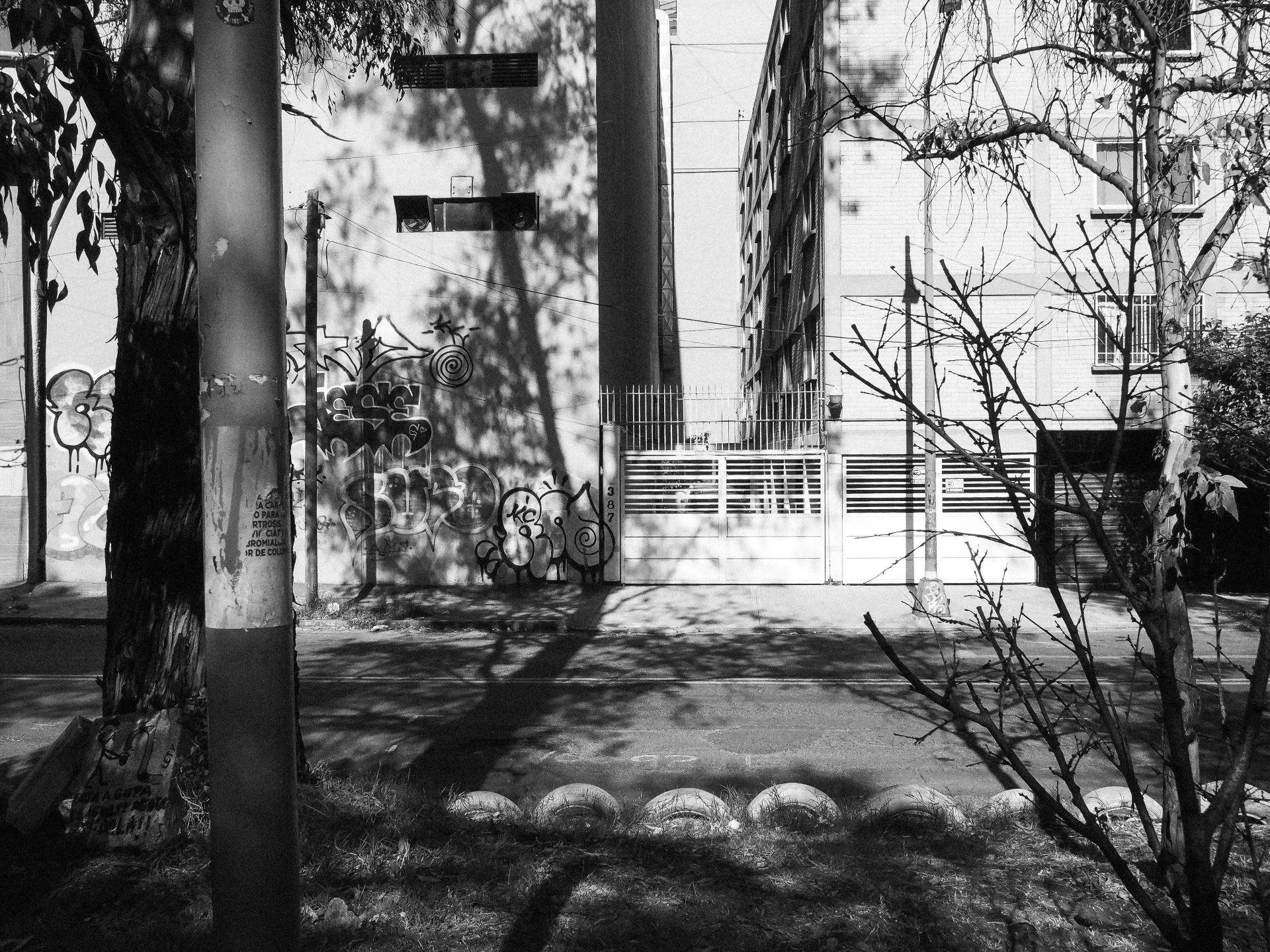
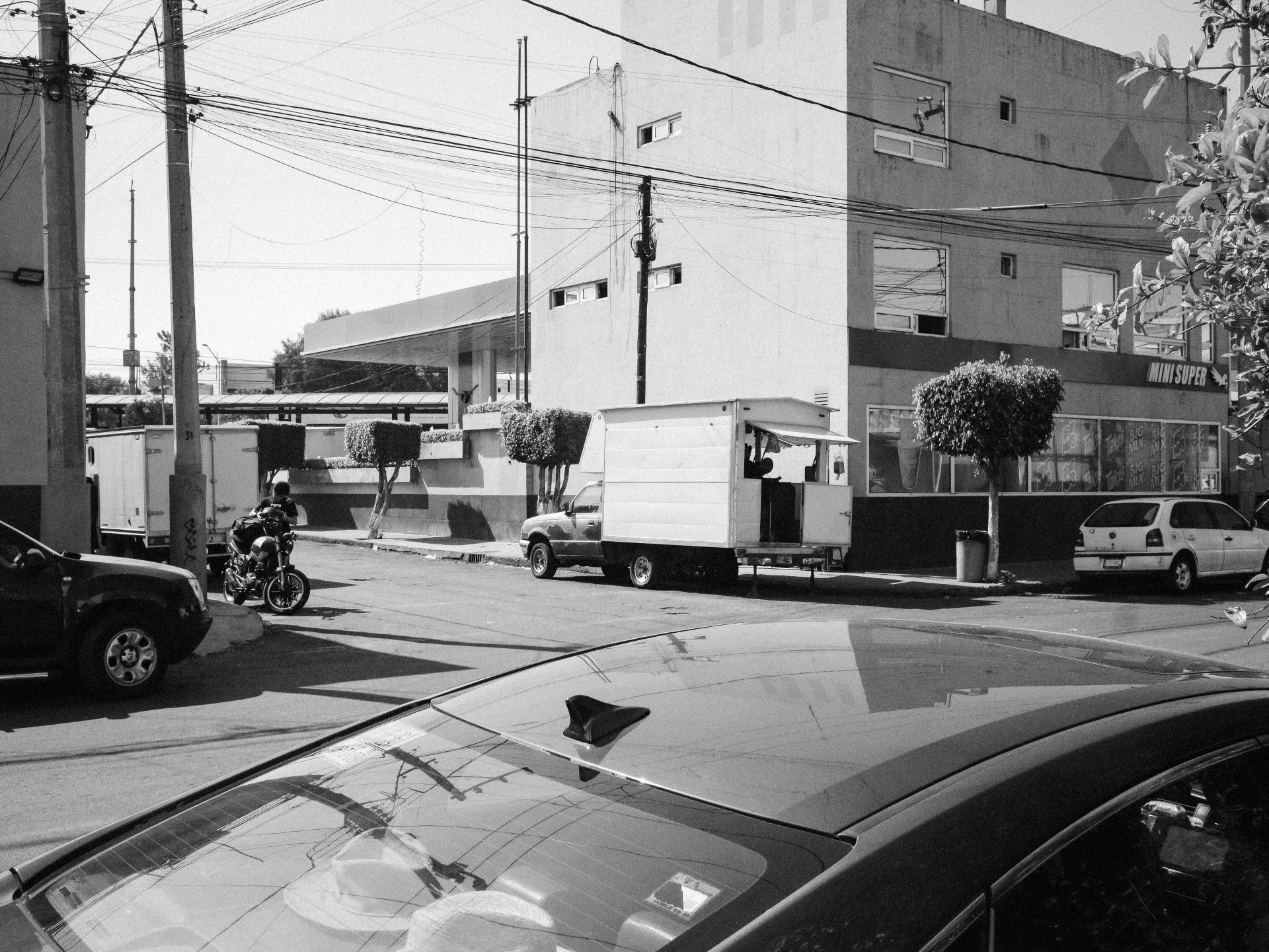
Empty streets, yet inhabited by stories.
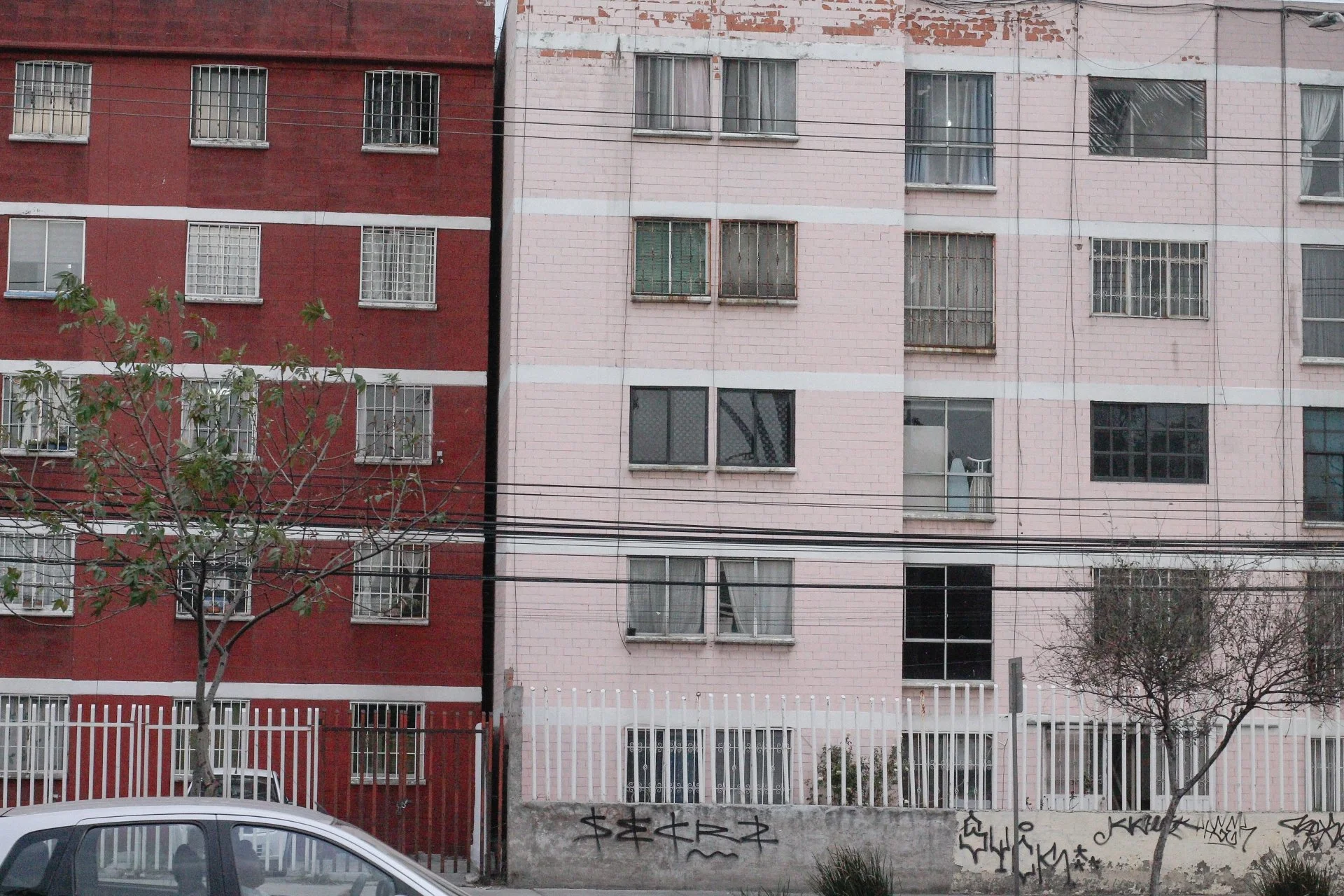
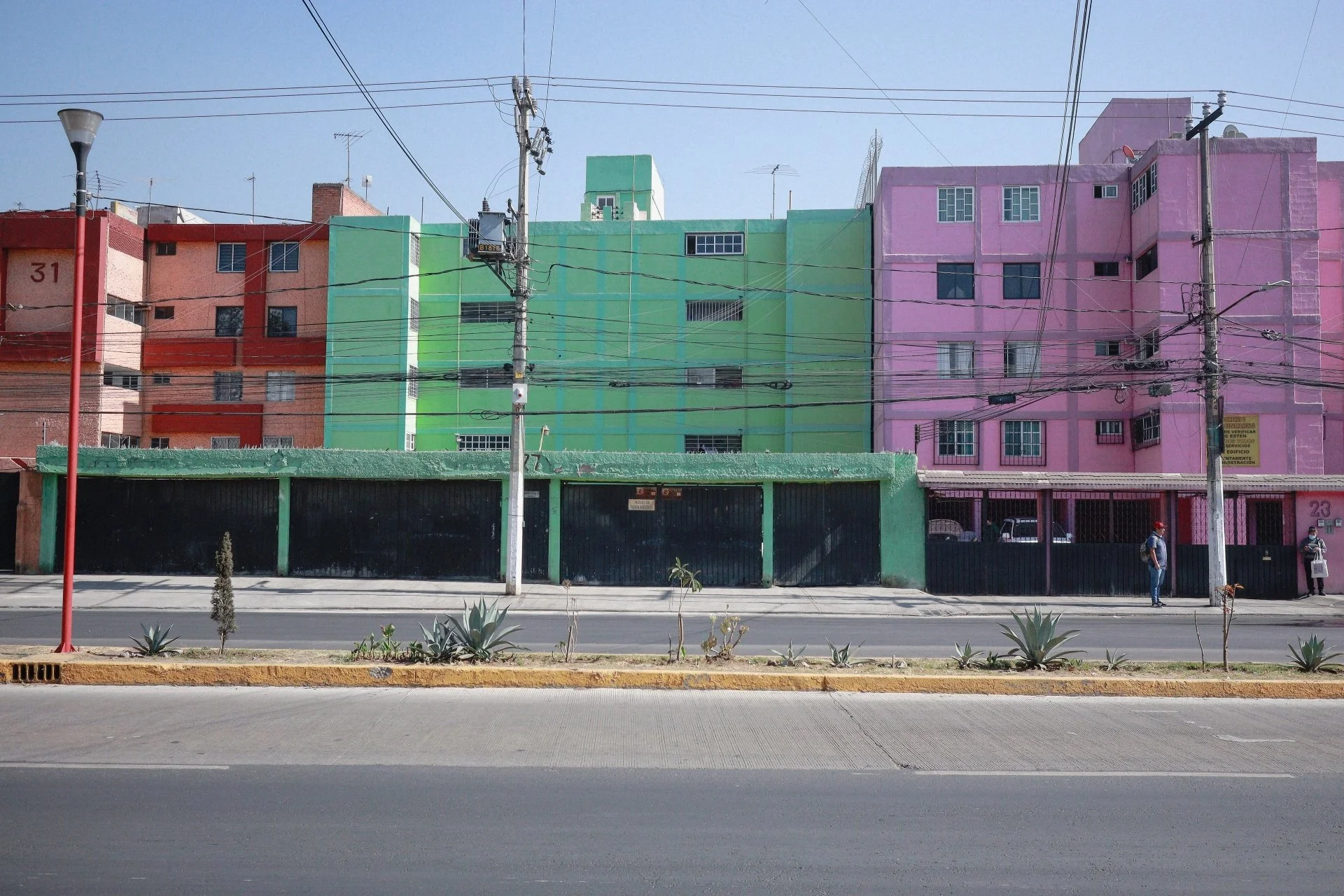
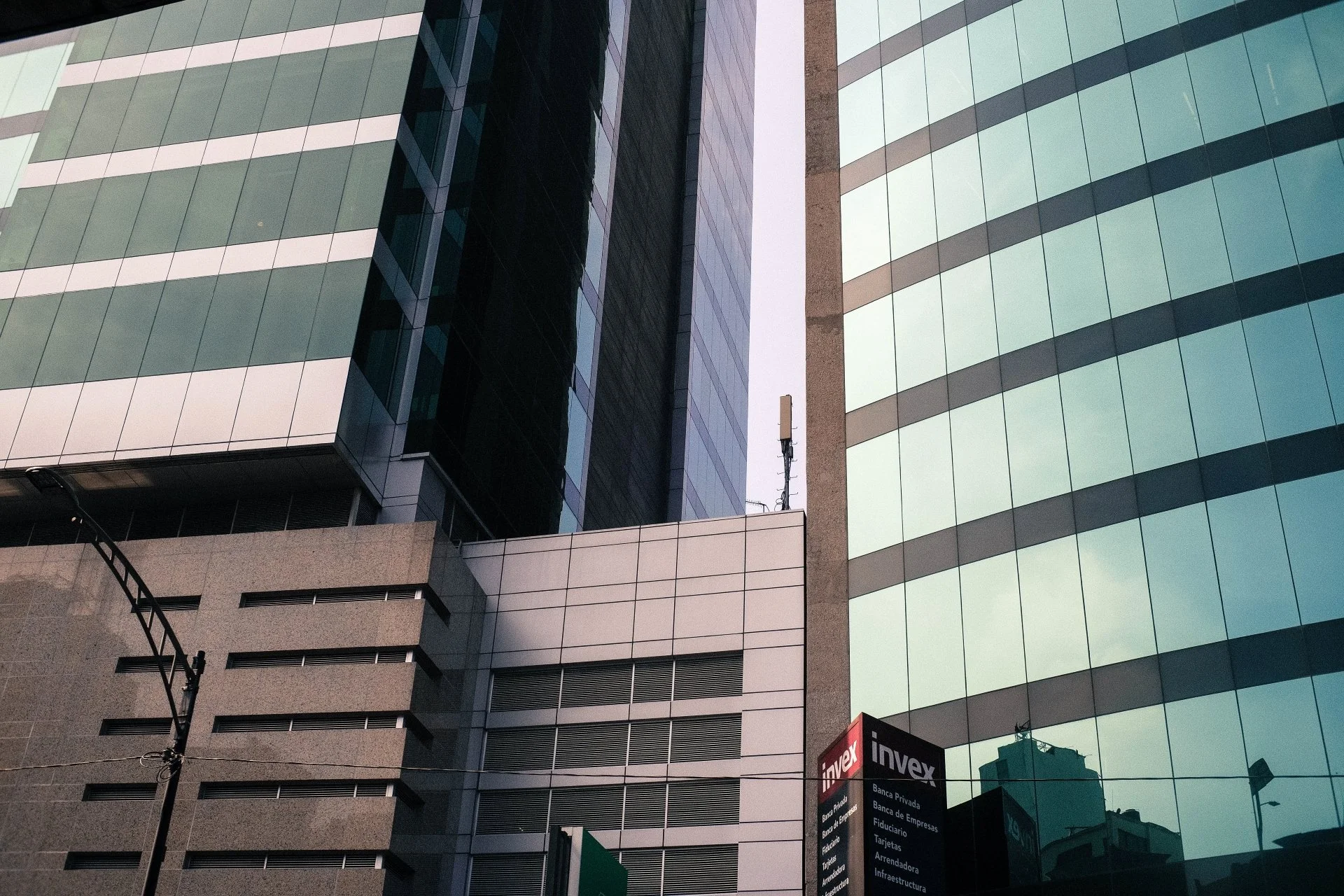
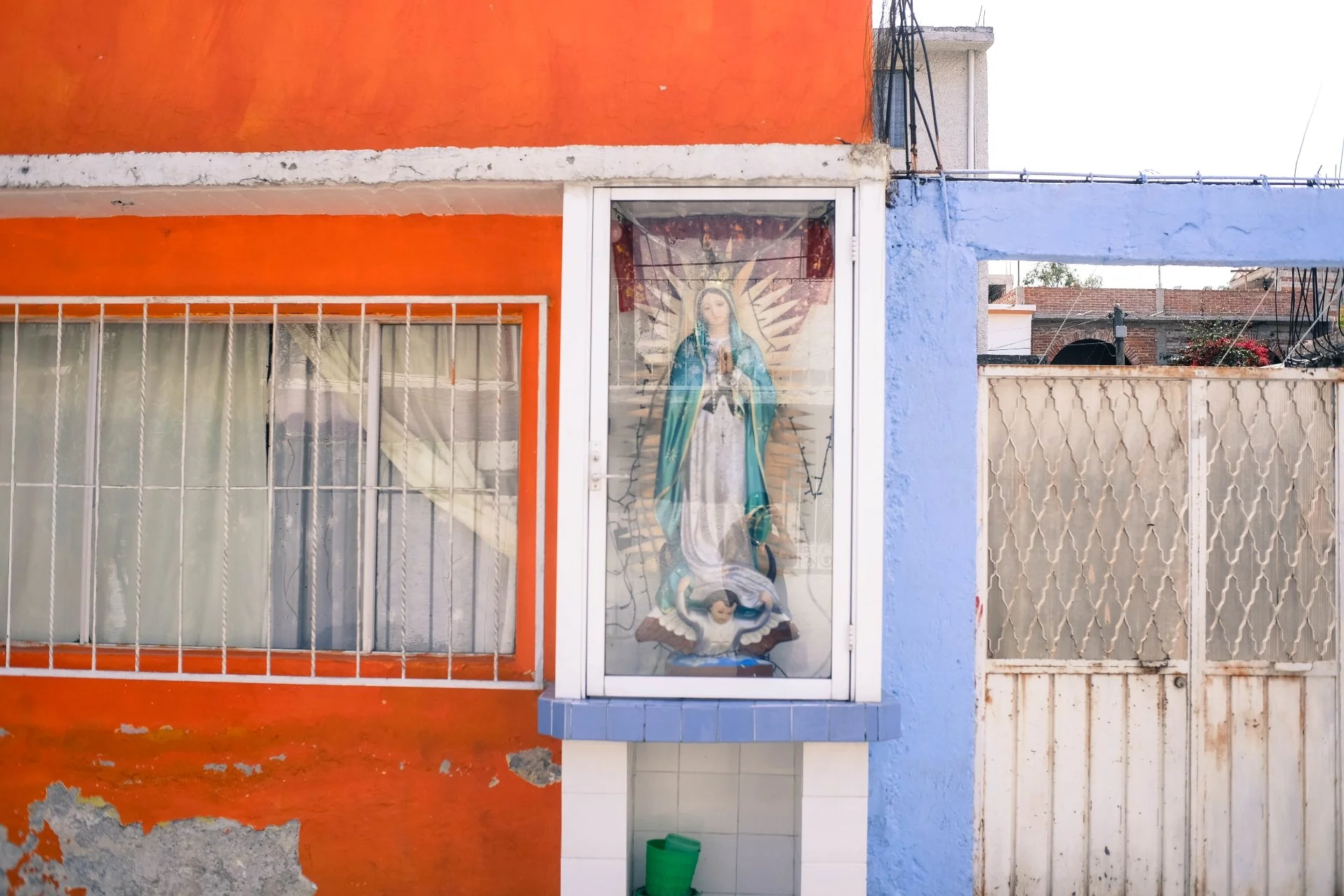
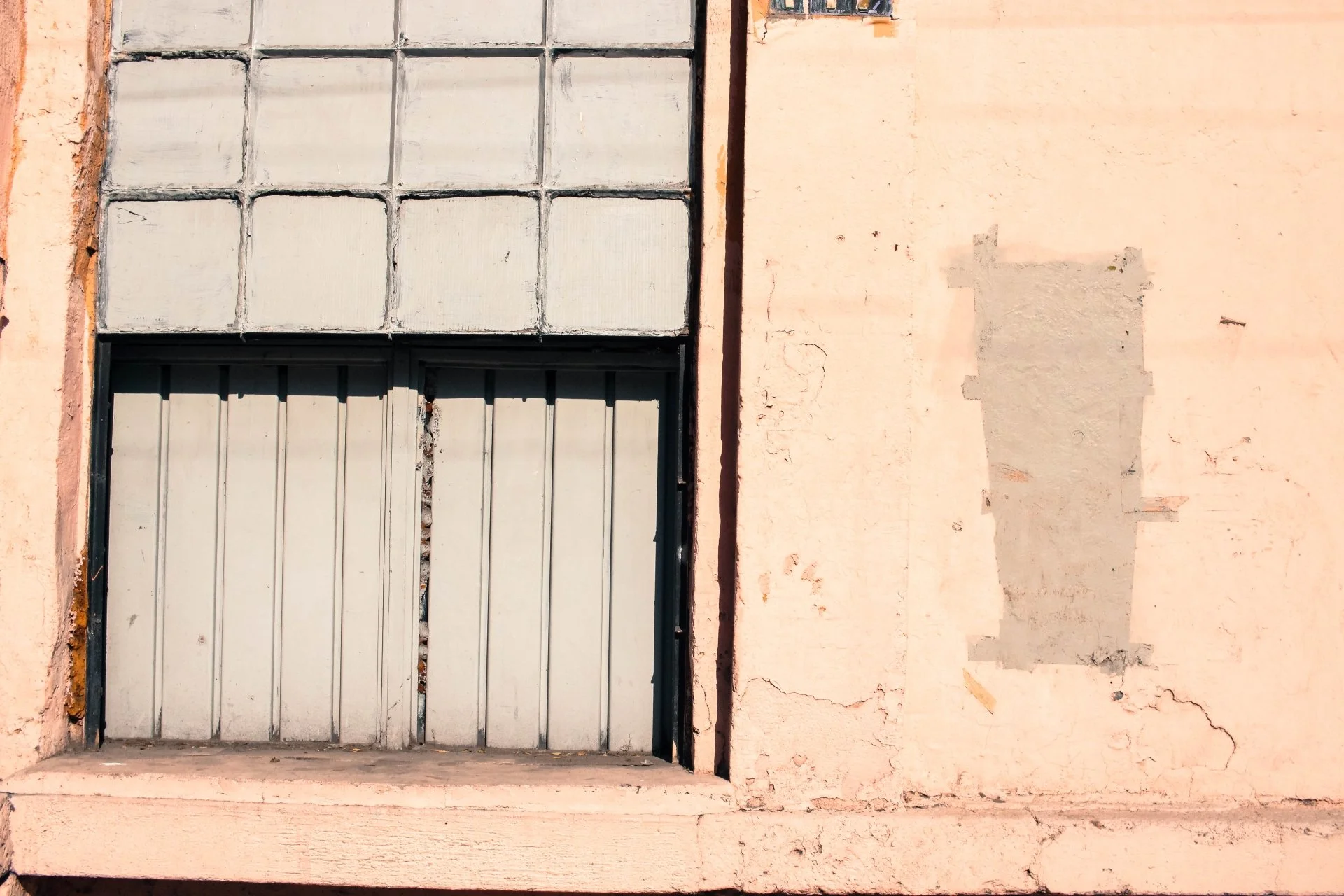
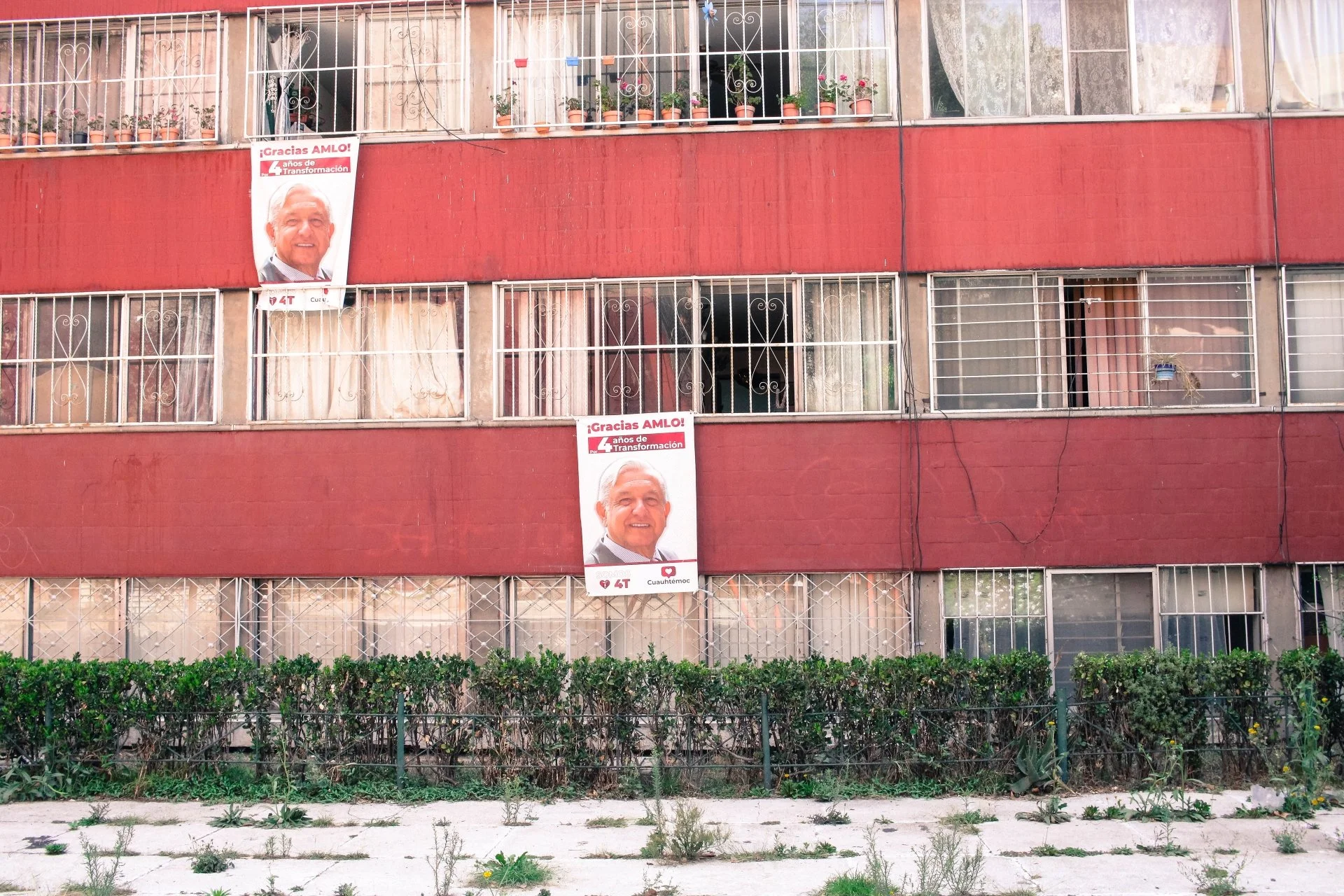
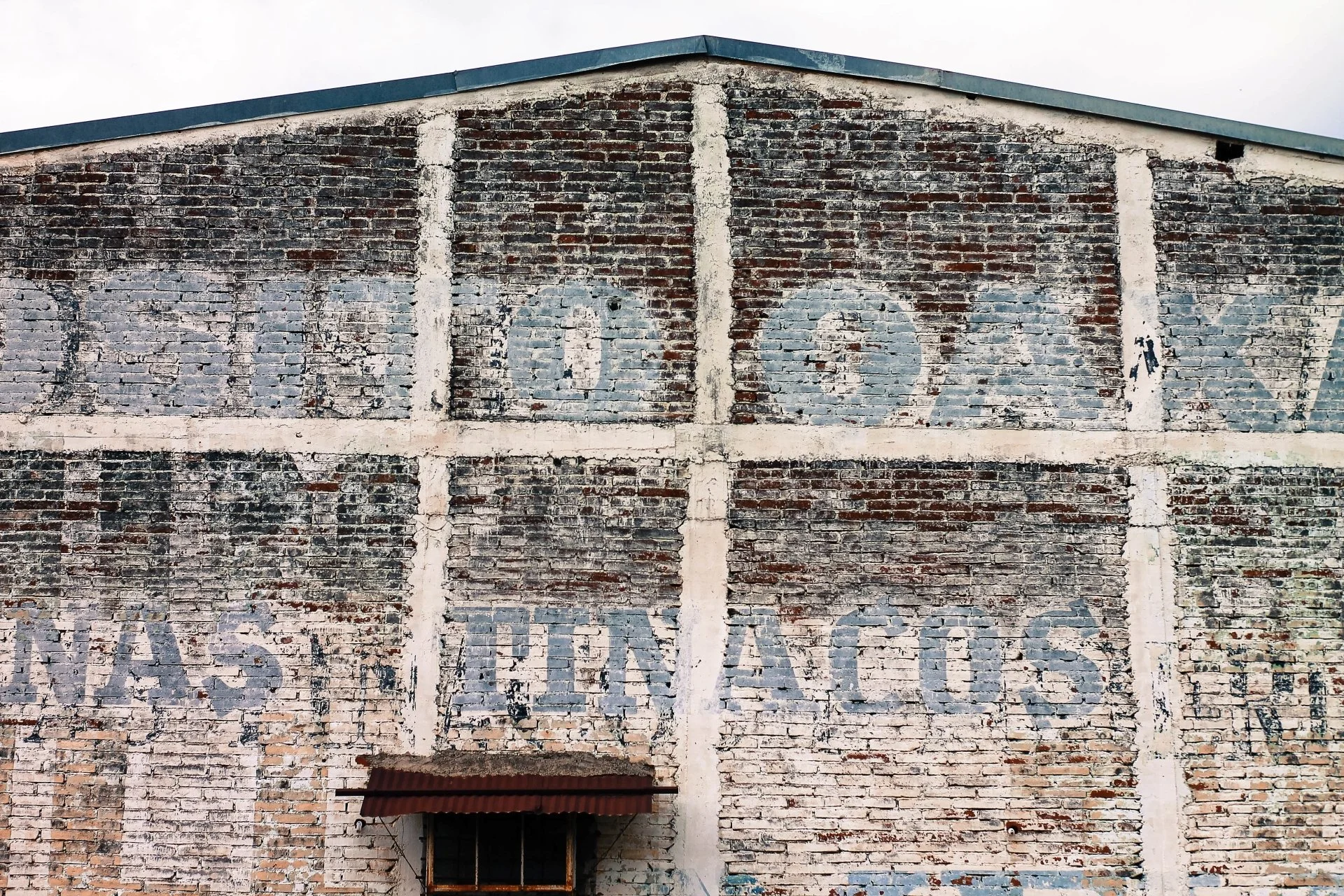
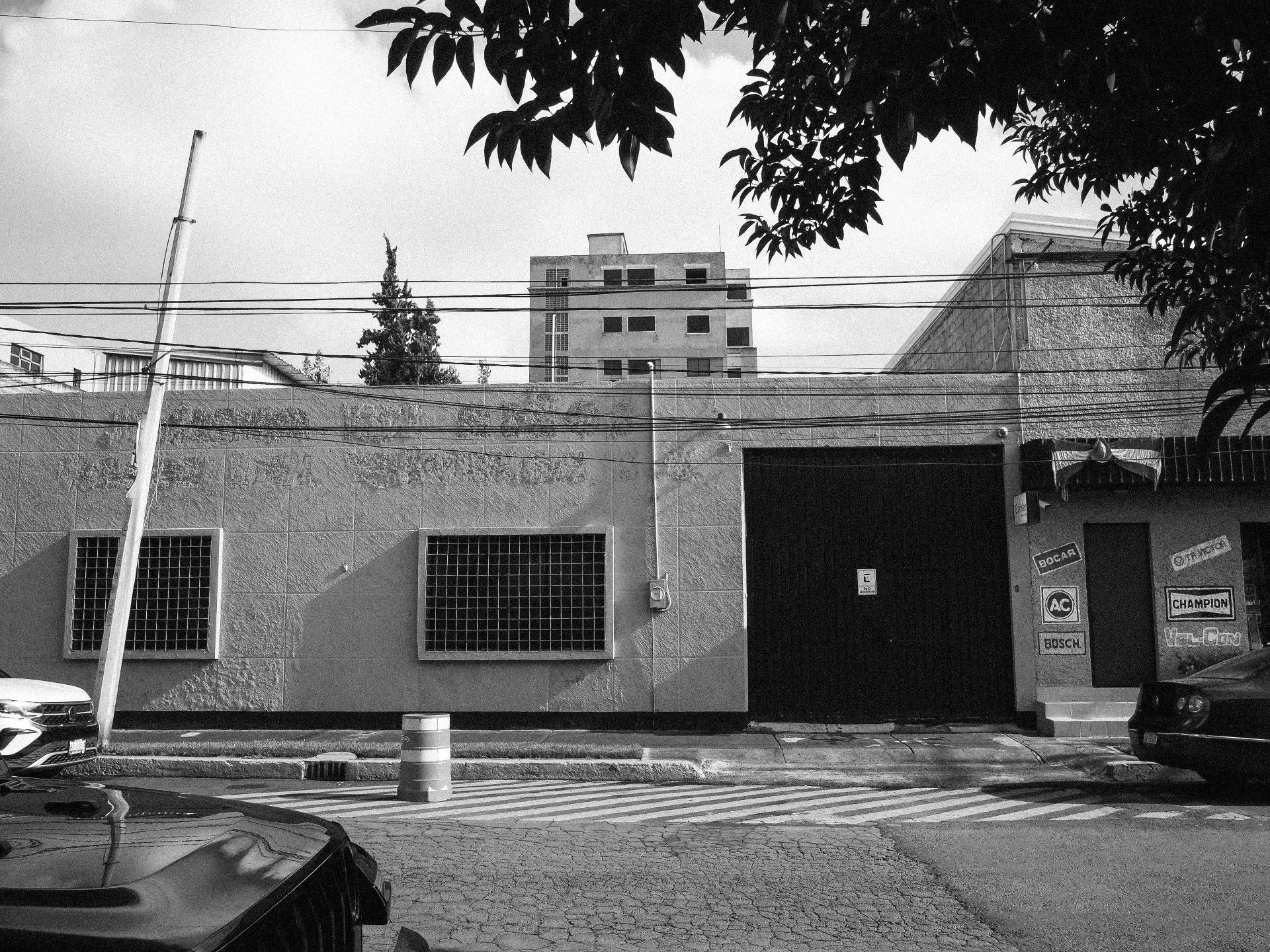
Facades that tell the story of different eras.
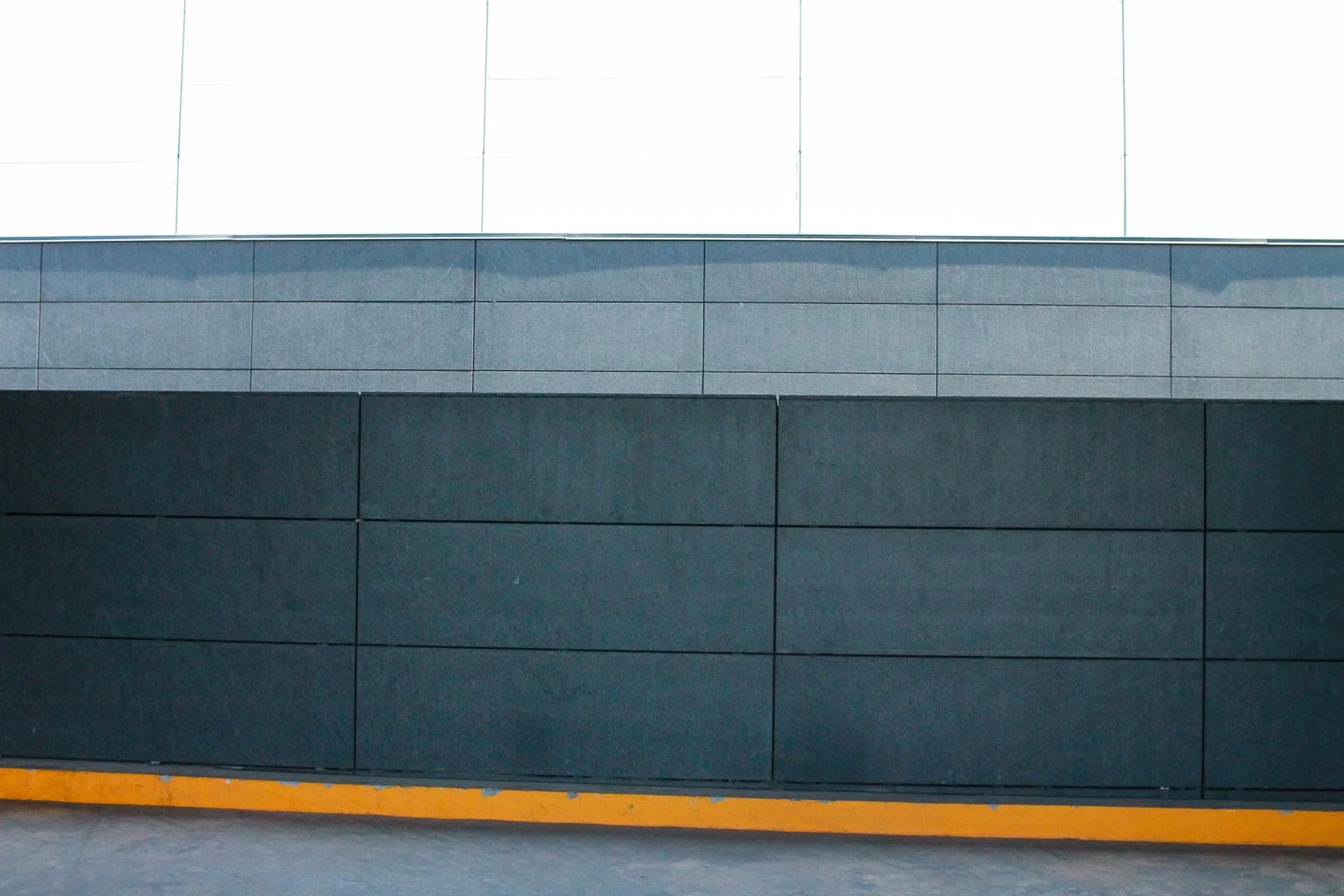
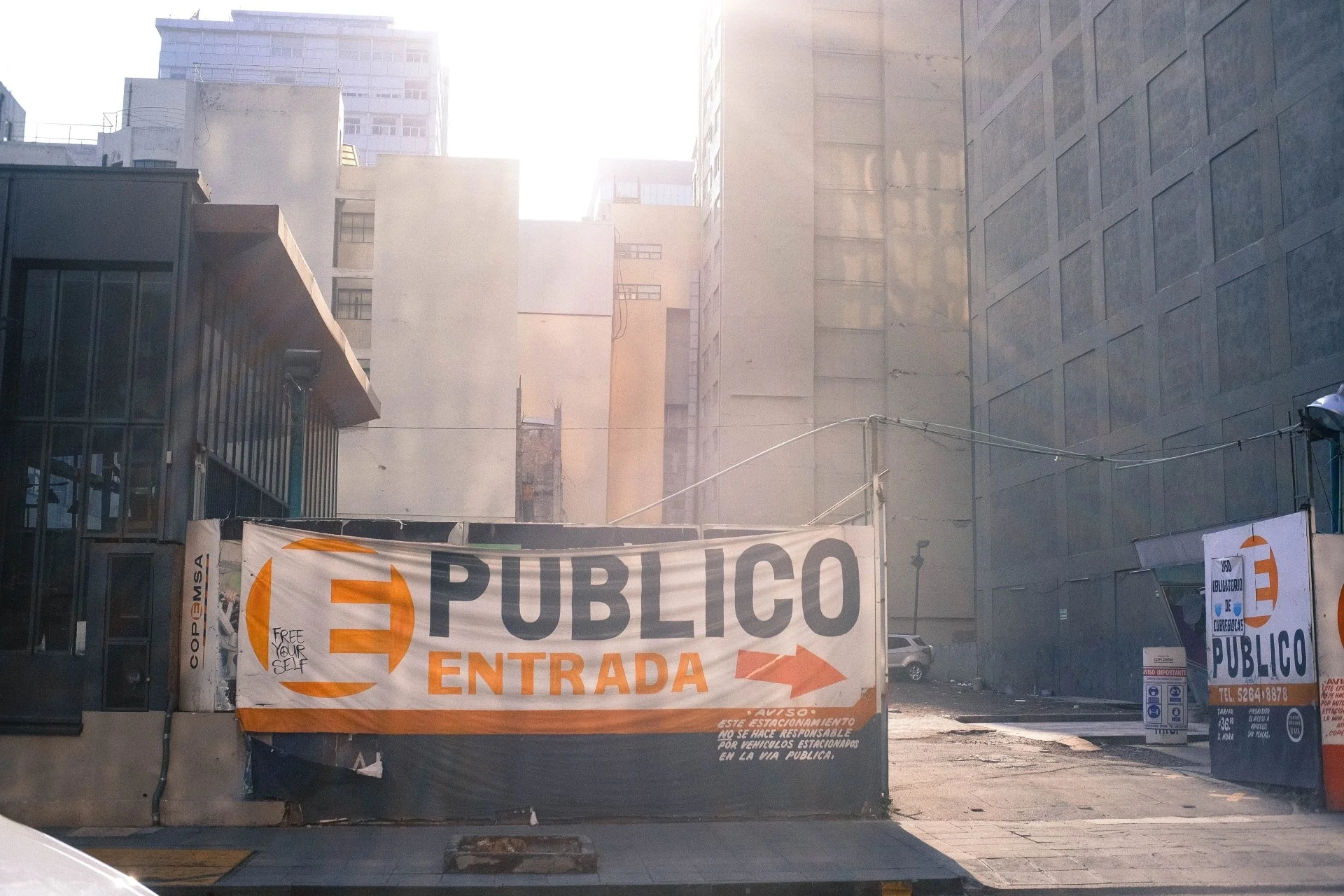
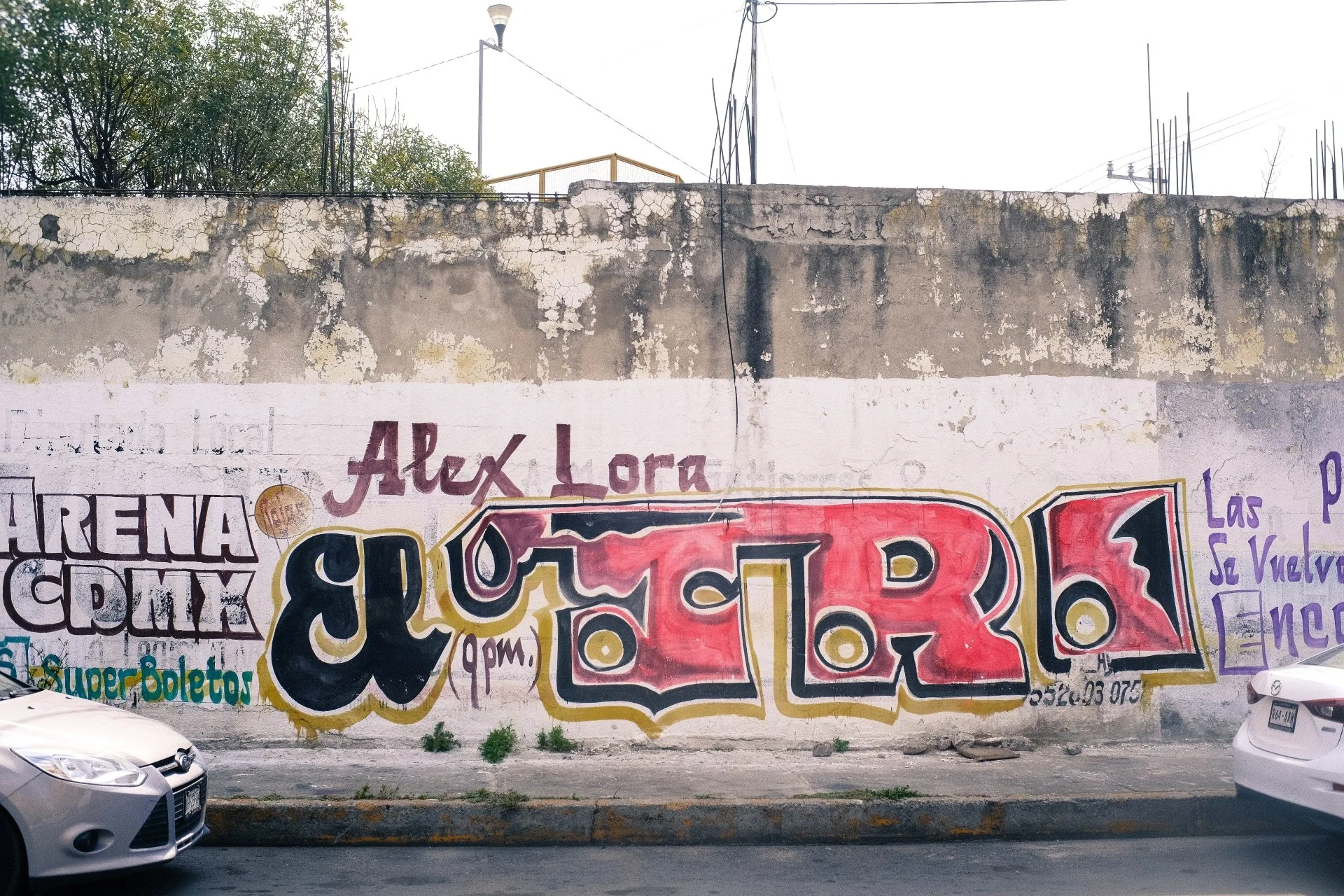
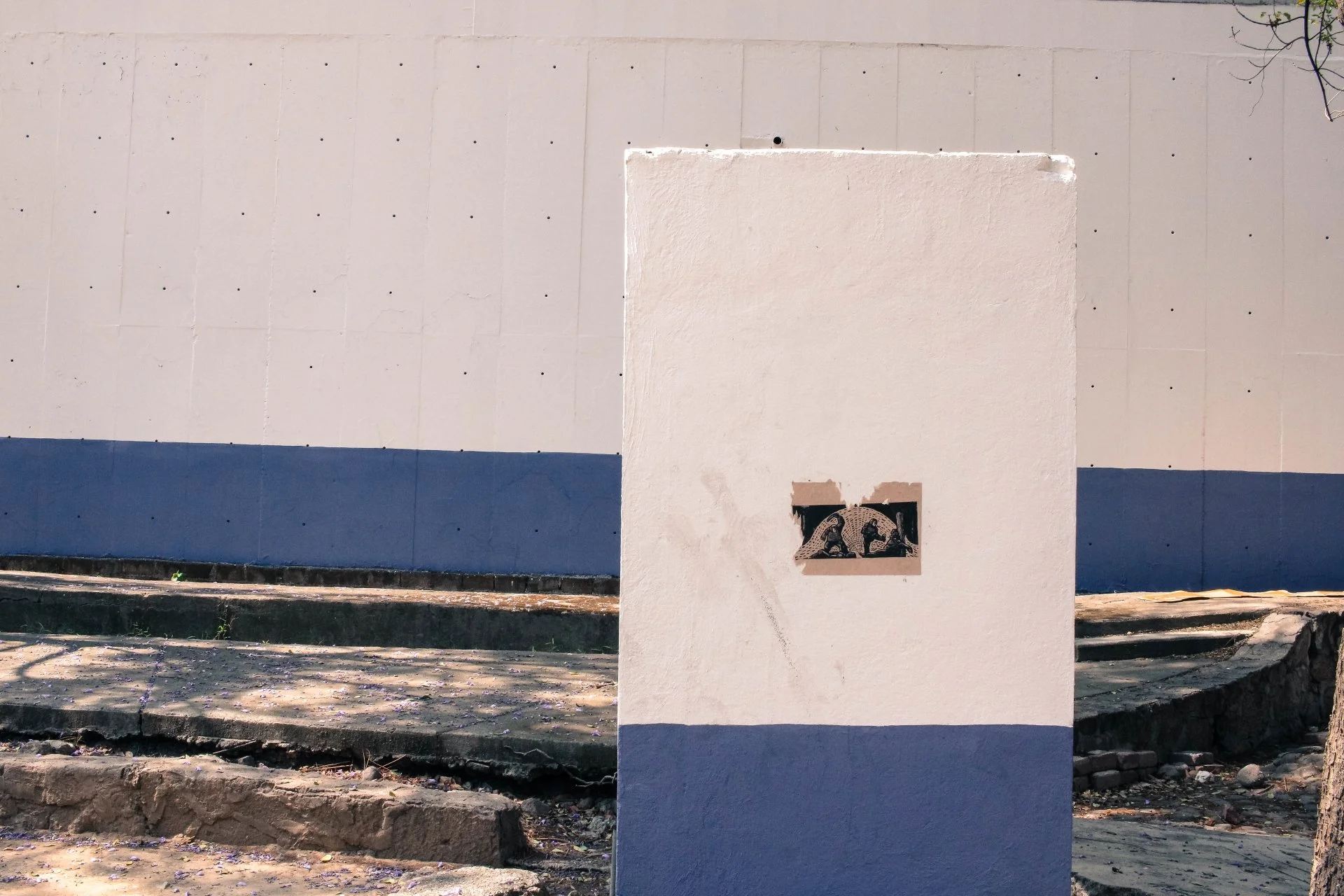
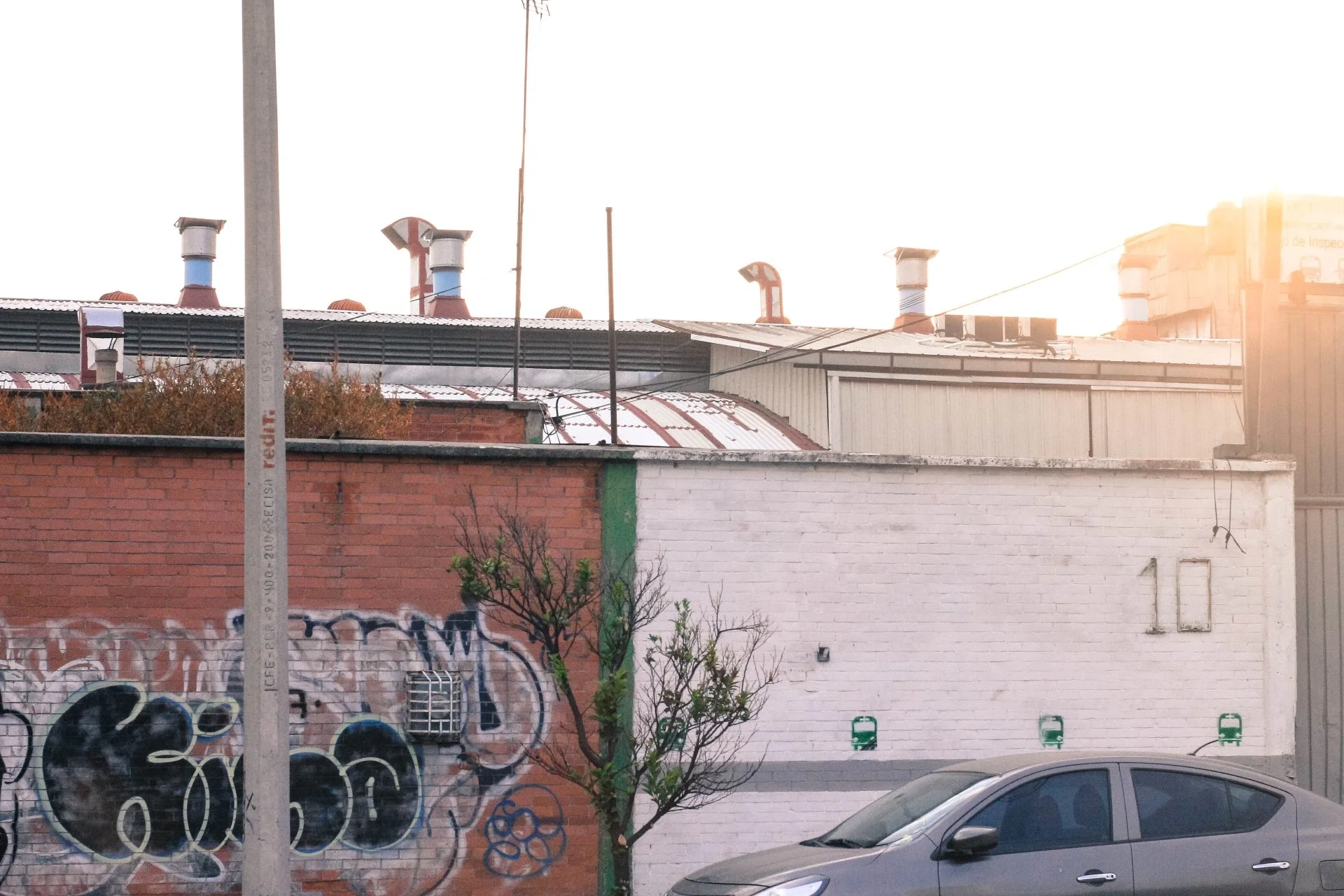
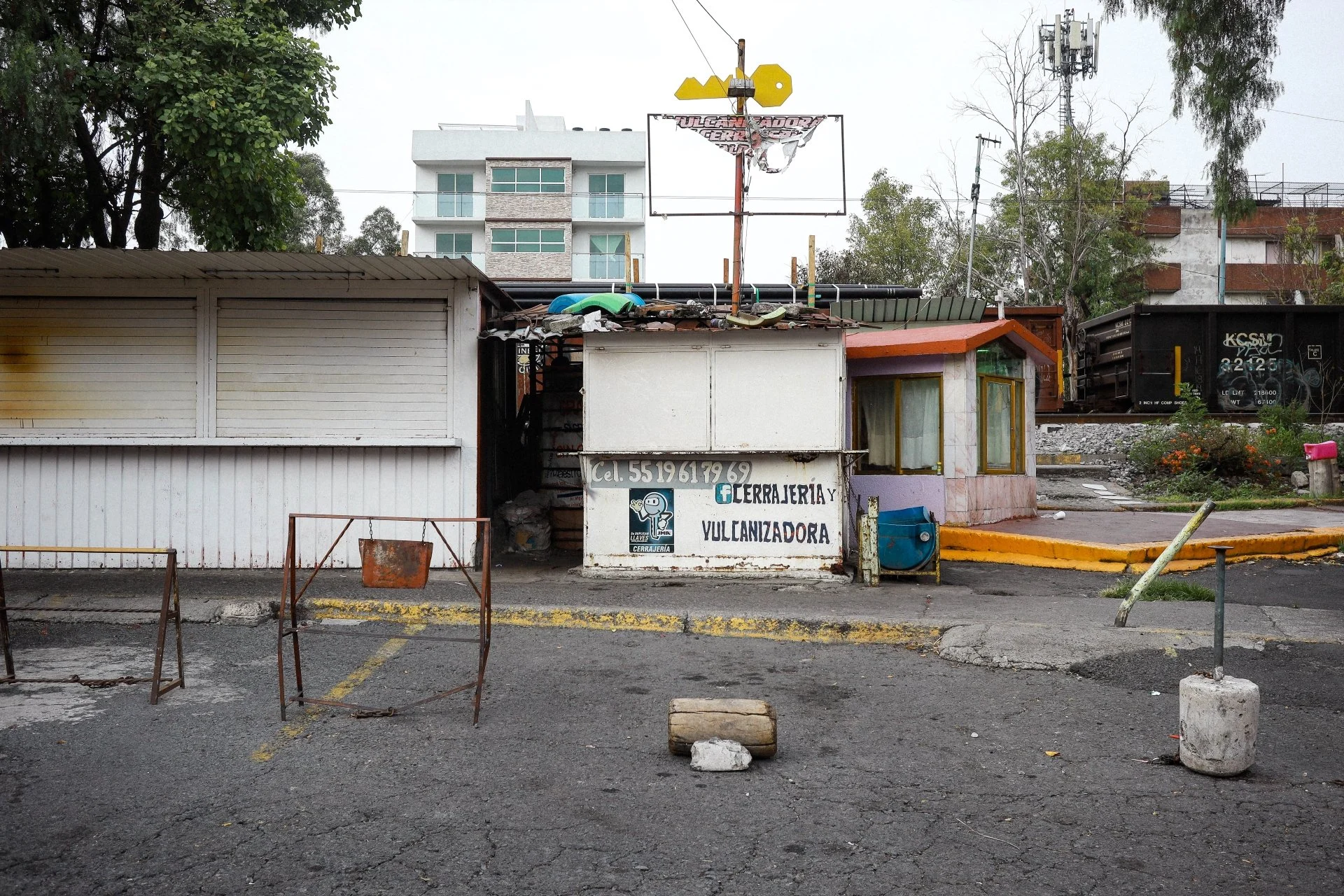
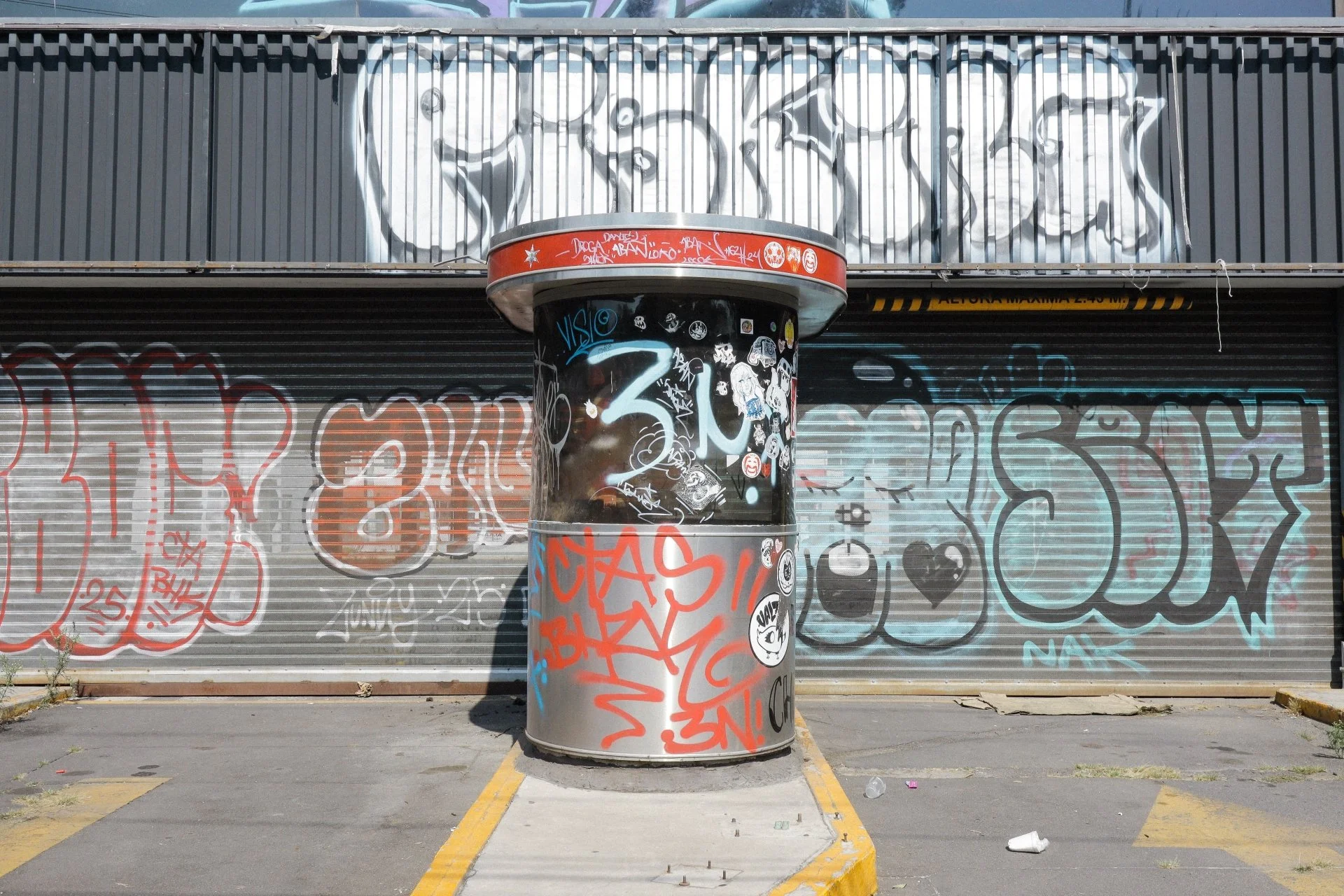
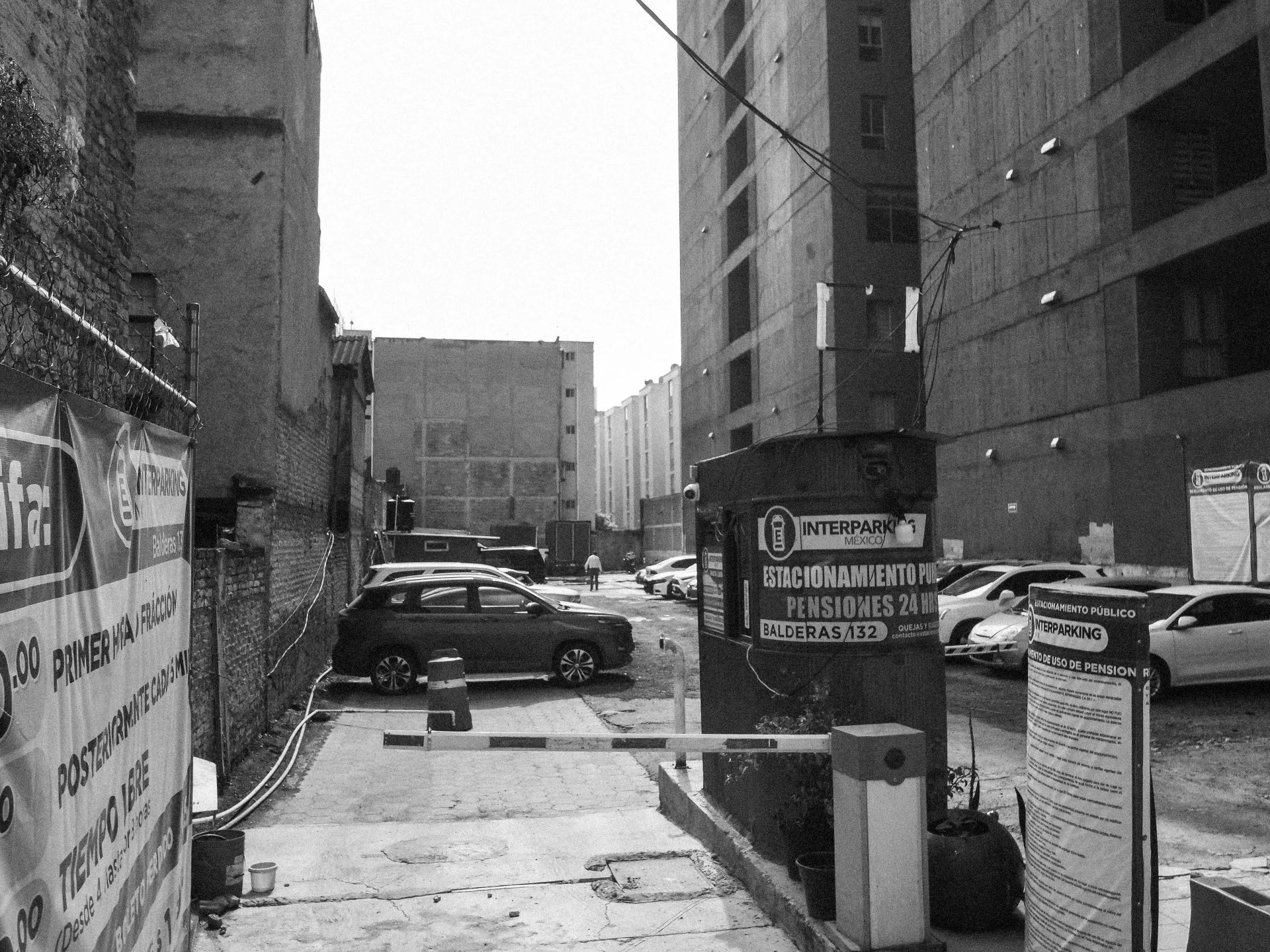
Minimal signs that speak to how we live.
Here, a second dimension comes into play.
Because the urban landscape is not just a document. It is also a mental space.
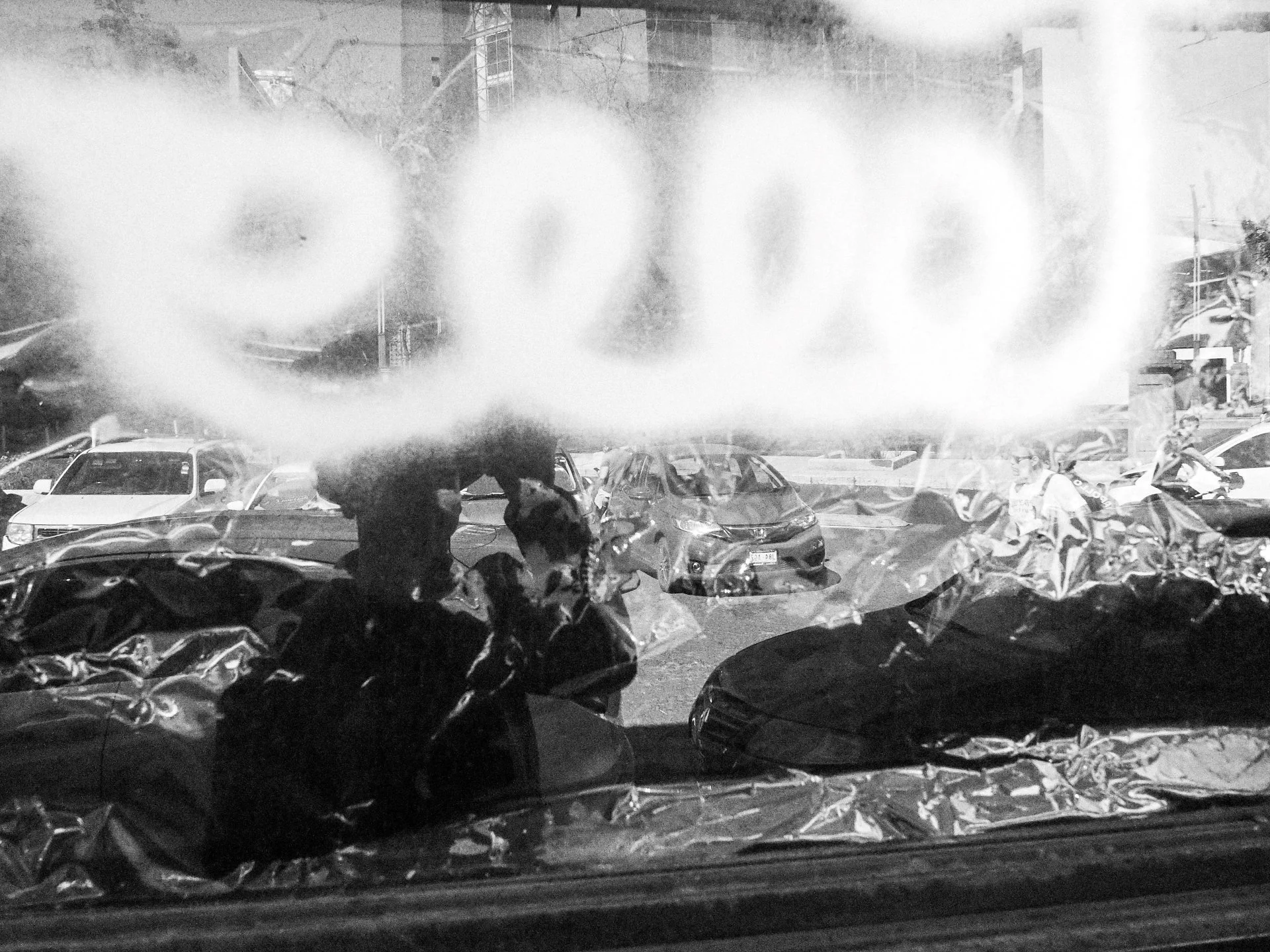
Those who work in this direction always find themselves caught between two needs: showing the world before them and, at the same time, questioning that world. Photography then becomes a device for reflection. Not just recording, but visual thought. And a reflection of existence.
In this sense, some of Luigi Ghirri's insights remain fundamental.
Ghirri understood that landscape is never just what we see. It is the result of a cultural gaze. A way of interpreting space. A system of signs.
Place as a landing place but also as a starting point.
This is how place works.
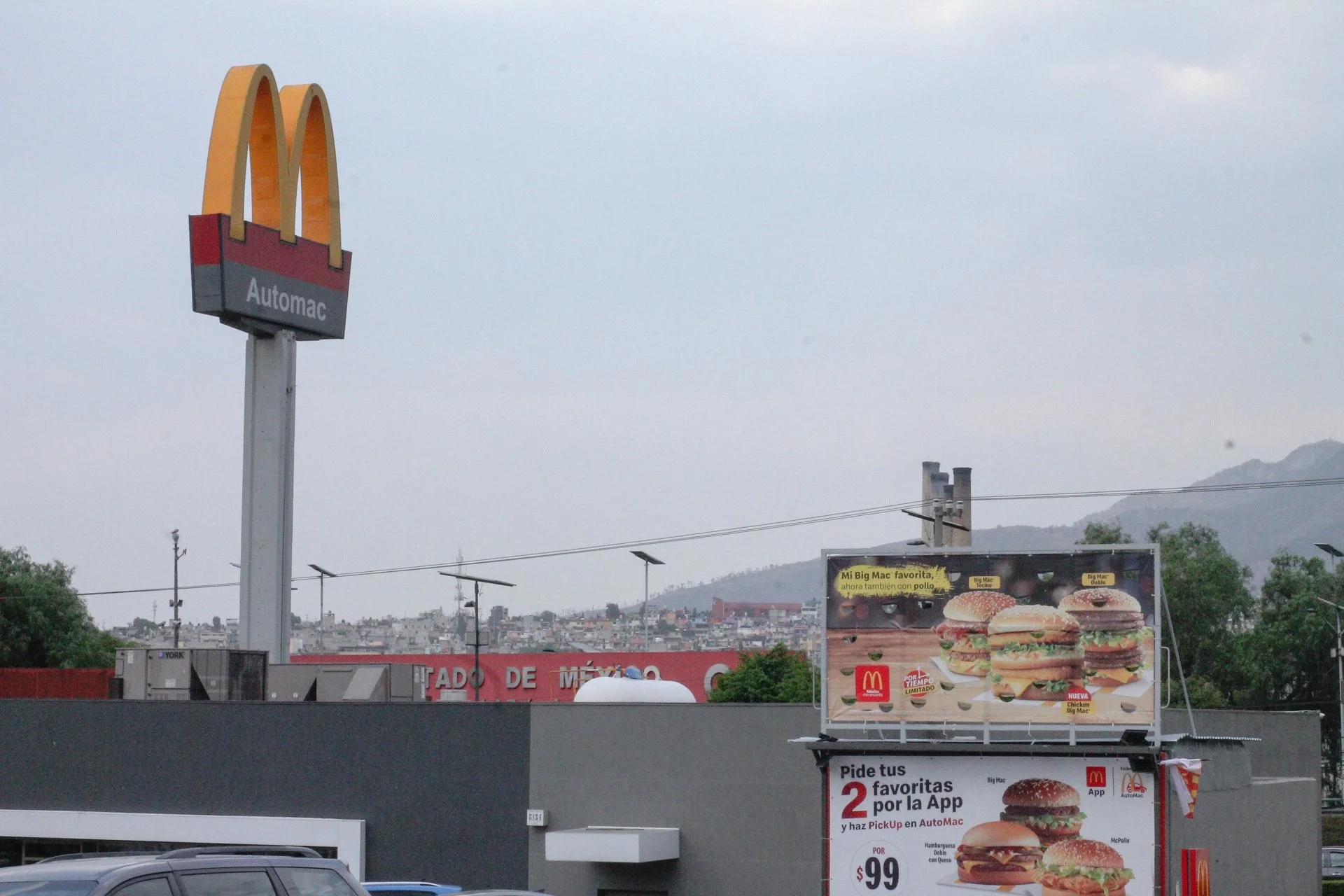
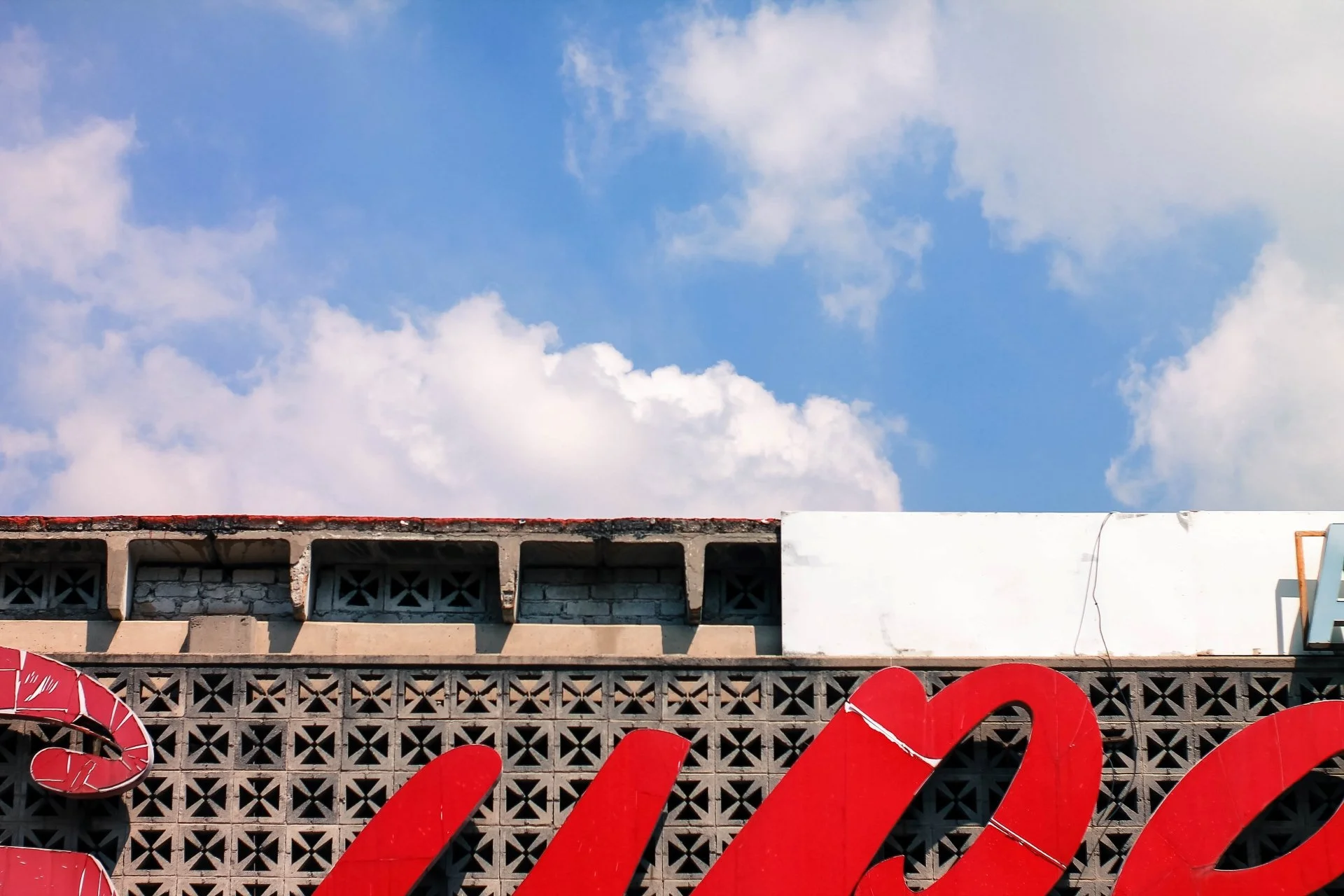
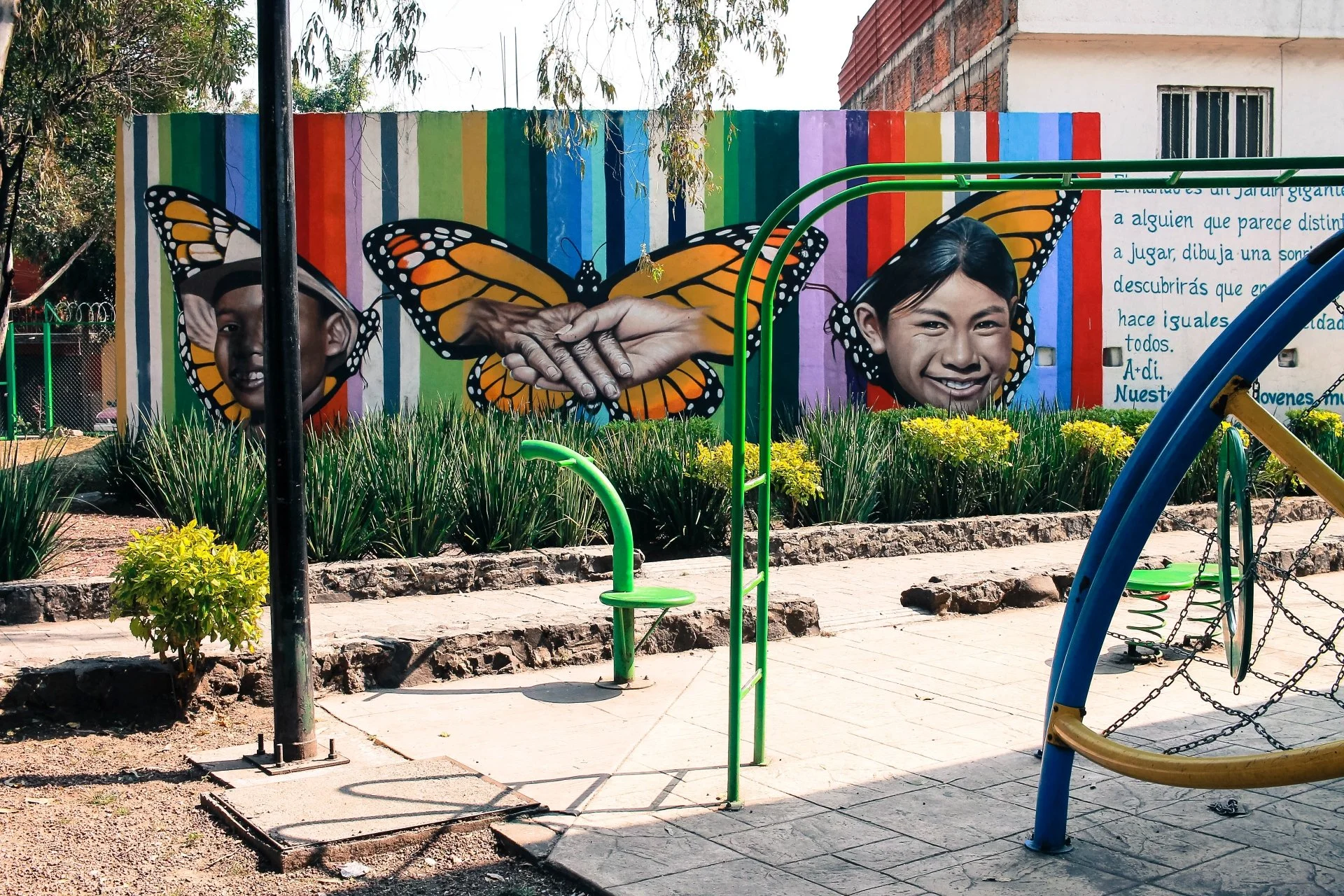
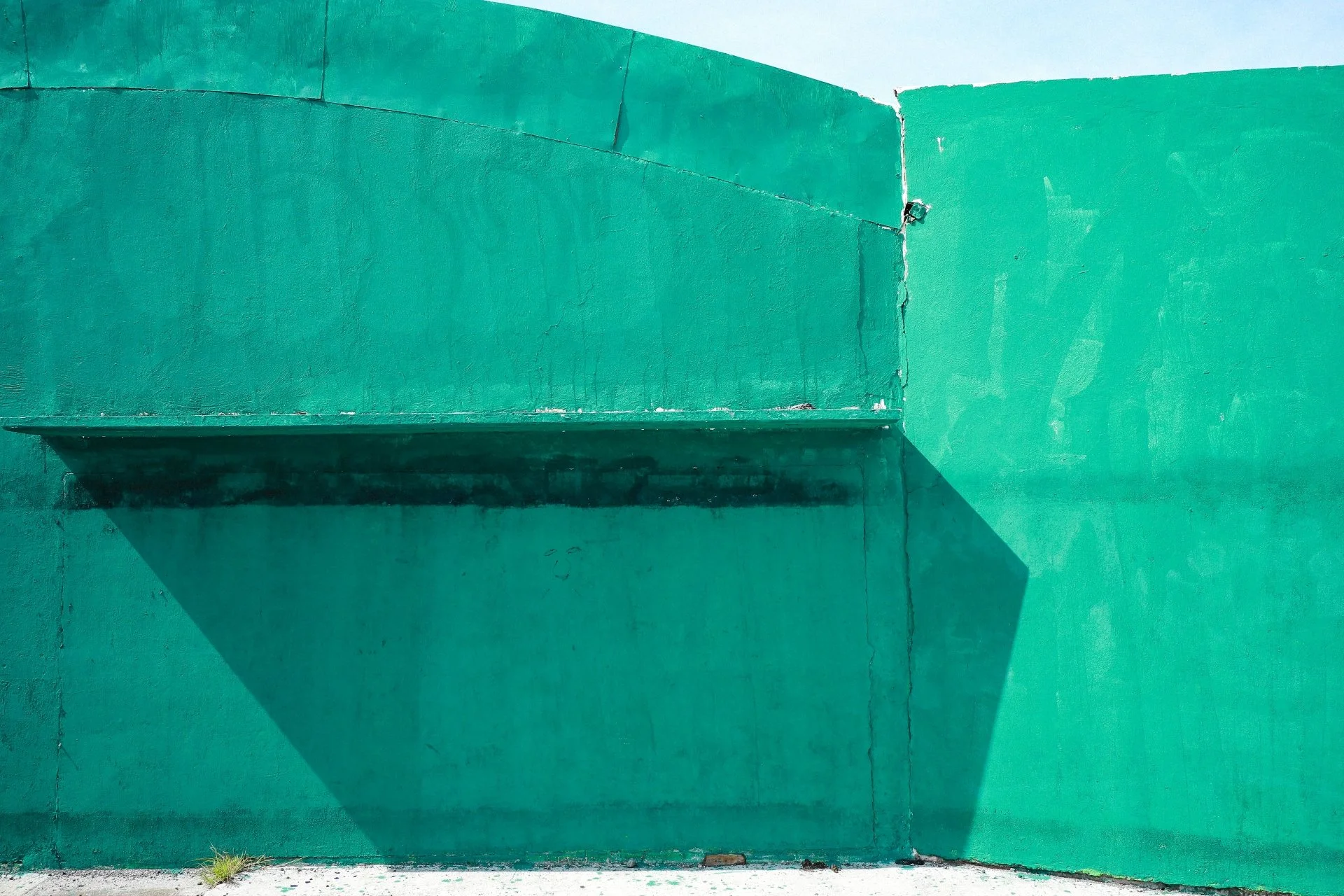
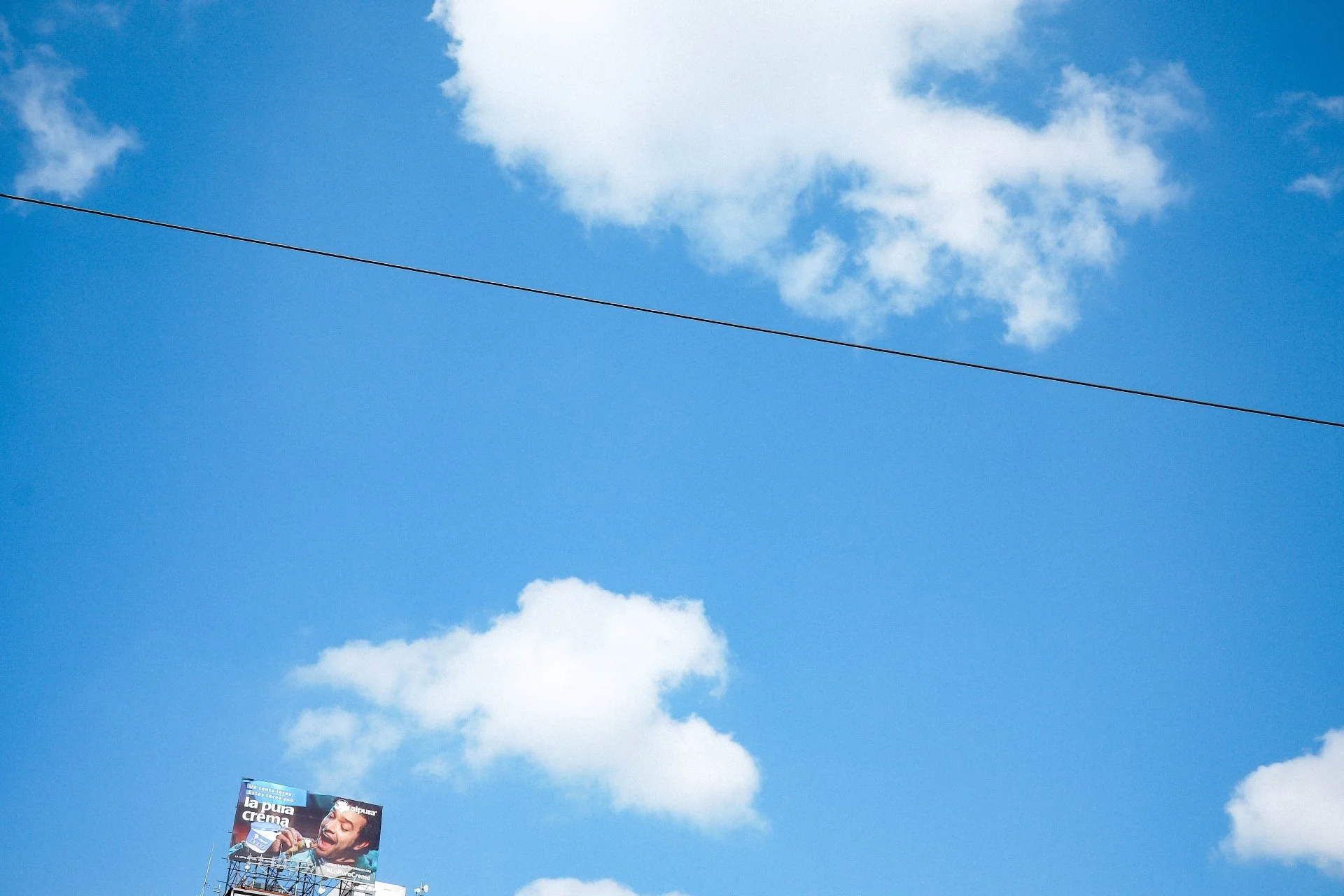
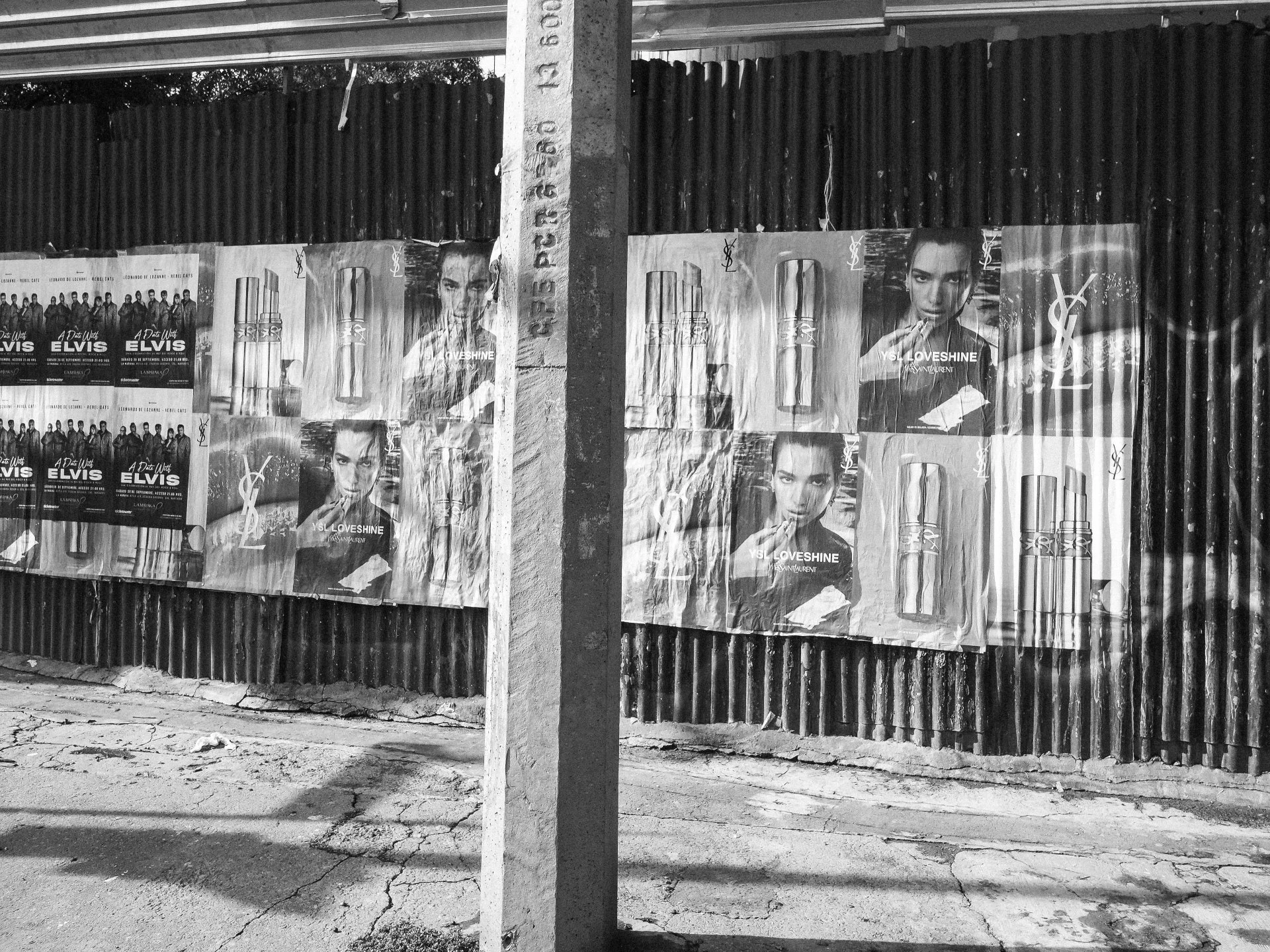
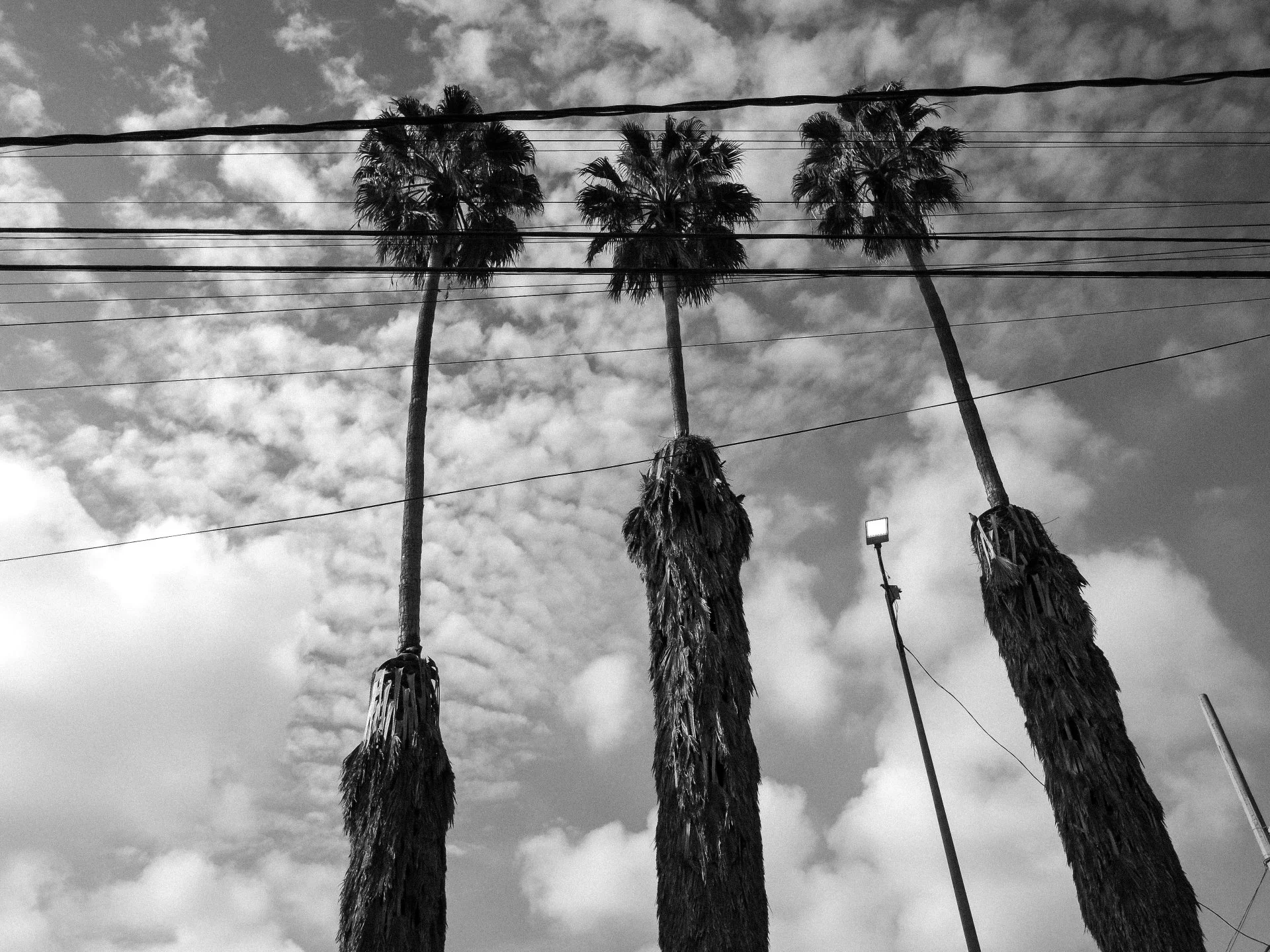
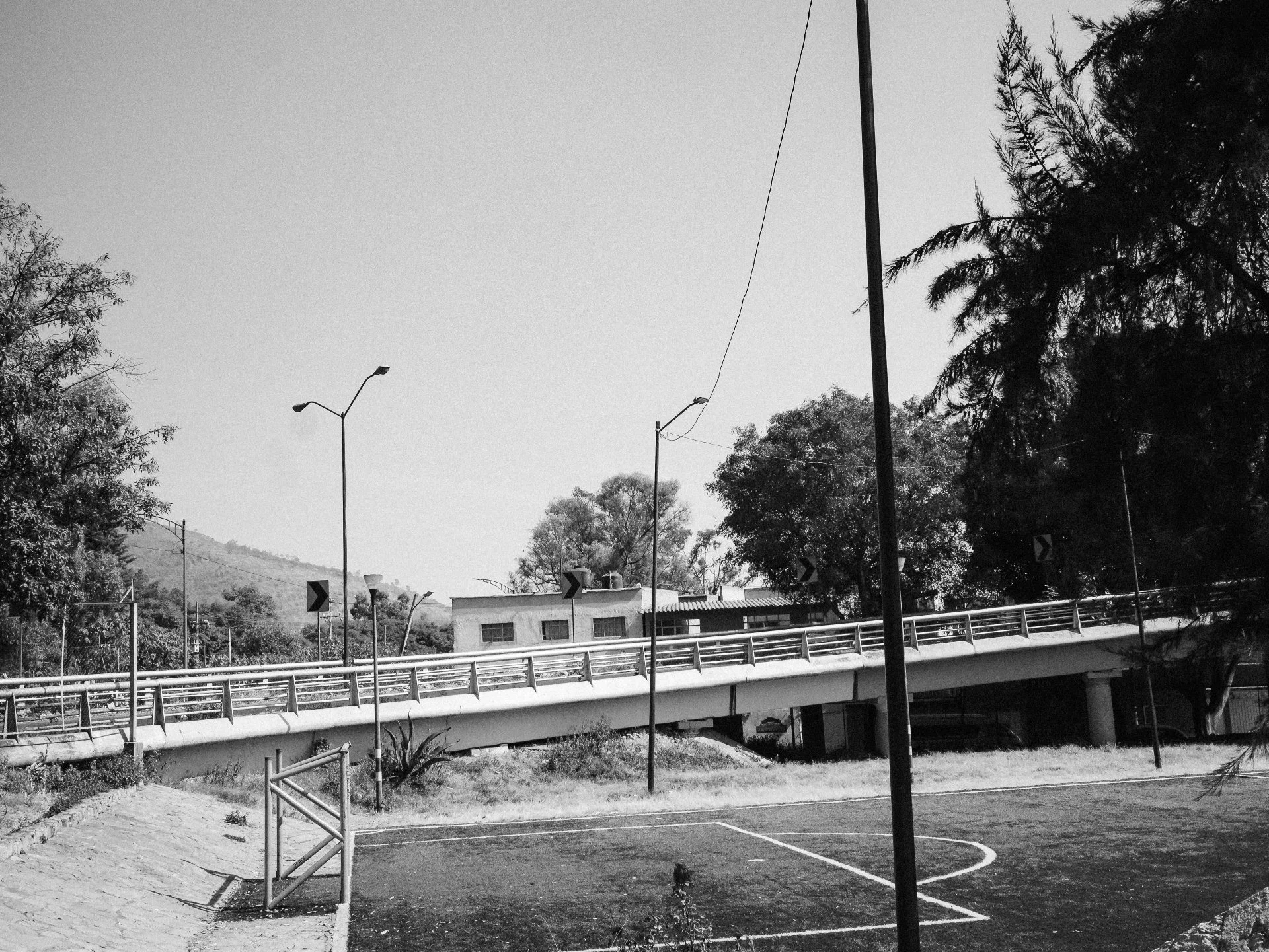
Billboards, windows, walls, perspectives, suburbs, dirt roads, a beach volleyball court, a soccer goal, two palm trees on the Orbetello lagoon. Everything becomes part of a great visual language. The photographer simply captures some of these phrases.
The urban landscape then ceases to be a simple description.
It becomes a form of meditation on the place we live in.
An exercise in attention.
Urban space and metaphysical space. Physical place and mental place.
And perhaps this is precisely its true essence.
Not in seeking the beauty of the place.
But in understanding what the place is becoming. And by extension, what we are becoming.
Advertisements
From time to time, some of your visitors may see an advertisement here.
Alex Coghe, Mexico City 2026