For some time now, I have been thinking about the way I want to approach my photographic workshops and expeditions.
That reflection has led me to make a decision that, in reality, has already been part of my work as a photo coach for quite some time.
From now on, all my photographic workshops and expeditions will be exclusively one to one.
There is actually very little that is changing. My workshops have already been one to one for years. Since I started teaching photographers in 2011, working individually with people has gradually become the format that makes the most sense to me. It is how I prefer to teach, and it is how I believe I can offer the most to the photographer who chooses to work with me. What is changing now is that I am making this official. And definitive. There will be no more group workshops and no group photographic expeditions. The one to one format is no longer simply one of the possibilities I offer. It is the format.
The reason is simple. Photography is, ultimately, a solitary act. We can share an experience, walk together, talk about photography, look at photographs and exchange ideas. But when it comes down to actually making a photograph, we are alone. We look, we decide, we frame and we press the shutter. For me, teaching photography should reflect that. Always. A one to one experience allows me to work with a photographer rather than with a group. I can understand how that person sees, what they are looking for, what they struggle with and what they need to develop. The entire experience can be built around that particular photographer. This is especially important to me because I have never considered my workshops to be photographic holidays or simple photo walks. They are about learning how to see, how to photograph and, perhaps even more importantly, how to understand what we are doing with a camera. And the same principle now applies to my multi-day expeditions.
I have also decided to reduce their duration. Instead of offering long expeditions of eight, ten or twelve days, I am moving towards a concentrated four-day format. I don't believe that more days necessarily mean a better photographic experience. Four days of focused, one to one work can be far more valuable than twelve days spent photographing as part of a large group. There is time to photograph, to discuss, to review, to make mistakes and to understand what those mistakes are telling us.
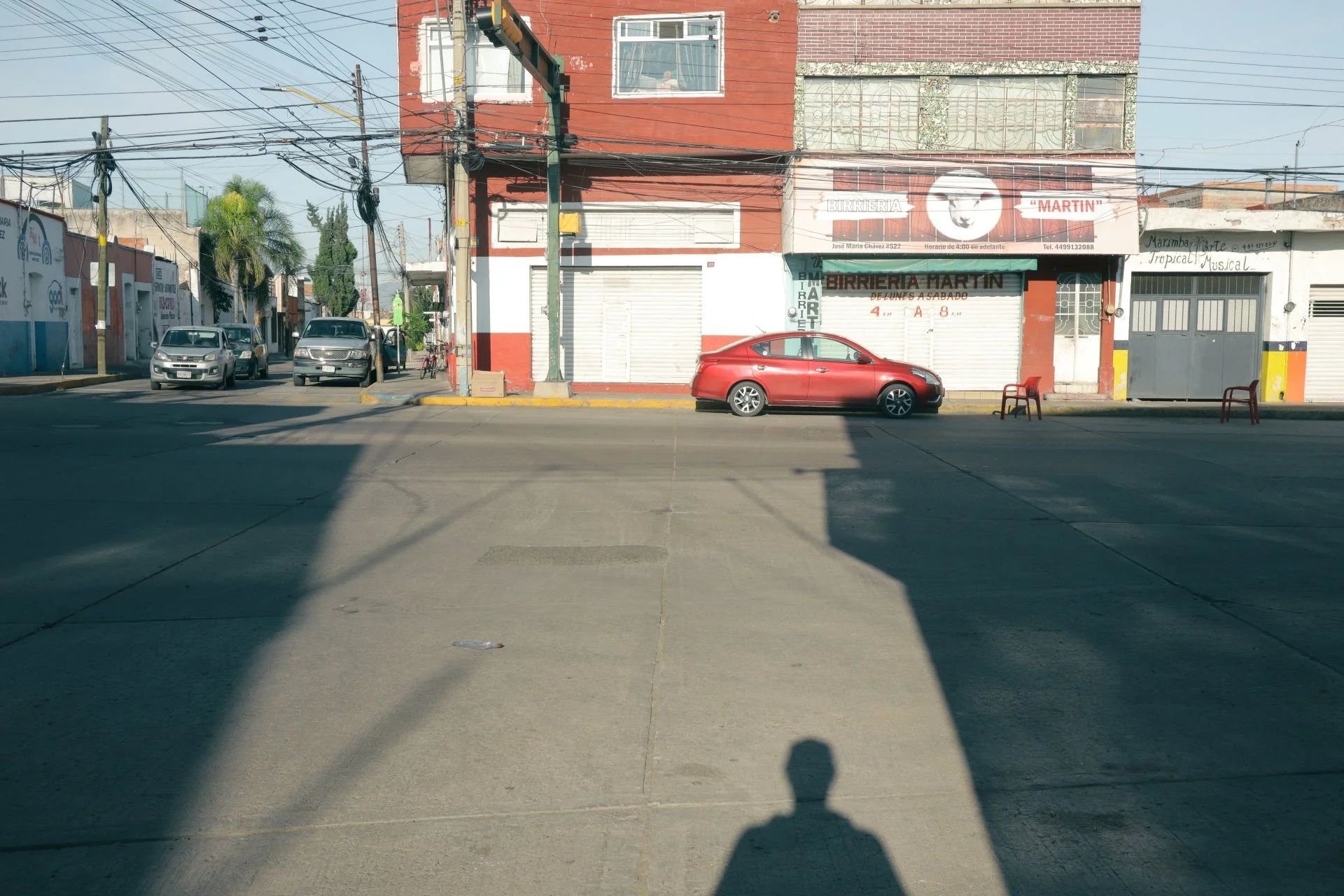
There is another important aspect to this decision. Respect. Respect for the places we photograph, for the people we encounter and for the traditions we are witnessing. This is particularly relevant to the expeditions I lead in Mexico. When I work in a place such as Oaxaca during Día de Muertos, I don't want the photographic experience to become a kind of photographic caravan moving from one picture to the next. I have seen a lot of that that made Oaxaca during those days more and more a bad place where to make a human and photographic experience. Those groups appear horrible. Hordes of photographers swarming the Pantheon, all snapping away together in a sort of safari for idiots. That is exactly what I want to avoid being confused with. Obviously, I’ll earn less than all those hotshots who run workshops, but I don’t care. My workshops and expeditions are authentic, effective, and offer greater value. And I cannot compromise them with a generic approach. I am a working photographer who isn't forced to run workshops; if I do them, it’s because I love it—first and foremost—and because I believe in the immense value of teaching and sharing my experience.
I want the photographer to have the time and space to understand where they are. The one to one format makes that possible. It also means that these experiences can be much more personal. There is no need to follow a group itinerary or accommodate several different photographic interests at the same time. The experience belongs to one photographer. As I said, I am also fortunate to still be a working photographer. Photography is not something I only teach. I continue to work professionally on editorial assignments, reportage and personal projects. Teaching is something I genuinely love, but it exists alongside my own photographic practice. That is an important distinction for me. I don't want to build large photographic groups simply because that is the conventional model for photographic workshops and expeditions. I have no interest in becoming part of that market. My market is different and the people joining an experience with me is different. They already know photography is a solitary act. Sometimes people just need a mentor. And I am that mentor proposing genuine experiences, making things in photography not driven solely by money. Sure, my workshops individually are more expensive than the average: but my photographotography experience are effective and focused on results.
I would rather do less, with fewer people, and do it properly. That’s the idea. The decision also makes my expeditions more accessible to people who cannot spend a week or more away from home. Four days can be enough to have an intense and meaningful experience, particularly when all the attention is dedicated to one photographer. So this is not really a new beginning. It is just the formalisation of something that has already been happening for years. My workshops have been one to one for a long time. Now my expeditions will follow exactly the same principle.
One photographer. One experience. One to one.
This is no longer an option among others. It is the way I will work from now on, and it is a decision I do not intend to reconsider.