DOGMA 11 - Alex Coghe Version
There’s a point in photography where technique stops being enough. Not because it becomes irrelevant, but because it starts to disappear into the background of something more immediate: the act of seeing and reacting to what is in front of you.
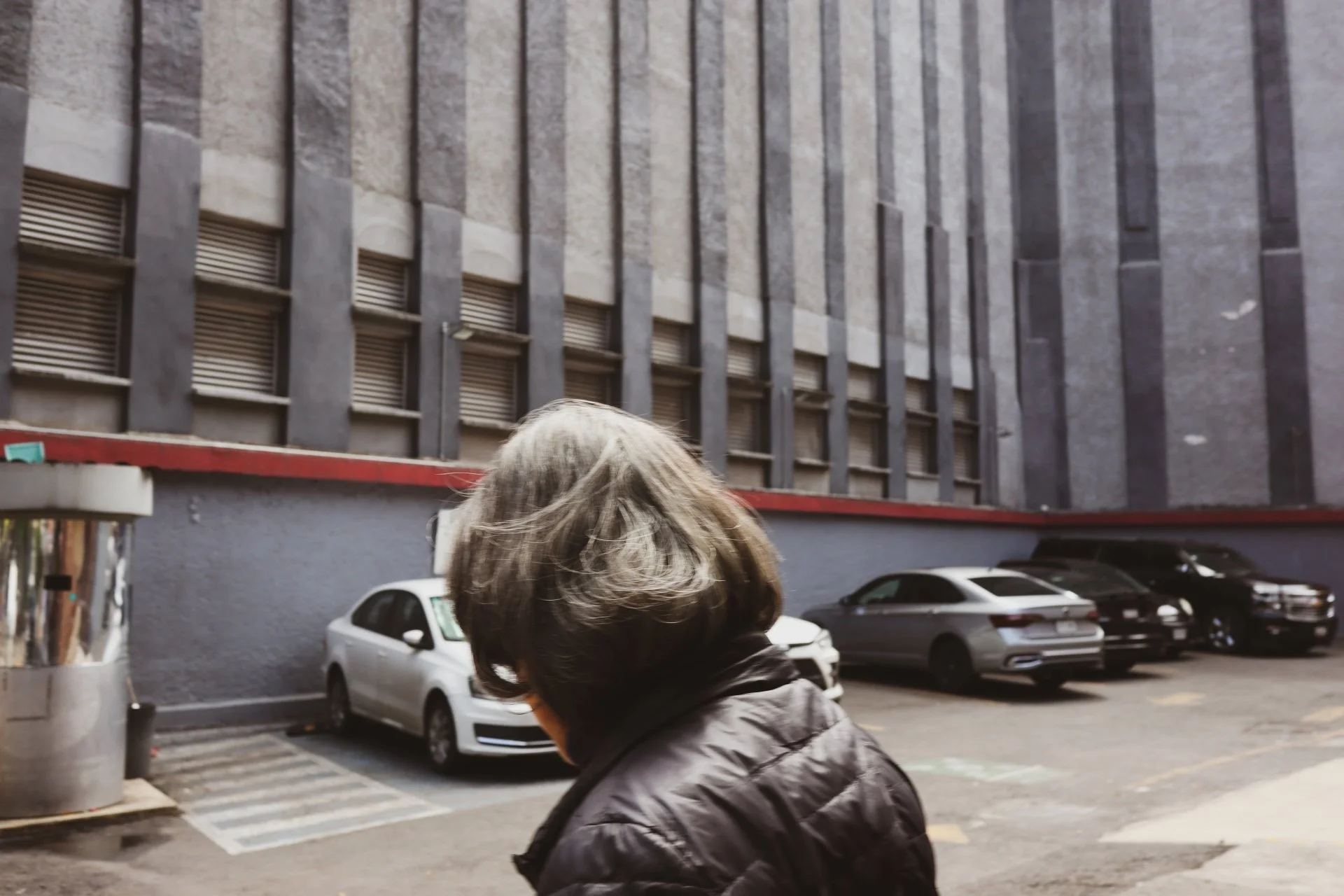
This set of principles is not meant as a limitation in a negative sense, but as a way to clarify intent. In a photographic culture increasingly shaped by post-production, curation, and controlled outcomes, these rules are a reminder of a more direct approach to the image. One where the frame is decided in the moment, not rebuilt afterwards.
Dogma 11 is not about purity or nostalgia. It is about discipline in the field, and about trusting what happens when you stop trying to improve reality after the fact.
Although there is no universally recognized Dogma 11 in photography, as there is with Dogma 95 incinema, the expression "Dogma 11" is often used to refer to independent photographic manifestations inspired precisely by Dogma 95.
I've often seen references to Dogme 11 in photography where they even want to impose the focal length, but I believe the point is not to excessively clip the wings of creativity and I don't want to interfere in anyone's vision. This is my DOGMA 11, that is not a list of rules, I don’t want to propose that, but i want to give an idea of my approach and what I believe can be an opportunity to improve as documentary photographers:
Do not crop the image
Do not digitally alter the photograph
Do not add elements to the scene
Do not remove elements from the scene
Do not stage or direct situations
Do not use artificial flash
Use only available light
Do not reconstruct the image in post-production
Do not alter the relationship between what was seen and what is shown
Do not intervene to “correct” reality
Photography must reflect what happened
The good of my Dogma 11 is that I am not imposing shooting only film or using a 50mm or things like that often proposed by others. Both digital and film cameras can be used. The important is more the approach. The approach doesn’t mean the vision. The vision should always be respected because is a personal fact.
At this point I clarify…this is not a system to worship or a set of rules to defend. It is something to carry lightly, use when it makes sense, and ignore the moment it stops being useful.
The moment photography becomes obedience, it stops being alive.