On being present, looking beyond the obvious, and understanding the world through photography.
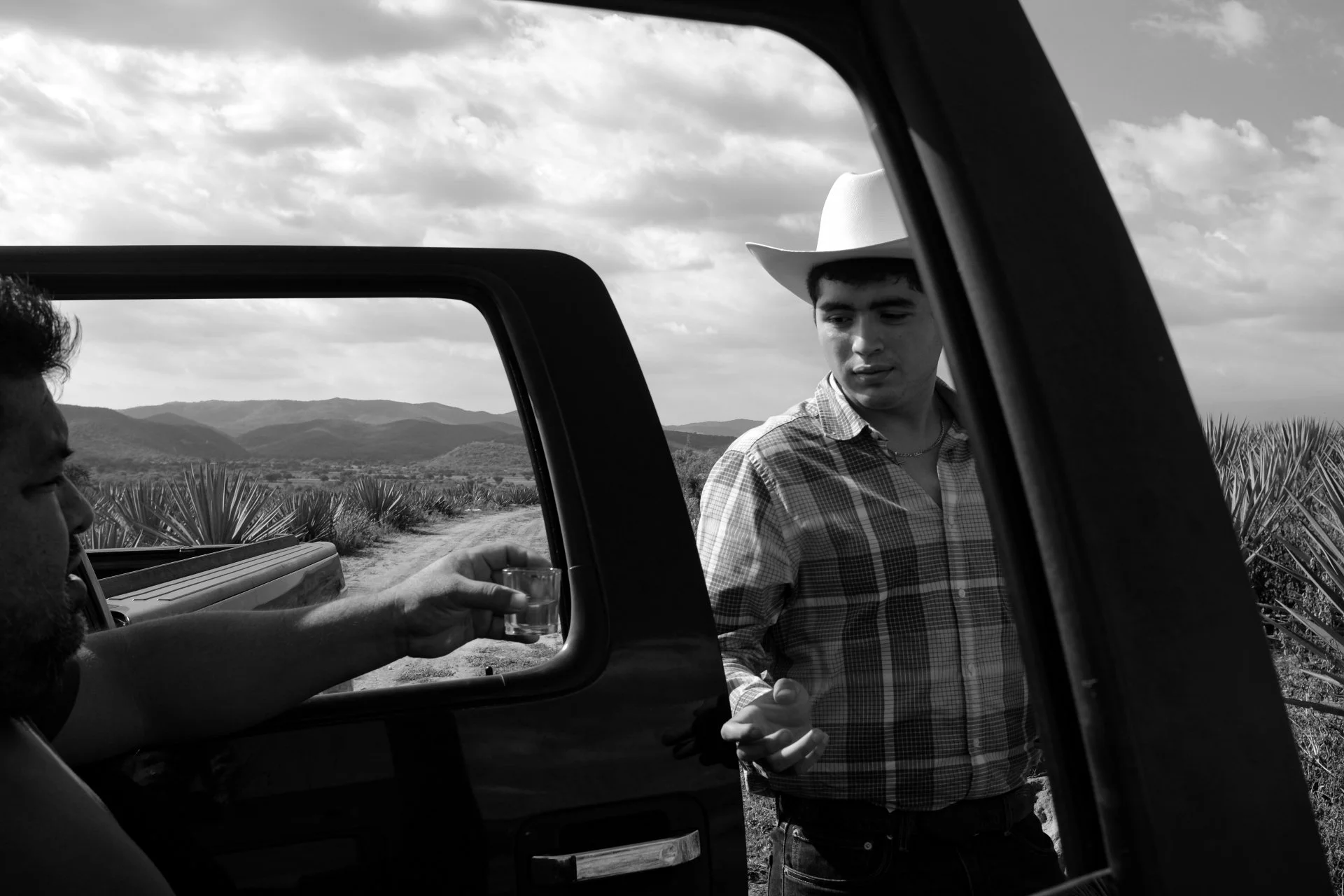
I have been photographing for many years. I have travelled, walked countless streets, met people, spent hours in places where nothing particularly interesting seemed to happen. And I still believe that one of the biggest problems in photography today is that too many people are busy collecting pictures. Fact is we live in a time where making photographs has become incredibly easy. Cameras are everywhere. Phones are powerful. There are endless tutorials, presets, recipes, tips about composition, light, storytelling, decisive moments and all the rest. You can learn almost anything about the technical side of photography in a few hours. Just like Garry Winogrand said. Yet I often wonder how many people actually spend time learning to look.
Because Photography is not a souvenir business. You don't need to come back from every journey with a collection of spectacular images. You don't need to photograph every interesting person you meet, every unusual building, every colorful market or every situation that looks good on Instagram. Sometimes the most interesting thing is standing in front of you and you simply don't see it. It happens to me too. And probably it will keep happening.
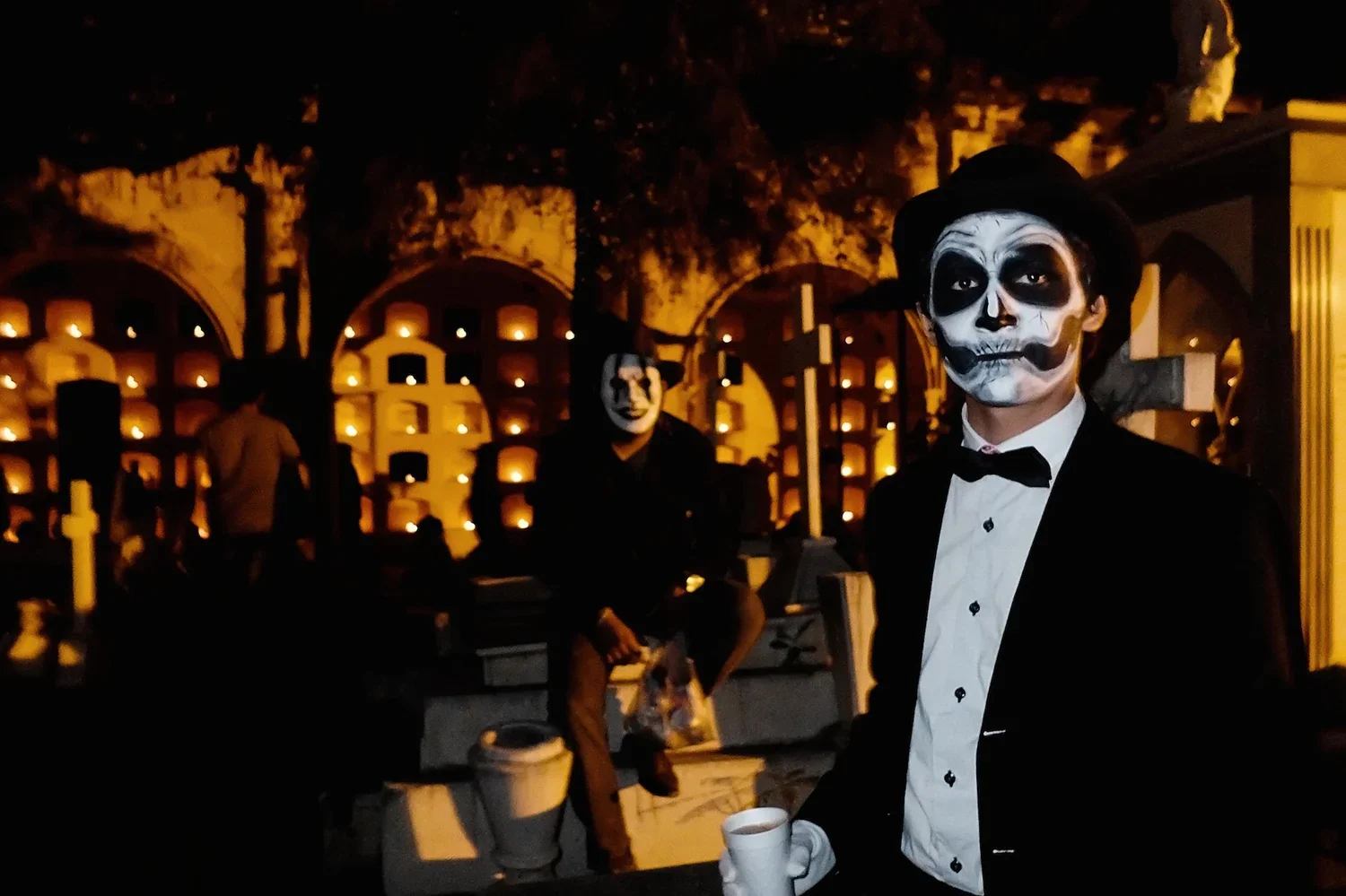
The Photographer Is Not a Tourist
There is something I have never particularly liked about the way photography is sometimes approached during travel. The idea of arriving somewhere, immediately taking out the camera and starting to collect images, as if the place was waiting for us to photograph it. A city is not a photographic attraction or a supermarket. People are not there to provide us with interesting pictures. And local culture is not a decoration for our portfolios. Stop to be an asshole. Because being a photographer means taking the time to understand where you are. It means walking without necessarily having a precise destination, observing how people move, how spaces are used, how light changes, how ordinary things become part of a larger visual situation. You can spend three days in a city and come back with hundreds of photographs without having really looked at anything. You can also spend an afternoon in a small neighborhood and discover something that stays with you for years. And I prefer the second possibility.
Being present is a very simple expression, perhaps overused these days, but it matters. It means giving yourself time. It means accepting that photography does not always happen when you want it to happen. And sometimes it means putting the camera down. Yes, putting the camera down. An idea that might sound strange in a world where everything has to be documented. And posted on Instagram.

Looking Beyond the Obvious
I have always been interested in things that don't necessarily attract immediate attention. The relationship between a person and a space. A wall, a window, an empty street, an object left somewhere. The strange geometry of everyday life. A small visual coincidence that perhaps nobody else notices. Honestly I don't need a dramatic situation every time I go out to photograph. Actually, I have become increasingly suspicious of the constant search for drama. There is a certain photographic language that has become almost predictable. The same gestures, the same expressions, the same visual tricks, the same attempt to make every photograph look important. Not everything needs to be important.
Sometimes a photograph can be quiet. It can be awkward. It can even be a little uncomfortable to look at. It doesn't have to explain everything, and it doesn't have to impress everybody. I am interested in photographs that leave something open. This is also why I have always paid attention to the spaces modified by human presence. The human landscape, even when people are absent. A place can tell us a lot about the people who inhabit it, about their habits, their choices and their contradictions. We don't necessarily need to put a person in the frame to speak about human life. Learning to see means expanding our attention. Looking at what is around the obvious subject. Sometimes even questioning why we are photographing something in the first place.
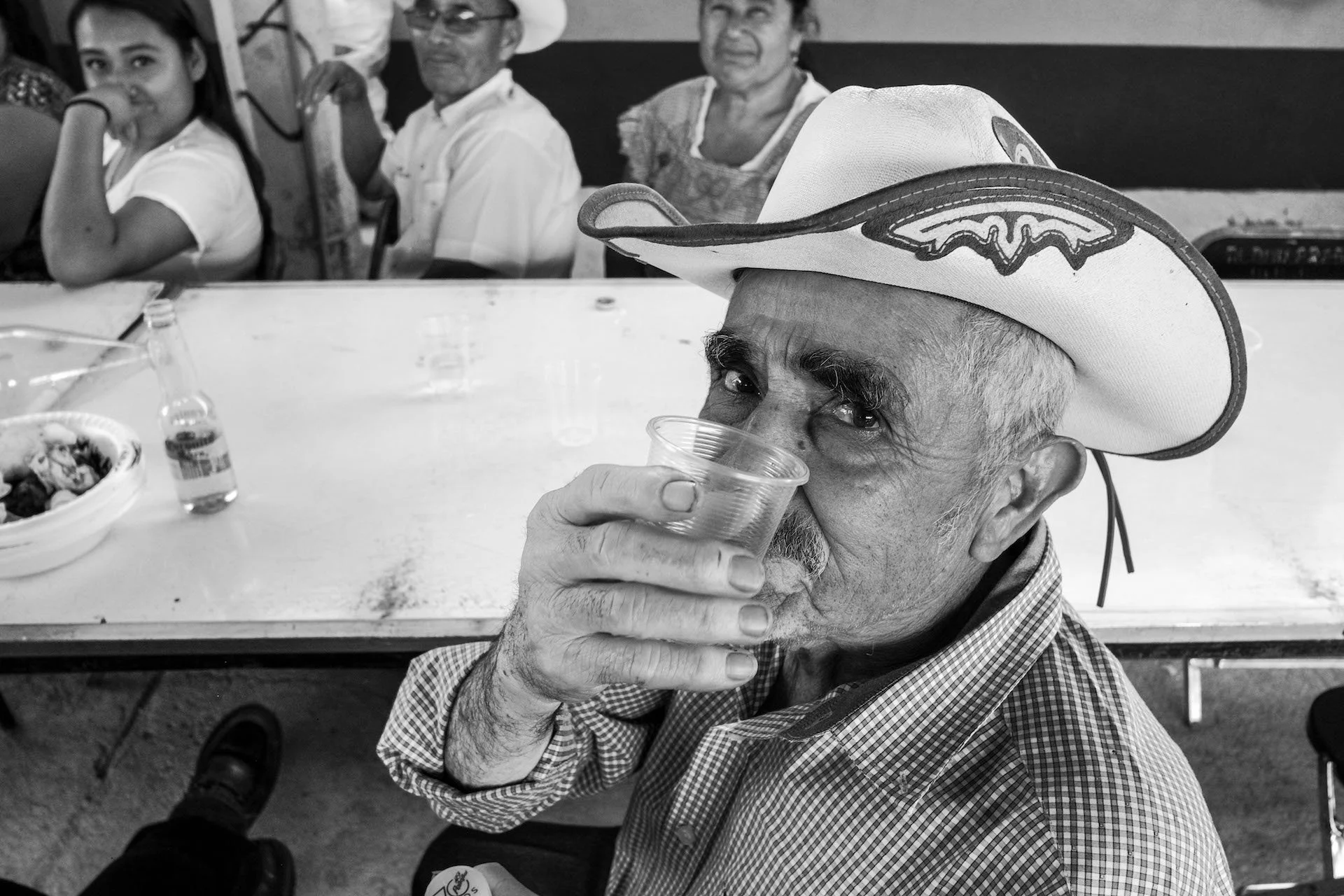
Photography as a Way of Understanding
Photography has changed the way I look at the world. I don't say this to sound poetic. It is simply what happened after years of carrying a camera and paying attention to things I probably would have ignored before. I look at streets differently. At architecture, at people, at the relationship between objects and their surroundings. I notice details. I observe situations. I make connections, sometimes without even realizing it. Photography to me has become a way of understanding the places where I live and work. And I think this is one of the most interesting aspects of the medium. It can take us somewhere mentally, even when we are photographing something very familiar. The street we walk every morning can become a completely different place when we start paying attention.
Of course, photography is also about making decisions. Where to stand, when to press the shutter, what to include and what to leave outside the frame. These decisions are important. But they become meaningful when they come from an awareness of what we are looking at. Technical knowledge is useful. Experience is useful. Knowing your camera is useful. But none of these things can replace curiosity.
And curiosity is something we should try not to lose.

There Is No Single Way of Seeing
I have never believed in a universal photographic formula. I don't think there is one correct way to photograph the street, people, landscapes or anything else. The idea that everybody should follow the same visual rules is rather boring to me. We all have different backgrounds, different experiences, different sensitivities. We look at the world through what we are, what we have lived and what we have learned. Photography inevitably carries all of this. This also means accepting that not everybody will like our photographs. Some pictures will work for some people and mean absolutely nothing to others. That's fine. We don't need universal approval. I would also suggest spending less time worrying about what other photographers are doing. Less time comparing portfolios, chasing recognition and trying to reproduce the latest visual language. More time looking at the world. More time looking at photographs, including old photographs, and asking ourselves why certain images stay with us.
A photograph doesn't become interesting because it follows a trend. And a photographer doesn't become better simply by making more photographs. After all these years, I am still learning. I still make mistakes. I still walk around without finding anything worth photographing. And I think this is part of the process. There is no final destination where suddenly you know everything about seeing. And perhaps the most useful thing a photographer can do is remain a little dissatisfied, a little curious, and willing to question his own way of looking.
I feel so motivated right now. Every trip changes me. And after the last experience I am stronger than ever. I know what I want and I know what I don’t. As a photographer, as a writer and as a pgotography educator.
The STREET PHOTOGRAPHY IMMERSION already available are a proof of that. Also my new line to propose only one to one tuition experiences goes in the same direction. I think different and I am different. My workshops are only for people that want the best and not a compromise.