A different approach to photographic education: individual attention, personal vision and a deeper photographic experience.
After more than fifteen years of teaching photography, working with photographers from different countries, backgrounds and levels of experience, I have made a decision about the way I want to continue sharing my knowledge: I no longer offer group photography workshops.
All my photography workshops and experiences are now exclusively private, one-to-one and available on demand.
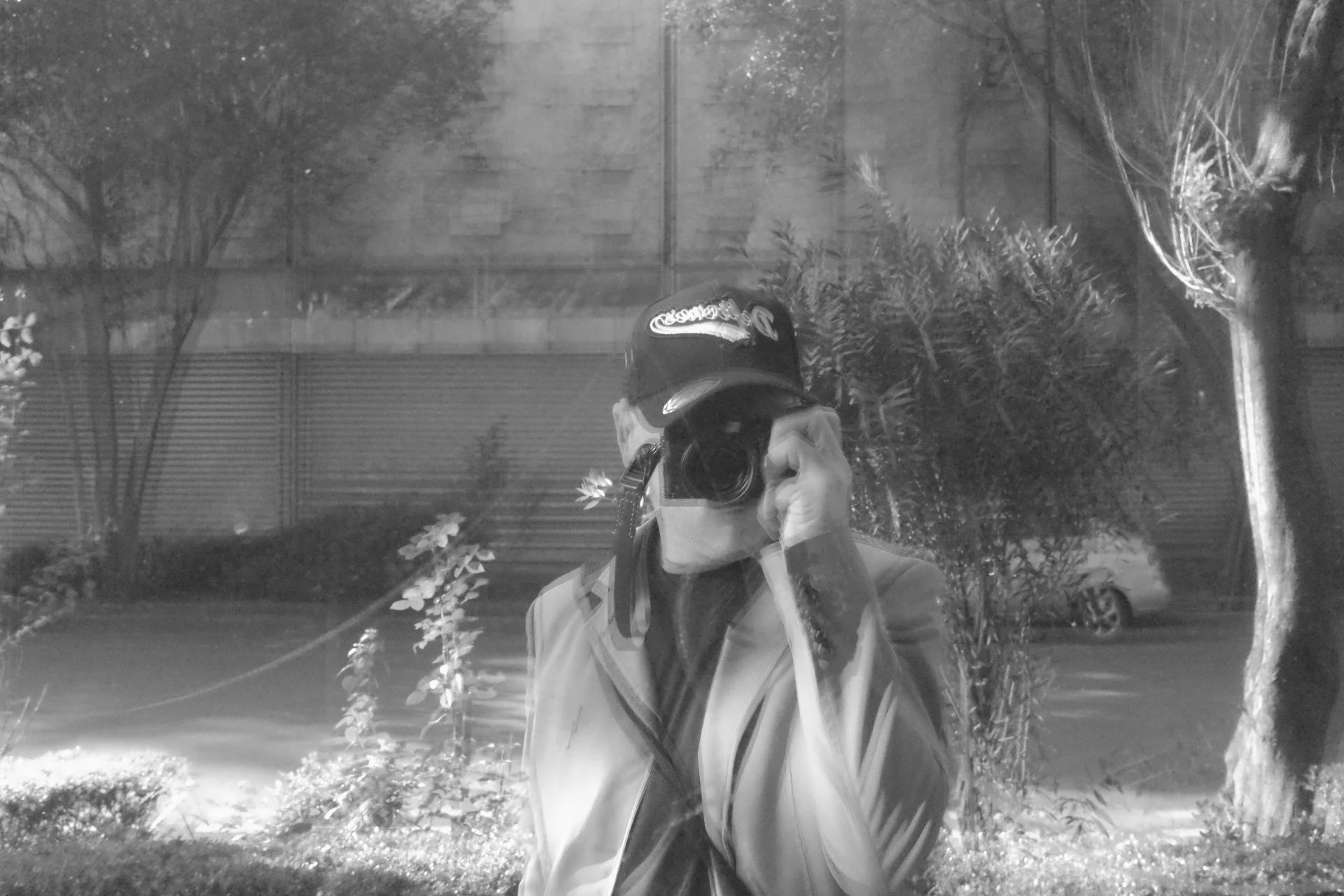
Photography Is Personal. Teaching Should Be Personal Too.
A group workshop necessarily involves managing different people, different levels of experience and different expectations.
Someone might be struggling with composition while another participant is already working on a personal photographic project. One person might need more time to observe a situation before taking a picture, while another prefers to work quickly and instinctively. Some participants might be interested in documentary photography, others in street photography, visual relationships or the development of a peThis is not simply a business decision or a matter of personal preference. It reflects how I have come to understand photography education, what I believe makes a meaningful learning experience, and what I consider the most effective way to help another photographer develop.
I believe that learning photography is an individual process. Every photographer has a different background, different visual references, different ambitions, different weaknesses and, most importantly, a different way of seeing. Treating all these people as a group, following the same itinerary, exercises and teaching schedule, inevitably means making compromises. I would rather avoid those compromises to focus on builiding a personal photographic language.
There is no reason why they should all follow the same learning path. In my one-to-one tuition, the experience begins before we even meet. I want to understand who I am going to work with, what kind of photography they practice, what they are looking for and what they hope to achieve. I want to see their photographs, understand their interests and identify the areas where I might be able to help.
This allows me to prepare a profile of the photographer and build an experience around that individual. The workshop is not a predefined product delivered repeatedly to different people. It is developed around the person taking part.
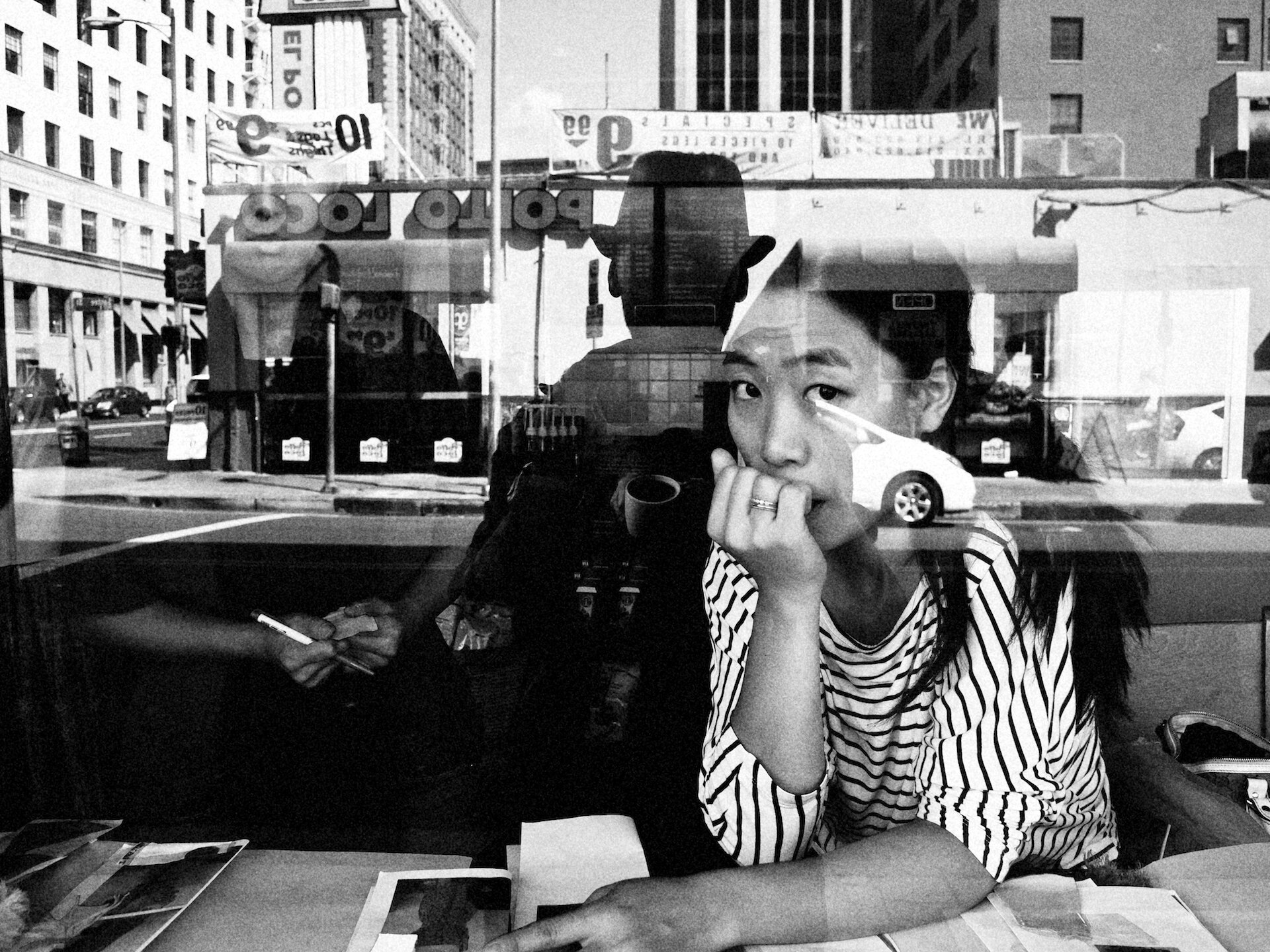
Full Attention Makes a Difference
One of the most important advantages of individual tuition is also the most obvious: my attention belongs entirely to one photographer. There is no need to divide my time between participants, alternate explanations or leave someone waiting while I assist another person. Every photograph can become an opportunity for discussion. Every decision, mistake, successful frame or missed opportunity can be examined in real time.
We can stop when something deserves attention. We can spend twenty minutes discussing a particular situation, or move on immediately when the moment calls for it. Feedback becomes continuous rather than occasional. This is particularly important in street photography, where decisions happen quickly and situations are constantly changing. Being able to discuss what happened, why a photograph worked or why a particular opportunity was missed can be much more valuable than simply receiving general advice.
The objective is not to produce more photographs during a workshop. It is to become more conscious of the photographs we make.

No Group Dynamics. No Unnecessary Compromises.
Photographing together as a group changes the experience of being on the street. People move at different speeds. They stop in different places. They influence one another, sometimes unconsciously. A group can attract attention, alter the atmosphere of a situation and affect the photographer's relationship with the environment. Honestly, I prefer a more natural photographic experience.
When I work with one person, we can move freely, change direction, follow an interesting situation or spend time observing a location without having to consider the needs of several other participants.
There is no waiting, no need to negotiate every decision and no pressure to keep up with someone else's pace. We can photograph naturally, independently and with greater concentration.
This freedom is not merely a logistical advantage. It has a direct influence on the quality of the photographic experience itself.
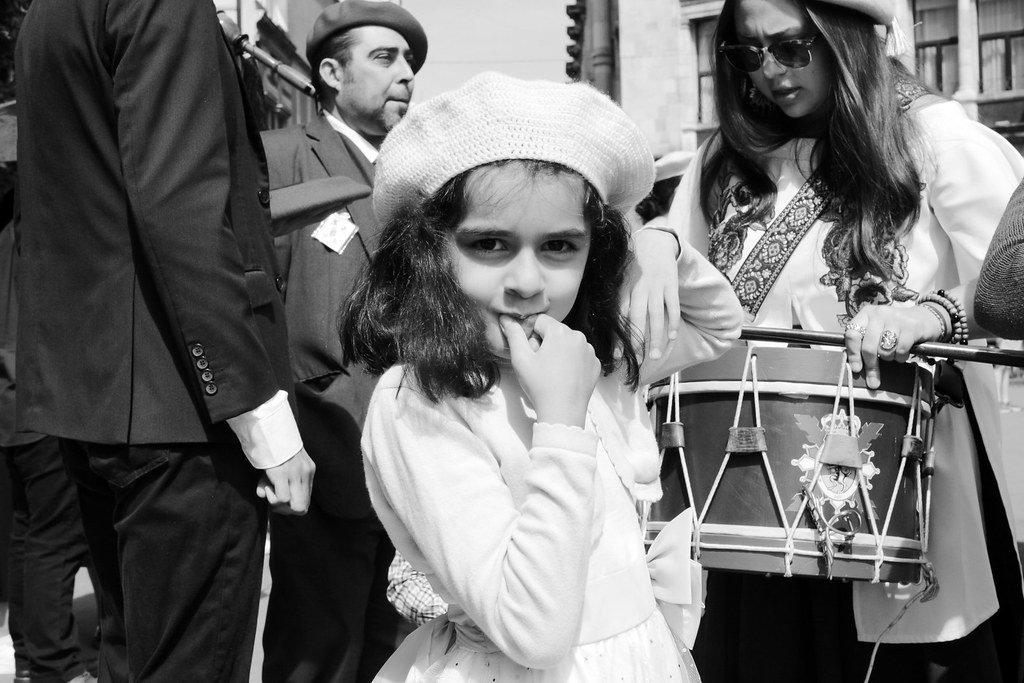
Beyond Technical Instruction
I am not particularly interested in teaching photography as a collection of rules. Don’t get me wrong: technical knowledge matters, of course. Understanding exposure, focusing, composition and the possibilities of photographic equipment is important. But these are tools, not the final destination. What interests me much more is helping photographers develop their visual awareness.
How do you observe a situation? What makes you stop and look? Why do you decide to photograph one particular moment rather than another? How do you recognize relationships between people, objects, spaces, light and gestures? What are you trying to communicate through your photographs? These are questions that cannot be answered with a universal formula.
My approach to teaching is based on observation, experience, discussion and practical work. I want to help photographers become more conscious of their decisions and gradually discover what makes their photographic vision personal. This requires time, attention and dialogue.
I believe a private experience offers the conditions for that dialogue to happen naturally.
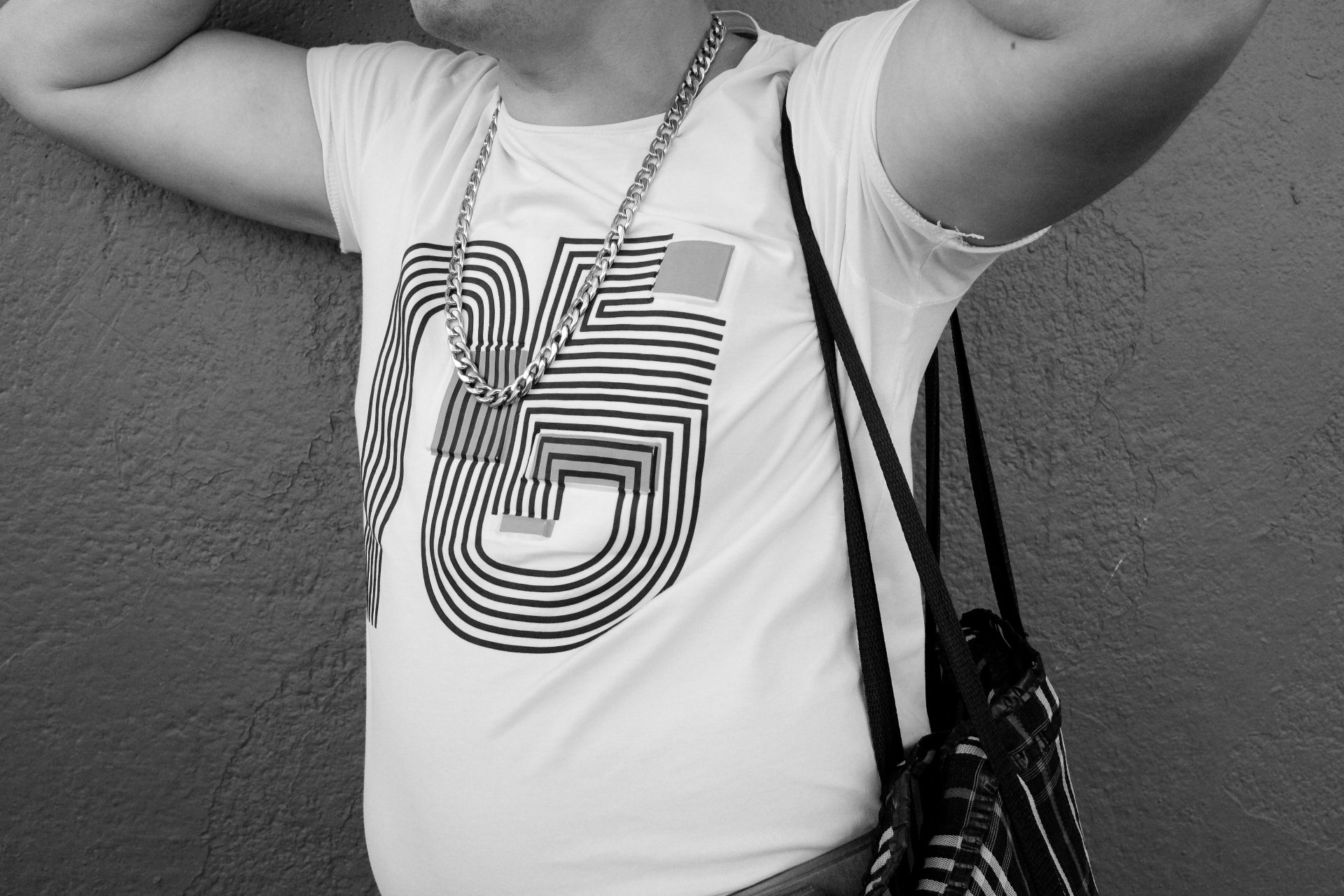
Photography, Art and Everything Around It
A photographic education should not be limited to cameras and photographs. During my individual sessions, conversations can move from photography to painting, literature, cinema, music, visual culture and the work of other photographers. These connections matter. A lot.
And developing a photographic vision also means expanding the way we look at the world. It means discovering references, questioning our habits, exploring ideas and becoming more receptive to visual experiences. I enjoy these conversations as much as the practical work on the street. There is also something important about the personal connection that develops when two people spend several hours working together. Questions become more specific, discussions become more honest and the learning experience becomes a genuine exchange.
I am not there simply to demonstrate how I photograph. I want to understand how you photograph, what motivates you and where your work might go.
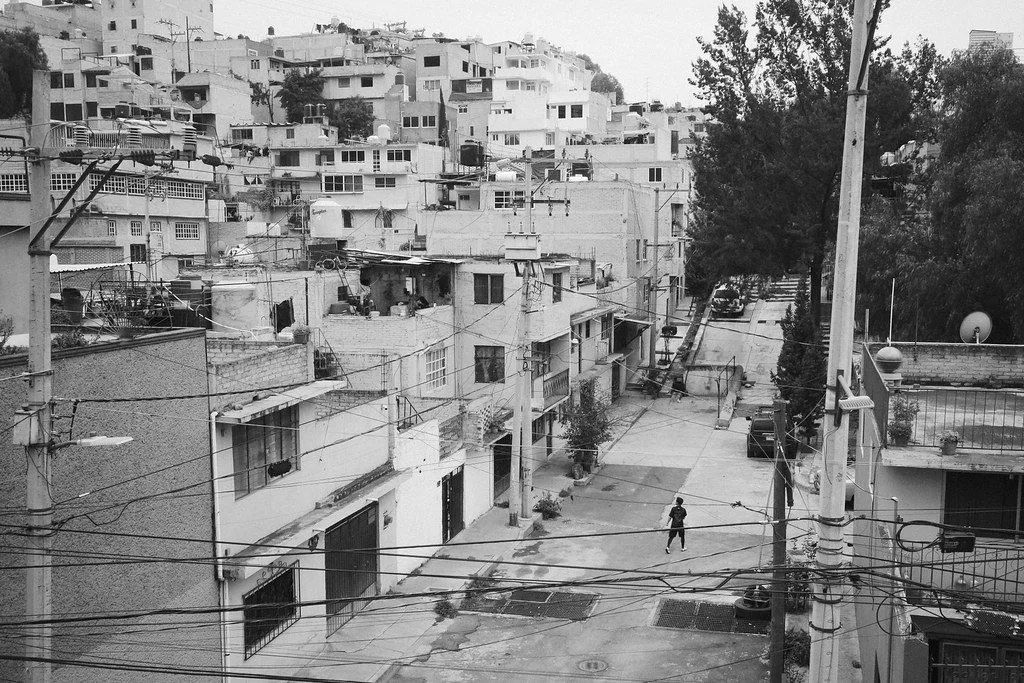
Working on the Photographer, Not Just the Photographs
One of the things I value most about individual tuition is the possibility of addressing the photographer rather than concentrating exclusively on the resulting images. Sometimes the problem is not technical. It might be hesitation, lack of confidence, repetitive habits, difficulty recognizing visual relationships or an inability to translate an idea into photographs. These aspects, in my opinion, require individual attention.
I want to understand what prevents someone from moving forward, but also recognize their strengths and encourage them to develop those strengths further. This is why I don't believe in imposing my photographic approach on someone else. I can share my experience, explain my decisions, suggest exercises and challenge established habits. But I don't want participants to leave my workshops trying to imitate my photographs. Because the objective is to help them become more confident in their own photographic identity.
There is no single correct way to see. And there should not be a single correct way to photograph.
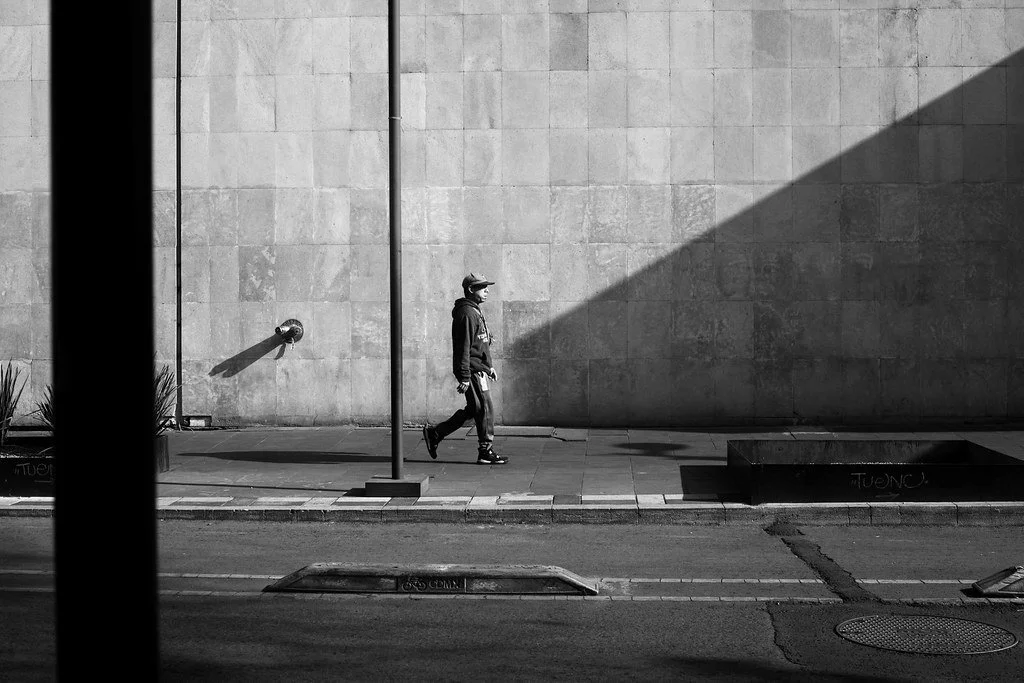
Quality Over Quantity
Over the years, I have come to appreciate the depth of individual experiences much more than the number of people attending a workshop. I prefer spending a full day working closely with one photographer, understanding their needs and helping them explore their possibilities, rather than dividing the same amount of time among ten people. This also allows me to offer something that is difficult to achieve in a group setting: genuine flexibility.
The location, timing, exercises, subjects and photographic approach can change as the experience unfolds. If something interesting happens, we follow it. If a particular exercise is proving useful, we can spend more time on it. If the photographer needs a different challenge, we adapt. There is no obligation to follow a predetermined formula simply because it appears in a workshop programme.
Every photographer is different. Every experience should be different too.
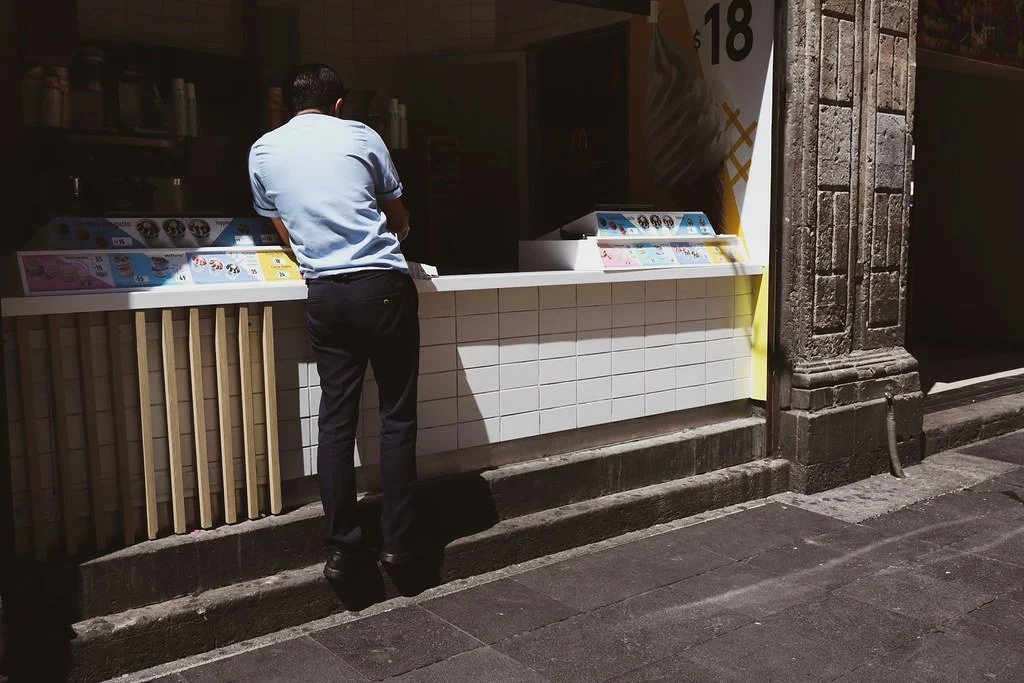
Private Tuition Is Not a Smaller Group Workshop
I want to make one thing clear: a private photography workshop is not simply a group workshop with fewer participants. It is an entirely different educational experience. It requires a different preparation, a different relationship between teacher and participant, and a different understanding of what the learning process should be. It is more focused, more flexible and more personal.
It also requires a greater commitment from both sides. I expect curiosity, openness and a genuine willingness to question one's own photographic habits. In return, I offer my full attention, experience and dedication throughout the agreed time. nThis is the kind of teaching I want to offer.
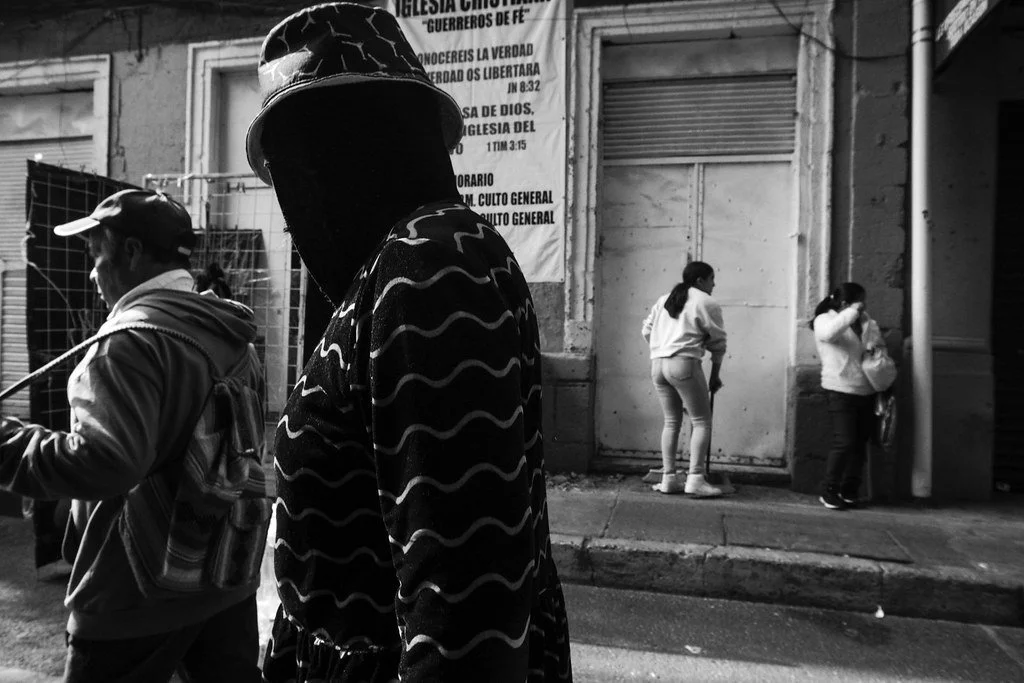
How to Work With Me
My photography tuition is now exclusively private, one-to-one and available on demand. I offer individual Street Photography and Human Altered Landscape experiences in Mexico City, with different formats depending on the time available and the participant's interests. For those looking for a more extended experience, I also offer Street Photography Immersion: three consecutive days, approximately 24 hours of individual photographic tuition, in one of seven selected cities in Mexico.
Each experience is organized around the photographer, their interests and their photographic objectives. There are no group workshops, fixed group dates or standardized teaching programmes.
If you are interested in working together, the first step is simply getting in touch and telling me something about your photography. I would rather start with a conversation than offer you a generic workshop.
Because, ultimately, photography is a personal journey. I believe learning it should be one too.
Explore my photography experiences:
Private Photography Workshops in Mexico City
Street Photography Immersion — Three Days, One City
Alex Coghe
Photographer and Photocoach
Mexico City