A Camera Is Just a Camera
I finally have a Fujifilm X100T. Again, in a certain sense: in the past I owned a X100S.
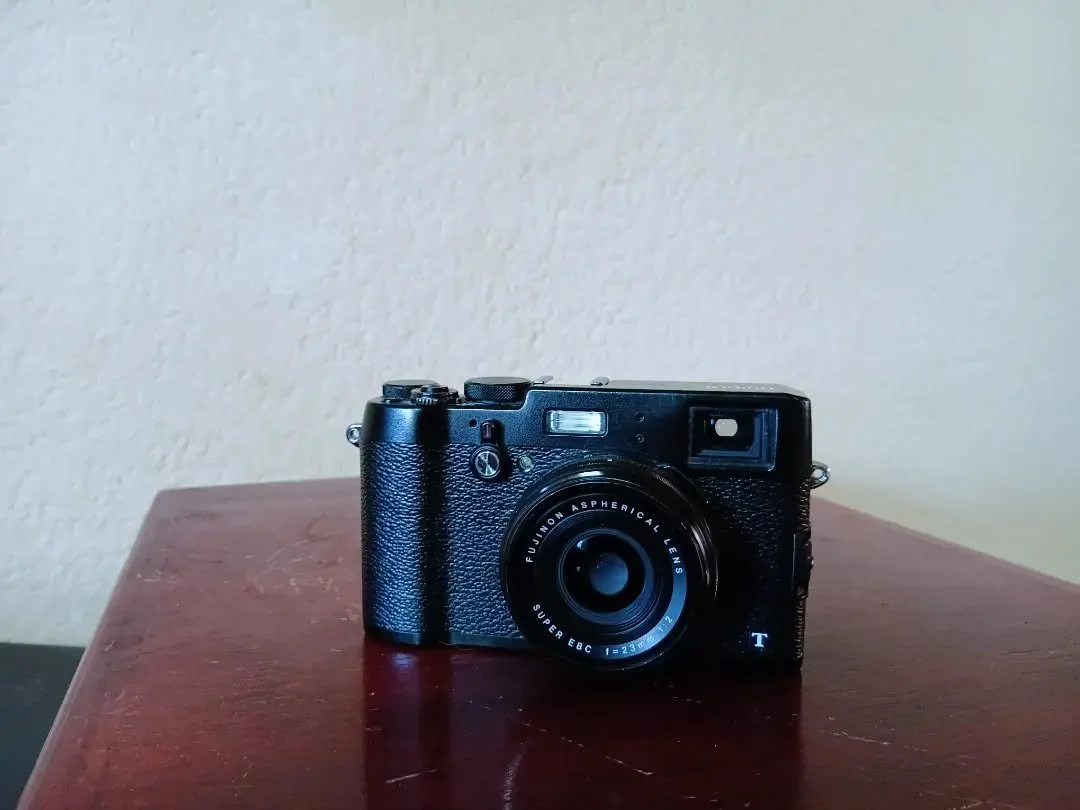
There is a certain irony in this, considering my past relationship with Fujifilm. For several years, I was a Fujifilm X Photographer in Mexico, working with the brand and using its cameras in my photographic practice. Today, I have returned to one of its cameras, but under completely different circumstances. In fact I bought it secondhand. And that detail says quite a lot about where I stand today. I have never believed that a camera makes a photographer. Nor do I believe that photographic equipment should become an extension of our identity, a statement of allegiance, or a reason to divide photographers into opposing camps. A camera is a tool. Some tools are better suited to certain needs, others to different ways of seeing. The important thing is understanding what works for you and why.
My relationship with equipment has become increasingly pragmatic. I buy used cameras because I see little reason to pay the premium for new equipment when perfectly capable tools are already available on the secondhand market. I am interested in what a camera can contribute to my photography, not in owning the latest model or following the industry's relentless cycle of upgrades. The X100T appeals to me for specific reasons. Its size, its handling, its optical and electronic viewfinder, and the particular character of its files make it an interesting tool for the kind of photography I want to pursue. I have used cameras from different systems over the years, and I will continue to do so whenever I find something that serves my work better.
This is not a review, and I am not here to promote the X100T. I have no interest in turning my personal equipment choices into recommendations that everyone else should follow. What works for me may not work for another photographer, and that is perfectly fine. Having previously been associated with a camera brand, I understand the dynamics of that relationship. But my responsibility as a photographer has always been to my own work, my vision, and the people and places I photograph. Those things must come before any brand, commercial relationship, or technological trend.
Today, I choose my equipment independently. I buy what I need, often secondhand, and I remain free to change my mind. Tomorrow, another camera might make more sense. That would not be a contradiction. It would simply mean that my needs had changed. Photography is already complicated enough without turning cameras into matters of faith. In the end, I am interested in photographs, not specifications. In the act of looking, not the object hanging around my neck. In finding the right tool for the work, rather than finding work to justify the tool.
The X100T is here now. I will use it, see what it gives me, and make photographs. That is all a camera needs to be.