
GEOGRAFIE: Nonoalco-Tlatelolco
Nonoalco-Tlatelolco, completed in 1964, is the largest housing complex in Mexico and one of the most ambitious experiments in modernist urban housing in the Americas.
Designed by architect Mario Pani, the vast complex brought together 102 residential buildings, interspersed with plazas, gardens, pedestrian paths and public services. Conceived as a city within the city, its planning drew on the modernist vision associated with Le Corbusier: high-rise housing rising from generous open spaces, where architecture and collective life could unfold as part of the same urban landscape.
Nonoalco-Tlatelolco, completed in 1964, is the largest housing complex in Mexico and one of the most ambitious experiments in modernist urban housing in the Americas. Designed by architect Mario Pani, the vast complex brought together 102 residential buildings, interspersed with plazas, gardens, pedestrian paths and public services. Conceived as a city within the city, its planning drew on the modernist vision associated with Le Corbusier: high-rise housing rising from generous open spaces, where architecture and collective life could unfold as part of the same urban landscape.
Built as a mixed-income response to Mexico City's growing housing crisis, Nonoalco-Tlatelolco was conceived as a city within the city, complete with schools, hospitals, shops, recreation areas, gardens and cultural spaces. At its peak, the complex was home to around 80,000 people. But Tlatelolco's history reaches far beyond modernism. The site began as an independent city-state on the shores of Lake Texcoco and was later absorbed into the expanding Aztec empire. In 1521, during the Spanish conquest, Tlatelolco became the final battleground between the Aztecs and the forces of Hernán Cortés. The Spanish victory brought the Indigenous city to an end, but not its historical significance. A plaque at the site today carries a stark reminder of what followed: “The battle was not a triumph, nor was it a defeat. It was the painful birth of the mestizonation that is the Mexico of today.”
Centuries later, Tlatelolco would once again become the scene of a defining moment in Mexican history. On October 2, 1968, just ten days before the opening of the Mexico City Olympics, thousands of students and demonstrators gathered peacefully at the Plaza de las Tres Culturas. Mexican troops and police surrounded the plaza and opened fire after shots were fired from within the area. Subsequent investigations and declassified documents have challenged the official version of events, including the role of government forces in provoking the shooting. The exact number of people killed remains disputed, with estimates ranging from several dozen to several hundred. What followed was a massive effort to suppress and obscure the scale of the violence, while Mexico proceeded with the Olympic Games under the slogan of the “Games of Peace.” The Tlatelolco Massacre remains one of the darkest chapters in modern Mexican history, and its memory is inseparable from the architecture and landscape of the place.
Then, in 1985, the ground itself seemed to turn against the modernist dream. On September 19, a magnitude 8.1 earthquake struck Mexico City, and Tlatelolco was among the places hardest hit. Two of the three sections of the fifteen-story Nuevo León building collapsed, becoming one of the most haunting images of the disaster. The damage was so extensive that eleven other buildings, together with the surviving section of Nuevo León, were eventually demolished, while dozens more required structural reinforcement and major repairs.
The earthquake did more than damage buildings. It fractured the social and economic fabric of the complex. Tlatelolco had been conceived as a model of modern urban life, but reconstruction exposed many of the weaknesses of the system that had created it. Repairs, structural work and maintenance became sources of conflict, while many families left the complex. The population fell dramatically, from roughly 80,000 before the earthquake to around 55,000 today. What had once been presented as a model city within the city gradually lost much of its original social diversity.
The story of Tlatelolco is therefore not simply one of architectural failure. It is a story of a utopian project colliding with history, political violence, natural disaster, economic change and the slow erosion of the city through time. The towers remain, but the dream they embodied has been transformed. Their concrete surfaces, open plazas and vast distances now carry the marks of decades of occupation, adaptation, neglect and survival.
Perhaps this is where the real Tlatelolco begins: not in the idealized city Mario Pani imagined in the 1960s, but in the city that people have continued to make from it ever since.
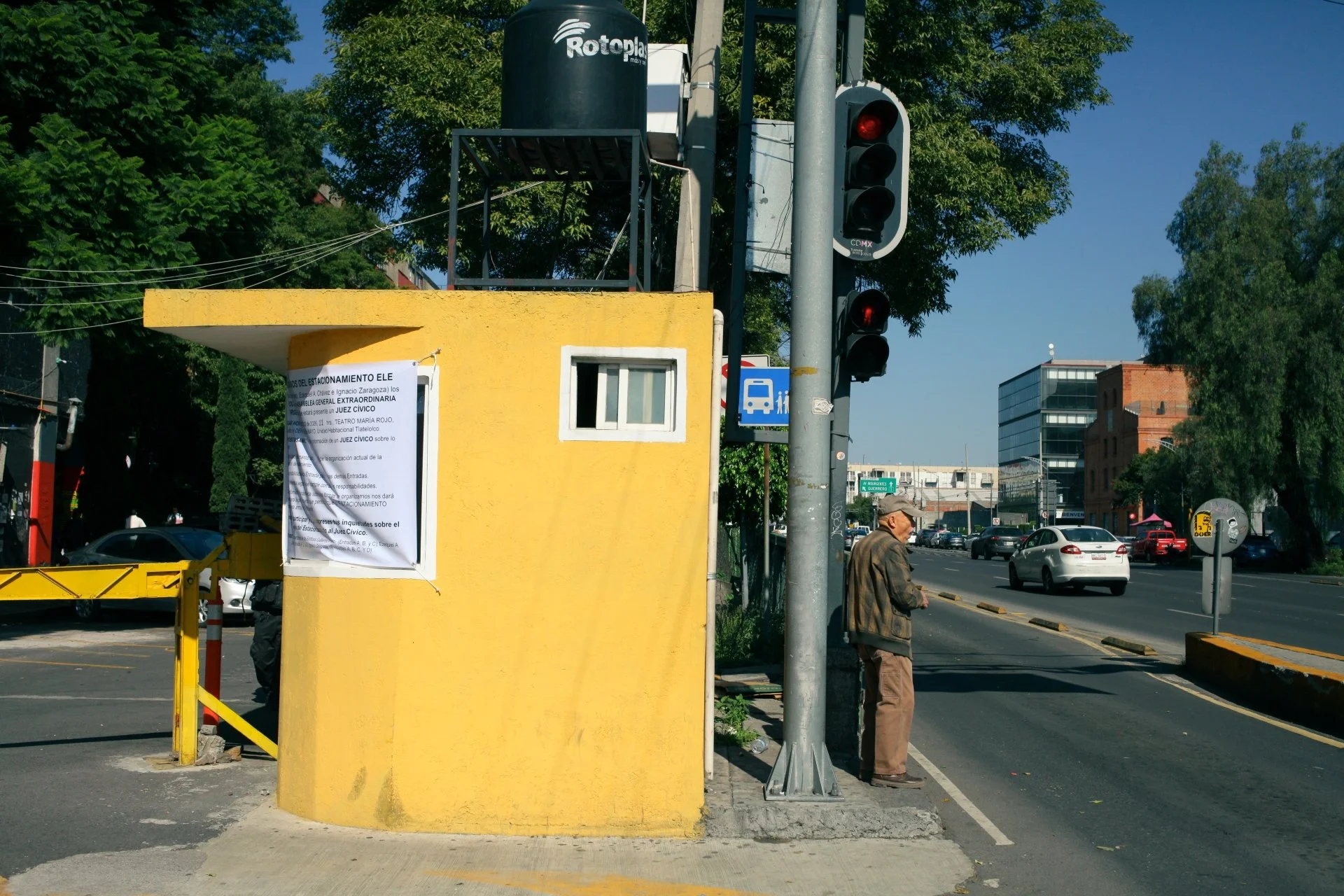
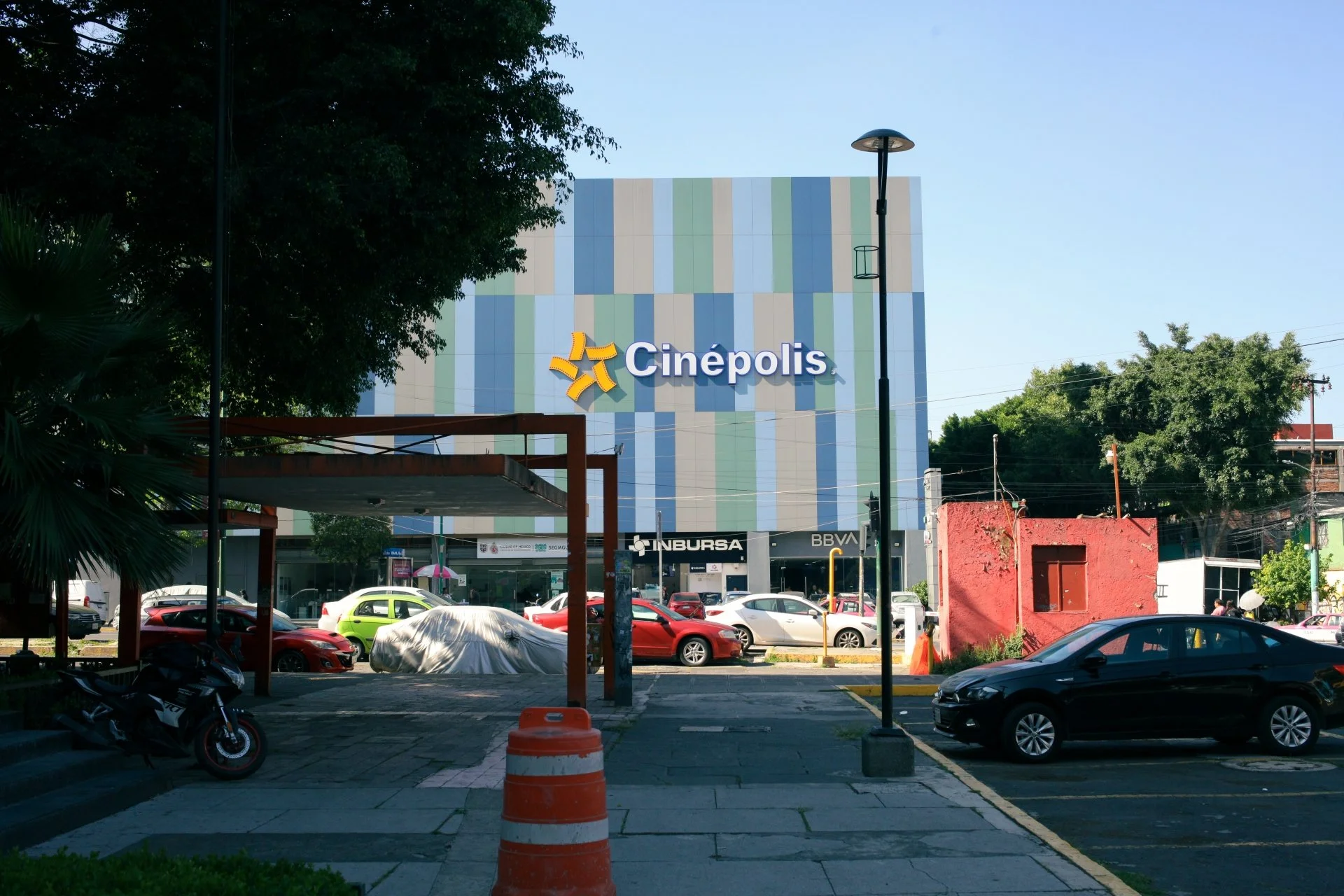
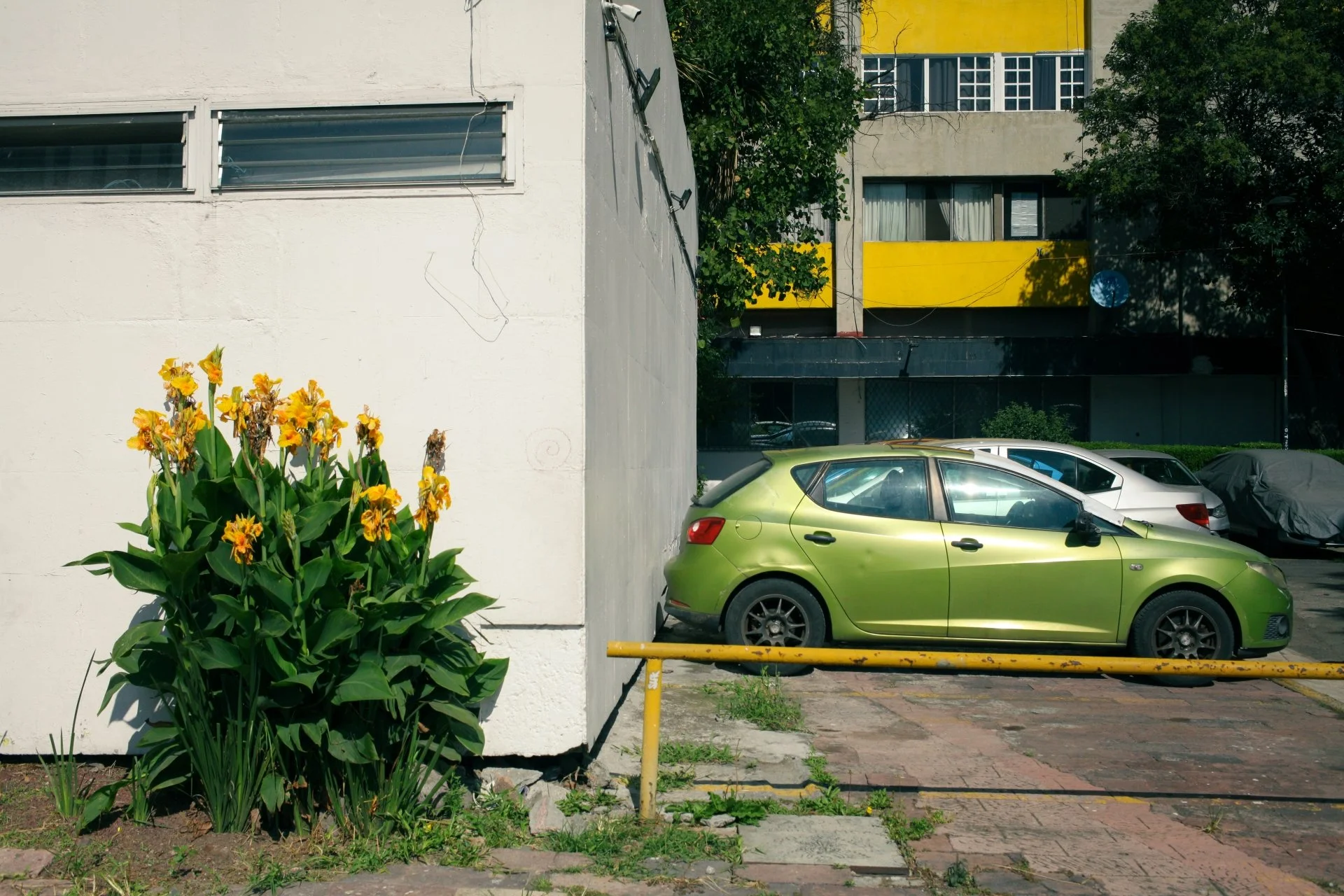
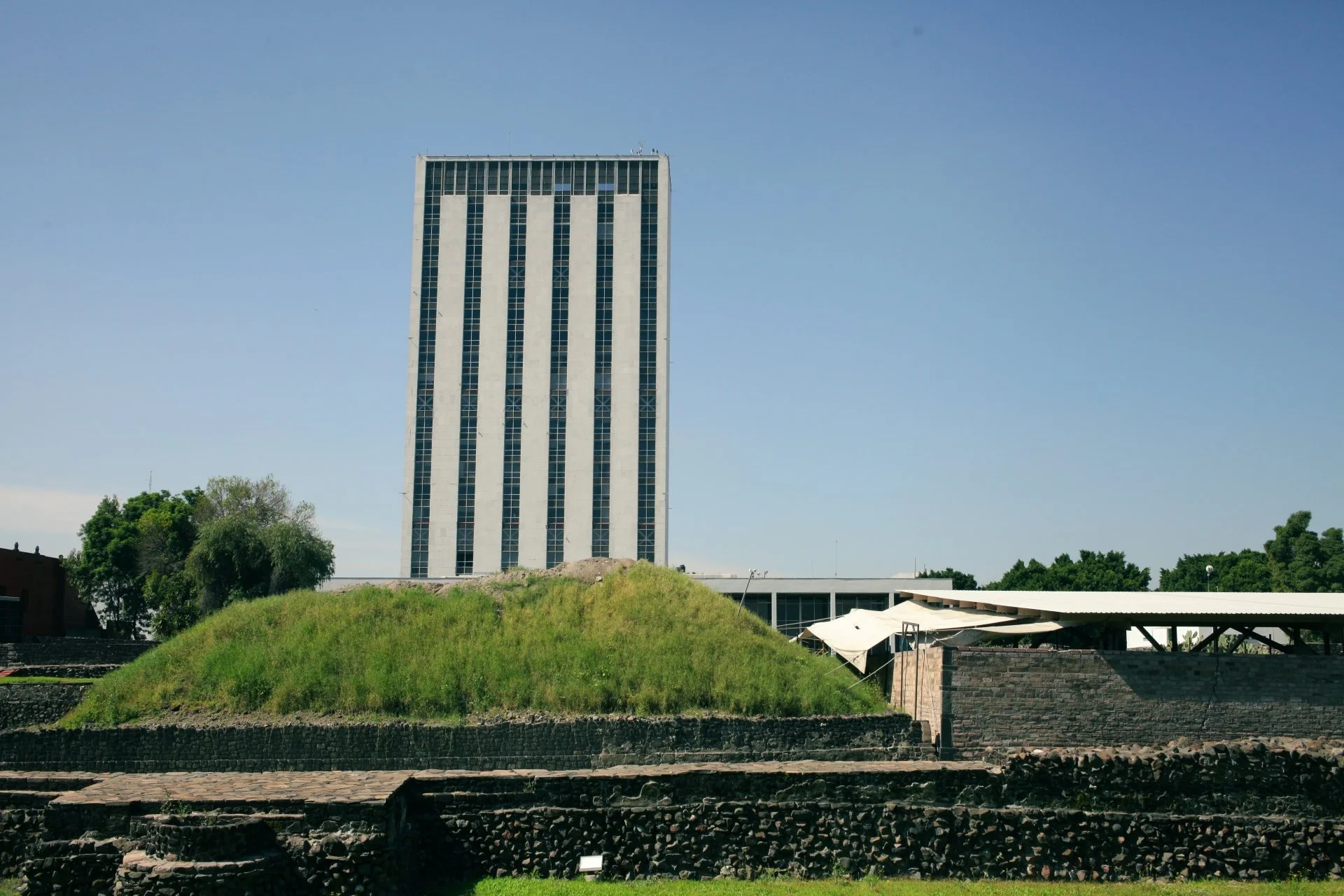
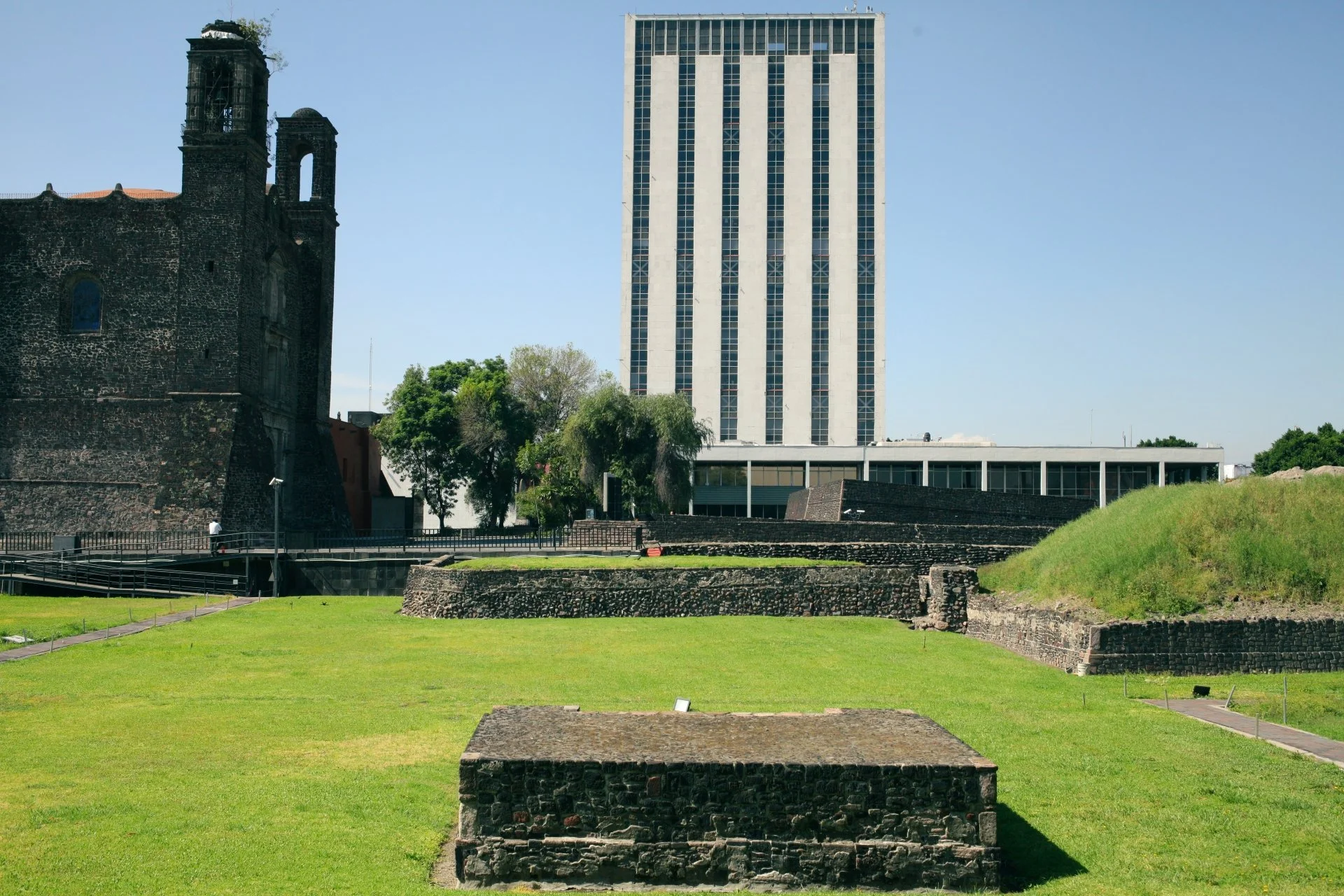
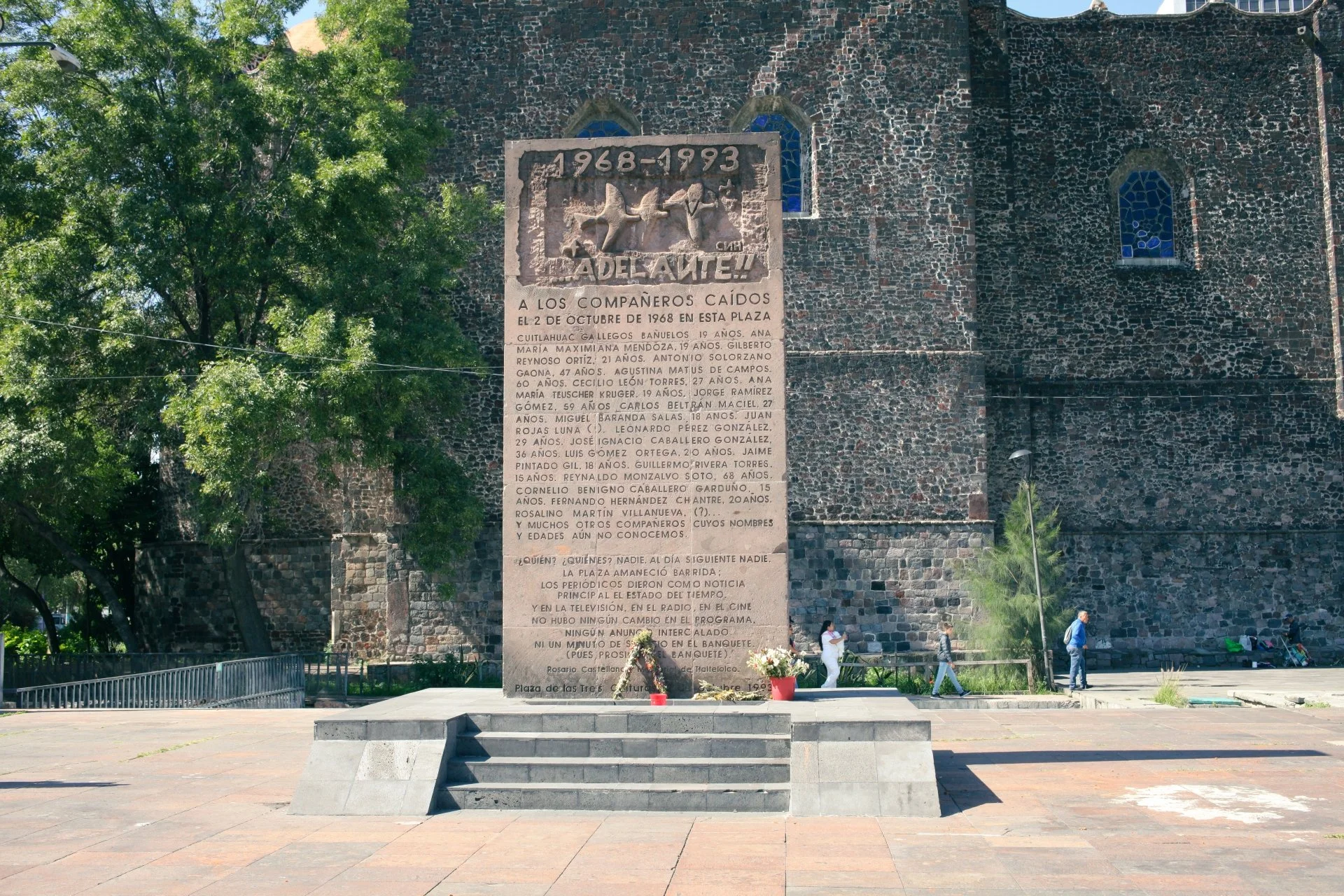
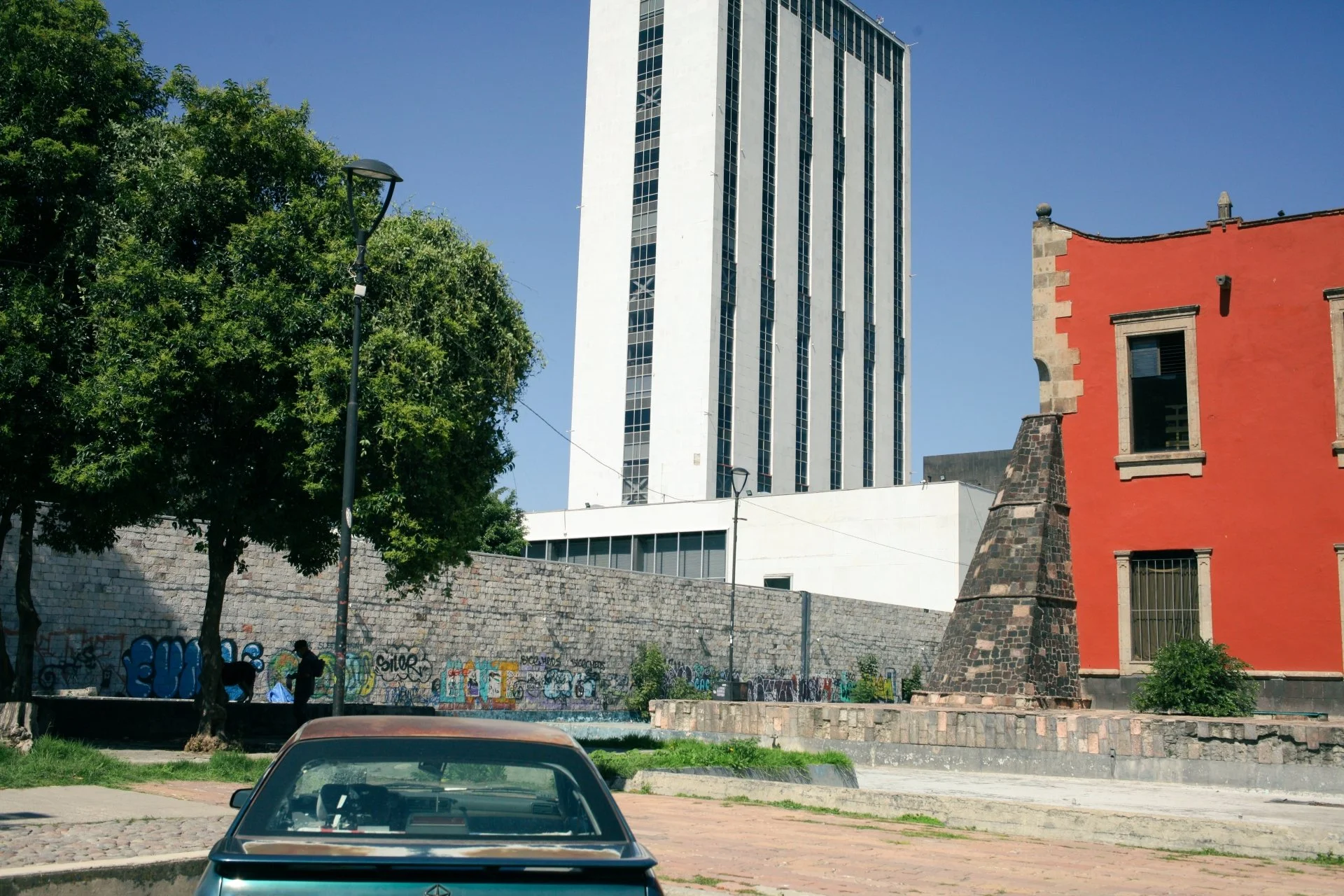
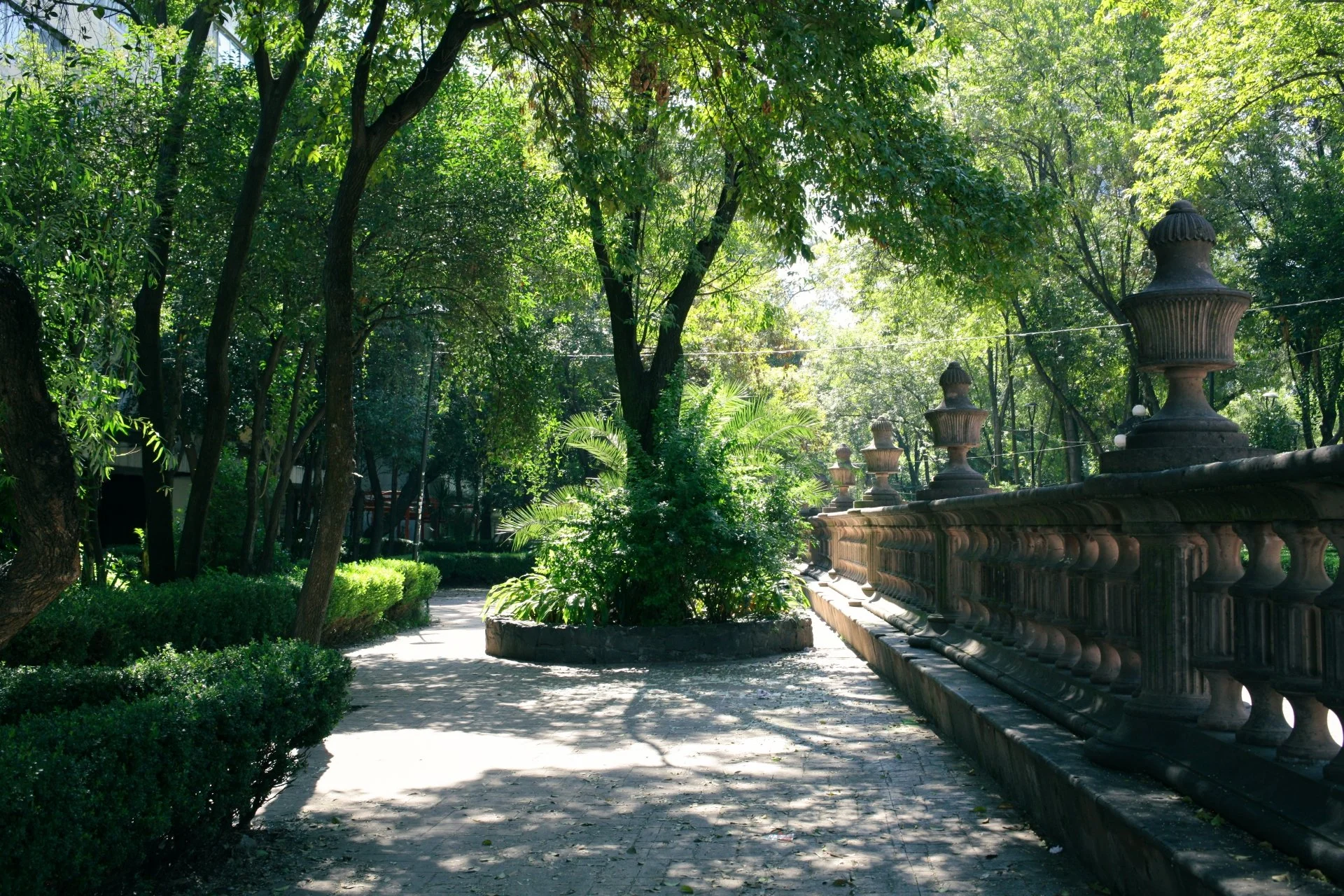
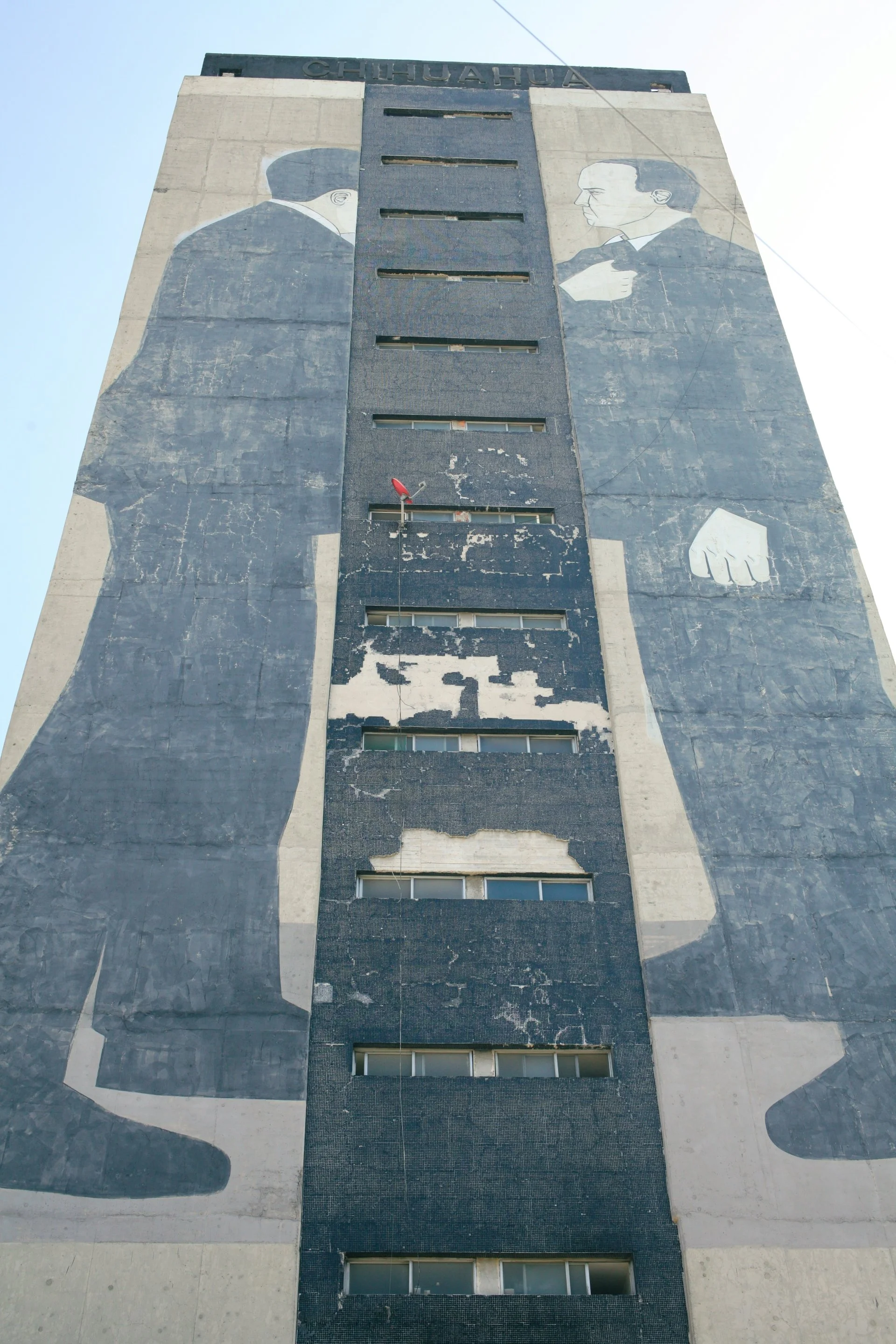
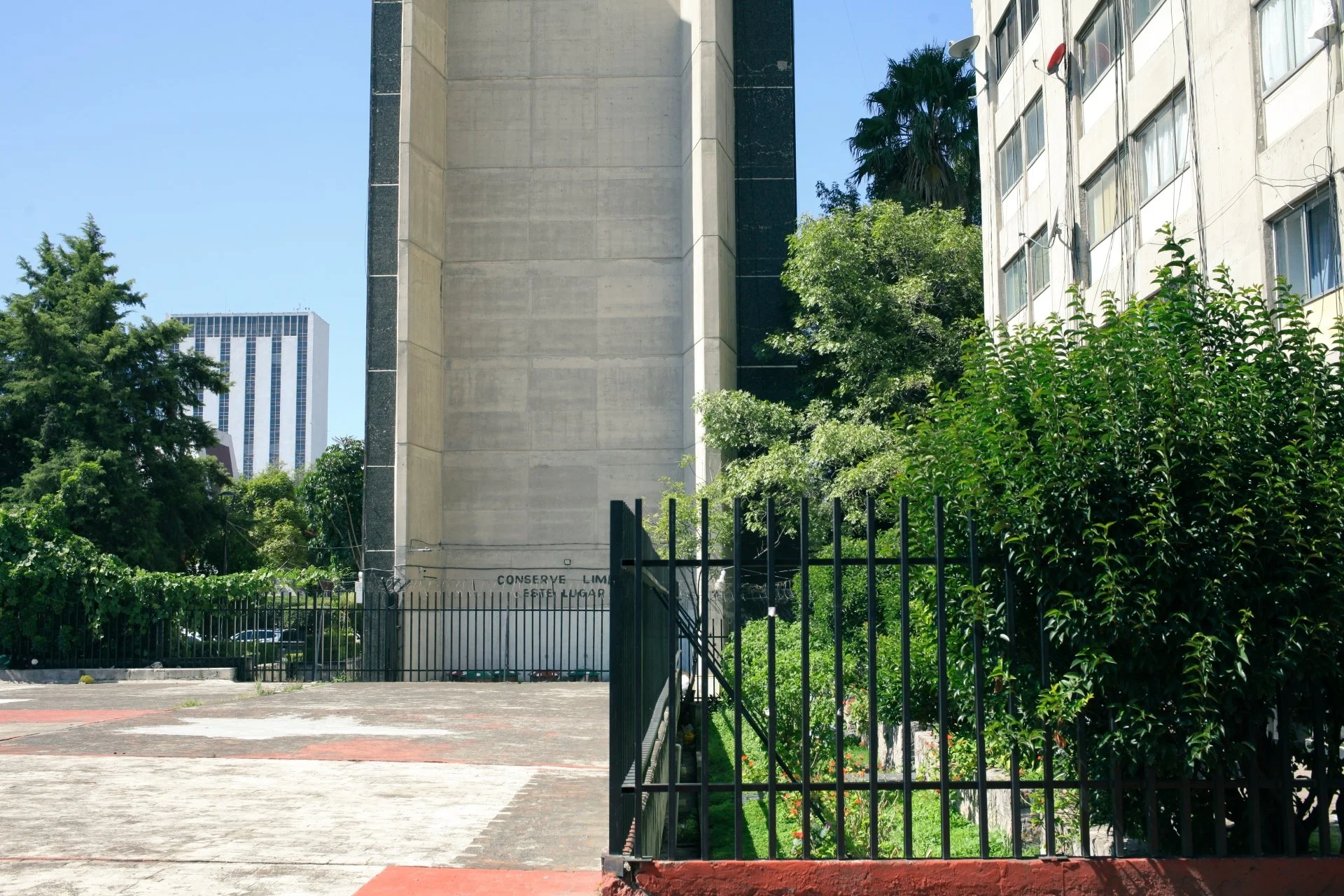
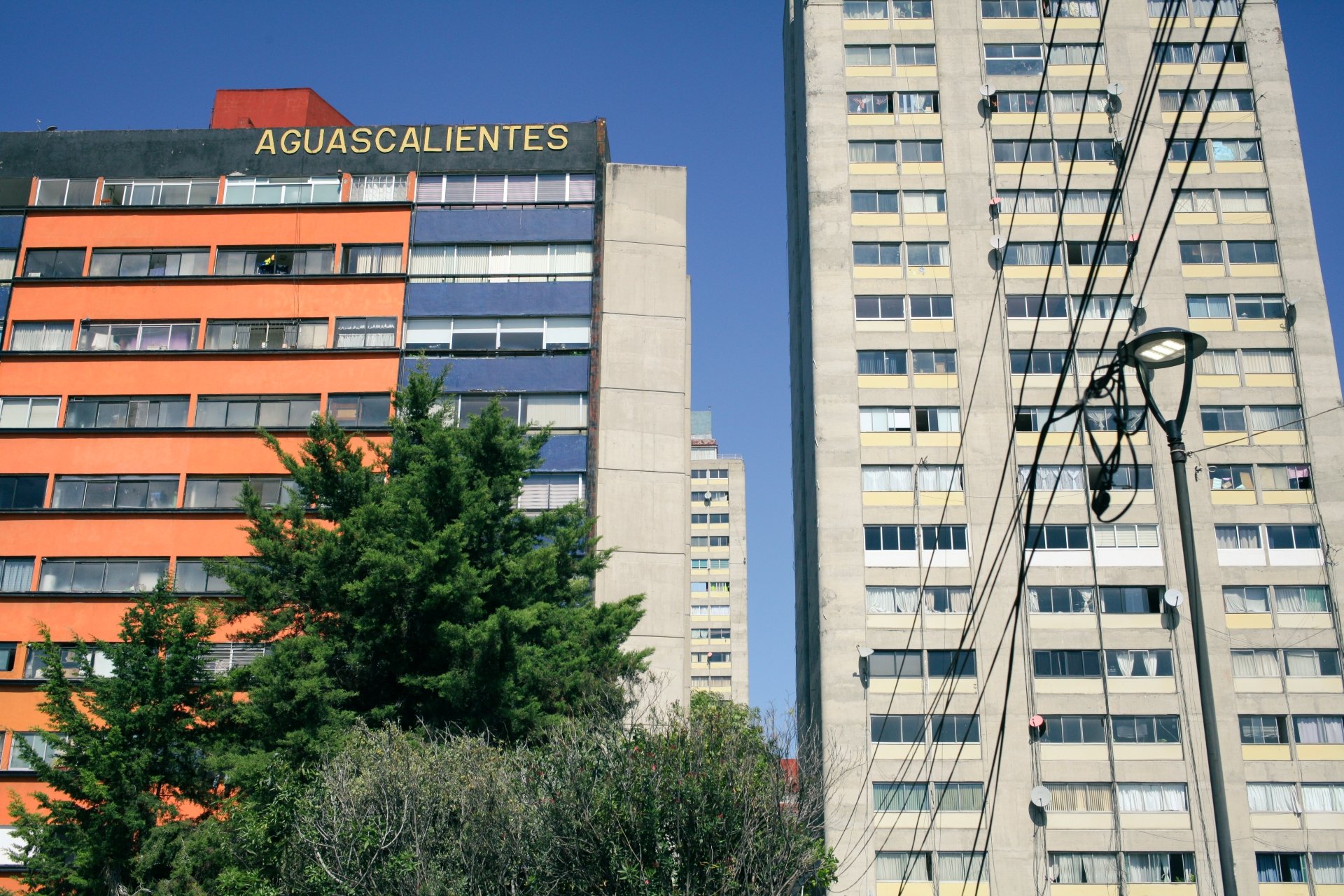
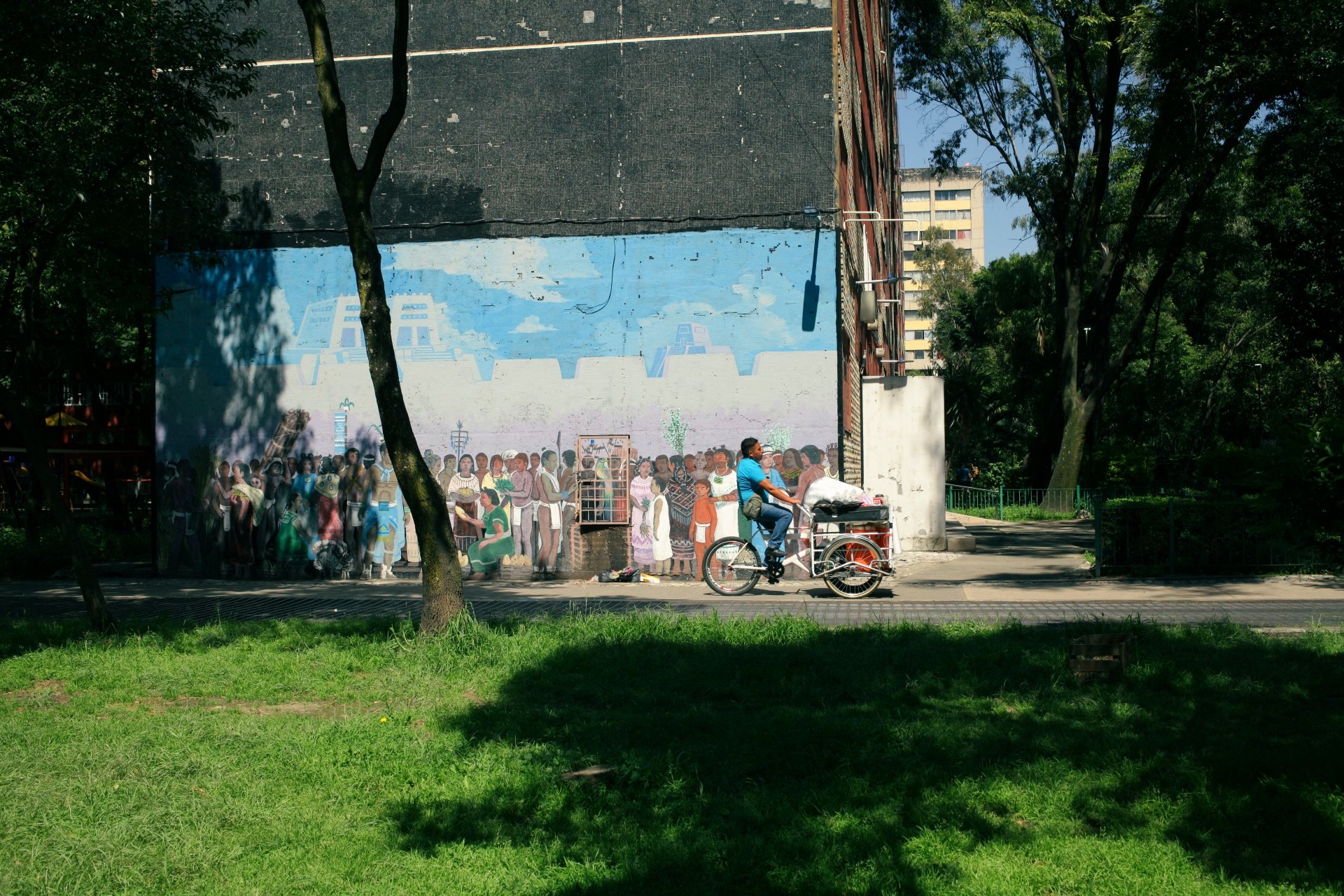
A Photographic Observation
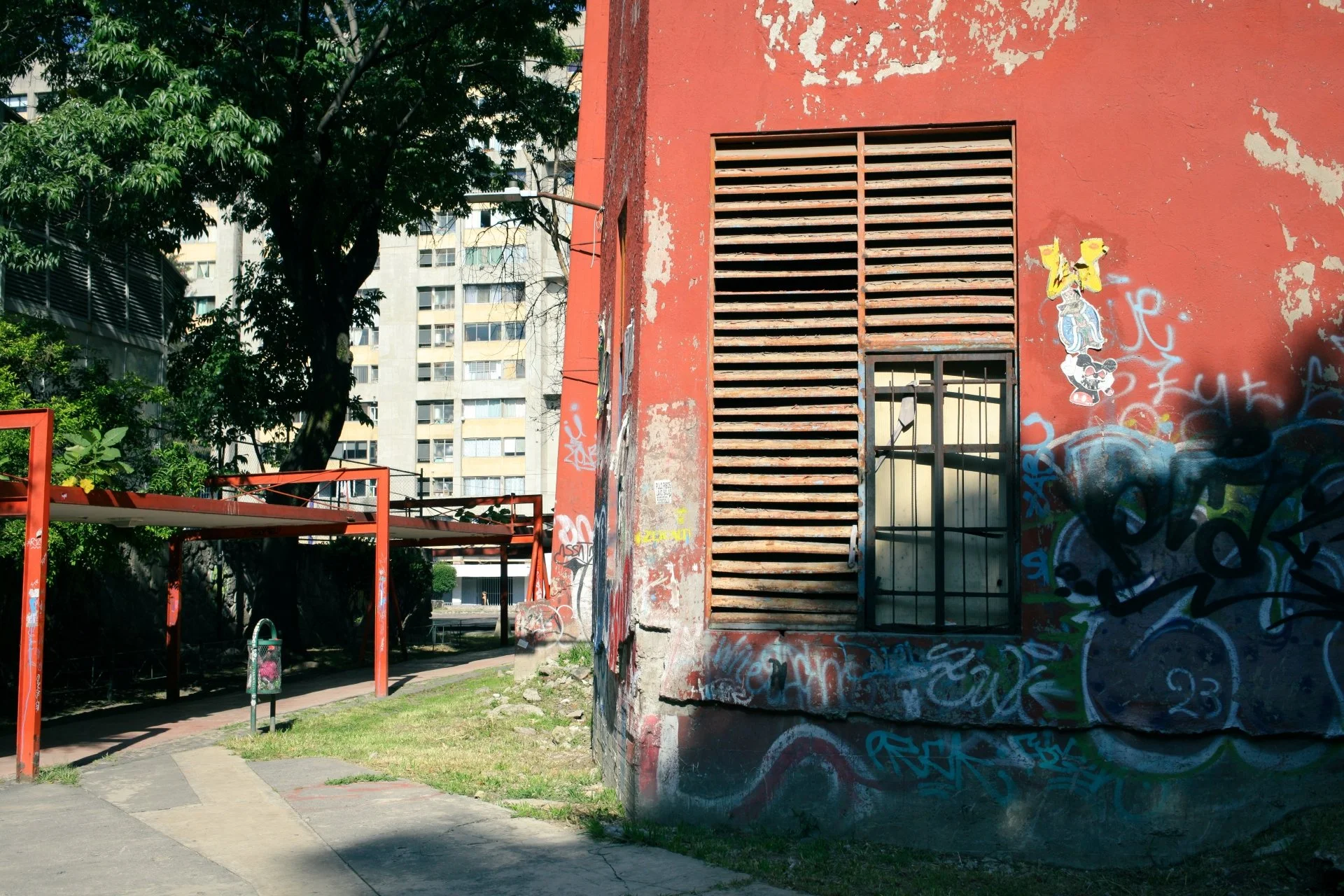
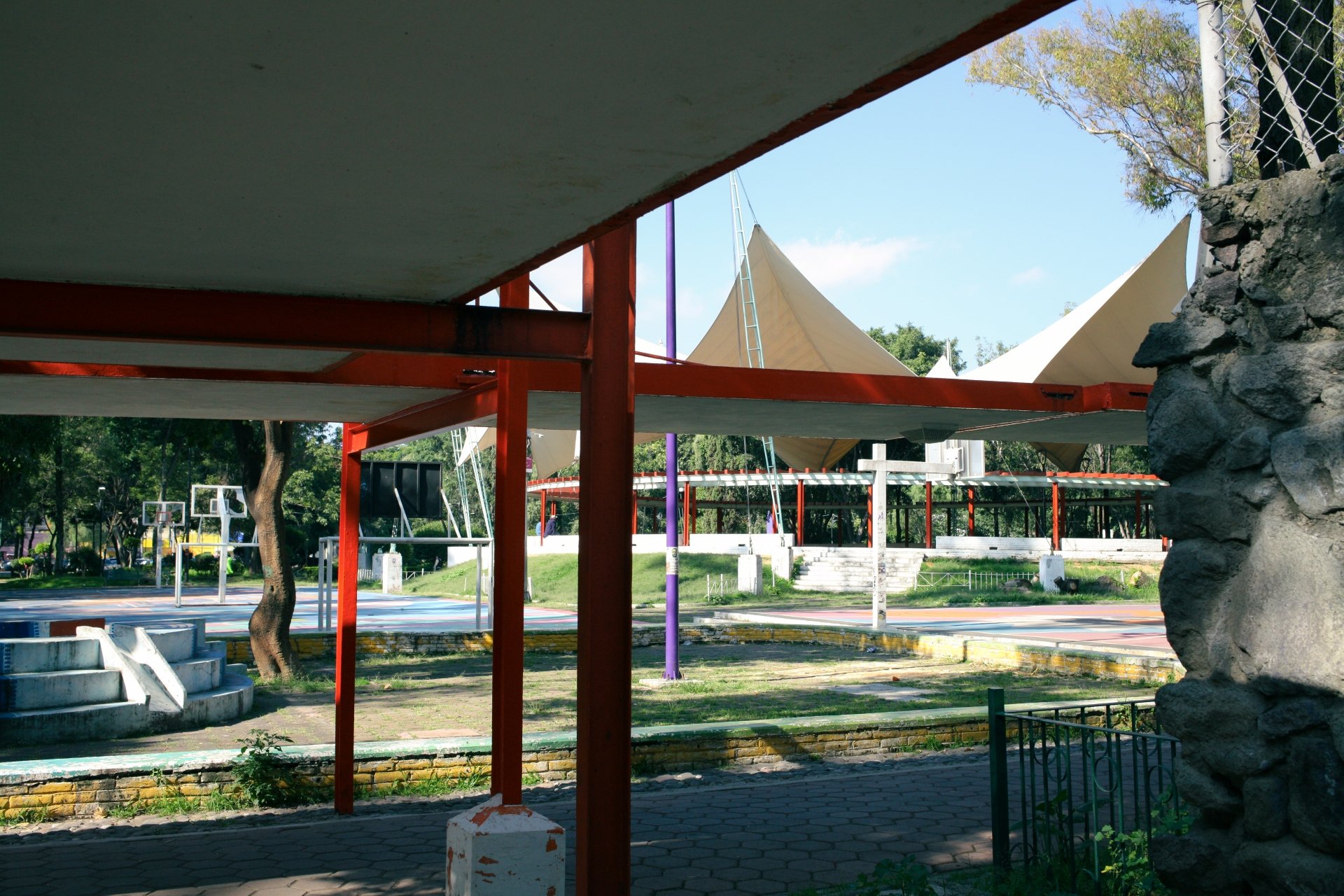
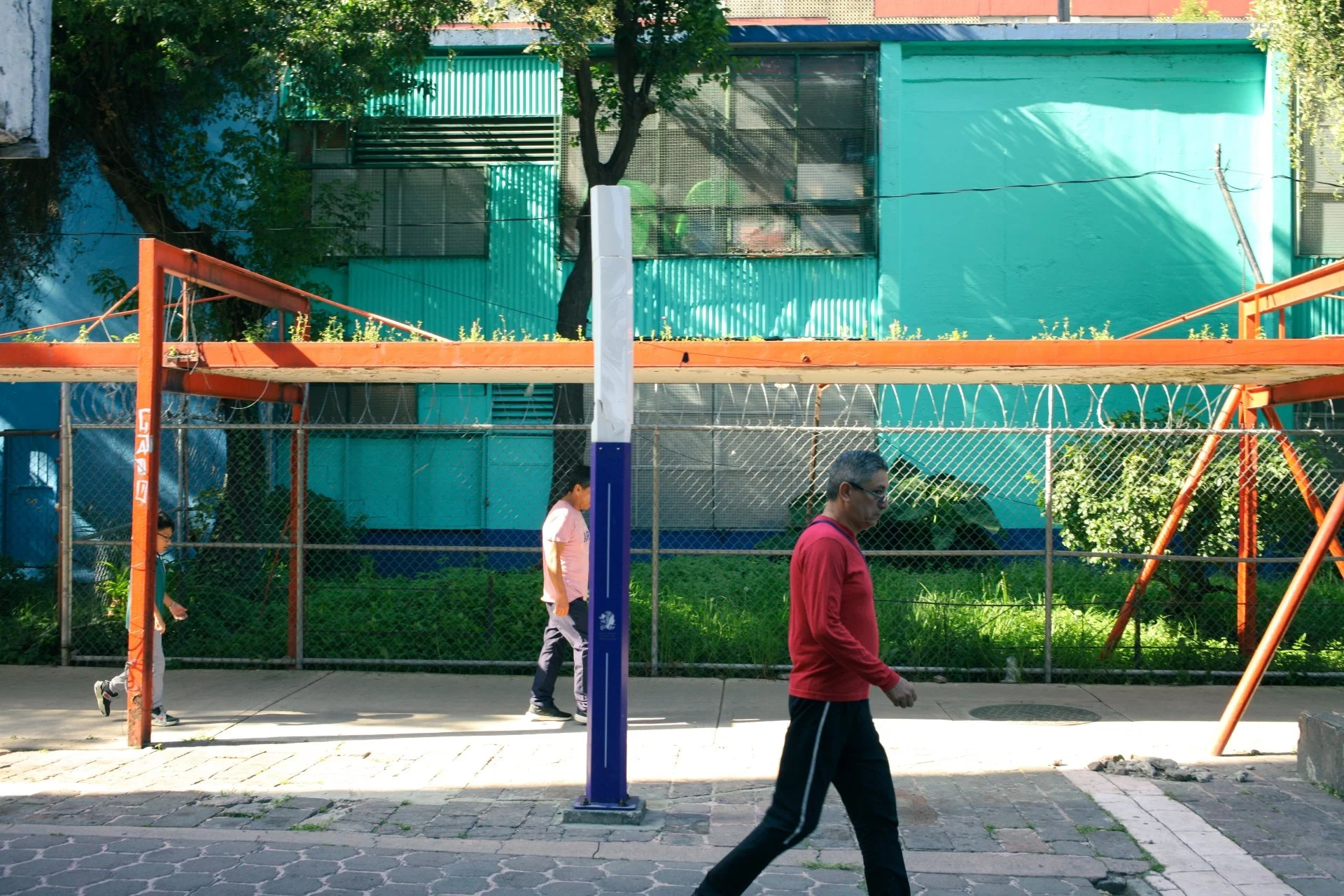
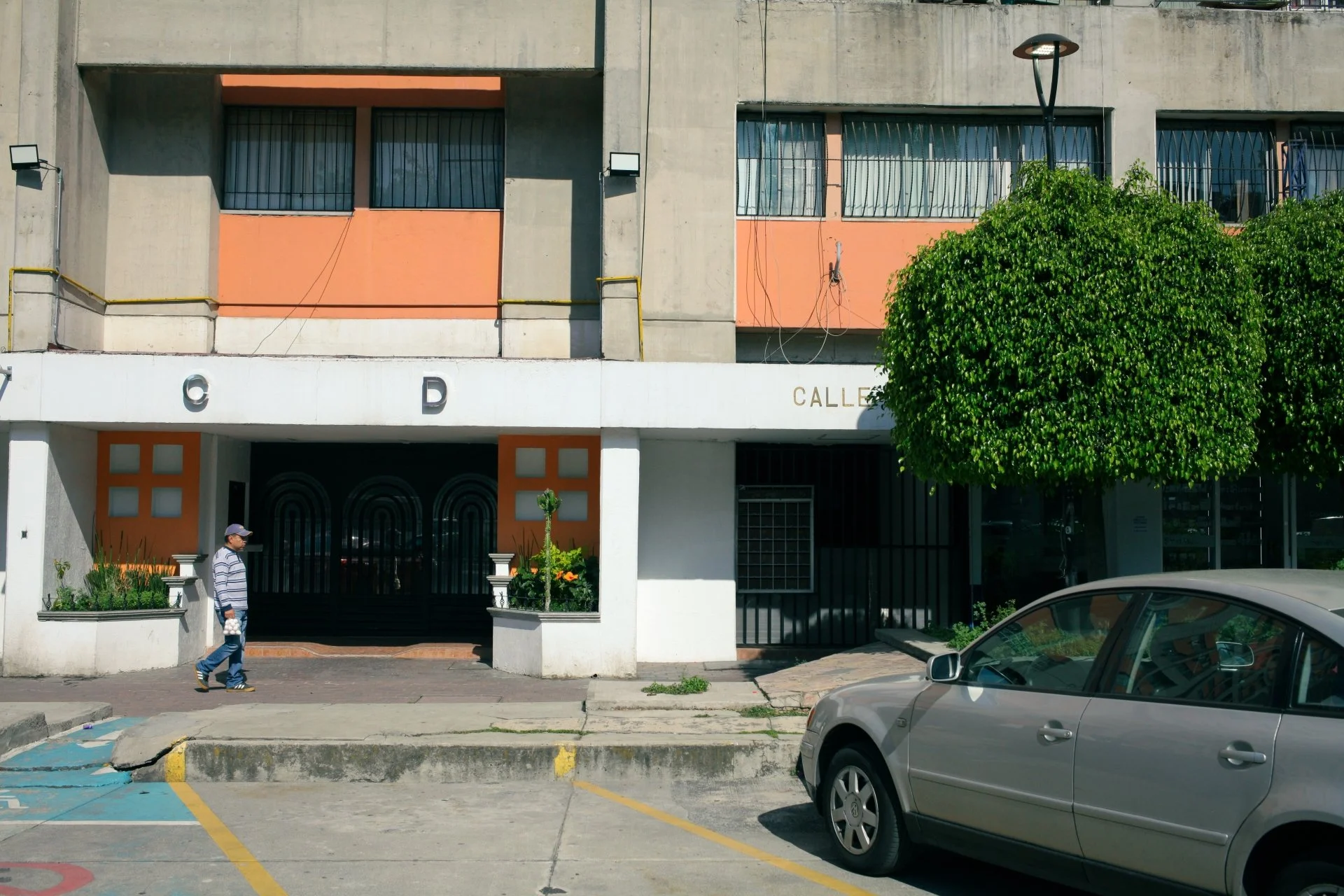
My interest in Tlatelolco is not limited to its history, its architecture, or the extraordinary contradictions contained within this particular place. I am interested in what happens when we look at the built landscape not as a backdrop, but as a living document: a surface on which time, human presence, architecture, memory and everyday life continuously leave their marks.
This is the approach I want to bring to my photography of the urban landscape. Rather than producing conventional architectural images or straightforward documentary records, I want to create visual documents of the places I encounter, paying attention to their forms, relationships, textures, proportions, signs and traces of use. I am interested in the monumental and the insignificant, in the designed and the accidental, in what was intended and what has happened since.
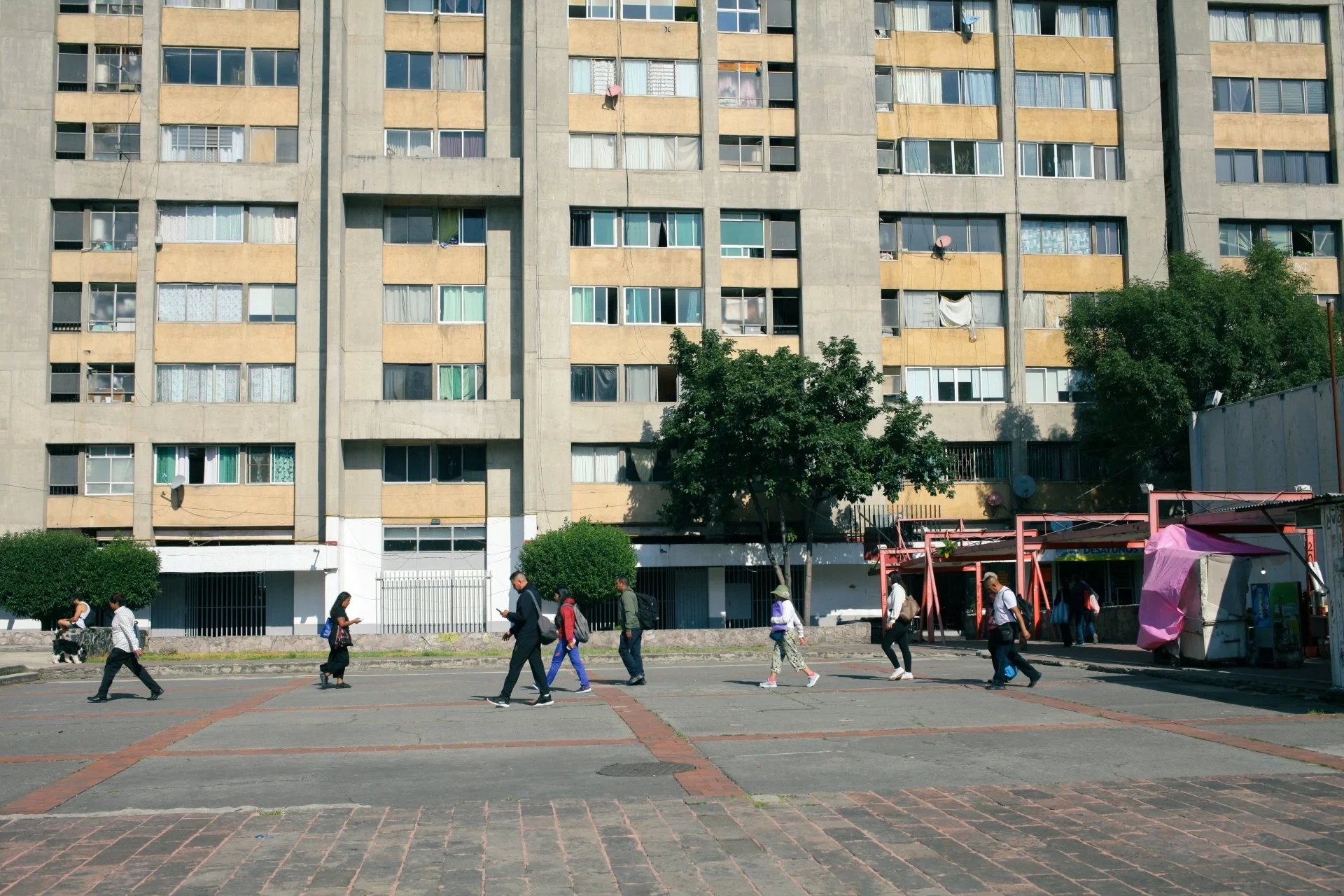
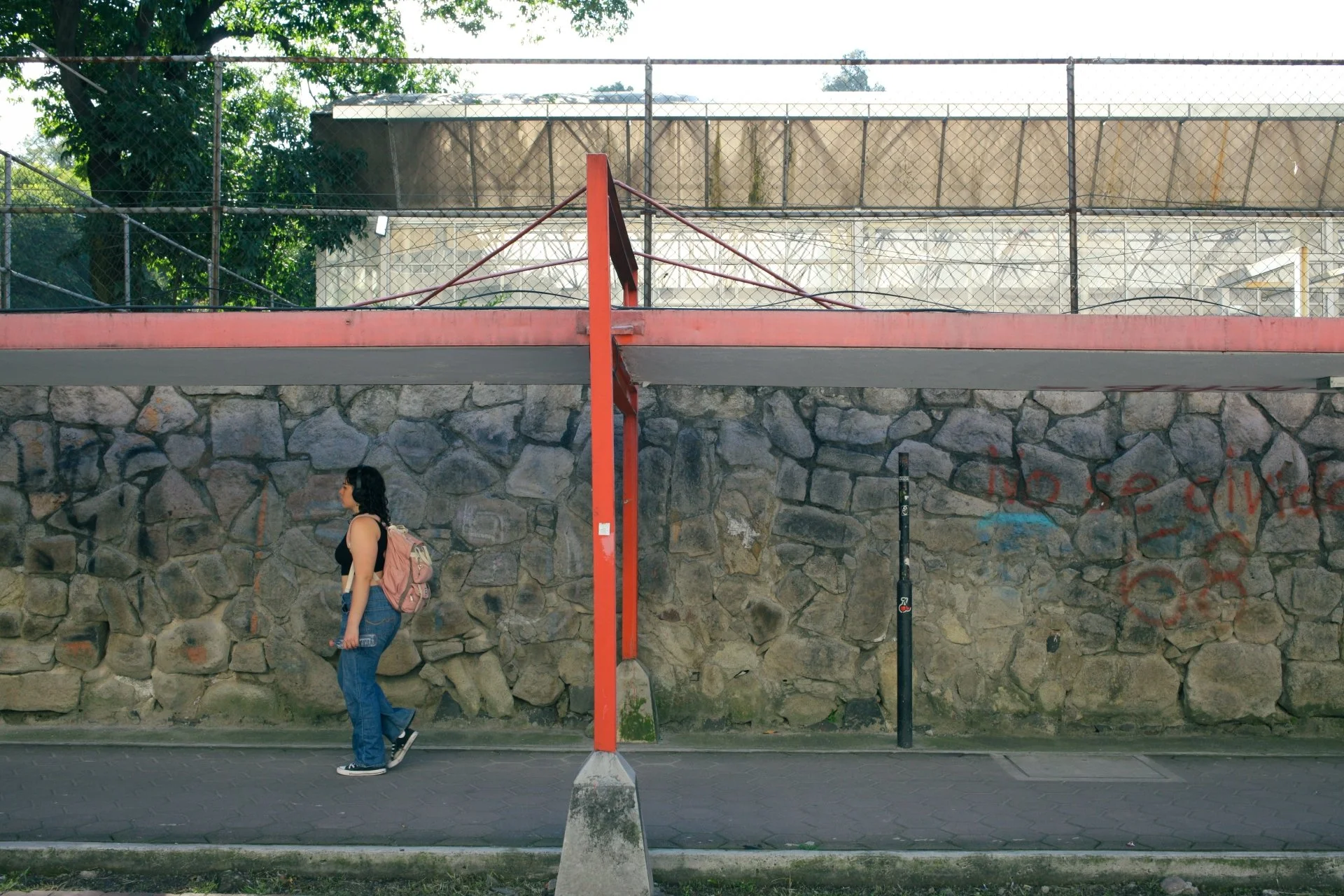
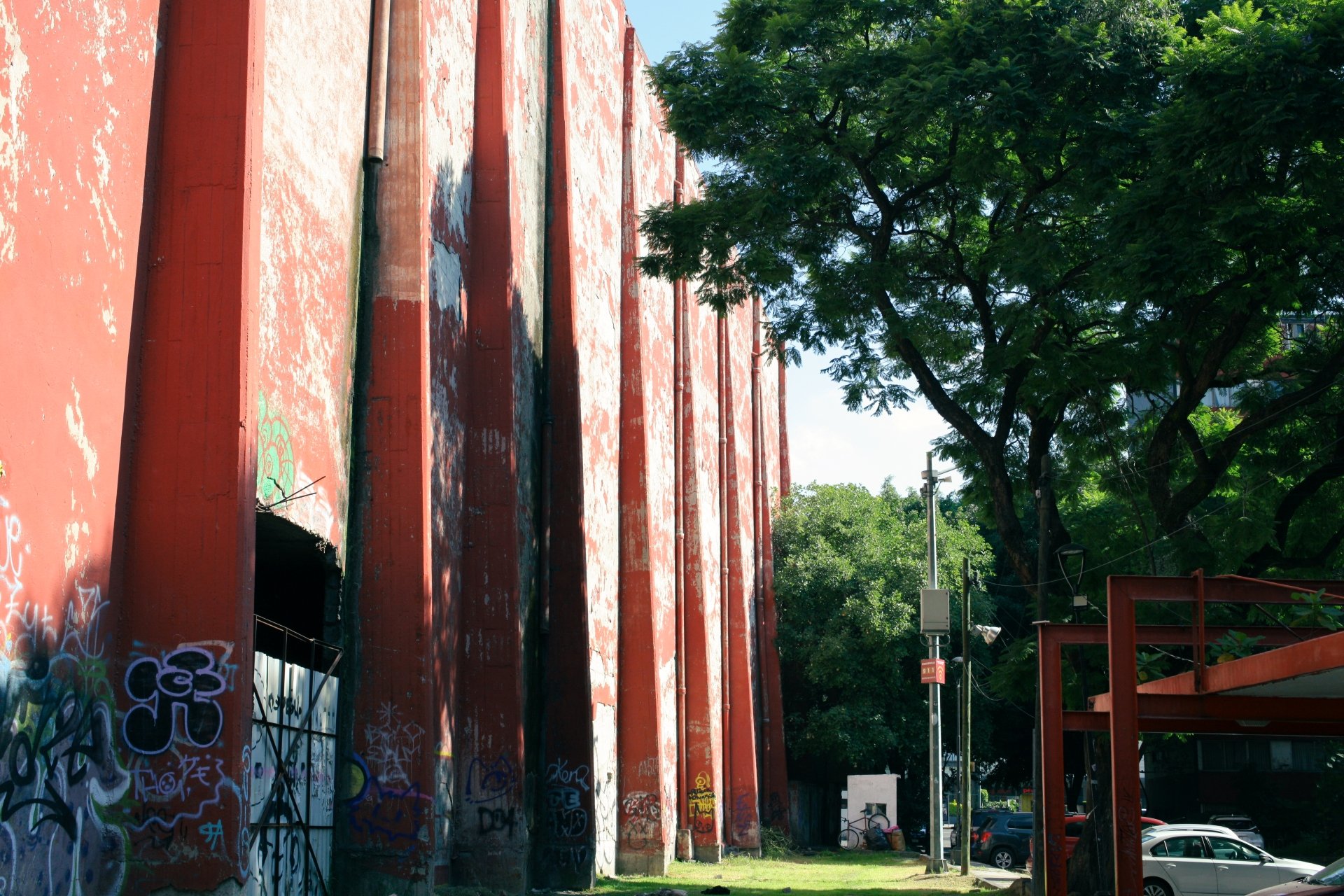
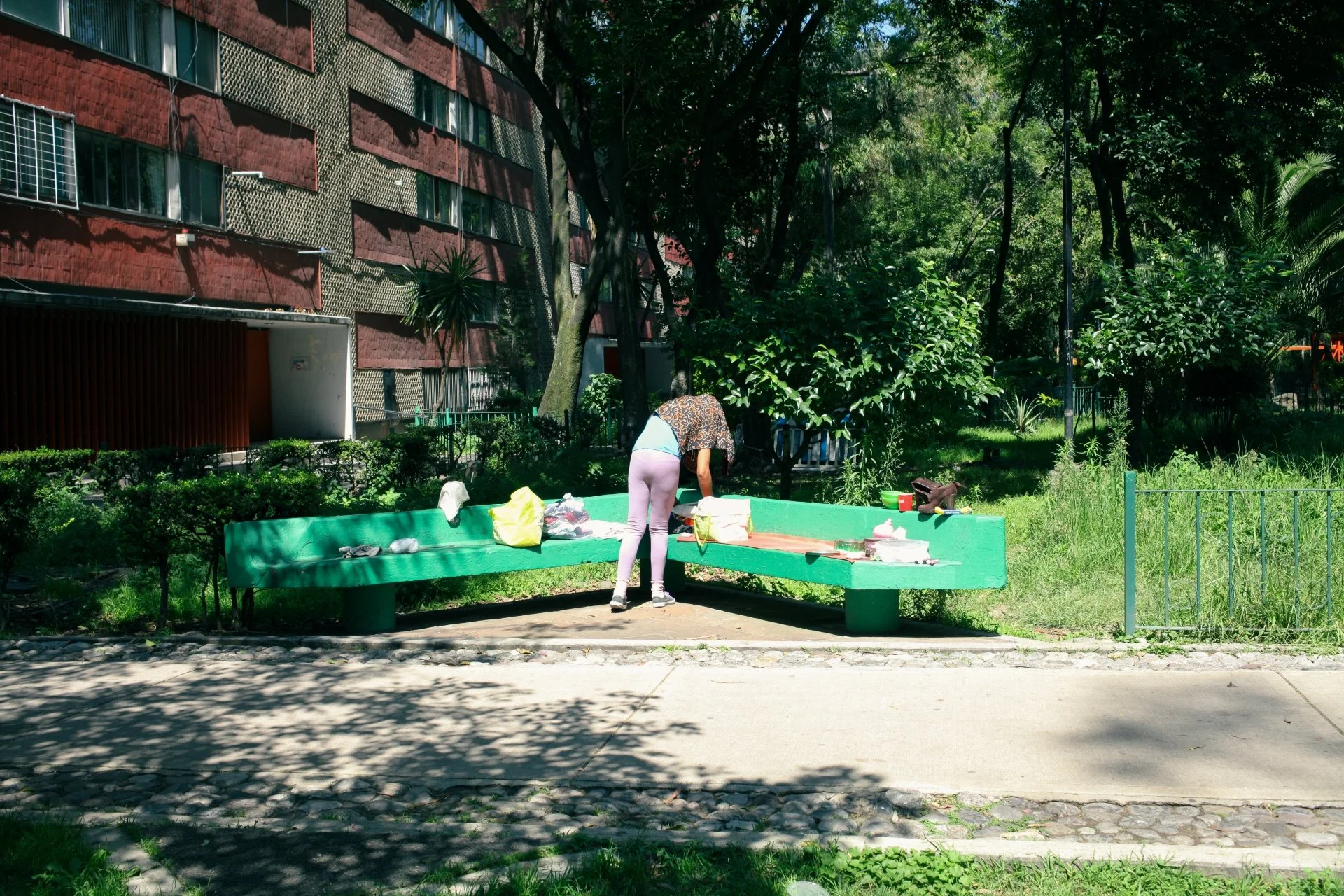
There is also a deliberate distance from the idea of the city as spectacle. I am less interested in photographing places that announce themselves than in observing how a place reveals itself through ordinary details. A façade, a vacant space, a pedestrian crossing, a tree growing against concrete, a figure passing through an enormous architectural structure: these can become fragments of a larger geography. The photograph becomes a document, but also an interpretation of that geography.
In this sense, my relationship with landscape and architecture is deliberately broad. Modernism, Brutalism, vernacular structures, peripheral spaces, infrastructure, ordinary streets and the remnants of earlier urban visions can all belong to the same investigation. What connects them is not a specific architectural style, but a way of looking: an attention to the physical world and to the layers of time embedded within it.
Tlatelolco is therefore not the subject of this project so much as its first point of departure. It is the first stone of a longer photographic investigation that will extend to other places and other forms of the built environment. I want to visit these places, walk through them, photograph them and gradually build a visual record of how cities and landscapes are constructed, inhabited, altered and remembered.
The project begins here, but it is not about Tlatelolco alone. It is about learning to look at the places we inhabit as evidence: not simply of what they were designed to be, but of everything that has happened to them since.
GEOGRAFIE
GEOGRAFIE is a personal ongoing photographic investigation into places, landscapes and the traces through which we come to know them. It begins with the ordinary world: buildings, streets, open spaces, fragments of architecture, signs, surfaces, vegetation, distances and the small accidents that quietly alter the places we construct and inhabit.
The project is interested in the space between architecture and landscape, between what was designed and what was lived, between the image a place was meant to project and the reality that time has produced. It does not seek to celebrate architecture or to classify places. Instead, it looks at them patiently, allowing their forms, relationships and contradictions to emerge through observation.
There is no fixed geography here. A modernist housing complex in Mexico City, a peripheral street, a brutalist building, an anonymous public square or a landscape shaped by infrastructure can all become part of the same visual inquiry. What matters is not the importance of the place, but its capacity to reveal something about the way we inhabit the world.
Photography becomes a way of walking through these places and collecting fragments without pretending that a fragment can contain the whole. Each image is both document and interpretation: a small piece of evidence, a measured observation, a way of making visible what might otherwise remain unnoticed.
Tlatelolco is the first stone of GEOGRAFIE, not its destination. From here, the project will continue through different cities, territories and forms of the built environment, gradually forming a visual geography of places as they are found: layered, imperfect, ordinary, changing and alive.