
Returning to Tlatelolco
I recently found an old post I had been looking for for quite some time, published on Silver Poetics in 2011.
The post presents Domingo Milella’s “Outer Edges of Some Buried Age”, a photographic project dealing with landscape, memory, identity and the traces left by different cultures on the places we inhabit.
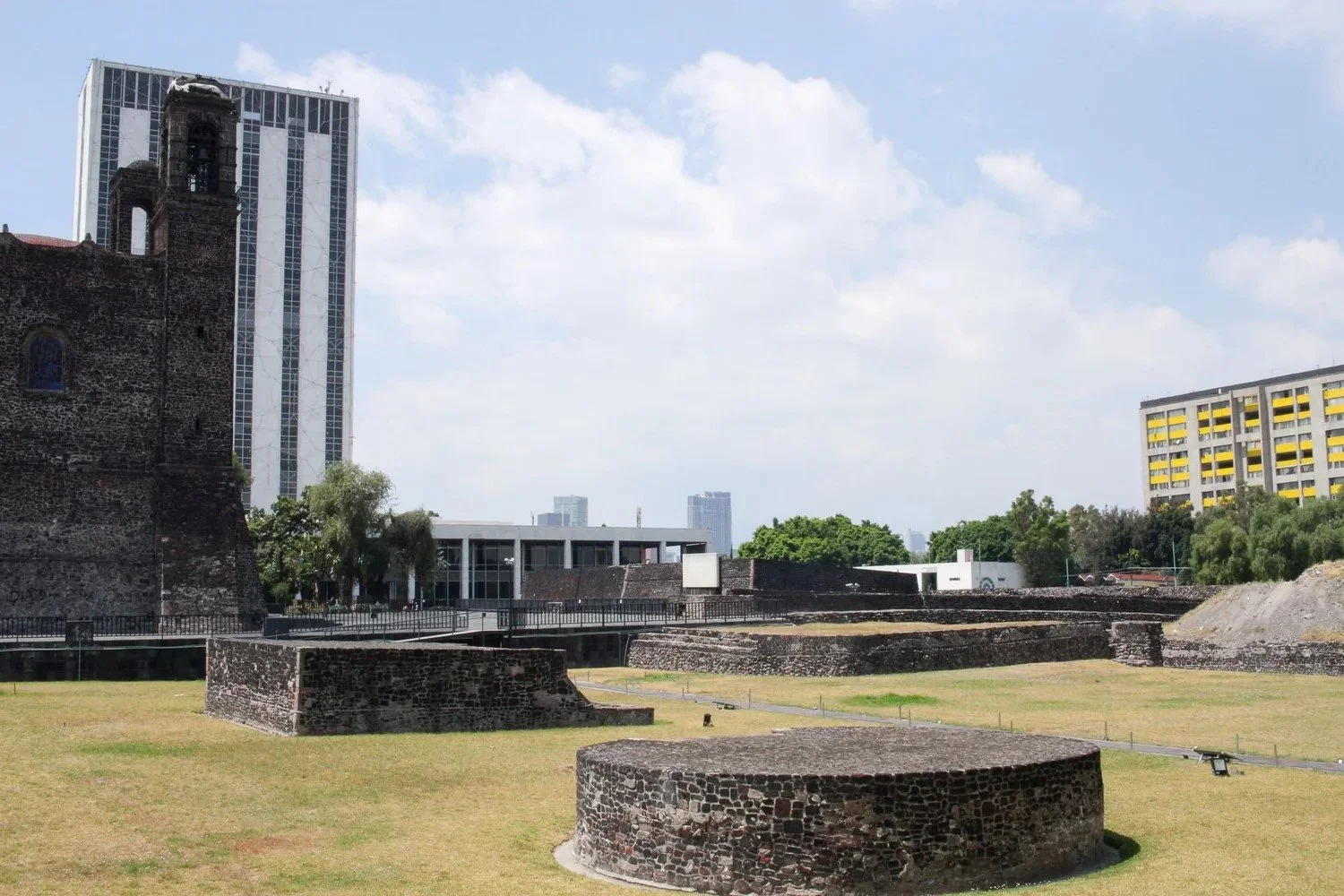
One of the photographs featured in the article is particularly interesting to me: Tlatelolco, Plaza de las Tres Culturas, Mexico City, 2004.
You can read the original post here:
Finding this photograph again made me think about Tlatelolco and about how differently a place can be photographed at different moments in time.
I will be working in Tlatelolco soon, with a specific intention: to photograph the area as an urban landscape rather than as a historical or architectural landmark.
I am interested in what happens between the monumental and the ordinary. The relationship between the enormous modernist structures and the people who inhabit them. The traces of time, deterioration, adaptation, vegetation, signs, objects and everyday life. I am also attracted by the brutalism in architecture.
I don't want to make another photographic record of the Plaza de las Tres Culturas. Instead, I want to look at what Tlatelolco has become.
Milella photographed the place in 2004. More than twenty years later, I want to return to it with a different question:
What does Tlatelolco tell us about the city today?
That is where I want to begin.